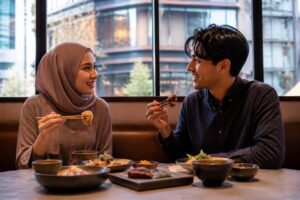
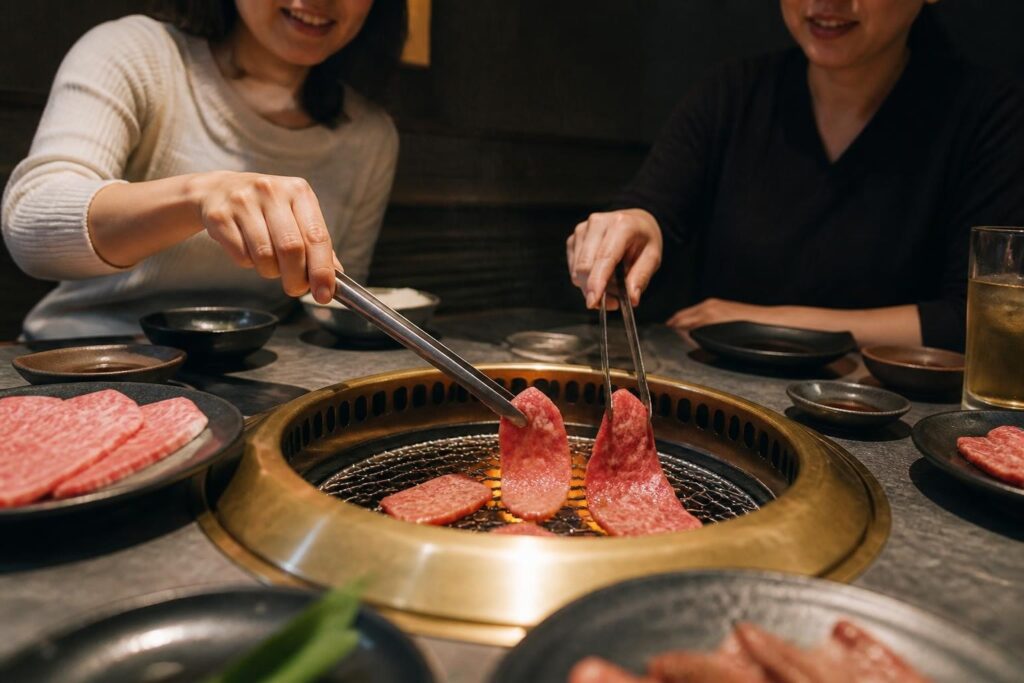
The sizzle of perfectly marbled wagyu hitting a hot grill, the aromatic smoke rising from charcoal, and the joyful chatter of friends and family gathered around a table create an unforgettable scene. This is the essence of visiting a yakiniku restaurant in Japan, where dining becomes an interactive culinary adventure that engages all your senses. Whether you're a first-time visitor to Tokyo or a seasoned traveler exploring the depths of Japanese cuisine, understanding the art and culture of yakiniku opens doors to some of the most memorable meals you'll ever experience. From the bustling streets of Asakusa to the upscale neighborhoods of Shibuya, yakiniku restaurants offer something magical that transcends simple dining.
The Cultural Heart of Yakiniku Restaurant Japan
Walking into a traditional yakiniku restaurant japan location feels like stepping into a different world. The concept might seem straightforward at first glance – you cook your own meat at your table – but the experience runs much deeper than that. Yakiniku culture emerged in Japan during the post-war era, influenced by Korean BBQ traditions but evolving into something distinctly Japanese.
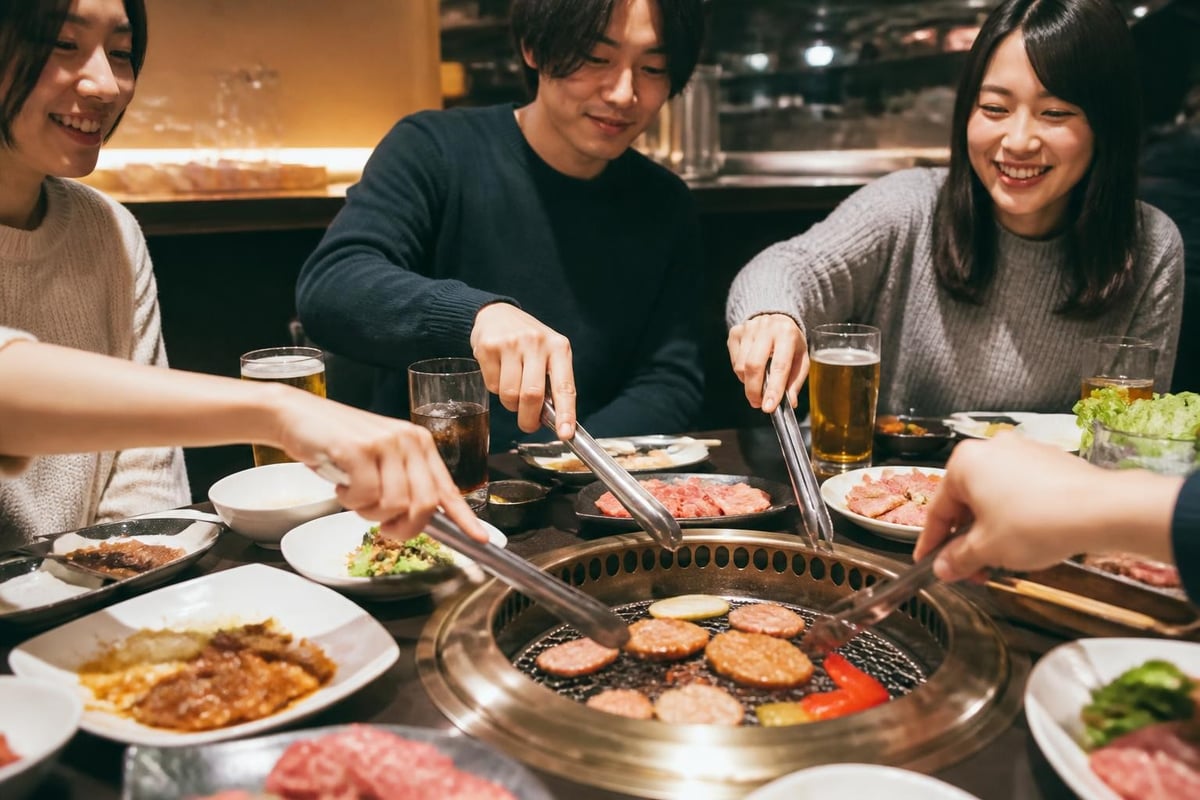
The beauty of yakiniku lies in its democratic nature. Everyone at the table becomes both chef and diner, creating a shared experience that breaks down social barriers. I remember my first visit to a yakiniku restaurant in Tokyo back in 2018, watching nervously as my Japanese colleagues expertly turned thin slices of beef on the grill with surgical precision. They taught me that each cut requires different cooking times, different techniques, and different levels of attention.
Understanding the Yakiniku Dining Experience
What makes yakiniku unique:
- Interactive cooking at your own table
- Premium quality meats, especially wagyu varieties
- Wide selection of cuts from tongue to short rib
- Fresh vegetables to balance the richness
- Special dipping sauces crafted for each meat type
The ritual begins when you sit down and receive the menu. Unlike Western steakhouses where cuts might be limited to ribeye, sirloin, and filet, a proper yakiniku restaurant japan venue offers dozens of options. You'll find harami (skirt steak), karubi (short rib), tan (tongue), and hormone (offal), each bringing its own flavor profile and texture to the experience.
Navigating the Premium Wagyu Selection
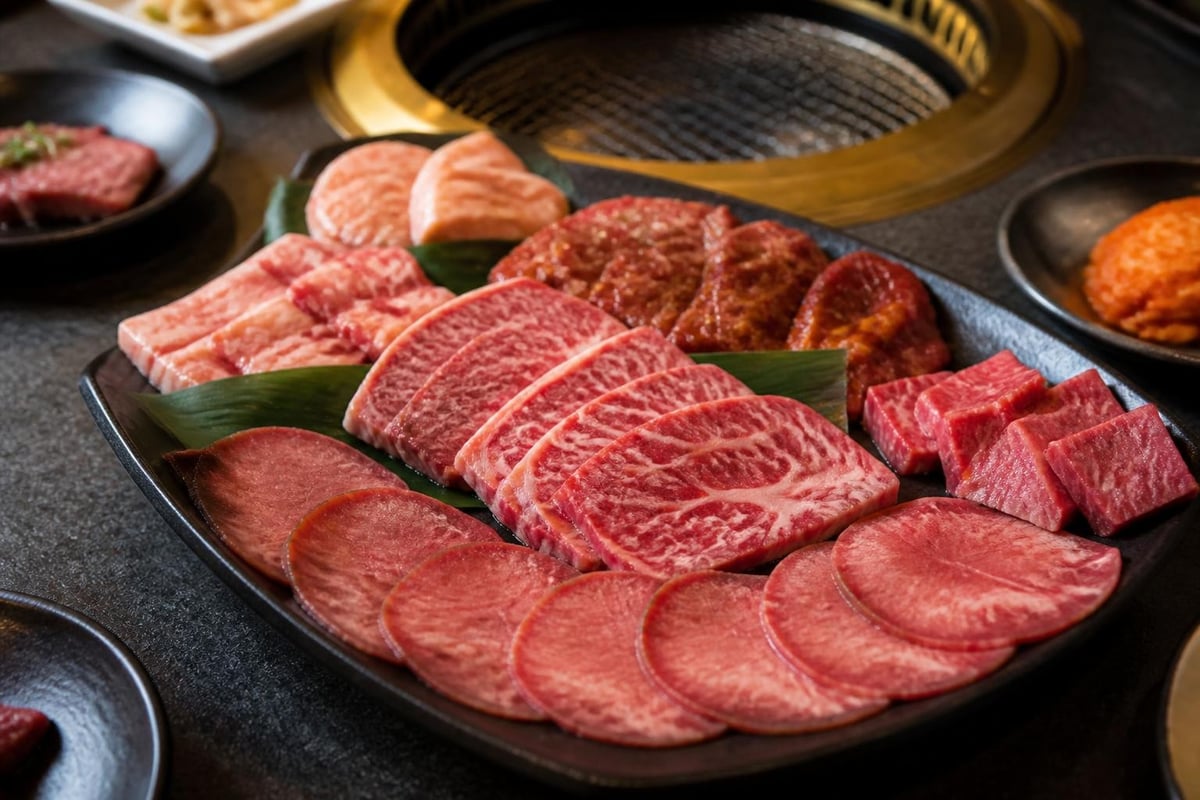
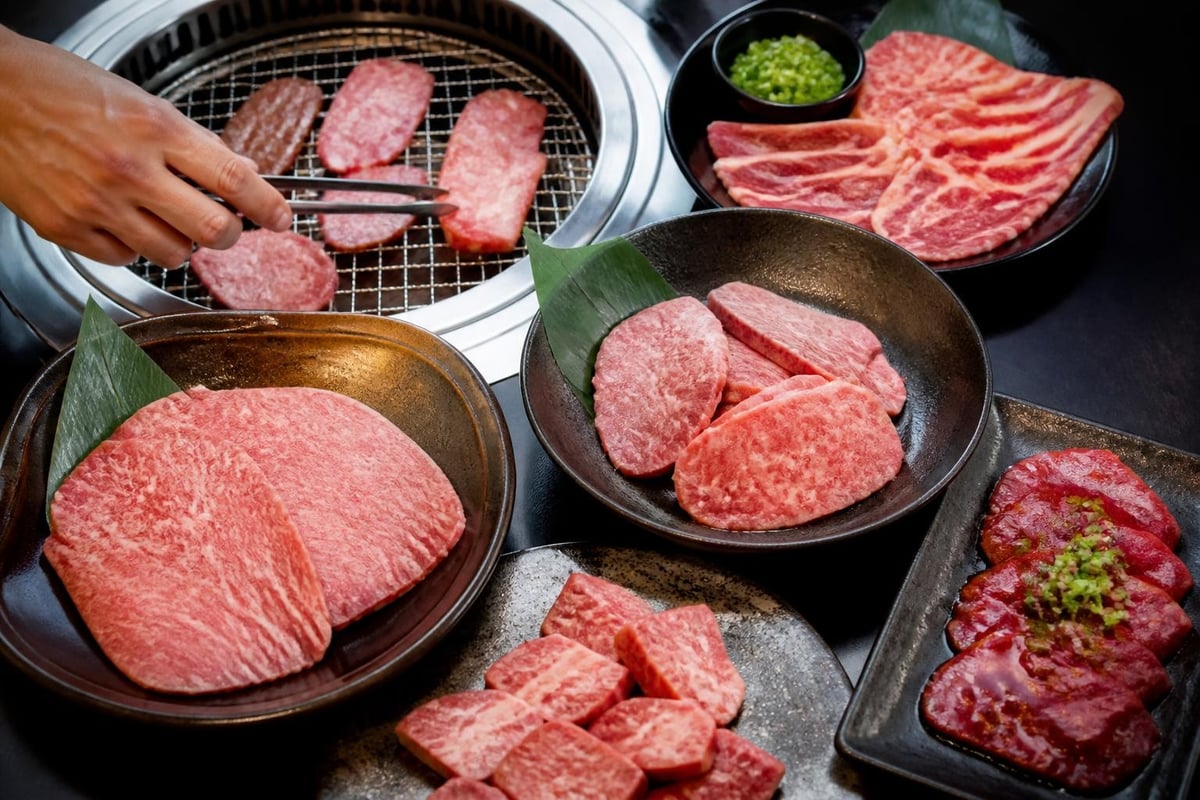
When you step into a high-end yakiniku restaurant japan establishment, the wagyu selection becomes the star of the show. The grading system in Japan uses letters and numbers, with A5 representing the highest quality. But what does that actually mean for your dining experience?
A5 wagyu achieves its legendary status through intense marbling, creating that characteristic buttery texture that melts on your tongue. The fat distribution throughout the meat means even quick cooking over high heat yields tender, flavorful results. At restaurants like Jojoen, you'll encounter wagyu from specific regions like Kobe, Matsusaka, or Omi, each with subtle flavor differences shaped by the cattle's diet and environment.
Beef Quality Comparison
| Grade | Marbling Level | Texture | Price Range | Best For |
|---|---|---|---|---|
| A5 | Exceptional | Butter-soft | ¥¥¥¥ | Special occasions |
| A4 | Excellent | Very tender | ¥¥¥ | Premium dining |
| A3 | Good | Tender | ¥¥ | Regular yakiniku |
| Standard | Minimal | Standard | ¥ | Budget-friendly |
The cooking technique matters tremendously with premium wagyu. These cuts require mere seconds per side because the high fat content means they cook faster than leaner beef. First-timers often make the mistake of treating A5 wagyu like a thick American steak, leaving it on the grill too long and losing that perfect medium-rare center.
Regional Variations Across Japan
Every region in Japan brings its own personality to yakiniku culture. While Tokyo offers the widest variety and most international options, venturing beyond the capital reveals fascinating regional interpretations of this beloved cuisine.
In Osaka, yakiniku restaurants often feature hormone (offal) more prominently than Tokyo establishments. The Kansai region embraces nose-to-tail eating with enthusiasm, and you'll find incredibly creative preparations of intestines, liver, and heart. These cuts carry less prestige than premium wagyu but deliver intense, complex flavors that devoted yakiniku fans crave.
Notable Regional Specialties
Hokkaido:
- Emphasis on locally-raised beef from wide pastures
- Fresh seafood additions like scallops and squid on the grill
- Hearty portions reflecting the northern climate
Kyushu:
- Horse meat yakiniku as a regional delicacy
- Sweet, bold sauce traditions
- Chicken yakiniku variations unique to the area
Okayama presents another interesting case study, where restaurants like Yakiniku Hachiya have built reputations on offering exceptional value without sacrificing quality. The city's proximity to cattle-raising regions in the Chugoku area means fresh, locally-sourced beef at prices that would shock Tokyo diners.
Halal Yakiniku: An Emerging Trend
The landscape of yakiniku restaurant japan options has expanded dramatically in recent years to accommodate Muslim travelers and residents seeking halal-certified dining experiences. This represents a significant shift in an industry traditionally built around pork-inclusive menus and alcohol-based marinades.
Finding authentic halal yakiniku used to require extensive research and limited options. Today, particularly in tourist-heavy areas like Asakusa, restaurants are obtaining proper halal certification while maintaining the high standards that define Japanese yakiniku culture. The challenge lies in sourcing halal wagyu, which requires specific slaughter methods and certification processes that many suppliers haven't traditionally offered.
The breakthrough came when some Japanese beef producers recognized the growing market demand and invested in halal certification for their premium wagyu lines. This means Muslim diners can now experience the same A5 quality that has made Japanese beef world-famous, without compromising their dietary requirements.
Halal Certification Standards
Proper halal yakiniku restaurants in Japan must meet several criteria:
- Source meat from certified halal suppliers
- Maintain separate preparation areas to prevent cross-contamination
- Use halal-approved seasonings and sauces
- Train staff in halal food handling procedures
- Obtain official halal certification from recognized Islamic organizations
The family-friendly atmosphere at these establishments often extends beyond just the halal certification. They typically avoid serving alcohol altogether, creating environments where Muslim families can dine comfortably without concerns about their children's exposure to prohibited items.
The Art of Grilling: Techniques and Tips
Sitting at a yakiniku restaurant japan table for the first time can feel intimidating. The grill heats up, the meat arrives beautifully arranged on plates, and everyone seems to know exactly what to do except you. Learning the basics transforms anxiety into enjoyment.
The grill type matters significantly. Traditional yakiniku uses charcoal grills, which impart a subtle smokiness that gas grills can't replicate. Modern restaurants like Gyu-Kaku have developed smokeless electric grills for urban locations, though purists argue nothing beats real binchotan charcoal.
Essential grilling techniques:
- Tongue (tan): Cook quickly, just 10-15 seconds per side, until the surface turns white
- Kalbi (short rib): Medium thickness requires 20-30 seconds per side
- Harami (skirt steak): Watch for the edges to curl slightly before flipping
- Hormone (offal): Longer cooking time, 45-60 seconds per side until crispy
Temperature management becomes crucial with premium cuts. The grill should be hot but not screaming hot. If the meat immediately turns black when it touches the surface, your grill is too hot. Quality wagyu needs gentle heat to render the fat properly without burning the exterior.
Common Mistakes to Avoid
New yakiniku diners often press down on the meat with their chopsticks or tongs, thinking this speeds cooking. Actually, pressing squeezes out precious juices and fats, resulting in drier, less flavorful meat. Let the meat sit undisturbed except for the single flip.
Overcrowding the grill represents another frequent error. Placing too many pieces at once drops the temperature and causes uneven cooking. Work in small batches, giving each piece adequate space and attention.
Menu Navigation and Ordering Strategy
The menu at an authentic yakiniku restaurant japan location can overwhelm first-timers with its sheer variety. Some establishments offer more than 50 different meat options, plus vegetables, rice dishes, soups, and sides. Developing a smart ordering strategy ensures you sample the best without over-ordering or missing key items.
Start with an assorted platter if available. These combination plates feature small portions of several cuts, letting you identify favorites before committing to full orders. Most restaurants arrange them from mild to strong flavors, creating a natural progression through the tasting.
| Order Stage | Recommended Items | Quantity per Person |
|---|---|---|
| First Round | Tan, Kalbi, Harami | 2-3 pieces each |
| Second Round | Premium wagyu cuts | 2 pieces each |
| Third Round | Hormone, specialty items | 1-2 pieces each |
| Throughout | Vegetables, garlic | As desired |
Timing your orders prevents waste and ensures optimal freshness. Order 2-3 items at a time rather than the entire meal upfront. This approach lets you adjust based on appetite and preference while preventing meat from sitting too long before cooking.
Price Management Tips
Premium yakiniku restaurants in major cities can become expensive quickly. A5 wagyu commands premium prices, sometimes ¥3,000-5,000 per 100 grams. Balancing expensive cuts with more affordable options creates a satisfying meal without breaking your budget.
Budget-conscious ordering:
- Start with standard kalbi or harami for the base
- Add one or two premium wagyu pieces as highlights
- Include chicken or pork options for variety and value
- Order the lunch set if dining during midday hours
- Share items with your dining companions
The lunch specials at many yakiniku restaurant japan locations offer remarkable value. The same quality beef that costs ¥4,000 at dinner might appear in a ¥1,500 lunch set with rice, soup, and sides included.
Understanding Japanese Dining Etiquette
Cultural awareness enhances your yakiniku experience beyond just the food itself. Japanese dining customs apply at yakiniku restaurants, though the casual, interactive nature of the meal creates a more relaxed atmosphere than formal kaiseki dining.
The wet towel (oshibori) arrives first, used for cleaning hands before eating. Once you start grilling, the person who cooks typically serves others before themselves, particularly if seniors or guests are present. However, among friends, this formality often relaxes into everyone cooking their favorite items.
Key etiquette points:
- Use separate chopsticks or tongs for raw meat (provided by the restaurant)
- Don't return cooked meat to the raw meat plate
- Offer to cook for others, especially on dates or business dinners
- Manage the grill temperature collectively as a table
- Signal staff by making eye contact or raising your hand gently
The grill becomes a shared responsibility. Watch for flare-ups, adjust ventilation as needed, and help manage the fire if dining with people less familiar with grilling. This collaborative element builds connections between diners.
Vegetable and Side Dish Selection
While meat dominates the yakiniku conversation, the supporting cast of vegetables and side dishes plays a crucial role in balancing the meal. Every yakiniku restaurant japan menu features various vegetables specifically chosen to complement the rich, fatty meat.
Grilled vegetables serve multiple purposes beyond nutrition. They cleanse your palate between different meat courses, their natural sweetness contrasting beautifully with savory beef flavors. The smoking process adds depth to vegetables like onions, peppers, and mushrooms that you can't achieve through other cooking methods.
Essential vegetable choices:
- Piman (green peppers): Mild, slightly sweet when grilled
- Kabocha (Japanese pumpkin): Becomes candy-like with caramelization
- Shiitake mushrooms: Absorb smoky flavors magnificently
- Negi (Japanese leeks): Sweet and tender when properly grilled
- Corn: Often served in foil packets with butter
The kimchi and namul (seasoned vegetables) served as banchan-style appetizers provide fermented, acidic notes that cut through the richness of wagyu fat. These Korean-influenced sides reflect yakiniku's cross-cultural heritage.
Essential Side Dishes
Rice dishes deserve strategic timing. Ordering them too early fills you up on carbohydrates before you've enjoyed the premium meat. Save rice for the latter part of the meal, or use it to make ssam (lettuce wraps) with grilled meat and vegetables.
The bibimbap or garlic fried rice options at many restaurants transform leftover meat bits and drippings into satisfying finales. Some diners order these specifically to use up the flavorful fats remaining on the grill.
Sauce and Seasoning Philosophy
The sauce selection at a quality yakiniku restaurant japan establishment reflects careful consideration of how different flavors enhance specific cuts. Unlike American BBQ where one signature sauce dominates, yakiniku embraces variety and precision matching.
Tare (the sweet-savory soy-based sauce) works beautifully with fattier cuts like kalbi, its sweetness balancing the richness. The salt and lemon combination highlights premium wagyu's natural flavor without overwhelming it. Many purists insist A5 wagyu needs nothing more than a sprinkle of salt to let the beef's inherent quality shine.
| Sauce Type | Best For | Flavor Profile |
|---|---|---|
| Tare | Kalbi, standard cuts | Sweet, savory, garlic notes |
| Salt-Lemon | Premium wagyu, tongue | Clean, bright, subtle |
| Miso | Hormone, pork | Rich, fermented, complex |
| Spicy | Any cut | Heat, depth, Korean influence |
Wasabi serves as an alternative to traditional sauces for premium cuts. A tiny dab on top of freshly grilled wagyu provides a sharp, clean heat that enhances rather than masks the beef flavor. This technique comes from high-end establishments where the quality of meat deserves minimal interference.
Some restaurants offer unique presentations that showcase their specialty items in creative ways, pairing specific sauces with particular cuts for optimal flavor combinations.
Beverage Pairings and Options
Traditional yakiniku restaurant japan beverage service centers on beer and sake, both of which complement grilled meat beautifully. Beer's carbonation and slight bitterness cut through fatty richness, cleansing your palate between bites. Japanese lager brands like Asahi Super Dry and Kirin were practically designed for this purpose.
Sake presents more nuanced pairing opportunities. Junmai styles with their fuller body stand up to strongly flavored cuts like hormone, while ginjo's delicate fruit notes enhance premium wagyu without competition. The key lies in matching the intensity of the drink to the intensity of the meat.
Non-alcoholic options:
- Oolong tea (traditional choice that aids digestion)
- Calpis (sweet, refreshing, uniquely Japanese)
- Ramune (nostalgic fizzy drink)
- Fresh juice blends
- Specialty sodas
Halal-certified yakiniku restaurants often develop creative non-alcoholic beverage programs since they don't serve alcohol. These might include premium fruit juices, traditional Japanese teas, or international soft drinks that provide sophisticated flavor profiles without alcohol content.
The timing of beverage orders matters too. Starting with something cold and refreshing, then potentially switching to warm tea as the meal progresses, helps maintain appetite and aids digestion of the rich foods.
Family-Friendly Yakiniku Experiences
The perception of yakiniku restaurant japan locations as exclusively adult spaces has shifted dramatically over the past decade. Modern establishments increasingly recognize families as valuable customers, adapting their spaces and services accordingly.
Child-friendly features now common at family-oriented yakiniku restaurants include:
- Safety-enhanced grills with protective guards
- Kids' menus featuring smaller portions and milder flavors
- High chairs and booster seats readily available
- Private rooms where families can dine without disturbing other guests
- Non-spicy sauce options for sensitive palates
The interactive nature of yakiniku actually makes it excellent for families. Children find excitement in the grilling process, becoming engaged participants rather than passive diners waiting for food to arrive. This transforms the meal into an educational experience where kids learn about different foods, cooking techniques, and cultural customs.
Parents appreciate the control factor too. You determine exactly how well-done each piece becomes, crucial when feeding children who might prefer their meat more thoroughly cooked than the traditional Japanese medium-rare.
Solo Dining at Yakiniku Restaurants
Traveling alone doesn't mean missing out on the yakiniku restaurant japan experience. While the communal grilling tradition seems inherently social, solo yakiniku has gained acceptance and popularity, particularly in urban centers like Tokyo.
Several restaurant formats specifically accommodate solo diners. Counter seats facing the kitchen let you watch chefs prepare specialty items while grilling your own meat at a personal burner. Some cutting-edge establishments have introduced individual booth setups with personal grills and tablet ordering systems.
The solo yakiniku lunch represents one of Tokyo's great secrets. Business people on lunch breaks fill restaurants, ordering efficient set menus that deliver quality meat, rice, soup, and sides within a tight timeframe. The atmosphere stays casual and welcoming, removing any self-consciousness about dining alone.
Solo Dining Tips
Making the most of solo yakiniku:
- Visit during lunch for better prices and more solo diners
- Sit at the counter to watch the action and potentially chat with staff
- Order the set menu for balanced portions and easier decisions
- Bring a book or phone for company if desired, though watching the grill provides entertainment
- Don't feel pressured to order large quantities; quality over quantity works perfectly
Some solo diners prefer experiencing the interactive grilling at their own pace, taking time to perfect each piece without group pressure or conversation obligations.
Seasonal Specialties and Limited Offerings
The yakiniku restaurant japan scene embraces seasonality, with menus evolving throughout the year to showcase ingredients at their peak. This Japanese culinary philosophy of shun (eating foods in their proper season) applies even to beef and accompaniments.
Spring might bring wild vegetables like taranome (aralia shoots) and fuki (butterbur) to grill alongside your meat. Summer emphasizes lighter fare, perhaps with more seafood options and refreshing cold noodles. Autumn celebrates matsutake mushrooms when available, their pine-like aroma creating luxurious combinations with beef. Winter brings heartier offerings and hot pot variations.
Limited-time wagyu offerings create excitement among regular customers. A restaurant might secure a rare breed like Tajima beef for a month, or feature cattle from a specific farm known for exceptional practices. These special events drive repeat visits from enthusiasts seeking new experiences.
Seasonal highlights by quarter:
| Season | Special Ingredients | Recommended Combinations |
|---|---|---|
| Spring | Wild vegetables, spring onions | Light wagyu with fresh greens |
| Summer | Seafood, lighter cuts | Tongue and seafood mix |
| Autumn | Matsutake, chestnuts | Premium wagyu with mushrooms |
| Winter | Rich cuts, hot pots | Kalbi and warming soups |
Understanding these seasonal patterns helps you appreciate the full depth of yakiniku culture. Restaurants that change menus quarterly demonstrate commitment to quality and tradition that goes beyond simply grilling meat.
Sustainability and Ethical Considerations
Modern diners increasingly consider the environmental and ethical implications of their food choices. The yakiniku restaurant japan industry faces unique challenges and opportunities in addressing these concerns.
Wagyu production requires significant resources. The cattle receive specialized feed, extended raising periods, and intensive care that creates a larger environmental footprint than standard beef production. However, research into sustainable practices shows some Japanese restaurants actively working to minimize impact while maintaining quality standards.
Responsible yakiniku establishments focus on several key areas:
- Whole-animal utilization through offering diverse cuts including organ meats
- Local sourcing reducing transportation emissions
- Waste reduction through precise portion control and composting programs
- Water conservation in cleaning and preparation processes
- Energy efficiency in grill design and ventilation systems
The nose-to-tail philosophy prevalent in Japanese cuisine naturally reduces waste. When a restaurant offers 30+ different beef cuts from the same animal, less goes unused. Hormone (offal) options that Western diners might skip represent valuable protein sources that honor the animal through complete utilization.
Transparency about sourcing becomes increasingly important. Premium restaurants display certificates showing their beef's origin, the farm that raised it, and sometimes even photos of the actual cattle. This traceability builds trust while supporting ethical farming practices.
Making Reservations and Planning Your Visit
Securing a table at popular yakiniku restaurant japan locations requires advance planning, especially for renowned establishments or during peak dining hours. The reservation process varies by restaurant level and location.
High-end yakiniku restaurants in Tokyo often book weeks or months ahead. Places like the establishments featured on specialized food guides maintain waiting lists and prioritize repeat customers. International visitors should make reservations before arriving in Japan, ideally through their hotel concierge or a booking service that handles language barriers.
Reservation methods:
- Hotel concierge services (most reliable for visitors)
- Japanese restaurant booking websites (requires Japanese language skills)
- Direct phone calls (language barrier challenges)
- Walk-in during off-peak hours (risky but sometimes works)
- Third-party reservation apps with English interfaces
Timing matters significantly. Weekend dinners book fastest, while weekday lunches often accept walk-ins. The golden hour for yakiniku sits between 6-7 PM when most locals prefer eating, so arriving earlier or later improves your chances of securing a table without reservations.
What to Expect on Arrival
First-time visitors should arrive slightly early to handle any paperwork or special requests. Dietary restrictions, halal requirements, or allergies need clear communication upfront. Many staff at tourist-area restaurants speak functional English, but having key phrases written in Japanese helps ensure understanding.
The seating arrangement depends on group size and restaurant style. Couples might receive intimate two-person tables, while larger groups get private rooms with sunken floor seating around the grill. Some modern establishments offer chair-based seating for those uncomfortable with traditional floor positions.
Price Ranges and Budgeting
Understanding the cost landscape of yakiniku restaurant japan dining helps set realistic expectations and avoid bill shock. Prices vary dramatically based on location, meat quality, and restaurant prestige.
Budget-friendly chain restaurants start around ¥2,000-3,000 per person for all-you-can-eat options. These provide acceptable quality and fun experiences but shouldn't be confused with premium yakiniku. The meat won't be wagyu, portions tend smaller, and time limits apply.
Mid-range independent restaurants charge ¥5,000-8,000 per person, offering genuine quality without ultra-premium pricing. You'll find proper wagyu options, attentive service, and comfortable environments at this level.
High-end establishments where A5 wagyu dominates the menu run ¥15,000-30,000+ per person. These prices reflect exceptional meat quality, prime locations, expert staff, and often exclusive atmospheres.
Typical item pricing at mid-range restaurants:
- A5 wagyu ribeye (100g): ¥4,000-6,000
- Premium kalbi (100g): ¥2,000-3,000
- Tongue (100g): ¥1,500-2,500
- Hormone assortment: ¥1,200-2,000
- Vegetable platter: ¥800-1,200
- Rice dishes: ¥400-800
- Beverages: ¥500-1,000
Hidden costs can surprise unprepared diners. Some restaurants charge table fees (¥300-500 per person), service charges (10%), or premium pricing for specific cuts not clearly marked on menus. Always confirm prices before ordering expensive items.
The Future of Yakiniku Culture
The yakiniku restaurant japan landscape continues evolving as new generations of diners bring fresh expectations while honoring traditional elements. Several trends shape the industry's direction heading into the later 2020s.
Technology integration accelerates across all restaurant tiers. Tablet ordering systems reduce language barriers for international visitors while streamlining kitchen operations. Some experimental restaurants test AI-powered grill monitors that alert diners when meat reaches optimal doneness.
The global halal food market's growth drives more Japanese yakiniku restaurants toward certification. This trend extends beyond accommodating Muslim diners to attracting health-conscious consumers who appreciate the transparency and standards halal certification requires.
Sustainability initiatives move from niche concerns to mainstream expectations. Younger Japanese consumers increasingly consider environmental impact when choosing restaurants. Forward-thinking establishments respond with carbon-neutral commitments, sustainable sourcing certifications, and plant-based options alongside traditional offerings.
The fusion of traditional yakiniku with international influences creates exciting innovation. Korean-Japanese collaborations produce hybrid menus blending both traditions. Western influences introduce new cuts and preparation styles while respecting Japanese quality standards.
Regional yakiniku tourism grows as destinations like Akita and other areas promote their unique local establishments to attract domestic and international food travelers. These restaurants become cultural ambassadors, introducing visitors to specific regions through their distinctive beef and preparation styles.
The journey through yakiniku restaurant japan culture reveals a dining tradition that balances ancient values with modern innovation, creating experiences that satisfy both stomach and soul. Whether you seek premium A5 wagyu, halal-certified options, or family-friendly atmospheres, Japan's yakiniku scene offers something special for every diner. When you're ready to experience authentic halal yakiniku in Tokyo's historic Asakusa district, Ninja Yakiniku welcomes you with premium A5 Wagyu and Iga beef in a setting that honors both Japanese culinary tradition and halal dietary requirements, perfect for families and solo travelers alike.