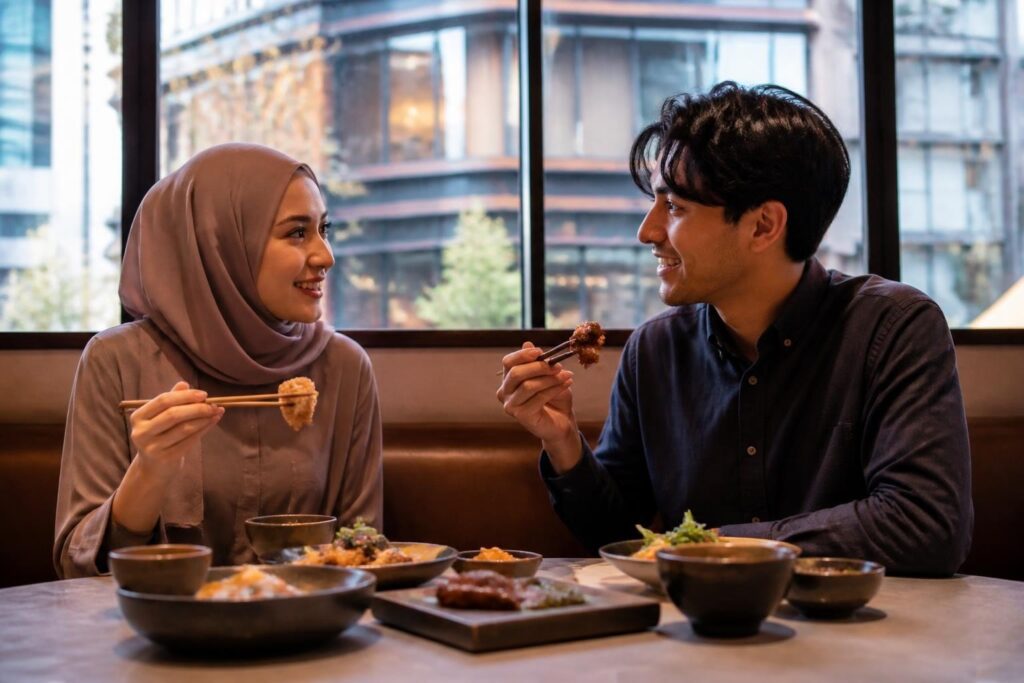
Finding a truly exceptional halal spot isn't just about convenience anymore. It's about discovering a place where faith-based dietary requirements meet culinary excellence, where certification means something real, and where every bite tells a story of dedication to both quality and principles. For Muslim travelers and residents alike, the search for that perfect dining destination has transformed from simply finding permitted food to seeking experiences that honor tradition while embracing the finest ingredients available. This journey becomes particularly meaningful when exploring global food destinations like Tokyo, where the intersection of Japanese culinary artistry and halal certification creates something extraordinary.
Understanding What Makes a Great Halal Spot
The foundation of any exceptional halal spot begins with legitimate certification. Not all restaurants claiming halal status operate under the same standards, and discerning diners know that authentic certification requires rigorous oversight and commitment.
The Certification Journey
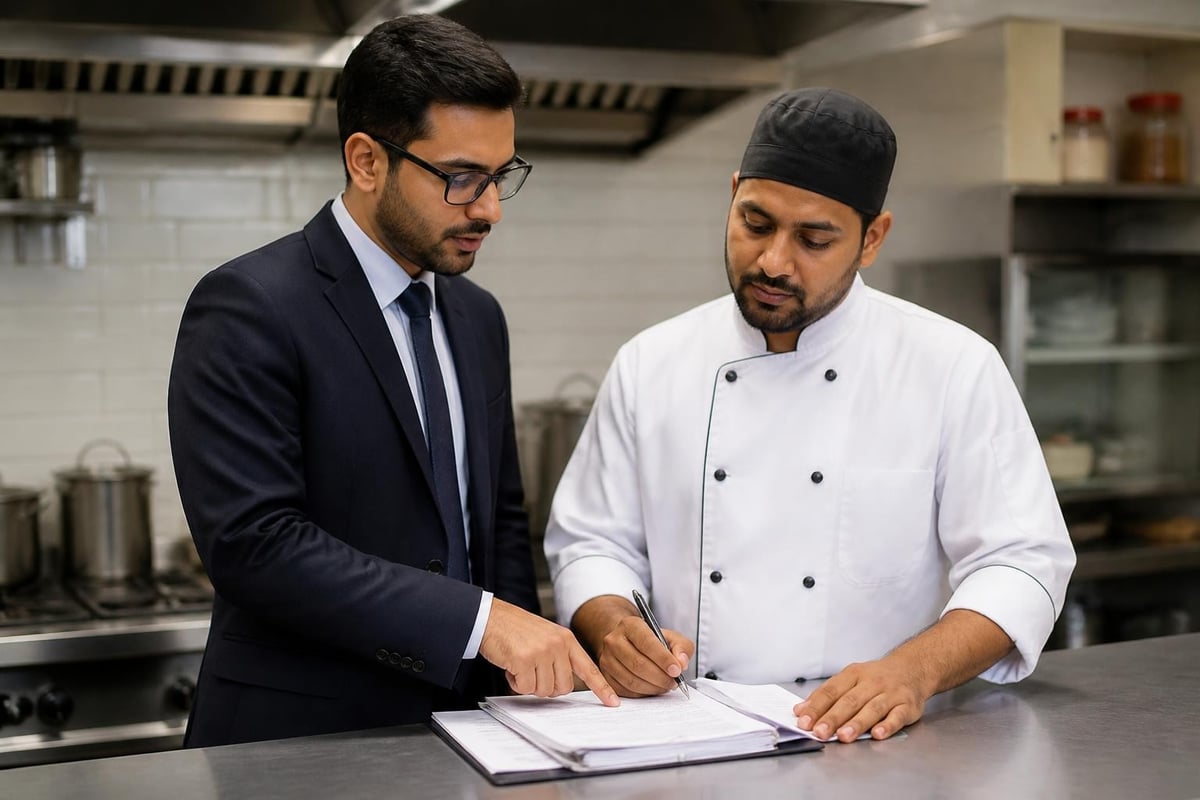
When a restaurant becomes a certified halal spot, they're making promises that extend far beyond their menu. The entire supply chain receives scrutiny, from sourcing ingredients to preparation methods and kitchen practices. This means separate utensils, dedicated cooking surfaces, and staff trained in halal compliance.
Key certification elements include:
- Third-party verification by recognized Islamic organizations
- Complete ingredient transparency and traceability
- Separation of halal and non-halal food preparation areas
- Regular audits and compliance checks
- Documentation of the entire supply chain
For premium ingredients like wagyu beef, understanding halal certification becomes even more complex, as producers must balance strict religious requirements with maintaining the exceptional quality that makes wagyu special.
Beyond Certification: The Trust Factor
A memorable halal spot builds trust through consistency and transparency. Diners want to see certificates displayed prominently, understand where ingredients come from, and feel confident asking questions about preparation methods.
The best establishments welcome inquiries. They understand that choosing a halal spot isn't just about dietary restrictions but represents a fundamental expression of faith and identity. This creates a relationship between restaurant and guest that goes deeper than typical dining experiences.
| Trust Building Element | Why It Matters | What to Look For |
|---|---|---|
| Visible Certification | Immediate confidence | Certificates from recognized bodies displayed at entrance |
| Staff Knowledge | Accurate information | Team members can explain sourcing and preparation |
| Supply Chain Transparency | Ingredient verification | Willingness to share supplier information |
| Community Reputation | Social proof | Positive reviews from Muslim diners |
The Premium Ingredient Difference
Not all halal spots are created equal when it comes to ingredient quality. The difference between a good restaurant and an unforgettable one often comes down to sourcing decisions that prioritize excellence alongside religious compliance.
Wagyu and Halal: A Remarkable Partnership
When you discover a halal spot offering genuine wagyu, you've found something special. The intensive marbling, buttery texture, and rich flavor of wagyu beef represents the pinnacle of cattle breeding. Combining this with halal certification requires extraordinary dedication.
The halal wagyu certification process ensures that even the most premium ingredients meet Islamic dietary laws. This means working with specific farms, controlling the entire processing chain, and maintaining standards that satisfy both Japanese quality expectations and halal requirements.
Premium wagyu grades at halal spots:
- A5 Wagyu – The highest grade possible, featuring exceptional marbling
- A4 Wagyu – Still excellent quality with impressive fat distribution
- Regional Varieties – Iga beef, Kobe beef, and other specialty breeds
Each variety brings unique characteristics to your plate. A truly exceptional halal spot doesn't just serve wagyu; they educate guests about these differences, helping diners appreciate what makes each cut special.
The Sourcing Challenge
Finding suppliers who can provide authentic halal wagyu represents one of the biggest challenges for any premium halal spot. Few farms in Japan have pursued halal certification, making these relationships precious and hard-won.
The commitment shows. When a restaurant invests in genuine halal wagyu partnerships, they're telling guests that compromising on quality isn't an option. They're saying that Muslim diners deserve the absolute best, not inferior alternatives disguised as premium products.
Location and Atmosphere: Finding Your Perfect Halal Spot
The physical setting of your chosen halal spot matters almost as much as what appears on the plate. Location influences accessibility, atmosphere shapes the experience, and ambiance determines whether a meal becomes a memory.
Strategic Location Choices
Areas with significant Muslim populations naturally attract halal spots, but some of the most interesting options appear in unexpected places. Tokyo's Asakusa district, for example, combines rich cultural heritage with modern dining options, creating a unique backdrop for exceptional meals.
When evaluating a halal spot's location, consider:
- Proximity to mosques and prayer facilities
- Accessibility via public transportation
- Surrounding attractions and activities
- Neighborhood character and safety
- Availability of other halal services nearby
Creating Welcoming Spaces
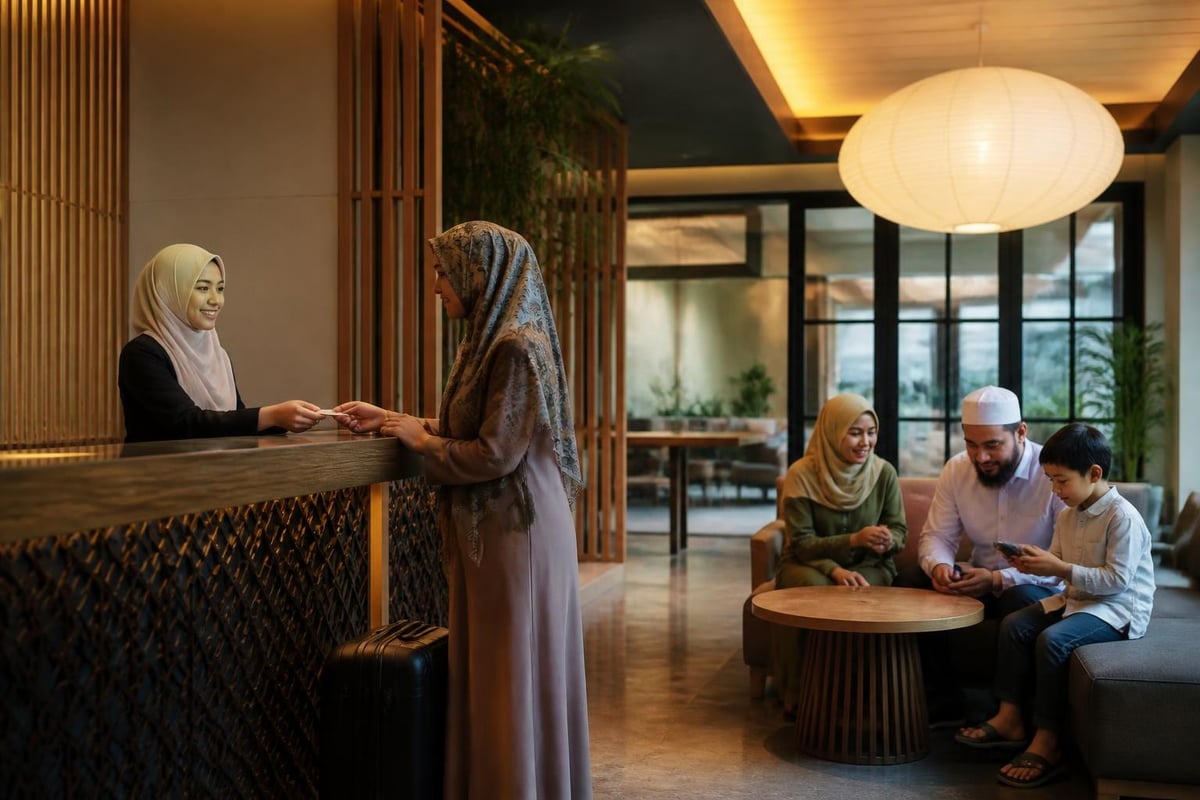
The best halal spot feels inclusive whether you're dining solo, with family, or celebrating with a large group. This requires thoughtful design decisions that accommodate different dining styles while maintaining an cohesive atmosphere.
Family-friendly features might include spacious seating arrangements, menu options for children, and a relaxed vibe that welcomes conversation and laughter. Solo travelers need comfortable bar seating or intimate table options where dining alone feels natural rather than awkward.
The Yakiniku Experience at a Halal Spot
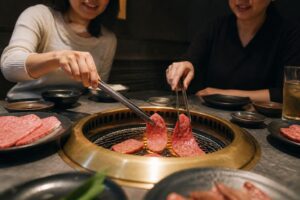
Yakiniku presents a unique opportunity within halal dining. This interactive cooking style turns meals into experiences, giving diners control over their food preparation while creating opportunities for connection and conversation.
Understanding Yakiniku Fundamentals
At its core, yakiniku means "grilled meat," but the practice encompasses much more than simple cooking. It represents Japanese hospitality, attention to detail, and the belief that freshness and quality need minimal interference to shine.
The yakiniku ritual includes:
- Selecting cuts from a diverse menu
- Grilling meat at your own pace on individual table grills
- Pairing different cuts with complementary sauces
- Balancing meat with vegetables and side dishes
- Creating a personalized dining rhythm
When you find a halal spot specializing in yakiniku, you discover this tradition adapted for Muslim diners without losing its essential character. The complete halal wagyu guide explains how different cuts respond to grilling, helping diners maximize their yakiniku experience.
The Theater of Table-Side Grilling
Something magical happens when diners control their own cooking. Conversation flows more naturally. Time slows down. The anticipation builds as meat sizzles and aromas fill the air.
A well-designed halal spot provides proper ventilation, responsive grills, and subtle guidance without being intrusive. Staff understand when to offer advice and when to step back, respecting the personal nature of the yakiniku experience.
| Cut Type | Recommended Cooking Time | Best Pairing | Why It Works |
|---|---|---|---|
| Ribeye | 30-45 seconds per side | Ponzu sauce | Fat content creates rich flavor |
| Sirloin | 20-30 seconds per side | Salt and pepper | Highlights natural taste |
| Tongue | 10-15 seconds per side | Lemon juice | Quick sear preserves texture |
| Short Rib | 45-60 seconds per side | Sweet soy glaze | Balances fatty richness |
Navigating the Menu at Your Halal Spot
Understanding menu terminology and making informed selections transforms a good meal into an exceptional one. Many halal spots offer extensive options, and knowing what to order requires some background knowledge.
Decoding Wagyu Varieties
When your chosen halal spot lists different wagyu types, they're offering distinct flavor profiles and textures. Regional varieties come from specific areas of Japan, each with unique breeding practices and feeding regimens.
Iga beef, for instance, comes from the Mie Prefecture and features slightly different marbling patterns than Kobe or Matsusaka beef. These subtle differences matter to enthusiasts, though all represent extraordinary quality when sourced properly.
The comprehensive halal wagyu beef guide breaks down these regional variations, helping diners understand what distinguishes one premium cut from another.
Beyond the Star Ingredients
While wagyu might be the headline attraction at a premium halal spot, the supporting players deserve attention too. Quality restaurants invest in excellent vegetables, rice, and accompaniments that complement rather than compete with the main event.
Look for:
- Seasonal vegetable offerings that reflect current availability
- House-made sauces and marinades
- Traditional Japanese side dishes adapted for halal compliance
- Carefully curated beverage selections
- Dessert options that complete the meal
The ability to balance a menu shows culinary sophistication. A great halal spot doesn't just focus on meat; they create a complete dining journey.
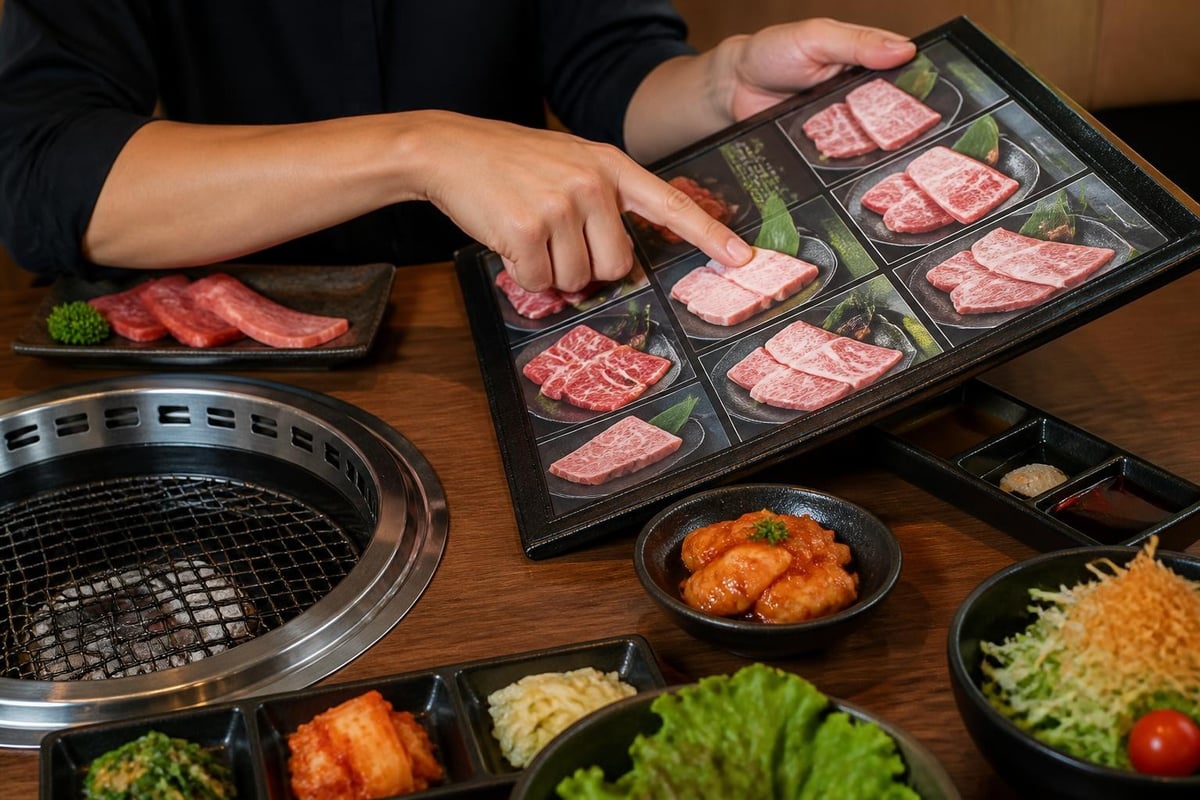
The Solo Traveler's Perspective
Finding a welcoming halal spot as a solo traveler presents unique challenges and rewards. The right restaurant makes dining alone feel comfortable rather than conspicuous, creating space for both reflection and connection.
Designing for One
Not every restaurant considers solo diners during the design phase, but the best ones do. Counter seating with views of the kitchen or grill provides entertainment. Smaller tables positioned strategically avoid the awkwardness of occupying space meant for groups.
Solo-friendly features include:
- Bar or counter seating with comfortable stools
- Single-portion menu options without penalties
- Staff who engage appropriately without hovering
- Reading material or entertainment options
- Efficient service that respects your schedule
A truly inclusive halal spot recognizes that Muslim travelers exploring Tokyo might be navigating the city alone. They deserve the same exceptional experience as larger parties, with service and atmosphere adjusted to their needs.
Building Community Through Food
Interestingly, the best halal spot for solo travelers often facilitates connections with other diners. Shared grills in yakiniku settings create natural conversation starters. Staff introductions and recommendations break the ice.
This delicate balance between privacy and community represents sophisticated hospitality. Reading each guest's needs and adjusting service accordingly separates adequate restaurants from memorable ones.
Quality Indicators Beyond the Plate
Experienced diners know that evaluating a halal spot extends beyond tasting the food. Subtle indicators reveal commitment to excellence and attention to detail that predict overall quality.
The Details That Matter
Watch how staff interact with each other and guests. Notice whether the restaurant stays clean throughout service, not just at opening. Observe if servers genuinely understand the menu or simply recite descriptions.
Temperature control tells a story. Meat should arrive at your table properly chilled, ready for grilling. Hot dishes should be genuinely hot. These basics reveal operational competence.
Quality checkpoints:
- Cleanliness of grills and cooking surfaces
- Freshness of vegetables and accompaniments
- Temperature consistency throughout the meal
- Staff responsiveness to questions and requests
- Atmosphere maintenance during busy periods
The Certification Display
How a halal spot presents their certification speaks volumes. Prominent, accessible display suggests pride and transparency. Hidden certificates or vague answers to certification questions raise red flags.
The most reputable establishments, like Japan’s certified halal Kobe beef providers, make verification effortless. They understand that trust forms the foundation of their relationship with Muslim diners.
Seasonal Considerations at Your Halal Spot
The best restaurants evolve with the seasons, adjusting menus to reflect ingredient availability and changing palates. Your favorite halal spot should demonstrate this awareness, creating reasons to return throughout the year.
Spring and Summer Offerings
Lighter cuts and increased vegetable options characterize warm-weather menus. Grilling becomes especially appealing when paired with refreshing sides and citrus-based sauces that cut through rich flavors.
Spring brings fresh bamboo shoots, young greens, and delicate flavors. Summer demands cooling elements and bright presentations that appeal despite the heat.
Autumn and Winter Warmth
Colder months call for richer cuts, hearty sides, and warming soups. The comfort of gathering around a warm grill takes on new significance during Tokyo's winter season.
A sophisticated halal spot adjusts not just ingredients but also atmosphere, creating cozy spaces that invite lingering over meals and conversation.
| Season | Featured Ingredients | Recommended Cuts | Atmosphere Notes |
|---|---|---|---|
| Spring | Asparagus, bamboo shoots | Lean sirloin, tongue | Light, fresh, renewal-focused |
| Summer | Eggplant, peppers | Thin-sliced ribeye | Bright, energetic, cooling elements |
| Autumn | Mushrooms, root vegetables | Short ribs, chuck | Warming, abundant, harvest themes |
| Winter | Napa cabbage, daikon | Premium marbled cuts | Cozy, intimate, comfort-focused |
The Technology Behind Authentication
Modern halal spots increasingly use technology to verify authenticity and maintain standards. From blockchain-tracked supply chains to near-infrared spectroscopy for meat classification, innovation supports traditional certification methods.
Traceability Systems
Premium halal spots can trace their wagyu from specific farms through processing to your plate. This level of documentation protects both restaurant and diner, ensuring compliance and quality at every step.
Digital systems track lot numbers, processing dates, and certification documentation. Some establishments share this information with diners, building confidence through radical transparency.
Quality Verification
Beyond religious compliance, technology helps verify that A5 wagyu is genuinely A5, that regional varieties come from claimed sources, and that handling maintains quality standards.
These systems represent significant investment, signaling a halal spot's commitment to excellence. They're not necessary for basic halal compliance but demonstrate dedication to premium quality.
The Global Context of Halal Dining
Understanding your local halal spot benefits from broader perspective on how halal dining evolves globally. Tokyo's offerings exist within a worldwide movement toward greater accommodation and culinary sophistication.
International Standards and Local Adaptation
Halal certification varies by country and certifying body. What's acceptable in one region might face scrutiny in another. The best halal spot navigates these complexities, often seeking multiple certifications to serve diverse Muslim communities.
Japanese halal restaurants face unique challenges balancing local ingredients and traditional preparation methods with Islamic requirements. Success requires creativity and commitment, as seen in establishments offering authentic Japanese halal wagyu to international markets.
The Rising Tide of Quality
Global demand for halal products drives improvement across the industry. As Muslim consumers demonstrate willingness to pay for quality, more premium suppliers pursue certification. This benefits everyone, expanding options and raising standards.
Your neighborhood halal spot today offers choices that would have seemed impossible a decade ago. This progression continues, promising even better experiences ahead.
Practical Tips for First-Time Visitors
Approaching a new halal spot, especially one featuring unfamiliar cuisine like yakiniku, can feel intimidating. These practical strategies help first-timers navigate confidently and enjoy fully.
Reservation Considerations
Popular halal spots fill quickly, particularly during peak hours and weekends. Making reservations demonstrates respect for the restaurant's capacity and ensures you're not disappointed.
When booking, mention any specific needs: large party sizes, time constraints, dietary restrictions beyond halal requirements. Good restaurants appreciate advance notice and prepare accordingly.
Ordering Strategy
Start with a sampler or chef's selection if available. This provides variety without overwhelming decision-making. Experienced staff at quality establishments guide orders based on party size and preferences.
Smart ordering approach:
- Begin with one or two premium cuts to appreciate quality
- Add variety with different textures and fat levels
- Include vegetables to balance richness
- Save adventurous items for second rounds
- Don't over-order initially; you can always add more
Timing Your Visit
Different times offer different experiences at the same halal spot. Lunch service might feature set menus with better value. Dinner creates more leisurely pacing. Weekday visits mean smaller crowds and more staff attention.
Consider what you value most when choosing your timing. Budget-conscious diners find better deals during lunch. Experience seekers might prefer the full evening service with complete menu access.
Building Relationships with Your Halal Spot
The most rewarding dining experiences come from becoming a regular at exceptional restaurants. Building relationships transforms transactions into connections and meals into traditions.
The Regular's Advantages
Staff at your favorite halal spot begin recognizing preferences, suggesting new items based on past orders, and perhaps holding back special cuts or limited offerings. These relationships develop naturally through consistent patronage and genuine appreciation.
Being a valued regular doesn't require spending extravagantly. It requires showing up, treating staff with respect, and demonstrating genuine interest in what the restaurant offers.
Providing Meaningful Feedback
Quality establishments want honest feedback. When something impresses you, say so specifically. When issues arise, address them constructively. This dialogue helps restaurants improve while strengthening your relationship.
Reviews and social media posts extend this feedback publicly, helping other Muslim diners discover worthwhile halal spots while supporting establishments that deserve recognition.
The Economic Reality of Premium Halal Dining
Understanding the economics behind your favorite halal spot provides context for pricing and helps diners appreciate the value they receive.
The Certification Cost
Halal certification isn't free. Restaurants pay for initial audits, ongoing inspections, and certification renewals. They invest in staff training, specialized equipment, and separate storage. These costs appear in menu pricing but represent essential investments in authenticity.
Premium ingredients add another layer. Halal wagyu from certified sources commands higher prices than conventional beef due to limited supply and specialized processing requirements.
Value Beyond Price
The best halal spot offers value that transcends cost-per-gram calculations. You're paying for:
- Peace of mind about religious compliance
- Access to exceptional ingredients rarely available elsewhere
- Expertise in sourcing and preparation
- Ambiance and atmosphere that enhance enjoyment
- Service that makes you feel valued
When considered holistically, premium halal dining represents reasonable value for Muslim diners seeking quality experiences without compromising principles.
The Future of Halal Spots
Looking ahead, the trajectory for halal dining points toward increasing sophistication, broader availability, and continued innovation. Understanding these trends helps diners anticipate what's coming and support positive developments.
Expanding Options
More restaurants across Tokyo and globally pursue halal certification as they recognize Muslim consumers' purchasing power and dining standards. This expansion benefits everyone through increased competition and improved quality.
The next generation of halal spots will likely feature more diverse cuisines, innovative fusion concepts, and premium ingredients that currently seem exotic. Today's exceptional becomes tomorrow's expected.
Technology Integration
Expect increasing use of digital verification systems, allowing instant confirmation of certification status and ingredient sourcing through smartphone apps. Some establishments might offer virtual tours of their facilities or livestream their kitchens, building trust through transparency.
Sustainability Focus
Environmental consciousness grows among all diners, including Muslims seeking halal options. Future halal spots will likely emphasize sustainable sourcing, ethical treatment beyond religious requirements, and environmental responsibility.
This evolution promises exciting developments while maintaining the core principles that make halal certification meaningful. The halal spot of 2026 offers more sophistication and transparency than ever before, with further improvements on the horizon.
Finding an authentic halal spot that combines certification integrity with culinary excellence creates dining experiences that nourish both body and soul. Whether you're seeking premium wagyu, cultural immersion, or simply a meal that respects your values, the right restaurant makes all the difference. Experience the perfect balance of Japanese culinary tradition and halal certification at Ninja Yakiniku, where A5 Wagyu and Iga beef meet authentic halal standards in the heart of Asakusa, creating memories that extend far beyond the meal itself.