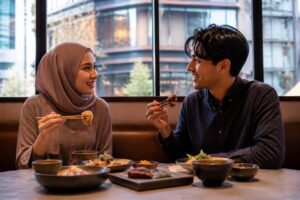
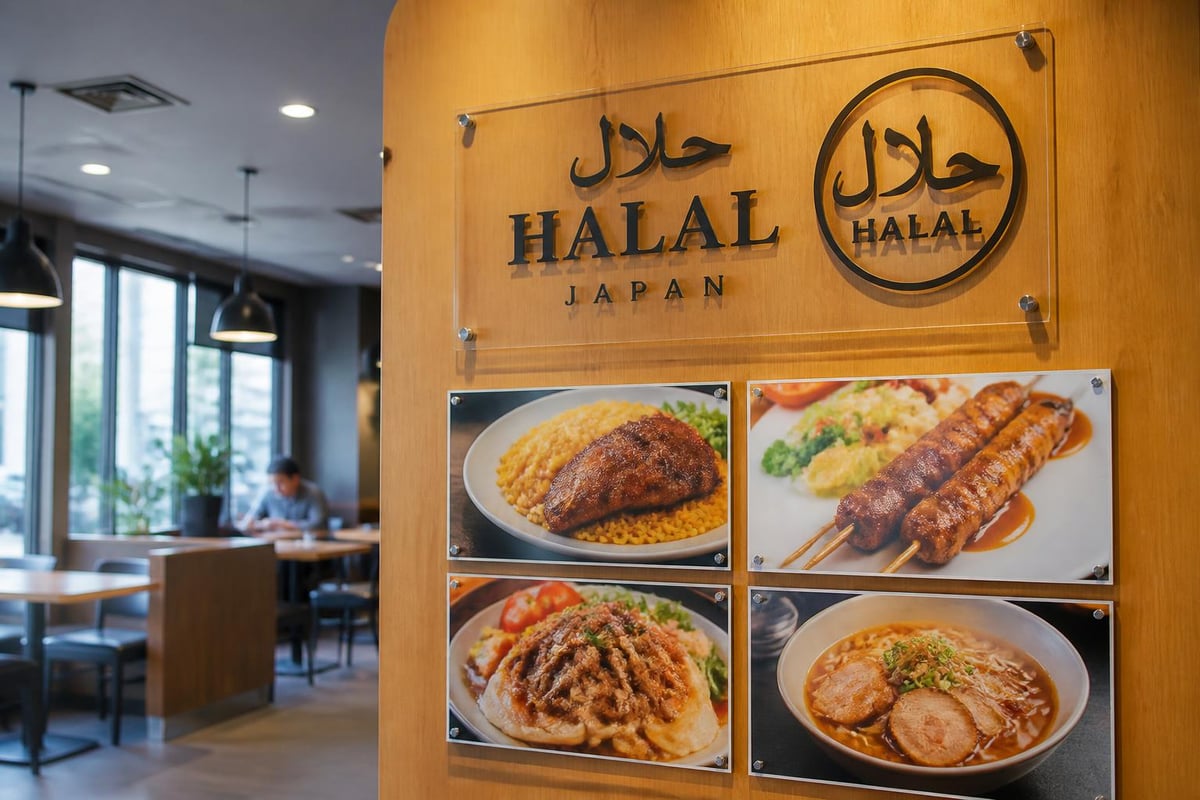
Tokyo's dining landscape has transformed dramatically over the past decade, with halal food in Tokyo Japan becoming increasingly accessible to Muslim travelers and residents. The city now hosts hundreds of halal-certified restaurants, grocery stores, and prayer facilities, making it one of Asia's most welcoming destinations for Muslim visitors. From traditional Japanese cuisine adapted to halal standards to authentic Middle Eastern fare, Tokyo offers diverse options that respect Islamic dietary laws while showcasing the city's culinary excellence.
Understanding Halal Certification in Tokyo
The foundation of finding authentic halal food in Tokyo Japan starts with understanding certification standards. Japanese halal certification operates through several recognized bodies, including the Japan Halal Foundation and the Nippon Asia Halal Association. These organizations ensure restaurants and food producers meet strict Islamic dietary requirements.
Key certification standards include:
- Complete separation of halal and non-halal ingredients
- Use of halal-certified meat from approved slaughterhouses
- Elimination of alcohol-based cooking ingredients
- Prevention of cross-contamination during preparation
- Regular audits and compliance checks
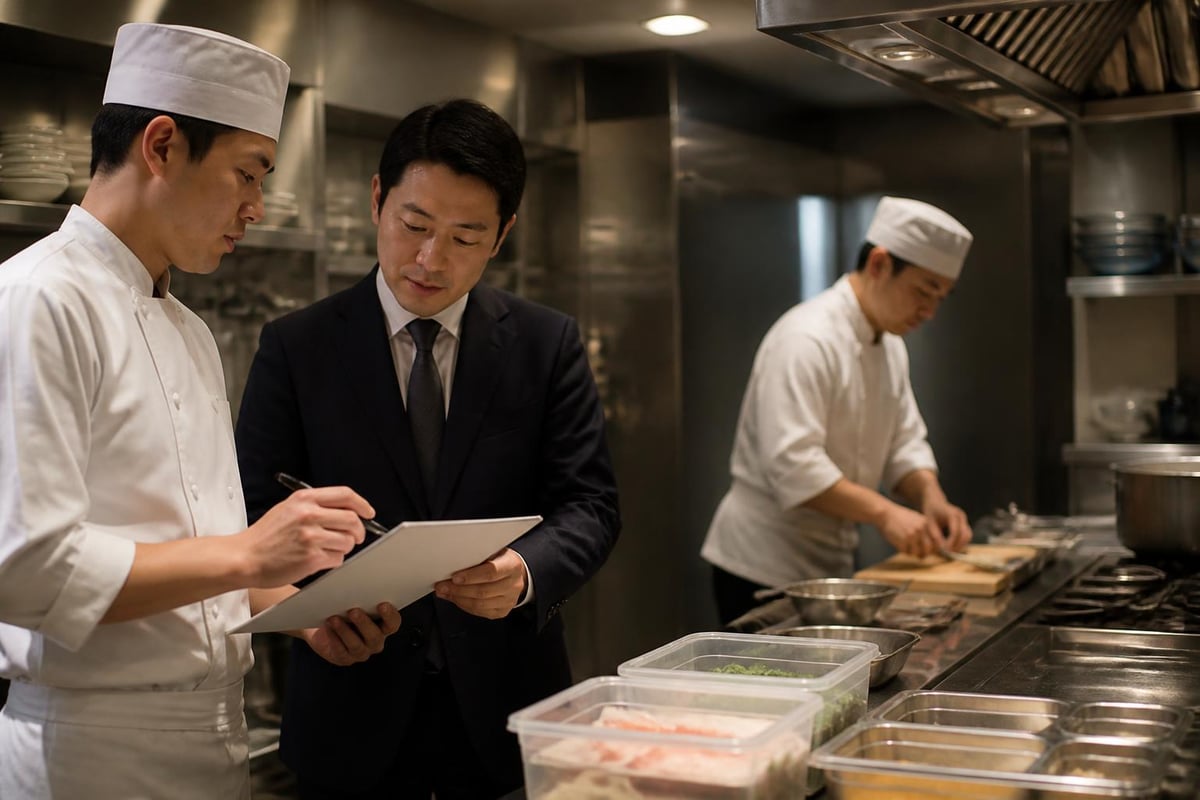
The halal certification process in Japan has become more rigorous over time, giving Muslim diners confidence in certified establishments. Many restaurants display their certification prominently, and staff members receive training on halal requirements and customer needs.
Hidden Ingredients to Watch For
Even when dining at establishments claiming to serve halal food, awareness of common non-halal ingredients in Japanese cuisine remains essential. Mirin and sake feature in many traditional recipes, while some soy sauces contain alcohol during fermentation. Dashi stock often includes fish products that may not meet halal standards depending on interpretation.
| Ingredient | Common Use | Halal Alternative |
|---|---|---|
| Mirin | Teriyaki, glazes | Halal mirin substitute |
| Sake | Marinades, cooking | Halal cooking wine |
| Traditional Dashi | Soup base | Kombu-only dashi |
| Some Soy Sauce | Seasoning | Halal-certified soy sauce |
Top Halal Dining Districts in Tokyo
Tokyo's halal food scene concentrates in specific neighborhoods, each offering unique dining experiences. Understanding these districts helps visitors and residents maximize their culinary exploration while maintaining dietary compliance.
Asakusa: Traditional Meets Halal
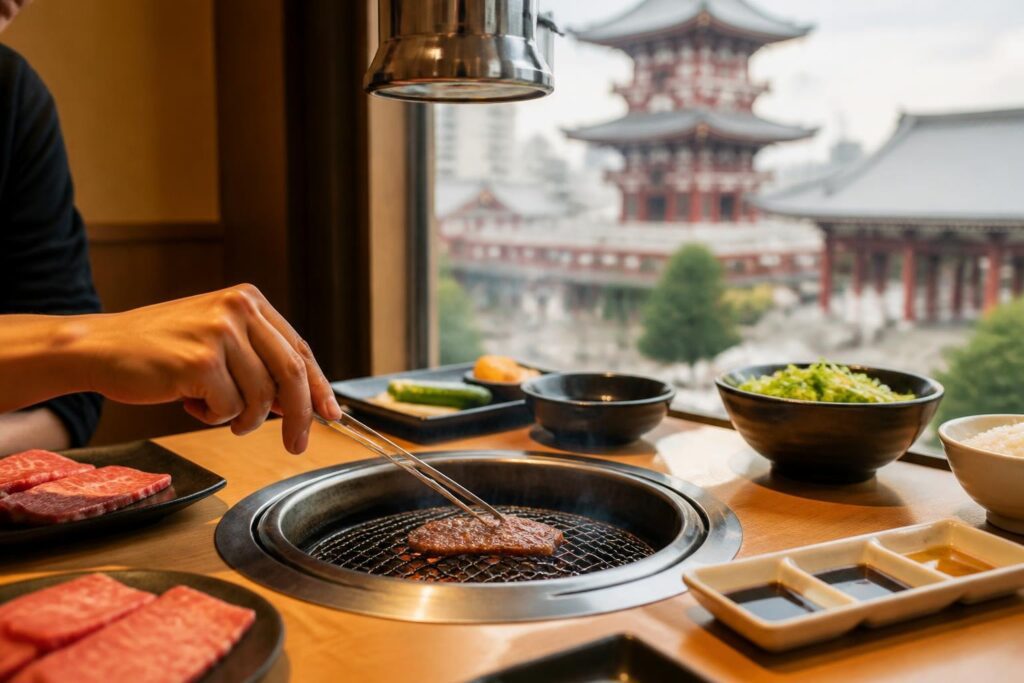
Asakusa stands as one of Tokyo's most accessible areas for halal food in Tokyo Japan. This historic district combines cultural attractions with excellent halal dining options. The neighborhood's proximity to Senso-ji Temple makes it a natural gathering point for international visitors seeking both cultural experiences and halal meals.
The area hosts several premium yakiniku establishments that serve halal-certified wagyu beef. These restaurants have invested significantly in separate preparation areas and halal-certified supply chains. Traditional Japanese hospitality blends seamlessly with Islamic dietary requirements in these establishments.
Shinjuku and Shibuya: Modern Halal Options
Central Tokyo's bustling districts have embraced halal dining with enthusiasm. Shinjuku features numerous halal restaurants ranging from fast-casual to fine dining. The area's international character supports diverse halal options including Turkish, Indian, Pakistani, and Japanese cuisine.
Shibuya follows suit with trendy halal cafes and restaurants catering to younger demographics. These establishments often combine Instagram-worthy presentations with authentic halal preparations, appealing to both Muslim and non-Muslim diners interested in quality cuisine.
Types of Halal Restaurants Available
The variety of halal food in Tokyo Japan extends far beyond Middle Eastern restaurants. Understanding available options helps diners choose experiences matching their preferences and occasions.
Premium Halal Yakiniku Experiences
Yakiniku represents one of Japan's most beloved dining styles, and several establishments now offer halal-certified versions. These restaurants specialize in high-quality Japanese beef, including A5 wagyu and regional varieties like Iga beef. The grilling experience remains unchanged, but ingredient sourcing and preparation follow strict halal protocols.
What to expect at halal yakiniku restaurants:
- Table-side grilling with personal burners
- Premium cuts including short rib, sirloin, and tongue
- Halal-certified sauces and marinades
- Side dishes made without alcohol or pork products
- Knowledgeable staff explaining each cut
Premium establishments invest in complete kitchen separation and staff training. Some restaurants earn certification from multiple halal bodies, demonstrating their commitment to authentic halal standards while maintaining Japanese quality expectations.
Casual and Fast-Food Options
Not every meal requires fine dining, and Tokyo accommodates this reality with numerous casual halal options. The comprehensive halal restaurant directory shows over 400 establishments ranging from quick service to upscale dining.
Halal ramen shops have proliferated across Tokyo, offering Muslim-friendly versions of Japan's beloved noodle soup. These establishments use halal-certified chicken or beef broth instead of traditional pork-based tonkotsu. The experience closely mirrors conventional ramen shops, with rich flavors and customization options.
Turkish kebab shops dot the city, particularly near train stations and entertainment districts. These establishments provide reliable, affordable halal options for travelers on tight schedules or budgets.
Navigating Halal Grocery Shopping
Preparing meals at home or stocking hotel rooms with snacks requires access to halal groceries. Tokyo's halal grocery store network includes 53 locations across various neighborhoods, making ingredient sourcing relatively straightforward.
Major Halal Supermarkets
Several large-format halal supermarkets cater to Tokyo's Muslim community. These stores stock ingredients from Southeast Asia, the Middle East, and South Asia, alongside Japanese products with halal certification. Fresh halal meat, frozen items, and pantry staples fill their shelves.
| Store Type | Product Range | Typical Location |
|---|---|---|
| Large Supermarkets | Complete groceries | Suburban areas |
| Specialty Shops | Regional products | Urban centers |
| Convenience Additions | Limited selection | Near mosques |
Many conventional Japanese supermarkets now feature halal sections, recognizing the growing market demand. These sections typically include imported items alongside domestically produced halal-certified products.
Reading Japanese Labels
Understanding Japanese food labels helps identify suitable products even without explicit halal certification. Ingredients lists follow standardized formats, and several smartphone applications now offer translation and halal verification features.
Common Japanese terms to recognize include "buta" (pork), "sake" (alcohol), and "mirin" (sweet cooking wine). Products marked "Muslim-friendly" may not carry formal certification but indicate manufacturers' awareness of halal requirements.
Prayer Facilities and Mosques
Maintaining religious observances while enjoying halal food in Tokyo Japan requires knowledge of prayer facilities. The city hosts 18 mosques across various districts, many located near popular dining areas.
Major mosque locations include:
- Tokyo Camii and Turkish Culture Center (Yoyogi)
- Otsuka Mosque (Toshima)
- Masjid Ebina (Southwest Tokyo)
- Islamic Center Japan (Meguro)
These facilities welcome visitors for daily prayers and Friday services. Many offer additional resources including halal restaurant recommendations, community events, and cultural exchange programs. Prayer rooms also exist in major shopping centers and airports, demonstrating Tokyo's commitment to religious accommodation.
Regional Variations in Halal Offerings
While halal food in Tokyo Japan centers in the metropolitan area, understanding regional differences helps visitors plan comprehensive trips. Each district offers unique characteristics and specialties.
Eastern Tokyo Districts
Areas like Ueno and Asakusa combine tourist attractions with practical halal dining. Traditional Japanese cuisine adapted for halal diets thrives in these neighborhoods, where restaurants balance cultural authenticity with religious requirements.
Eastern districts tend toward traditional Japanese establishments that have pursued halal certification. These restaurants often maintain family-friendly atmospheres and welcome solo travelers, making them accessible to diverse visitor types.
Western and Southern Areas
Shinjuku, Shibuya, and Harajuku represent Tokyo's modern face, with halal options reflecting international influences. These areas host fusion restaurants, trendy cafes, and contemporary interpretations of traditional dishes.
Southern areas like Shinagawa cater to business travelers, offering quick halal lunches and upscale dinner options near hotels and conference centers. The concentration of international corporations in these districts has driven demand for diverse halal choices.
Seasonal Considerations for Halal Dining
Tokyo's culinary calendar follows distinct seasons, and halal restaurants participate in these traditions. Understanding seasonal variations enhances the dining experience and helps visitors choose optimal travel times.
Spring and Summer Options
Cherry blossom season (March-April) brings special menus featuring seasonal vegetables and lighter preparations. Halal restaurants adapt traditional spring dishes, offering halal-certified versions of tempura with spring vegetables and fresh fish preparations.
Summer dining emphasizes cool dishes and outdoor seating. Halal soba and udon shops serve chilled noodles, while yakiniku restaurants enhance ventilation systems for comfortable warm-weather grilling. Festival seasons bring halal food stalls to major events, though availability varies by location.
Autumn and Winter Specialties
Autumn showcases mushrooms, chestnuts, and seasonal fish in halal preparations. Restaurants create special courses highlighting these ingredients within halal parameters. Winter brings hot pot dining, with halal versions of sukiyaki and shabu-shabu becoming increasingly available.
Year-end celebrations and New Year holidays require advance reservations at popular halal establishments. Many restaurants offer special kaiseki-style courses adapted for halal requirements, combining Japanese culinary artistry with Islamic dietary laws.
Technology and Apps for Finding Halal Food
Digital tools have revolutionized how visitors locate halal food in Tokyo Japan. Multiple smartphone applications, websites, and mapping services now specialize in halal dining discovery.
Essential Apps and Websites
The comprehensive halal food guide recommends several digital resources. HalalNavi and Halal Gourmet Japan applications offer real-time location-based searches, user reviews, and certification verification. These tools include English interfaces and mapping integration.
Google Maps has improved halal restaurant coverage significantly, with many establishments displaying halal certification in their profiles. User reviews increasingly mention halal authenticity and certification details, helping diners make informed choices.
Emerging Technologies
Recent technological developments include automated halal verification systems that scan ingredient labels and provide instant halal status assessments. While still emerging, these tools show promise for simplifying dietary compliance verification.
QR code menus have proliferated post-pandemic, with many halal restaurants offering multi-language digital menus that detail ingredients and preparation methods. This transparency helps diners verify halal status and accommodate additional dietary restrictions.
Cultural Etiquette at Halal Restaurants
Understanding Japanese dining customs enhances halal food experiences in Tokyo. While halal restaurants accommodate Muslim diners, they remain fundamentally Japanese establishments with local customs and expectations.
Reservation and Seating Practices
Popular halal restaurants, particularly premium yakiniku establishments, require advance reservations. Booking through phone calls works best, though some accept online reservations through third-party platforms. Specifying halal requirements during booking ensures proper preparation.
Standard dining etiquette includes:
- Removing shoes when entering traditional-style restaurants
- Using the provided wet towel (oshibori) before meals
- Saying "itadakimasu" before eating
- Avoiding waste by finishing ordered dishes
- Paying at the register rather than table-side
Group dining remains common in Japanese culture, and halal yakiniku particularly suits shared experiences. However, solo diners receive equal hospitality, with counter seating and individual portions available.
Tipping and Payment Customs
Japan maintains a no-tipping culture, and this applies equally to halal establishments. Service charges are included in menu prices, and offering tips may cause confusion or offense. Express appreciation through words rather than additional payment.
Most halal restaurants accept cash and credit cards, though smaller establishments may prefer cash. Mobile payment systems like PayPay have gained acceptance, offering convenient alternatives to traditional payment methods.
Planning Multi-Day Halal Dining Itineraries
Extended Tokyo visits benefit from strategic halal dining planning. The extensive halal restaurant and grocery resources available in 2026 make week-long or longer stays comfortable for Muslim travelers.
Balancing Restaurant Types
Varying dining experiences prevents monotony while showcasing Tokyo's halal diversity. Alternate between premium yakiniku dinners, casual lunch spots, and ethnic restaurants representing different Muslim-majority cultures. This approach provides both culinary variety and budget balance.
Morning meals pose challenges since traditional Japanese breakfasts often include non-halal elements. Halal hotels increasingly offer compliant breakfast options, or visitors can stock hotel rooms with groceries from halal supermarkets. Many neighborhoods also host halal bakeries and cafes suitable for breakfast.
Geographic Clustering
Organizing days by district maximizes efficiency and minimizes transit time. Combine halal dining with nearby attractions, creating logical daily itineraries. For example, pair Asakusa temple visits with the area's halal yakiniku options, or explore Shibuya's shopping alongside its trendy halal cafes.
Transit considerations matter in Tokyo's extensive city. While trains connect most areas efficiently, carrying groceries or traveling during rush hours requires planning. Selecting hotels near halal restaurant concentrations and mosques simplifies daily logistics.
Special Dietary Accommodations Beyond Halal
Many seeking halal food in Tokyo Japan maintain additional dietary requirements. Understanding how Tokyo's halal restaurants handle these needs helps diverse diners find suitable options.
Allergies and Vegetarian Preferences
Communicating allergies in Japanese restaurants requires preparation. Many halal establishments provide English menus noting common allergens, and staff increasingly understand terms like "gluten-free" and "vegetarian." Pre-printed cards explaining restrictions in Japanese prove helpful at smaller establishments.
Vegetarian Muslims find Tokyo accommodating, with numerous halal restaurants offering substantial vegetable-based options. Indian and Middle Eastern halal restaurants naturally provide extensive vegetarian selections, while Japanese establishments increasingly recognize plant-based diet popularity.
Children and Family Dining
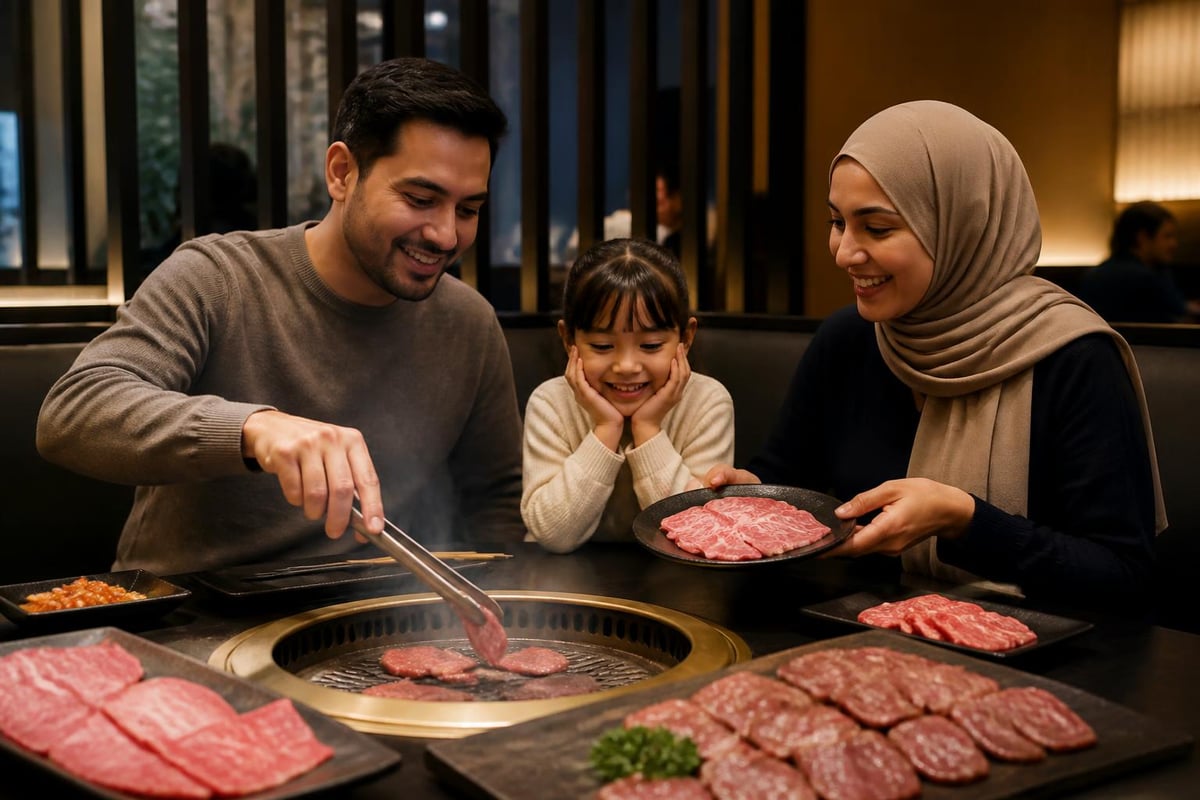
Family-friendly halal restaurants welcome children with high chairs, child portions, and accommodating attitudes. Ninja Yakiniku exemplifies this approach, creating environments where families can enjoy premium halal yakiniku comfortably together.
Children's menus at halal restaurants often include familiar items like rice bowls, noodles, and grilled meats in smaller portions. The interactive nature of yakiniku particularly engages young diners, who can participate in cooking their meals under supervision.
Cost Considerations and Budgeting
Halal food in Tokyo Japan spans wide price ranges, from economical to luxury experiences. Understanding cost structures helps visitors budget appropriately while accessing desired dining experiences.
Price Tiers Explained
| Dining Level | Price per Person (JPY) | Typical Experience |
|---|---|---|
| Budget | 800-1,500 | Kebab shops, curry houses |
| Mid-range | 2,000-4,000 | Casual halal restaurants |
| Premium | 5,000-10,000 | High-quality yakiniku |
| Luxury | 10,000+ | Multi-course kaiseki-style |
Premium halal yakiniku restaurants justify higher costs through exceptional meat quality, comprehensive certification processes, and attentive service. A5 wagyu and specialized regional beef varieties command premium prices regardless of halal status, with halal certification adding minimal cost overhead.
Budget-conscious travelers can balance experiences by mixing price tiers throughout their stay. Lunch sets (teishoku) at halal restaurants typically cost 30-50% less than dinner while maintaining quality standards. This approach allows sampling premium establishments affordably.
Value Optimization Strategies
Advance research identifies restaurants offering exceptional value propositions. Some premium establishments provide lunch courses featuring similar ingredients and preparation quality as dinner at reduced prices. All-you-can-eat halal yakiniku options exist, though quality varies significantly.
Grocery shopping for some meals substantially reduces overall food costs. Preparing hotel room breakfasts and occasional lunches using halal supermarket ingredients frees budget for memorable dinner experiences at certified restaurants.
Navigating halal food in Tokyo Japan has never been more accessible, with hundreds of certified restaurants, comprehensive grocery networks, and supportive infrastructure welcoming Muslim visitors and residents throughout 2026. From casual kebab shops to premium dining experiences, the city offers options respecting Islamic dietary laws while showcasing Japanese culinary excellence. Whether you're planning a short visit or extended stay, Tokyo's halal food scene provides the variety, quality, and authenticity needed for comfortable, delicious dining experiences. For those seeking an exceptional halal yakiniku experience in Asakusa, Ninja Yakiniku offers A5 wagyu and Iga beef in a welcoming environment perfect for families and solo travelers alike.