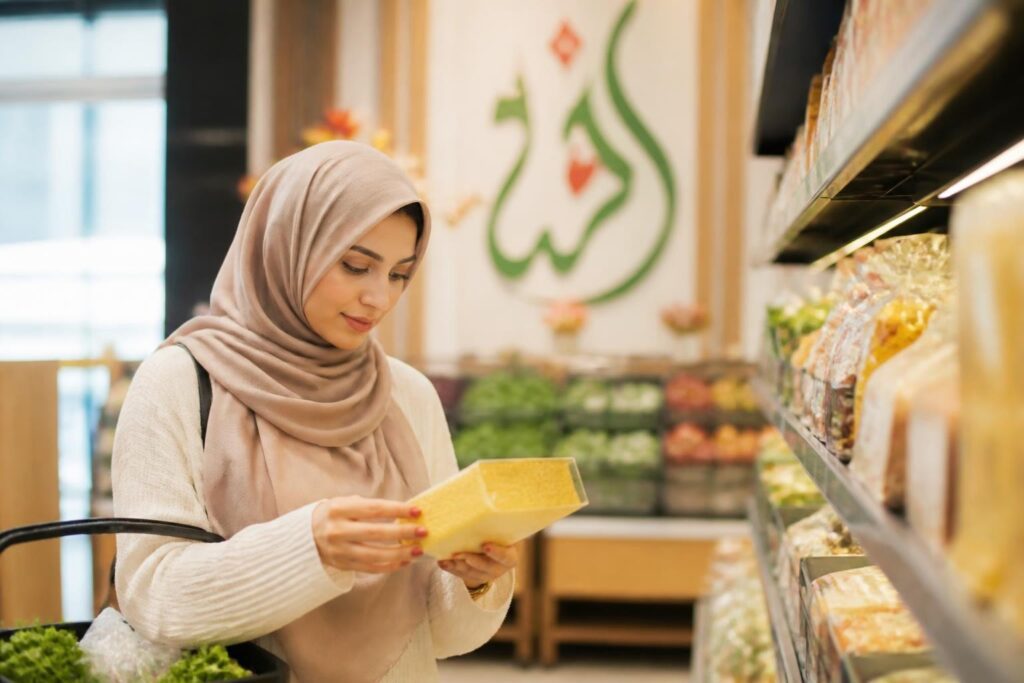
Finding halal shops nearby has transformed from a challenge into an adventure filled with discovery. Whether you're new to halal dining or a longtime enthusiast, the landscape has changed dramatically over the past few years. I remember my first experience searching for halal options in an unfamiliar city, fumbling with my phone and hoping the results would lead me somewhere authentic. Today, that journey has become smoother, but understanding what makes a truly exceptional halal shop still requires some insider knowledge.
The halal food market continues its remarkable expansion across North America. According to recent projections, the North American halal food market is expected to surpass $226 billion by 2033, driven by increasing demand from both Muslim and non-Muslim consumers who value ethical sourcing and quality.
Understanding What Makes Halal Shops Authentic
The foundation of any legitimate halal establishment rests on proper certification. Not all halal shops nearby operate under the same standards, which creates confusion for consumers seeking authentic options.
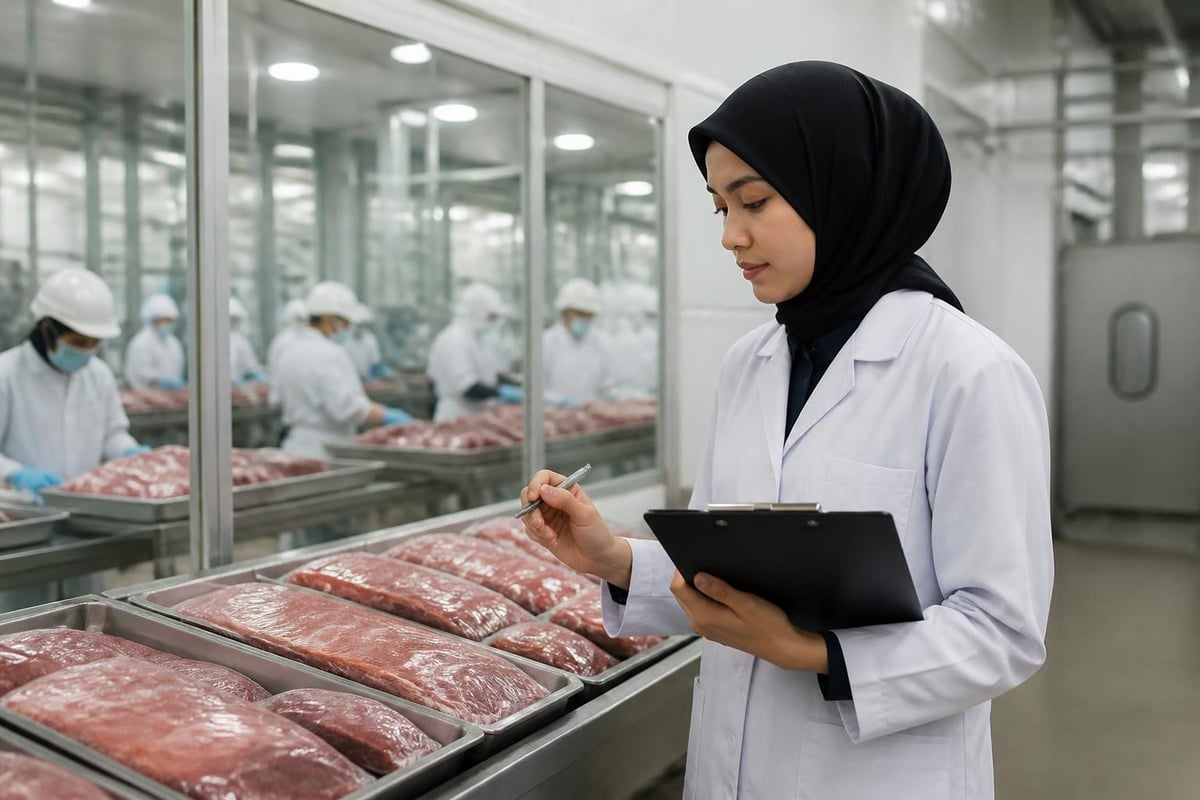
Certification serves as your compass when navigating the halal marketplace. The halal certification process in the United States involves rigorous verification by authorized bodies that ensure compliance with Islamic dietary laws. These organizations inspect everything from sourcing to preparation methods.
The Core Certification Bodies You Should Know
Different certifying organizations maintain varying standards and recognition levels. Here's what separates the trusted names from the rest:
- IFANCA (Islamic Food and Nutrition Council of America) maintains international recognition
- HFA (Halal Food Authority) focuses on comprehensive supply chain verification
- ISA (Islamic Services of America) specializes in food processing and manufacturing
- Local Islamic centers often provide certification for smaller operations
| Certification Aspect | What To Look For | Red Flags |
|---|---|---|
| Display Certificate | Visible, current, with clear expiration date | Hidden or outdated documents |
| Certifying Body | Recognized organization name and logo | Vague or unknown certifiers |
| Certificate Details | Specific products/services covered | Generic "halal certified" claims |
| Renewal Date | Updated within the year | Expired or no date shown |
Understanding these certifications helps you make informed choices when selecting halal shops nearby. The verification process ensures that every step, from slaughter to serving, follows prescribed guidelines.
Technology Transforms How We Find Halal Options
The digital revolution has fundamentally changed our ability to locate quality halal establishments. Gone are the days of relying solely on word-of-mouth or driving around hoping to spot a halal sign.
Mobile apps and online platforms now aggregate information about halal shops nearby with unprecedented accuracy. These tools consider factors beyond simple location.
Modern Search Strategies That Work
Finding exceptional halal options requires more than typing "halal" into a search engine. The most successful searches combine multiple approaches:
- Use specialized halal food apps that verify establishments independently
- Check Google Maps reviews from verified halal consumers
- Join local Muslim community social media groups for recommendations
- Follow halal food bloggers and influencers in your region
- Consult restaurant aggregators with halal filters
The difference between adequate and outstanding halal shops nearby often comes down to details these platforms reveal. Reviews mentioning specific dishes, preparation methods, or ingredient sourcing provide valuable intelligence.
Community recommendations carry particular weight. When someone describes their experience with phrases like "authentic preparation" or "reminds me of home," you've likely found something special.
What Sets Premium Halal Establishments Apart
Quality varies dramatically across halal shops nearby. Some meet minimum certification requirements while others elevate the entire experience through careful attention to sourcing and preparation.
Premium halal establishments distinguish themselves through ingredient selection and culinary expertise. They don't simply offer halal options as an afterthought but build their entire identity around exceptional halal cuisine.
The Wagyu Difference in Halal Dining
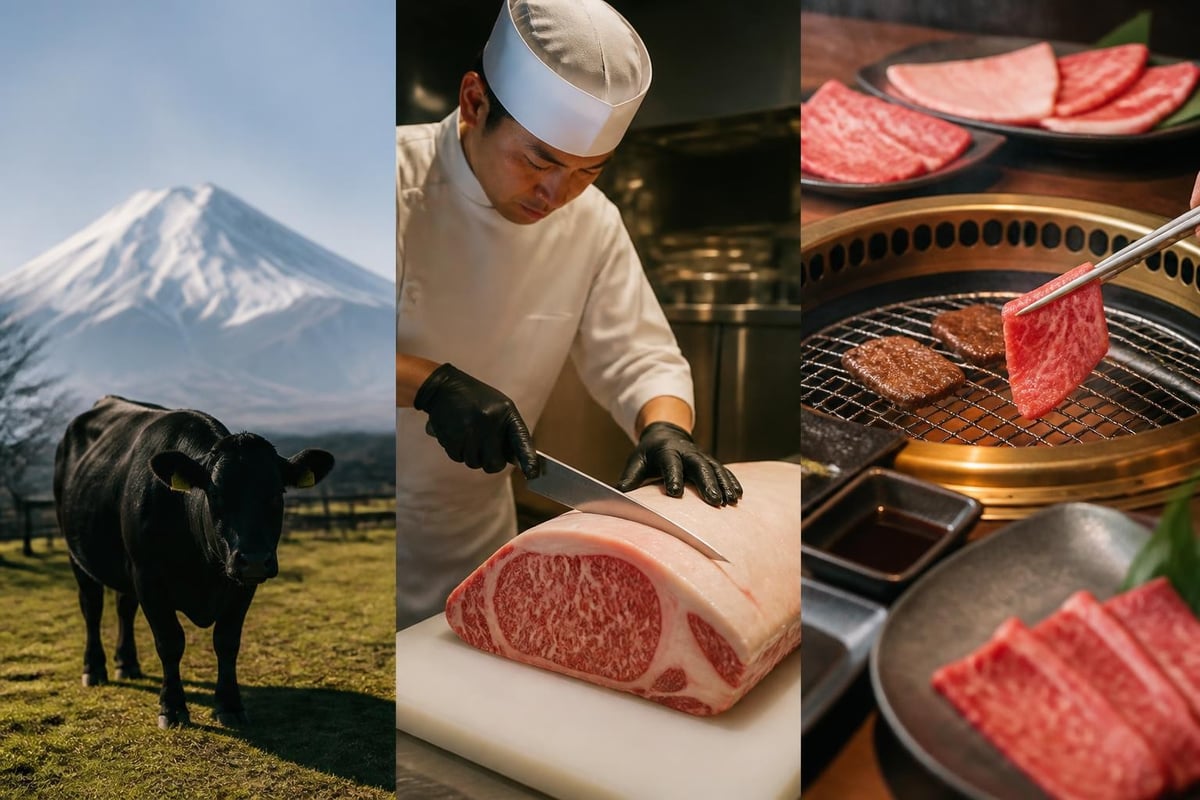
High-end halal restaurants have embraced premium ingredients like A5 Wagyu beef, creating extraordinary dining experiences. This Japanese beef, graded on marbling, color, firmness, and texture, represents the pinnacle of quality.
When sourced and prepared according to halal standards, Wagyu offers:
- Exceptional marbling that creates unmatched tenderness
- Rich, complex flavors developed through specialized feeding programs
- Melt-in-your-mouth texture from intramuscular fat distribution
- Premium dining experience that justifies special occasions
The growing popularity of halal meats on restaurant menus reflects broader consumer interest in both quality and ethical considerations. Restaurants combining halal certification with premium ingredients like Wagyu attract diverse clientele seeking memorable dining experiences.
The Rise of Health-Conscious Halal Consumers
Consumer motivations for seeking halal shops nearby have expanded beyond religious requirements. Health-conscious diners increasingly choose halal options based on perceived quality and ethical production standards.
Research indicates that the U.S. halal food market growth is driven by health-conscious consumer trends, with technology like AI enhancing market transparency and consumer confidence.
Health Benefits Associated with Halal Preparation
The halal preparation process includes specific requirements that align with health-conscious eating preferences:
Blood drainage requirements reduce bacterial contamination risks and improve meat freshness. The method ensures cleaner, safer protein sources.
Humane treatment standards often correlate with lower stress hormones in animals, potentially affecting meat quality and nutritional profile.
Prohibition of certain additives means halal products typically avoid questionable preservatives and processing agents.
| Health Consideration | Halal Standard | Consumer Benefit |
|---|---|---|
| Cleanliness | Rigorous hygiene protocols | Reduced contamination risk |
| Processing | Minimal chemical additives | Cleaner ingredient lists |
| Animal Welfare | Ethical treatment requirements | Better quality meat |
| Traceability | Documentation requirements | Supply chain transparency |
These factors attract consumers who prioritize knowing exactly what goes into their food and how it's produced.
Navigating Cultural Authenticity in Halal Dining
The best halal shops nearby don't just meet certification standards. They embody cultural authenticity that transforms a meal into an experience.
Cultural authenticity manifests through traditional recipes, preparation techniques, and dining atmospheres that honor culinary heritage. This authenticity becomes particularly important for travelers seeking genuine cultural experiences.
What Authentic Halal Restaurants Offer
Beyond certified ingredients, truly authentic establishments provide:
- Traditional cooking methods passed down through generations
- Regional specialties representing specific culinary traditions
- Knowledgeable staff who understand dish origins and preparation
- Atmospheric elements that reflect cultural identity
- Family recipes that maintain authentic flavors
For travelers visiting cities like Tokyo, finding halal shops nearby that combine certification with cultural authenticity creates memorable experiences. The intersection of Japanese culinary precision and halal requirements produces unique dining opportunities.
Japanese yakiniku restaurants that achieve halal certification face particular challenges. They must maintain traditional grilling techniques while ensuring separate preparation areas, dedicated equipment, and certified ingredients. Those that succeed offer something truly special.
Supply Chain Challenges and Solutions
Understanding the complexities behind halal shops nearby helps appreciate the effort required to maintain consistent quality and certification.
The halal food industry faces ongoing challenges related to pricing, supply chain management, and certification standardization. These obstacles affect availability and cost across different regions.
From Farm to Table: The Halal Supply Chain
Creating a reliable halal supply chain involves coordination across multiple stakeholders:
- Certified farms and ranches that raise animals according to halal standards
- Halal-certified slaughterhouses staffed by trained practitioners
- Specialized processing facilities with dedicated halal production lines
- Certified distributors maintaining proper separation and handling
- Restaurant kitchens following strict preparation protocols
Each link requires verification and monitoring. Disruption at any point affects the entire chain, potentially impacting availability at halal shops nearby.
Traceability technology increasingly addresses these challenges. Blockchain systems and AI-driven verification tools help ensure authenticity throughout the supply chain, building consumer confidence in halal products.
Regional Variations in Halal Shopping Experiences
The experience of finding halal shops nearby varies significantly based on location. Urban centers with established Muslim communities typically offer more options and variety.
Major Metropolitan Areas
Cities like New York, Los Angeles, Chicago, and Toronto feature:
- Concentrated halal districts with multiple shops and restaurants
- Diverse culinary traditions representing global Muslim communities
- Specialty ingredient stores carrying hard-to-find halal products
- Established certification infrastructure with local oversight
- Competitive pricing due to market density
Suburban and rural areas present different challenges. Residents often drive considerable distances to access halal shops nearby, creating demand for online ordering and delivery services.
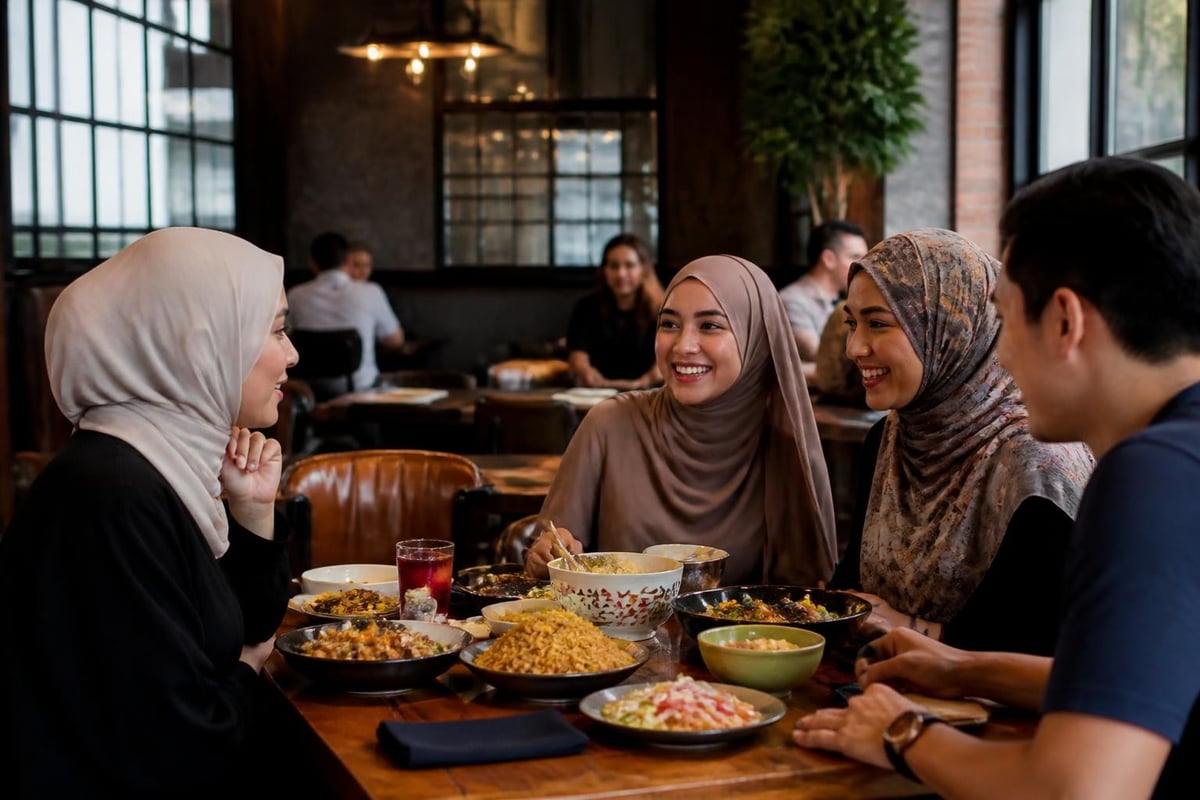
The International Halal Dining Experience
For travelers, finding halal shops nearby takes on added significance. Exploring new cities while maintaining dietary requirements requires planning and flexibility.
International destinations vary widely in halal accessibility. Some countries with significant Muslim populations offer abundant options, while others require more research.
Tokyo's Emerging Halal Scene
Japan represents an interesting case study. Despite a small Muslim population, Tokyo has developed a growing halal infrastructure driven by tourism and global business.
The city now features numerous halal shops nearby popular tourist destinations. Areas like Asakusa, known for traditional Japanese culture, have embraced halal certification to welcome international visitors.
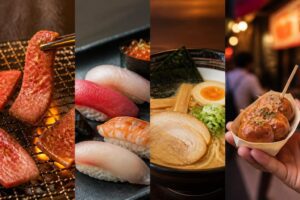
Quality halal yakiniku restaurants in Tokyo combine traditional Japanese grilling techniques with certified ingredients. They offer travelers authentic Japanese dining experiences without compromising religious dietary requirements.
These establishments understand that exceptional service matters as much as certification. They train staff to explain dishes, accommodate dietary restrictions, and create welcoming environments for solo travelers and families alike.
Building Community Around Halal Food
Halal shops nearby serve functions beyond commerce. They become community gathering places where culture, faith, and food intersect.
Community-oriented establishments recognize their social responsibility. They host events, support local causes, and create spaces where people feel welcomed regardless of background.
The Family-Friendly Factor
The best halal restaurants prioritize family-friendly atmospheres:
- Accommodating seating arrangements for groups of various sizes
- Children's menus with halal-certified options
- Patient, helpful service that assists families with young children
- Flexible timing to accommodate family schedules
- Clean, comfortable facilities including family restrooms
These considerations transform dining from a transactional experience into community building. Regular customers become extended family, creating loyal followings.
Verifying Halal Claims and Avoiding Confusion
Not every establishment claiming to serve halal food meets proper standards. Knowing how to verify claims protects consumers and supports legitimate businesses.
Verifying halal certification requires understanding which certifying bodies maintain credible standards and how to confirm current certification status.
Questions to Ask When Evaluating Halal Shops Nearby
Informed consumers ask specific questions:
About certification:
- Which organization provides your halal certification?
- Can I see your current certificate?
- What products/dishes does the certification cover?
- When was your last inspection?
About preparation:
- Do you maintain separate cooking equipment for halal items?
- How do you prevent cross-contamination?
- Are all ingredients in this dish halal-certified?
- Can you explain your sourcing for meat products?
About staff training:
- How do you train staff on halal requirements?
- Who oversees halal compliance in the kitchen?
- What happens if there's a potential violation?
Legitimate establishments welcome these questions. They demonstrate knowledge and pride in their halal practices.
The Economics of Halal Food Shopping
Price considerations affect where people shop for halal products. Understanding pricing dynamics helps consumers make informed decisions about halal shops nearby.
Premium pricing often reflects the additional costs of halal certification, specialized sourcing, and smaller production scales. However, competitive markets bring prices closer to conventional alternatives.
Value Beyond Price
Smart consumers evaluate total value rather than price alone:
| Value Factor | How It Affects Shopping | Premium Indicators |
|---|---|---|
| Quality | Better ingredients justify higher prices | Grade certifications, sourcing transparency |
| Experience | Atmosphere and service add value | Knowledgeable staff, comfortable setting |
| Convenience | Time savings matter | Location, hours, online ordering |
| Authenticity | Cultural accuracy enhances enjoyment | Traditional recipes, proper techniques |
| Consistency | Reliability builds trust | Steady quality, accurate descriptions |
The relationship between price and quality in halal foods remains complex, influenced by supply chain challenges and market maturity.
Emerging Trends in Halal Food Service
The halal food landscape continues evolving. Understanding current trends helps identify innovative halal shops nearby offering cutting-edge experiences.
Technology integration shapes modern halal shopping. Online ordering, delivery apps, and digital loyalty programs enhance convenience and accessibility.
Innovation in Halal Cuisine
Progressive halal establishments experiment while respecting traditional boundaries:
- Fusion cuisine combining halal ingredients with diverse culinary traditions
- Premium ingredient sourcing like certified halal Wagyu and specialty cuts
- Interactive dining experiences such as tabletop grilling and chef's tables
- Seasonal menus highlighting fresh, locally-sourced halal produce
- Sustainable practices aligning environmental ethics with religious values
These innovations attract younger generations and crossover consumers interested in unique dining experiences.
Special Occasions and Halal Dining
Halal shops nearby serve crucial roles during celebrations and important life events. From Eid feasts to wedding receptions, they enable communities to gather around certified, delicious food.
Special occasion dining demands higher standards. Customers expect exceptional quality, impeccable service, and memorable experiences that justify premium pricing.
Creating Memorable Celebrations
Top-tier halal restaurants excel at special occasions through:
- Customized menus accommodating specific preferences and dietary needs
- Private dining spaces for intimate gatherings or large parties
- Experienced event coordinators who handle details professionally
- Presentation excellence that photographs beautifully and impresses guests
- Flexible service styles from buffets to plated courses
These capabilities position certain halal establishments as destinations rather than mere convenience options.
Solo Travelers and Halal Dining Accessibility
Finding welcoming halal shops nearby matters tremendously for solo travelers. Dining alone in unfamiliar cities can feel isolating, especially when dietary requirements limit options.
Solo-friendly establishments recognize these challenges. They create environments where individuals feel comfortable dining alone without awkwardness or rushed service.
Features Solo Travelers Appreciate
Solo diners value specific considerations:
- Counter seating or bar areas that feel natural for individuals
- Attentive but not overbearing service that respects personal space
- Reasonable portion sizes appropriate for one person
- Quick service options for travelers on tight schedules
- Welcoming atmosphere that doesn't make solo diners feel out of place
Restaurants that master solo hospitality build loyal followings among business travelers and tourists seeking authentic experiences.
The Role of Reviews and Recommendations
In 2026, online reviews significantly influence decisions about halal shops nearby. Understanding how to interpret reviews helps identify truly exceptional options.
Review patterns reveal more than star ratings. Consistent mentions of specific positives (or negatives) indicate reliable experiences.
Reading Between the Lines
Smart review interpretation considers:
- Frequency of halal-specific comments indicating knowledgeable Muslim reviewers
- Mentions of certification visibility suggesting legitimate operations
- Descriptions of traditional preparation pointing to authenticity
- Service quality consistency across multiple reviews
- Management responses showing engagement and accountability
Reviews mentioning halal certification verification or specific certifying organizations carry extra weight. They indicate reviewers who understand halal requirements.
Future of Halal Food Accessibility
The trajectory for halal shops nearby points toward increased availability, improved quality, and greater mainstream acceptance. Market growth projections suggest continued expansion across North America.
Generational shifts influence this evolution. Younger Muslims expect seamless integration of halal options in everyday life, while non-Muslim consumers increasingly appreciate halal food's quality and ethical dimensions.
What's Coming Next
Industry observers anticipate several developments:
- Expanded mainstream availability in conventional grocery chains and restaurants
- Enhanced traceability systems using blockchain and AI verification
- Premium halal fine dining becoming more commonplace
- Greater standardization across certification organizations
- Increased export opportunities as global halal markets mature
These changes will make finding quality halal shops nearby easier while raising overall standards across the industry.
Making the Most of Your Halal Shopping Experience
Armed with knowledge about certification, quality indicators, and evaluation criteria, you can confidently explore halal shops nearby. Each visit becomes an opportunity to support businesses committed to excellence while enjoying exceptional food.
The best experiences come from establishments that view halal certification not as a checkbox but as a foundation for building something extraordinary. They combine religious compliance with culinary artistry, creating destinations worth seeking out.
Remember that supporting quality halal businesses strengthens the entire ecosystem. Your patronage enables them to maintain high standards, invest in better ingredients, and continue serving their communities.
Finding quality halal shops nearby enriches your dining experiences while supporting businesses committed to excellence in both certification and culinary craft. Whether you're exploring your hometown or traveling internationally, knowing what separates exceptional halal establishments from ordinary ones transforms every meal into something special. For those visiting Tokyo, Ninja Yakiniku exemplifies this commitment to excellence, combining authentic halal certification with premium A5 Wagyu and traditional Japanese yakiniku expertise in the heart of Asakusa, creating unforgettable experiences for families and solo travelers alike.