
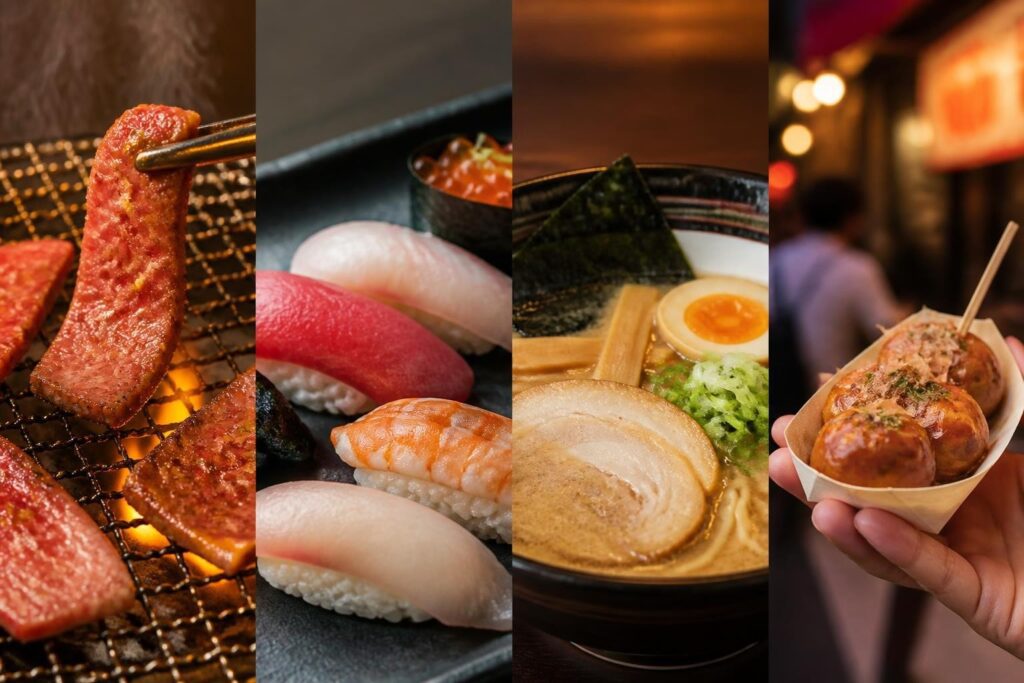
Tokyo's culinary landscape tells stories that transcend mere sustenance. Every dish carries centuries of tradition, yet the city's food scene pulses with innovation that redefines what Japanese cuisine can become. When I first stepped into Tokyo's Tsukiji Outer Market at dawn, watching vendors carefully arrange their displays while the aroma of grilling fish filled the air, I realized this city doesn't just serve food. It presents edible narratives, each bite revealing something profound about Japanese culture, craftsmanship, and the relentless pursuit of perfection. Whether you're wandering through narrow alleyways in Asakusa or settling into a cozy restaurant booth, the must try foods in Tokyo offer more than flavors. They provide windows into a nation's soul.
The Sacred Art of Premium Wagyu Yakiniku
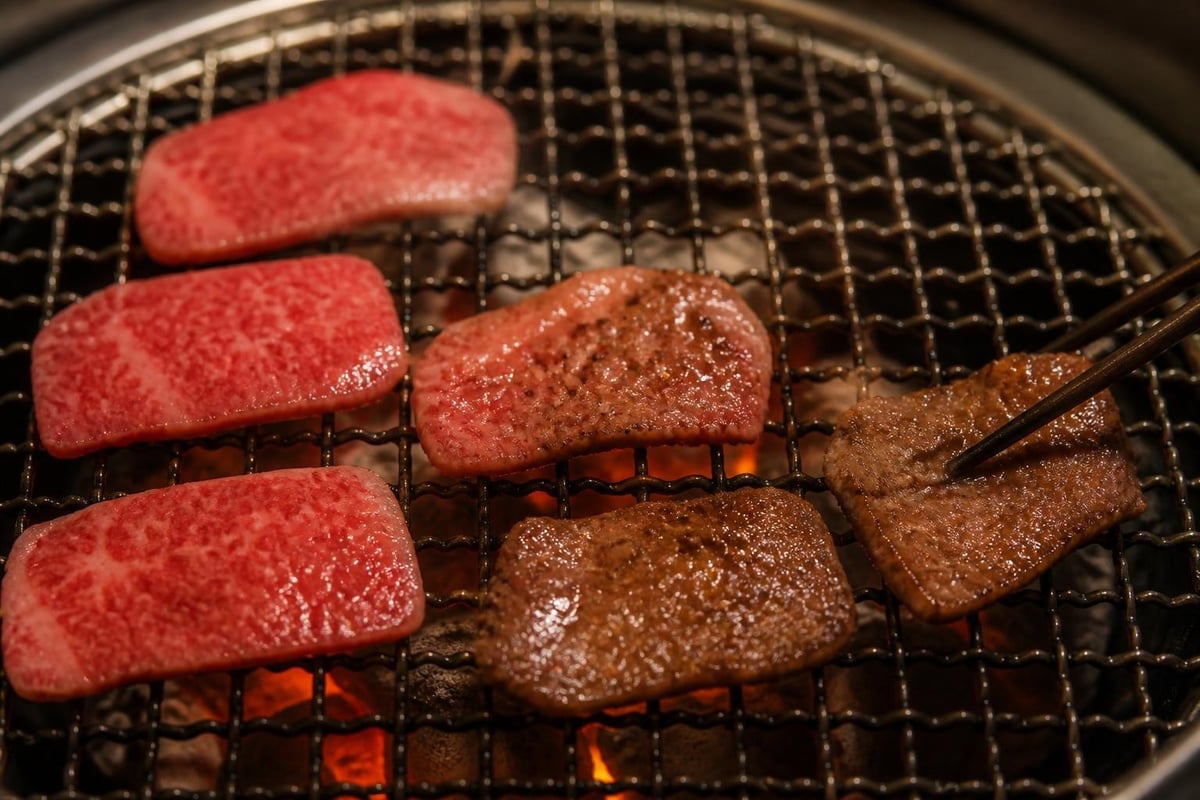
Walking into a proper yakiniku restaurant transforms dinner into theater. The table-side grills sizzle with anticipation as servers present marbled beef that looks more like abstract art than food. This isn't just grilled meat. This is Japan's answer to the question: how perfect can beef become?
Understanding A5 Wagyu Excellence
The grading system for wagyu tells you everything about what's about to grace your palate. A5 represents the pinnacle, where marbling, color, firmness, and fat quality reach their absolute peak. When you place that thin slice onto the hot grill, the fat begins its mesmerizing dance, turning translucent as it renders. The aroma alone could convince a vegetarian to reconsider.
What makes this experience essential is the precision cooking method. Unlike steakhouses where chefs control everything, yakiniku puts you in command. You become the chef, learning to recognize that perfect moment when the meat transitions from raw to transcendent. Thirty seconds too long, and you've missed it. But nail that timing, and the beef practically melts on your tongue.
For those seeking halal-certified options without compromising quality, establishments like Ninja Yakiniku have redefined what's possible. They prove that dietary requirements and exceptional dining experiences aren't mutually exclusive.
Regional Beef Variations Worth Exploring
Not all wagyu comes from the same place, and these regional differences create distinct flavor profiles:
- Kobe beef: The celebrity of Japanese cattle, known for its intense marbling and buttery texture
- Matsusaka beef: Often considered even more exclusive than Kobe, with a slightly sweeter flavor profile
- Iga beef: A hidden gem offering exceptional quality without the premium price tag associated with more famous names
- Omi beef: One of Japan's oldest beef brands, prized for its delicate fat distribution
Each region's cattle benefit from different climates, feeding techniques, and raising philosophies. The terroir concept we associate with wine applies equally to Japanese beef, making regional exploration part of the adventure.
Ramen: Tokyo's Soul in a Bowl
If wagyu represents luxury, ramen embodies Tokyo's democratic spirit. This isn't the instant noodle packet from your college days. Tokyo ramen shops represent obsessive dedication to a single dish, refined across decades until every component reaches harmony.
The Four Pillars of Perfect Ramen
Every exceptional bowl balances four critical elements:
| Component | Characteristics | Common Variations |
|---|---|---|
| Broth | Rich, layered, hours of simmering | Tonkotsu, shoyu, miso, shio |
| Noodles | Texture matches broth weight | Thin, thick, wavy, straight |
| Tare | Seasoning base determining flavor profile | Soy sauce, salt, miso, special blends |
| Toppings | Textural contrast and visual appeal | Chashu, egg, nori, bamboo shoots |
The broth demands respect. Some shops simmer pork bones for over 18 hours, extracting every molecule of flavor until the liquid turns cloudy white with collagen. Others take a lighter approach, creating crystal-clear broths that still pack concentrated umami. Neither approach is superior. They're different philosophies answering the same question: what makes the perfect bowl?
Walking through Tokyo's ramen districts reveals the city's relationship with this dish. Salary workers slurp quickly at standing counters during lunch. Late-night revelers seek comfort in steaming bowls after midnight. Tourists photograph their meals while locals focus solely on eating, understanding that ramen is meant to be consumed hot, fast, and without distraction.
Sushi: Where Precision Meets Artistry
Tokyo's sushi scene operates on a different plane than conveyor belt restaurants found globally. Here, sushi-ya represent the intersection of ingredient quality, knife skills, rice preparation, and timing so precise it borders on mathematical.
Edomae Sushi Traditions
The Edomae style, born in Tokyo Bay during the Edo period, revolutionized sushi by introducing techniques still used today. Chefs cure, age, and prepare fish using methods passed down through generations. They don't just slice raw fish. They apply koji molds, pickle in vinegar, or age for specific periods to develop flavors impossible in fresh fish.
The rice itself receives equal attention. Seasoned with a precise vinegar-sugar-salt blend and maintained at body temperature, the rice should barely hold together. When properly made, each grain remains distinct yet the entire piece maintains integrity until it reaches your mouth. The harmony between fish and rice represents sushi's essential character.
Omakase experiences take this further. You surrender control to the chef, who reads your reactions and adjusts accordingly. Early pieces might test your preferences. Later courses build on what the chef learned from watching you eat. It becomes a conversation conducted entirely through food, as detailed in guides like this culinary journey through Tokyo’s essential dishes.
Street Food: Tokyo's Casual Delights
Between the formal restaurants and high-end dining experiences, Tokyo's streets pulse with accessible, delicious, and utterly satisfying food that costs less than a train ticket.
Takoyaki and Okonomiyaki Mastery
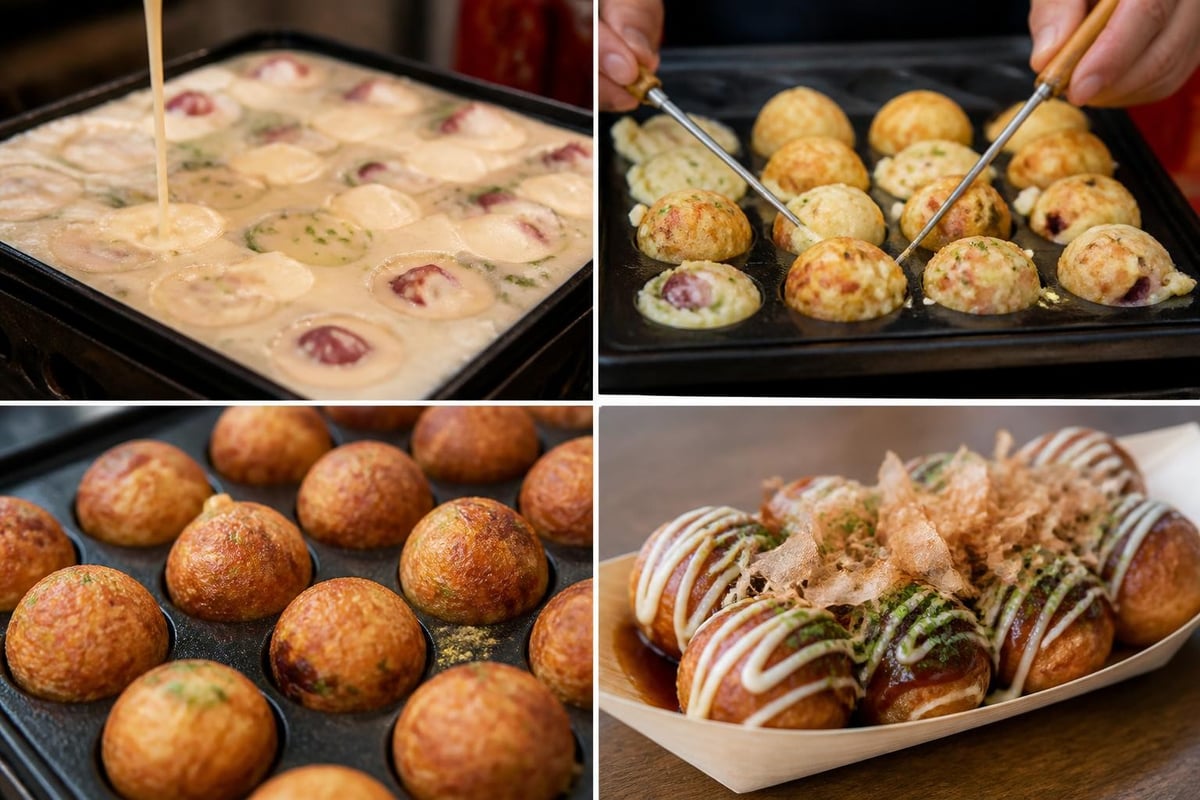
These Osaka-born specialties found second homes in Tokyo, where they've been embraced with characteristic enthusiasm. Takoyaki vendors work with mesmerizing speed, filling spherical molds with batter, adding octopus chunks, then using metal picks to flip each ball at precisely the right moment. The exterior crisps while the interior remains molten and creamy.
Okonomiyaki takes the concept further, creating savory pancakes customized to individual preferences. The name literally means "grilled as you like it," and Tokyo shops honor that philosophy by offering countless combinations. Watching the chef work the griddle, layering cabbage, protein, batter, and toppings before that final artistic drizzle of sauce and mayonnaise, you witness performance art that happens to be edible.
For comprehensive exploration of Tokyo's street food culture, resources like this street food guide provide valuable context and location recommendations.
Yakitori: Simplicity Perfected
Few things better represent Japanese refinement of simple concepts than yakitori. Chicken pieces threaded on bamboo skewers, grilled over charcoal, seasoned with salt or tare sauce. That's it. That's the entire concept. Yet yakitori-ya in Tokyo elevate this simplicity into something approaching religious experience.
The charcoal matters. Binchotan charcoal burns hotter and cleaner than standard coals, imparting subtle flavors while creating that perfect char. The cuts matter too. Traditional yakitori shops use virtually every part of the chicken:
- Momo (thigh): Rich, juicy, the crowd-pleaser
- Negima (thigh with scallion): Classic combination of meat and vegetable
- Tsukune (ground chicken): Allows for seasoning creativity
- Hatsu (heart): Firm texture, mild organ meat introduction
- Kawa (skin): Crispy, fatty, utterly satisfying
- Tebasaki (wing): Gnaw-worthy, finger-licking goodness
The rhythm of a yakitori dinner follows a natural progression. Start with lighter, leaner cuts. Build toward fattier, more intense flavors. End with something crispy or a rice dish to round out the meal. The cold beer or highball in your hand isn't optional. It's part of the experience.
Tempura: The Art of Perfect Frying
Tempura exemplifies how Japanese cuisine took an imported concept (Portuguese fritter techniques arrived in the 16th century) and refined it into something distinctly Japanese. The batter should be light, barely coating the ingredient. The oil temperature must be precisely controlled. The timing requires split-second judgment.
Technique Over Ingredients
High-end tempura restaurants focus obsessively on technique. The batter gets mixed with ice-cold water and used immediately. Over-mixing develops gluten, creating heavy, doughy coatings. Under-mixing leaves clumps. The chef aims for that perfect middle ground where the batter barely holds together.
The oil temperature shifts for different ingredients. Vegetables might fry at a lower temperature to ensure the interior cooks through. Seafood demands higher heat to crisp the exterior while barely cooking the delicate flesh inside. Watching a tempura master work multiple pieces simultaneously, each at different stages, reveals the complexity hidden beneath tempura's simple appearance.
Counter seating at tempura-ya provides the best experience. Pieces arrive immediately after leaving the oil, still crackling with residual moisture evaporating from the coating. That perfect tempura exists for maybe 30 seconds before quality begins declining. Eating it fresh from the chef's hands captures it at peak perfection.
Tonkatsu: The Pork Cutlet Perfected
When you want comfort food that still demonstrates technical mastery, tonkatsu delivers. This breaded, deep-fried pork cutlet seems straightforward until you taste versions made by shops that have spent decades perfecting every variable.
The pork selection matters first. Premium shops use specific breeds and cuts, often specifying the region and farm. The thickness gets measured precisely, typically around an inch. Too thin, and it dries out. Too thick, and the center stays undercooked while the exterior burns.
The Panko Difference
Japanese panko breadcrumbs transform fried foods. Unlike dense Western breadcrumbs, panko creates light, crispy coatings with an almost lacy texture. The flakes are larger and airier, allowing them to stay crisp longer and absorb less oil during frying.
Proper tonkatsu shops make their panko fresh or source it from specialty suppliers. They control the twice-breading process, ensuring even coverage. The frying temperature gets monitored constantly. The resting period after cooking allows the interior to finish cooking while the exterior stays crisp.
The accompaniments complete the experience. Shredded cabbage provides refreshing crunch. Tonkatsu sauce, sweeter and thicker than Worcestershire, adds complementary flavors. Rice and miso soup round out the meal into a satisfying set that's become a Japanese staple.
Unagi: The Eel That Captivates
Freshwater eel might not sound appealing to the uninitiated, but unagi prepared Tokyo-style converts skeptics immediately. The fish gets butterflied, skewered, and grilled over charcoal while being repeatedly basted with a sweet soy-based tare sauce.
The preparation technique varies by region. Tokyo-style involves steaming the eel before grilling, creating tender meat with crispy, caramelized skin. Osaka skips the steaming, going directly from raw to grill for a firmer texture. Neither is wrong. They're different approaches to the same ingredient, both represented among the must try foods in Tokyo.
The tare sauce defines each shop's character. These sauces often age for years, with portions of previous batches mixed into new ones, creating complex flavors impossible to replicate quickly. Some shops use tare recipes passed down through multiple generations, guarding the exact proportions like state secrets.
Soba and Udon: Noodle Foundations
While ramen gets the international attention, soba and udon represent older Japanese noodle traditions that deserve equal respect. These noodles anchor countless meals across Tokyo, from quick standing counter lunches to elaborate multi-course kaiseki presentations.
Soba's Buckwheat Character
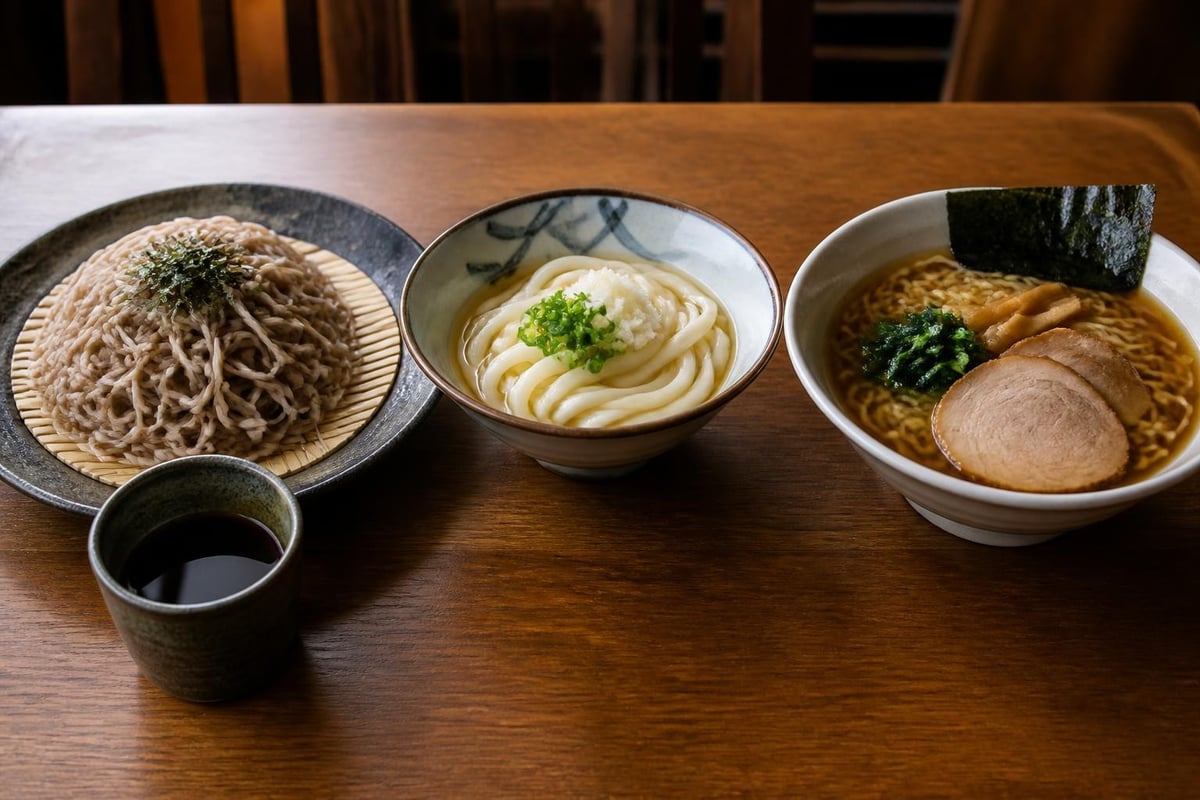
Soba noodles made from buckwheat flour offer earthy flavors and firm textures that contrast sharply with wheat noodles. The percentage of buckwheat varies, with 100% soba (juwari soba) representing the pinnacle of craftsmanship. These noodles are fragile, requiring expert technique to create.
Traditional soba shops mill their buckwheat fresh daily. The noodles get cut by hand to precise widths. They cook for exact durations, then get shocked in ice water to stop the cooking and firm the texture. Served cold with dipping sauce or in hot broth, soba demonstrates how simple ingredients elevated through technique create memorable meals, as highlighted in comprehensive Tokyo food guides.
Udon's Comforting Appeal
Udon takes the opposite approach with thick, chewy wheat noodles that provide satisfying texture and serve as excellent vehicles for flavorful broths. Tokyo's udon tends toward darker, more intensely flavored broths compared to the lighter versions in western Japan.
The noodle texture should have resistance without being tough. Fresh udon, made daily, offers the best experience. Some shops let you watch the noodle-making process, rolling and cutting dough with practiced efficiency. The ritualistic nature of watching food preparation adds another layer to Tokyo dining experiences.
Monjayaki: Tokyo's Unique Pancake
While okonomiyaki dominates nationally, monjayaki represents a specifically Tokyo creation. This runnier, less structured cousin never quite solidifies like okonomiyaki, remaining semi-liquid throughout cooking and eating.
The experience centers in Tsukishima, Tokyo's monjayaki district. Restaurants provide hot griddles at each table, ingredients arrive in bowls, and you cook everything yourself. The technique involves chopping ingredients finely on the griddle, forming a ring, adding the liquid batter to the center, then mixing everything together while it cooks.
Eating monjayaki requires special technique too. Small metal spatulas let you scrape portions directly from the griddle into your mouth. The crispy bits that stick to the hot surface become prized delicacies. The social aspect of gathered around a griddle, cooking and eating together, makes monjayaki as much about experience as taste.
Kaiseki: Multi-Course Storytelling
At the opposite end from street food sits kaiseki, the pinnacle of Japanese haute cuisine where each course tells part of a larger seasonal story. These multi-course meals demonstrate Japanese aesthetics applied to dining, where presentation equals flavor in importance.
The progression follows specific patterns. An appetizer awakens your palate. Sashimi showcases premium ingredients at peak freshness. Simmered dishes demonstrate subtle seasoning. Grilled items add smokiness. The sequence builds toward a climax before winding down with rice, pickles, and soup.
Each course arrives on carefully selected dishware chosen to complement the season, ingredients, and overall meal theme. A summer dish might be served in glass to evoke coolness. Autumn courses could arrive on leaf-shaped ceramics. The visual presentation primes you for the flavors to come.
Katsudon and Oyakodon: Rice Bowl Classics
Sometimes simplicity served over rice creates the most satisfying meals. Tokyo's donburi (rice bowl) culture offers countless variations, but two stand out as essential experiences among the must try foods in tokyo.
Katsudon's Layered Satisfaction
Katsudon combines elements we've already explored. A pork cutlet (katsu) gets sliced and simmered with onions and egg in a sweet-savory sauce, then served over rice. The textures range from crispy breading to soft egg to fluffy rice. The flavors balance sweet, savory, and umami.
What elevates great katsudon is the egg technique. The beaten egg should cook just until set, remaining slightly soft rather than fully cooked. It binds the other ingredients while adding richness. The sauce soaks into the rice below, creating layers of flavor that reward every bite.
Oyakodon's Family Connection
Oyakodon literally means "parent and child bowl," referencing chicken (parent) and egg (child) cooked together. This dish represents Japanese appreciation for wordplay and seasonal eating. The chicken gets simmered with onions in dashi-based sauce, eggs get added at the end, and everything goes over rice.
The best oyakodon achieves a specific texture where the egg sets just enough to bind the ingredients while remaining creamy. The chicken should be tender, the onions slightly sweet from cooking, the rice absorbing the flavorful liquid. A simple dish executed perfectly beats complexity done poorly.
Seasonal Specialties and Limited Offerings
Tokyo's food culture honors seasonality intensely. Certain ingredients only appear during specific months, and restaurants adjust menus accordingly. This creates opportunities for unique experiences unavailable other times.
Spring Delicacies
Sakura ebi (cherry blossom shrimp) appear briefly in spring, their delicate sweetness perfect for tempura or rice dishes. Bamboo shoots (takenoko) offer crisp texture and subtle flavors. Sakura mochi wraps sweet rice in pickled cherry leaves, capturing spring's essence in dessert form.
Summer Specialties
Eel consumption peaks in summer, believed to provide stamina during hot weather. Hiyashi chuka (cold ramen) offers refreshment. Kakigori (shaved ice) comes in countless flavors, from traditional syrup to innovative toppings involving fresh fruit, condensed milk, or matcha.
Autumn Abundance
Matsutake mushrooms, prized for their distinctive aroma, appear in soups, rice dishes, and grilled preparations. Sanma (Pacific saury) gets grilled whole, its seasonal availability making it a autumn tradition. Sweet potatoes appear in both savory dishes and desserts.
Winter Warmth
Hot pot dishes (nabe) dominate winter menus, with countless variations bringing groups together around bubbling broths. Oden, the convenience store staple, reaches its peak during cold months. Oysters arrive at their plumpest and most flavorful.
Understanding Tokyo's Dining Etiquette
Navigating Tokyo's food scene requires awareness of certain customs that enhance experiences and show respect for the culture.
Restaurant Protocols
Many establishments require reservations, sometimes weeks in advance for popular spots. Arrive on time, as late appearances may result in cancelled reservations. Remove shoes when entering traditional restaurants with tatami floors. The oshibori (wet towel) provided at the start is for hands only, never for face or neck.
Eating Etiquette Essentials
Slurping noodles isn't just acceptable but expected, as it aerates the broth and shows appreciation. Finish everything on your plate to honor the chef and ingredients. When sharing dishes, use the opposite end of your chopsticks to take food from communal plates. Never stick chopsticks vertically into rice, as this resembles funeral rituals.
Payment Practices
Pay at the register rather than leaving money on the table. Tipping isn't practiced and can cause confusion. Many smaller establishments only accept cash, so carry sufficient yen. Some higher-end restaurants include service charges in the bill.
Navigating Dietary Requirements
Tokyo's food scene has evolved to accommodate various dietary needs, though communication remains important.
Halal Options Expanding
Finding quality halal food in Tokyo has become significantly easier. Restaurants like Ninja Yakiniku demonstrate that halal certification doesn't require compromising on quality or authenticity. The number of halal-certified establishments continues growing, particularly in tourist-heavy areas like Asakusa.
Vegetarian and Vegan Considerations
While traditional Japanese cuisine features fish-based dashi extensively, dedicated vegetarian and vegan restaurants have emerged. Buddhist temple cuisine (shojin ryori) offers elaborate vegetarian meals developed over centuries. Modern vegan restaurants create plant-based versions of classic dishes.
Allergy Accommodations
Japan takes food allergies seriously, with many restaurants providing detailed allergen information. However, cross-contamination remains possible in busy kitchens. Learning key phrases in Japanese or carrying translation cards helps communicate requirements clearly.
Regional Influences in Tokyo's Food Scene
Tokyo's position as Japan's capital means regional specialties from across the country appear throughout the city, often adapted to local tastes.
| Region | Signature Dishes | Tokyo Adaptations |
|---|---|---|
| Osaka | Okonomiyaki, takoyaki | Slightly different sauce profiles |
| Hokkaido | Seafood, ramen, dairy | Premium ingredients, refined presentations |
| Kyushu | Tonkotsu ramen, mentaiko | Thicker broths, fusion applications |
| Hiroshima | Layered okonomiyaki | Available at specialty restaurants |
This concentration of regional cuisines lets you explore all of Japan's culinary traditions without leaving Tokyo. Specialty restaurants devoted to specific regional styles maintain authenticity while adapting to Tokyo's sophisticated diners.
Modern Fusion and Innovation
While respecting tradition, Tokyo's chefs also push boundaries, creating fusion dishes that honor heritage while embracing innovation.
International Influences
French techniques combine with Japanese ingredients at innovative restaurants. Italian pasta gets reinterpreted with Japanese seafood and seasonings. American-style burgers achieve new heights using wagyu beef and Japanese preparation methods. These fusions work because chefs understand both traditions deeply rather than superficially combining elements.
Molecular Gastronomy Applications
Some cutting-edge restaurants apply modernist techniques to traditional dishes. Foams, spherification, and precise temperature control create familiar flavors in unexpected forms. These experiments divide opinion but demonstrate Tokyo's willingness to question culinary assumptions.
The Coffee and Dessert Culture
While not traditional Japanese food, Tokyo's coffee and dessert scenes deserve attention for their obsessive quality pursuit.
Kissaten Culture
Traditional coffee shops (kissaten) offer refuge from Tokyo's intensity. These establishments often roast their own beans, brew individual cups using specific methods, and serve simple but perfect food. The experience centers on taking time, savoring quality, and appreciating craftsmanship.
Wagashi and Western Sweets
Traditional Japanese sweets (wagashi) use ingredients like sweet bean paste, mochi, and seasonal fruits to create beautiful, subtly sweet confections. Meanwhile, French-style patisseries and bakeries achieve technical excellence that rivals anything in Paris. Tokyo's dessert scene satisfies both traditional and contemporary sweet cravings.
Budget Considerations Across Price Points
The must try foods in tokyo span all price ranges, making exceptional eating accessible regardless of budget.
Budget-Friendly Excellence
Conveyor belt sushi restaurants offer quality meals for under 1000 yen. Standing ramen shops serve satisfying bowls for 800-1000 yen. Convenience store onigiri and sandwiches demonstrate surprising quality. Street food rarely exceeds 500 yen per item. You can eat remarkably well in Tokyo on a modest budget.
Mid-Range Quality
Most specialty restaurants fall into the 2000-5000 yen per person range, offering excellent quality without luxury pricing. Set meals (teishoku) provide complete dining experiences with rice, soup, pickles, and a main dish. These represent the sweet spot between affordability and quality.
Splurge-Worthy Experiences
High-end kaiseki, premium sushi omakase, and wagyu specialists command prices from 10,000 to 50,000+ yen per person. These meals represent special occasions, showcasing ingredients and techniques impossible at lower price points. They're worth experiencing at least once to understand Japanese culinary excellence's upper reaches.
The diversity among must try foods in tokyo means every visitor can find their perfect meal, whether seeking comfort food or culinary adventure. Resources like this comprehensive food guide help navigate the overwhelming options to find experiences matching your interests and budget.
Practical Tips for Food Adventures
Maximizing your Tokyo culinary journey requires some strategic planning and cultural awareness.
Timing Your Meals
Lunch often offers better value, with many high-end restaurants serving lunch sets at fraction of dinner prices. However, popular spots fill quickly between noon and 1 PM. Arriving slightly earlier (11:30 AM) or later (1:30 PM) helps avoid crowds. Dinner reservations become essential for sought-after restaurants, particularly on weekends.
Location Strategies
Different neighborhoods specialize in different foods. Tsukiji Outer Market excels for seafood and breakfast. Asakusa offers traditional foods and street eats. Shibuya and Shinjuku provide modern dining and international options. Planning your days around food locations helps you experience more while minimizing travel time.
Communication Solutions
Many restaurants display plastic food models showing exactly what dishes look like. These eliminate language barriers and help you order confidently. Translation apps work reasonably well for basic communication. Learning a few food-related Japanese phrases enhances experiences and shows respect for the culture, as noted in guides to Tokyo’s essential eats.
Tokyo's culinary landscape offers endless discoveries, from premium yakiniku to humble street food, each dish telling stories of tradition, innovation, and obsessive dedication to excellence. Whether you're seeking halal-certified options or exploring new flavors, the city accommodates every dietary need and preference. When you're ready to experience the pinnacle of halal wagyu yakiniku in a welcoming environment perfect for families and solo travelers alike, Ninja Yakiniku in Asakusa awaits with A5 Wagyu and Iga beef that exemplify everything great about Tokyo dining. Your Tokyo food adventure deserves that perfect yakiniku experience.