Tokyo's yakiniku scene has evolved dramatically in 2026, offering discerning diners an extraordinary range of premium grilled beef experiences. From traditional tableside grilling to innovative halal-certified establishments, the city's culinary landscape presents exceptional opportunities for both international travelers and local food enthusiasts. Understanding what makes the yakiniku tokyo best options stand out requires insight into beef quality, preparation methods, and the unique cultural elements that define authentic Japanese barbecue dining.
Understanding Premium Yakiniku Quality Standards
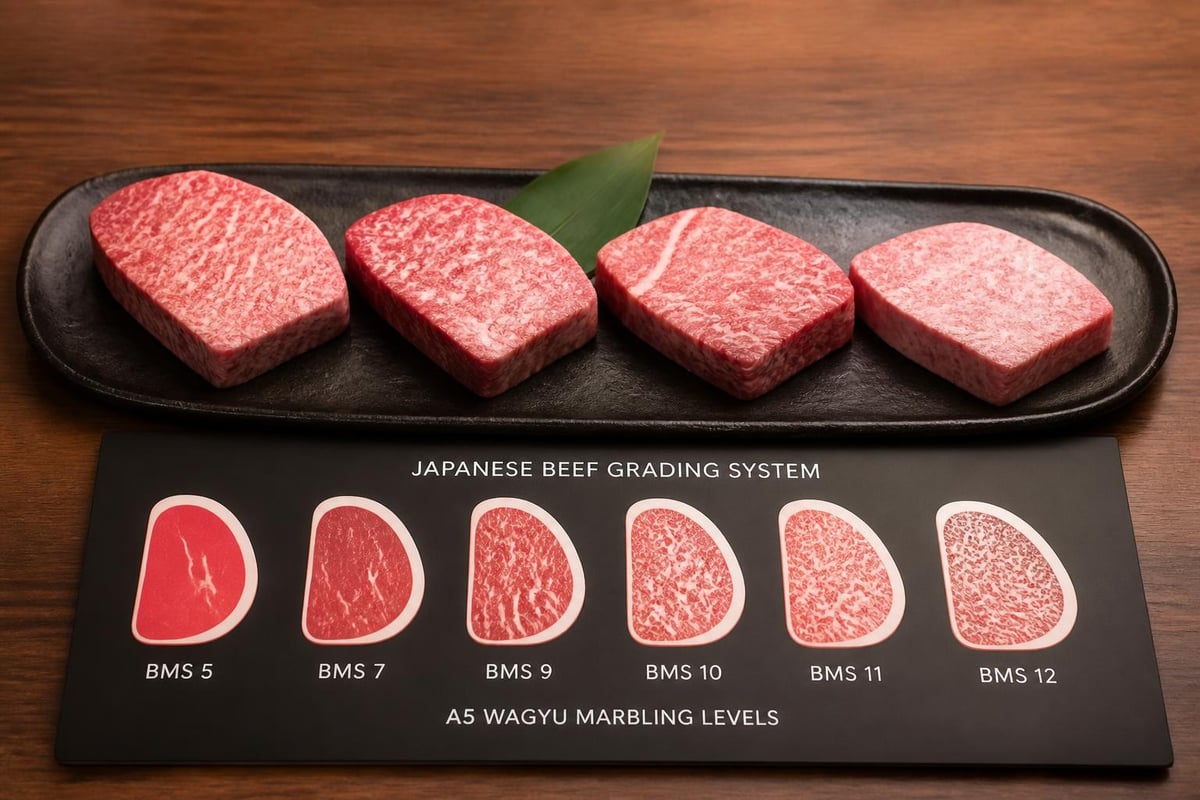
The foundation of exceptional yakiniku begins with beef grading systems that Japanese restaurants follow meticulously. The Japanese Meat Grading Association evaluates beef based on marbling, color, firmness, and overall quality, with A5 representing the highest designation available in the market.
When searching for yakiniku tokyo best experiences, understanding these quality indicators becomes essential. Premium establishments showcase their beef credentials prominently, often displaying certificates and sourcing information that demonstrates their commitment to excellence.
Key Quality Factors to Evaluate
Marbling density directly impacts flavor profiles and tenderness. A5 Wagyu features intricate fat distribution throughout muscle tissue, creating the distinctive buttery texture that defines premium Japanese beef. Iga beef, another sought-after variety, offers unique characteristics developed through specific breeding practices and regional conditions.
- BMS (Beef Marbling Standard) ratings from 8-12 indicate exceptional quality
- Regional designations like Kobe, Matsusaka, and Iga signify specialized production methods
- Aging processes enhance tenderness and develop complex flavor profiles
- Cut selection determines cooking time and optimal grilling techniques
The distinction between standard and premium yakiniku extends beyond beef quality alone. Restaurants earning recognition among yakiniku tokyo best options invest in ventilation systems, charcoal selection, and table equipment that maximizes the grilling experience while maintaining comfortable dining conditions.
Halal-Certified Yakiniku Options in Tokyo
Tokyo's growing international community has driven significant expansion in halal-certified dining options throughout 2026. Halal yakiniku restaurants now combine Islamic dietary requirements with premium Japanese beef quality, creating unique opportunities for Muslim travelers and residents seeking authentic culinary experiences.
Traditional yakiniku establishments rarely accommodate halal requirements, making certified restaurants particularly valuable for specific dietary needs. These specialized venues implement comprehensive protocols covering sourcing, preparation, cooking equipment, and cross-contamination prevention.
| Aspect | Standard Yakiniku | Halal-Certified Yakiniku |
|---|---|---|
| Beef Sourcing | Conventional suppliers | Halal-certified suppliers only |
| Preparation Area | Shared kitchen spaces | Dedicated halal preparation zones |
| Seasoning Ingredients | May contain alcohol/pork derivatives | Strictly verified halal ingredients |
| Staff Training | Standard food safety | Additional halal compliance education |
Finding yakiniku tokyo best halal options requires research into certification authenticity. Legitimate establishments display current halal certificates from recognized organizations and maintain transparent practices regarding their supply chain and preparation methods.
Navigating Halal Verification
Muslim travelers should prioritize restaurants with Japanese Muslim-verified certifications or international halal authority recognition. Certification bodies conduct regular audits ensuring ongoing compliance with strict standards governing every aspect of food service operations.
The comprehensive guide to Tokyo’s yakiniku scene highlights various establishments, though travelers with specific dietary requirements must verify halal credentials independently since not all premium yakiniku venues offer certified options.
Strategic Location Selection for Yakiniku Dining
Tokyo's diverse neighborhoods each offer distinct yakiniku experiences reflecting local character and visitor demographics. Asakusa, with its historic temples and traditional atmosphere, provides particularly compelling options for travelers seeking authentic cultural immersion alongside exceptional dining.
Premium yakiniku tokyo best restaurants concentrate in several key districts. Shibuya and Shinjuku feature modern establishments targeting younger demographics and international visitors. Ginza showcases luxury-focused venues with premium pricing reflecting exclusive locations and elevated service standards.
Asakusa's Unique Dining Advantages
Asakusa combines accessibility with cultural richness, making it ideal for travelers balancing tourism activities with memorable dining experiences. The district's traditional architecture and landmark attractions create distinctive contexts for yakiniku meals that extend beyond simple food consumption.
Transportation convenience significantly impacts overall dining satisfaction. Restaurants near major subway stations reduce navigation stress, particularly valuable for international visitors managing language barriers and unfamiliar transit systems. Staying connected while exploring Tokyo becomes easier with services like Umi, offering global eSIM connectivity that eliminates the hassle of purchasing new SIMs for every trip.
Family-friendly establishments in residential areas typically provide more spacious seating arrangements and accommodating service compared to compact urban venues targeting business clientele or couples. Solo travelers benefit from counter seating options where staff interaction and meal pacing feel more natural than at large tables designed for groups.
Budget Planning for Premium Yakiniku Experiences
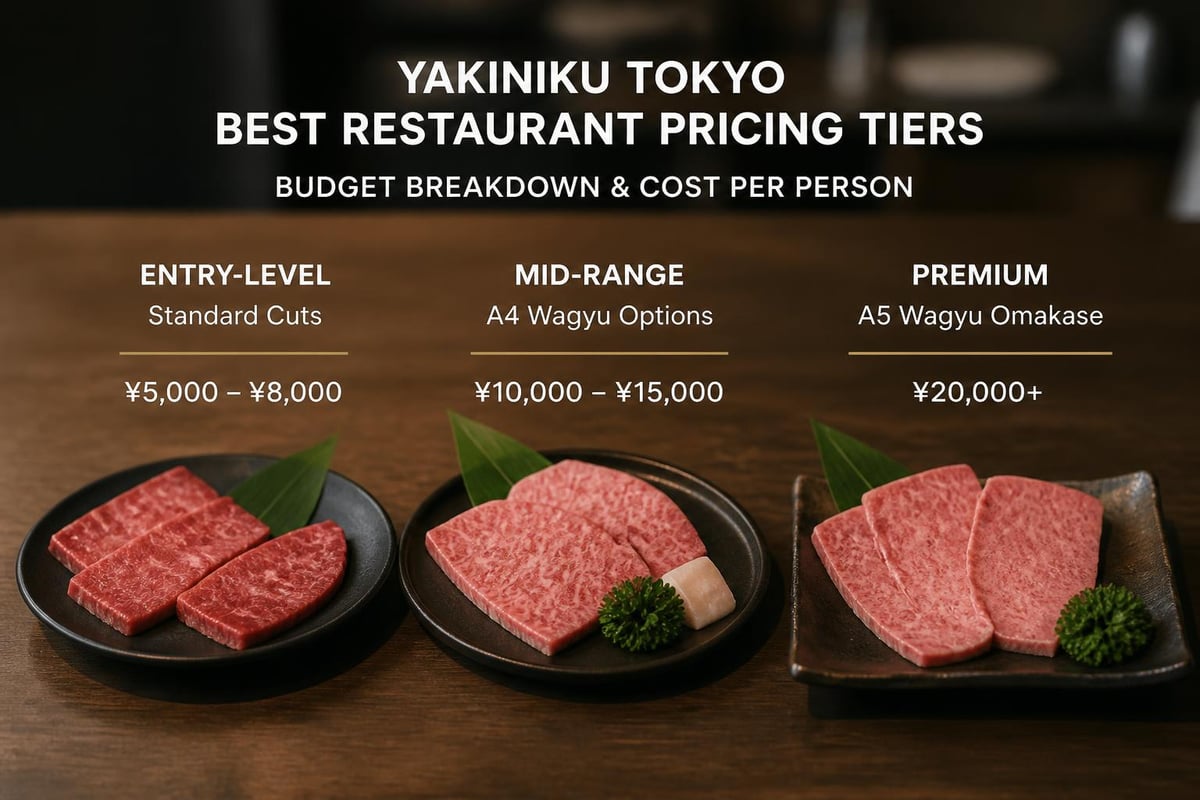
Yakiniku tokyo best experiences span considerable price ranges reflecting beef quality, portion sizes, and service levels. Understanding cost structures helps diners align expectations with budgets while maximizing value from their investment in premium dining.
Entry-level yakiniku starts around ¥3,000-¥5,000 per person for basic cuts and limited selections. Mid-range establishments offering quality A4 Wagyu and diverse menu options typically run ¥8,000-¥15,000 per person. Ultra-premium venues featuring exclusive cuts and luxury service exceed ¥20,000 per person.
Value Optimization Strategies
Smart diners identify optimal times for premium yakiniku without compromising quality. Lunch services at high-end establishments often feature identical beef quality at significantly reduced pricing compared to dinner menus. Weekday visits typically offer better availability and occasionally promotional pricing absent during peak weekend demand.
Course menus generally provide better value than ordering individual items, particularly at premium restaurants where fixed-price options include carefully curated selections showcasing restaurant specialties. The detailed exploration of Tokyo’s best yakiniku venues reveals various establishments offering exceptional value propositions across different price points.
All-you-can-eat options exist throughout Tokyo, though quality-conscious diners should approach unlimited offerings cautiously. Premium beef rarely appears in buffet formats, and restaurants offering yakiniku tokyo best experiences typically focus on curated selections rather than volume-based consumption models.
Essential Etiquette and Dining Protocols
Proper yakiniku etiquette enhances enjoyment while demonstrating cultural respect that Japanese hosts deeply appreciate. Understanding basic protocols prevents common mistakes that detract from otherwise exceptional dining experiences.
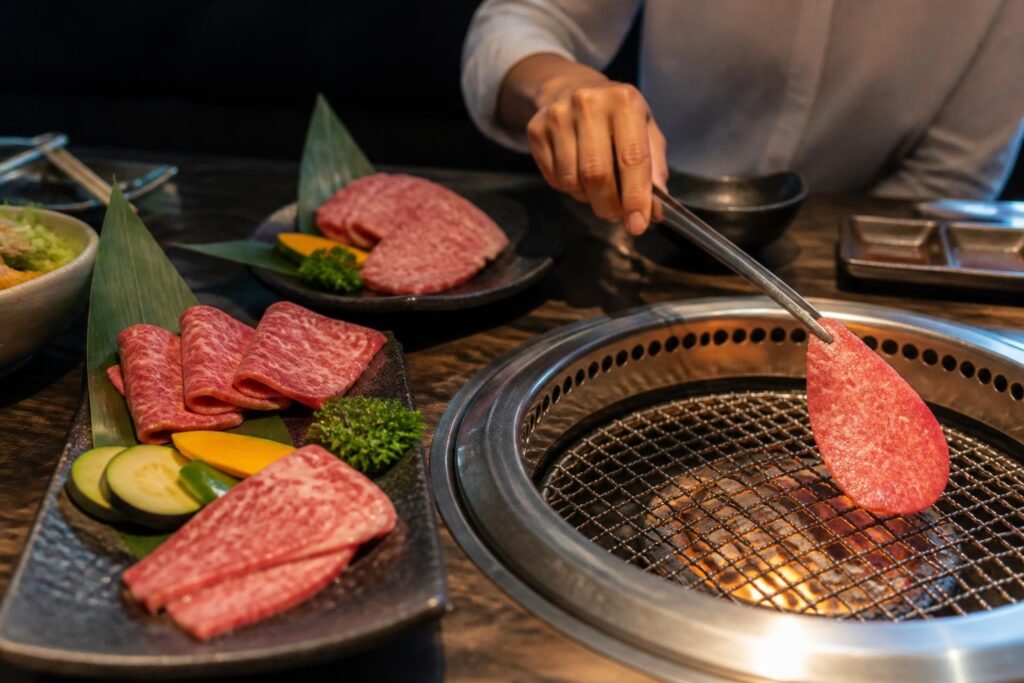
Grilling techniques vary by cut thickness and fat content. Thin slices require brief high-heat exposure, typically 20-30 seconds per side. Thicker cuts benefit from moderate heat and longer cooking times allowing internal temperatures to rise without surface burning.
Key Protocol Elements
Restaurant staff at premium establishments often assist with initial grilling, demonstrating proper techniques before allowing diners to proceed independently. Accepting this guidance shows appreciation for expertise rather than suggesting incompetence.
- Never reuse plates that held raw meat for cooked items
- Rotate grill positions ensuring even heat distribution
- Monitor flame levels adjusting meat placement to prevent charring
- Respect shared grilling when dining in groups by coordinating cooking times
- Use designated tongs separately for raw and cooked meats
Sauce application represents personal preference, though excessive use can mask premium beef's natural flavors. High-quality Wagyu often tastes best with minimal seasoning, perhaps just a touch of salt or wasabi allowing intrinsic richness to dominate.
The comprehensive resource on Tokyo yakiniku dining provides additional insights into dining customs and optimal preparation methods that enhance overall experiences.
Seasonal Considerations and Reservation Strategies
Tokyo's yakiniku tokyo best restaurants experience significant demand fluctuations tied to tourism patterns and local holiday schedules. Strategic planning ensures access to preferred venues without disappointment from full bookings.
Peak seasons including cherry blossom periods (late March-early April) and autumn foliage months (November-early December) create intense competition for premium restaurant reservations. Golden Week (late April-early May) presents particular challenges as domestic travel peaks coincide with international visitor influxes.
| Season | Booking Timeline | Demand Level | Special Considerations |
|---|---|---|---|
| Spring (Mar-May) | 4-6 weeks advance | Very High | Cherry blossom tourism peak |
| Summer (Jun-Aug) | 2-3 weeks advance | Moderate | Humidity affects comfort |
| Autumn (Sep-Nov) | 4-5 weeks advance | High | Foliage season premium pricing |
| Winter (Dec-Feb) | 3-4 weeks advance | High | Holiday periods extremely competitive |
Maximizing Reservation Success
Language barriers complicate direct reservation attempts for many international visitors. Premium establishments increasingly offer English booking systems through third-party platforms, though direct contact sometimes provides better table availability and special request accommodation.
Early time slots (5:30-6:30 PM) typically offer easier booking access compared to prime dining hours. Late seating after 8:30 PM occasionally provides last-minute opportunities though may feel rushed if kitchens close at 10 PM.
Cancellation policies vary significantly among yakiniku tokyo best options. High-end venues often require credit card guarantees and enforce substantial penalties for no-shows or late cancellations, reflecting lost revenue from turning away other reservation requests.
Solo Traveler and Group Dining Dynamics
Yakiniku's interactive nature creates distinct experiences depending on party size and composition. Understanding how restaurants accommodate different group configurations helps diners select appropriate venues matching their travel circumstances.
Solo diners historically faced challenges at yakiniku restaurants designed around shared grilling experiences. However, 2026 trends show increasing accommodation with counter seating, smaller grill stations, and menu portions scaled for individual consumption without excessive waste or expense.
Premium establishments earning yakiniku tokyo best recognition increasingly welcome solo travelers, recognizing this demographic's willingness to invest in quality experiences. Staff attention often increases for individual diners, creating opportunities for menu guidance and cooking technique education that larger groups may miss.
Group Dining Advantages
Larger parties access greater menu variety through shared ordering, sampling multiple cuts and preparations impossible for individuals managing portion sizes and budgets. Group dynamics also enhance the social aspects that define yakiniku's cultural significance in Japanese dining traditions.
Private rooms accommodate groups of 4-8 people at many premium restaurants, providing enhanced comfort and conversation privacy. These spaces typically require minimum spending commitments reflecting their exclusive nature and reduced table turnover affecting restaurant revenue potential.
When celebrating special occasions or gifting experiences, consider complementing yakiniku dining with thoughtful presentations. Services like Tasty Ribbon offer curated Italian gourmet gifts that add elegant touches to travel memories or express appreciation to hosts who facilitate remarkable dining experiences.
Beyond the Meal: Cultural Context and Experiences
Appreciating yakiniku tokyo best options fully requires understanding broader cultural contexts surrounding Japanese dining traditions and hospitality principles. Yakiniku represents more than simple meal consumption; it embodies social connection, craftsmanship appreciation, and cultural exchange.
Omotenashi, Japan's hospitality philosophy, manifests distinctly in premium yakiniku service through anticipatory attention to guest needs without intrusive hovering. Staff monitor grill conditions, refresh accompaniments, and provide guidance while maintaining respectful distance allowing diners to enjoy conversations and experiences organically.
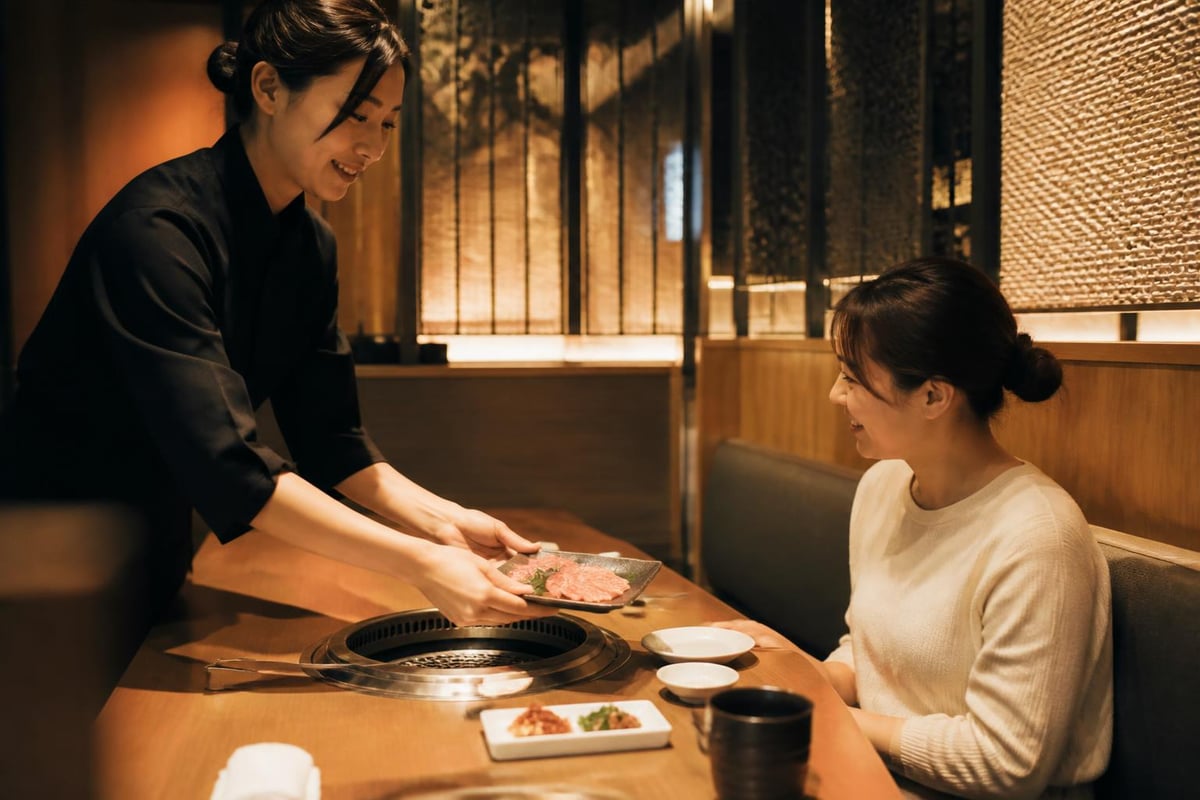
The curated selection of yakiniku establishments demonstrates how restaurants balance traditional elements with modern conveniences, creating accessible experiences for international visitors while preserving authentic cultural characteristics that define Japanese dining excellence.
Integrating Dining with Broader Travel Experiences
Strategic meal timing complements sightseeing activities throughout Tokyo. Following morning temple visits in Asakusa with premium yakiniku lunch maximizes daylight hours for exploration while enjoying quality dining during less crowded restaurant periods.
For extended stays, experiencing multiple yakiniku venues across different Tokyo neighborhoods provides comparative insights into regional styles and specialty approaches. This exploration strategy appeals particularly to culinary enthusiasts seeking comprehensive understanding beyond single exceptional meals.
Travelers prioritizing authentic local experiences benefit from venues near residential areas rather than exclusively tourist-focused districts. These establishments often maintain higher local patronage ratios, indicating consistent quality and value that sustains neighborhood loyalty versus transient visitor traffic.
After dinner, some travelers continue exploring Tokyo's nightlife while others return to comfortable accommodations. Those seeking extended stays in areas like Bali might appreciate Aquamarine Villa, offering private villa experiences ideal for relaxation after intensive travel periods exploring cities like Tokyo.
Dietary Restrictions and Special Accommodations
Beyond halal requirements, various dietary considerations affect yakiniku accessibility for international visitors with specific needs or preferences. Progressive restaurants increasingly accommodate diverse requirements, though communication clarity remains essential for proper execution.
Vegetarian options exist at most yakiniku restaurants, typically featuring grilled vegetables, mushrooms, and occasionally tofu preparations. However, cross-contamination risks from shared grills may concern strict vegetarians, requiring specific cooking surface requests.
Gluten sensitivities present challenges since traditional yakiniku sauces often contain soy-based ingredients with wheat components. Premium establishments demonstrating yakiniku tokyo best credentials increasingly maintain gluten-free sauce alternatives and can identify safe menu selections upon request.
Communicating Requirements Effectively
Language barriers complicate dietary restriction communication, particularly for complex medical allergies versus preference-based choices. Preparing written Japanese explanations of specific requirements, ideally reviewed by native speakers, prevents misunderstandings that could compromise health or dining satisfaction.
Restaurant staff appreciate advance notice regarding significant dietary restrictions, allowing kitchen preparation and ingredient verification that may prove difficult during peak service periods. This consideration demonstrates mutual respect supporting positive interactions even when language challenges exist.
Pregnancy-related restrictions around raw or undercooked items rarely affect yakiniku since grilling thoroughly cooks all beef before consumption. However, certain organ meats or specific preparations may warrant avoidance, requiring menu clarification when ordering unfamiliar items.
Maximizing Your Yakiniku Tokyo Best Experience
Synthesizing all these considerations creates framework for identifying and enjoying truly exceptional yakiniku dining matching individual preferences, budgets, and travel circumstances. The yakiniku tokyo best experiences balance multiple factors simultaneously: beef quality, service excellence, atmospheric appeal, accessibility, and value proposition.
Research depth directly correlates with satisfaction outcomes. Reviewing multiple information sources, comparing establishment specialties, and understanding neighborhood characteristics enables informed decisions preventing disappointing experiences or missed opportunities for remarkable meals.
Flexibility enhances options significantly. Diners willing to adjust timing, location, or specific menu expectations access broader possibilities than those maintaining rigid requirements regarding every dining aspect. This adaptability proves particularly valuable during high-demand periods when preferred options show limited availability.
Premium yakiniku investments deliver memorable experiences extending beyond immediate meal satisfaction. These dinners often become trip highlights referenced long after returning home, justifying expenditures that may seem substantial when initially budgeted but prove worthwhile upon reflection.
The combination of cultural immersion, culinary excellence, and social connection inherent in exceptional yakiniku dining creates value transcending simple cost-benefit calculations. These experiences foster deeper appreciation for Japanese culture, food craftsmanship, and hospitality traditions that define the nation's global reputation for excellence.
Finding yakiniku tokyo best experiences requires balancing quality expectations with practical considerations like location, certification requirements, and budget constraints. Whether seeking halal-certified options, premium A5 Wagyu experiences, or family-friendly atmospheres, Tokyo's diverse yakiniku landscape offers exceptional choices for discerning diners. For travelers and residents seeking authentic halal yakiniku featuring A5 Wagyu and Iga beef in Asakusa's historic district, Ninja Yakiniku delivers the perfect combination of premium quality, cultural authenticity, and welcoming hospitality that defines truly memorable dining experiences.