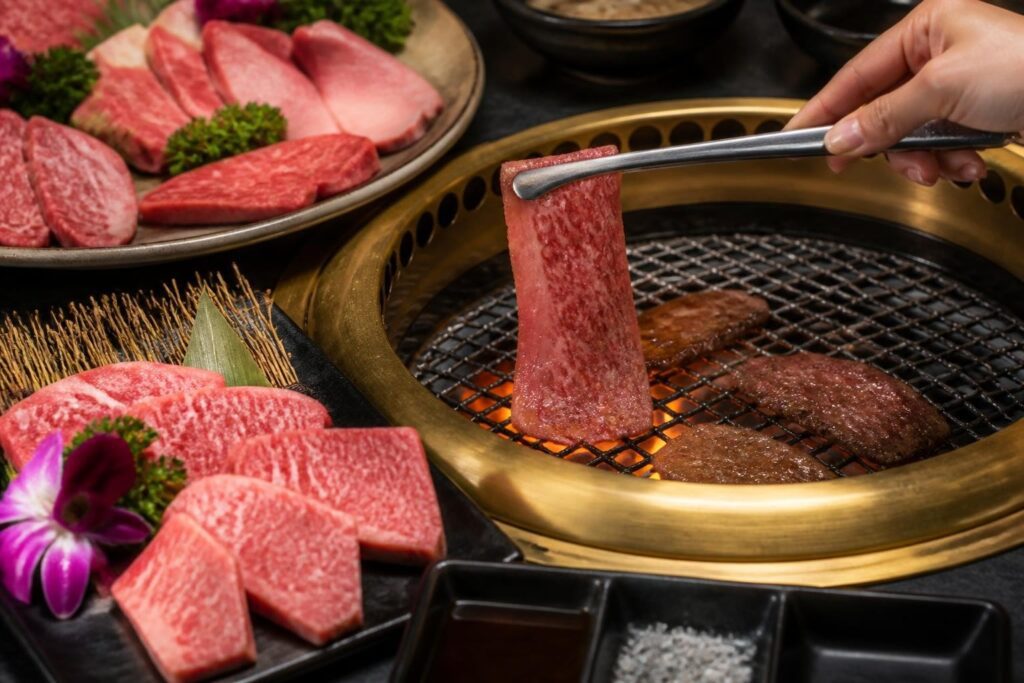
The sizzle of premium wagyu hitting a hot grill. The aroma of perfectly charred beef rising into the air. The anticipation building as you watch marbled fat melt into tender perfection. This is the magic that draws millions to experience a yakiniku restaurant Tokyo has to offer. But with hundreds of options scattered across the sprawling metropolis, from the neon-lit streets of Shibuya to the historic neighborhoods of Asakusa, finding the perfect spot can feel overwhelming. Whether you're a first-time visitor dreaming of authentic Japanese barbecue or a seasoned local seeking your next culinary adventure, understanding what makes Tokyo's yakiniku scene so special will transform your dining experience from ordinary to extraordinary.
The Cultural Heartbeat of Tokyo's Yakiniku Scene
Tokyo's relationship with yakiniku runs deeper than simple dining. It's woven into the fabric of the city's social culture, a place where businesspeople seal deals, families celebrate milestones, and friends gather after long workdays. The concept itself tells a fascinating story of cultural fusion, blending Korean grilling traditions with Japanese culinary refinement to create something entirely unique.
Walking through Tokyo's neighborhoods in 2026, you'll notice yakiniku restaurants have evolved beyond traditional settings. They've become experiential spaces where the act of grilling your own meat becomes theater, conversation, and meditation all at once.
From Post-War Innovation to Modern Excellence
The evolution of yakiniku in Tokyo began in the post-war era, when resourcefulness met creativity. What started as humble grilling spots has blossomed into an industry that showcases Japan's commitment to quality and precision. Today's yakiniku restaurant Tokyo establishments range from intimate four-table operations to sprawling multi-floor complexes, each bringing its own interpretation to the art of Japanese barbecue.
The transformation reflects broader changes in Japanese society. As dietary preferences expanded and international influences merged with local traditions, yakiniku developed its own distinct identity within Japanese cuisine.
What Sets Tokyo's Yakiniku Apart
The Meat Quality Revolution
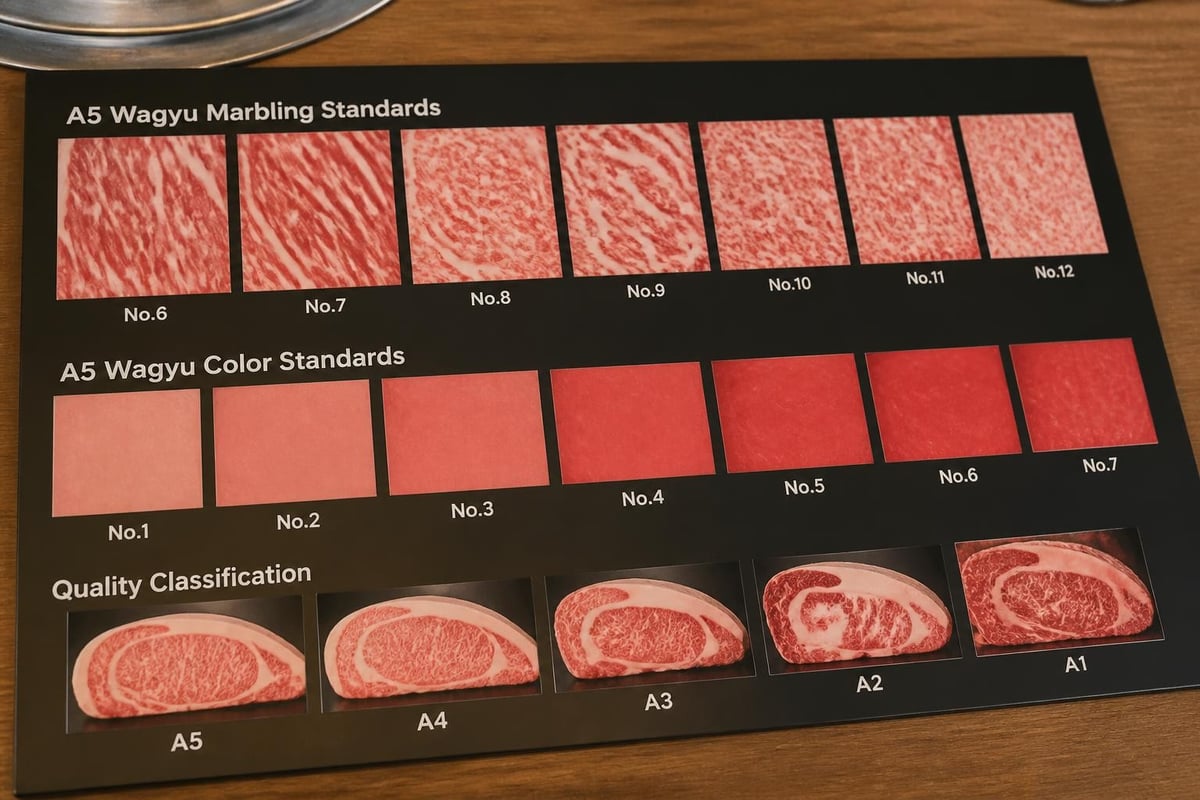
Premium beef grading in Japan follows rigorous standards that would make most other countries blush. The Japanese Meat Grading Association evaluates beef on a scale that considers:
- Yield grade (A, B, or C, with A being the highest)
- Meat quality score (1 through 5, with 5 representing the finest)
- Marbling (the intricate fat distribution that creates that melt-in-your-mouth texture)
- Color and brightness of both meat and fat
- Firmness and texture of the muscle
When you see A5 wagyu on a menu at a yakiniku restaurant Tokyo pride itself on, you're looking at the pinnacle of this grading system. The marbling in A5 beef creates a flavor profile that's simultaneously rich, delicate, and unforgettable.
Regional Beef Varieties Worth Knowing
| Beef Type | Origin | Characteristics | Best For |
|---|---|---|---|
| A5 Wagyu | Various regions | Extreme marbling, buttery texture | Premium cuts, special occasions |
| Iga Beef | Mie Prefecture | Balanced marbling, robust flavor | Versatile grilling, everyday dining |
| Matsusaka Beef | Mie Prefecture | Sweet fat, tender texture | Thin-sliced preparations |
| Kobe Beef | Hyogo Prefecture | Legendary marbling, delicate taste | Ultimate luxury experience |
| Yamagata Beef | Yamagata Prefecture | Firm texture, clean finish | Those who prefer less fat |
Different cuts tell different stories on the grill. Experienced diners at any yakiniku restaurant Tokyo locals recommend will guide you through a progression of flavors, starting with lighter cuts and building toward richer, more intensely marbled selections.
Navigating the Yakiniku Menu Like a Local
The menu at a traditional yakiniku restaurant can read like a foreign language, even if you speak Japanese. Understanding the cuts and their characteristics transforms confusion into confidence.
Premium Cuts You'll Encounter
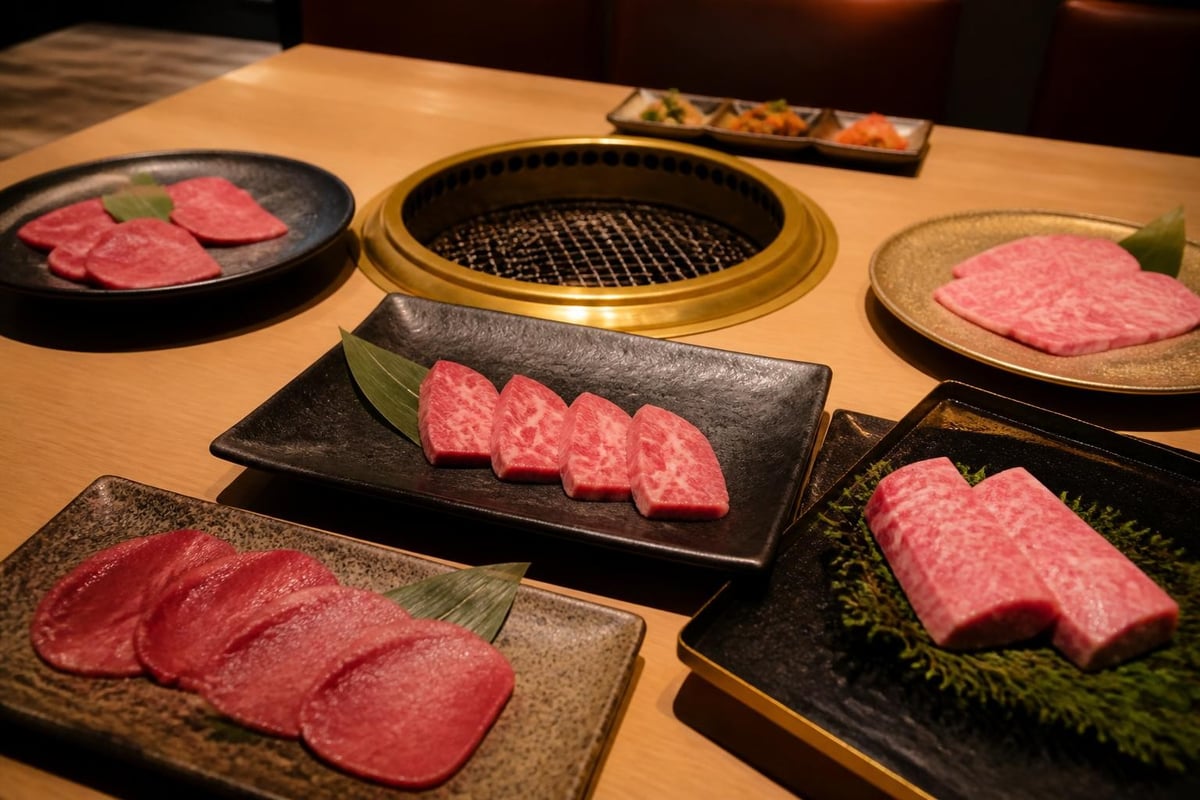
Kalbi (short rib) represents the gateway drug of yakiniku. These well-marbled ribs deliver rich flavor without overwhelming first-timers. The fat content creates a self-basting effect on the grill, practically guaranteeing success even for novice grillers.
Harami (skirt steak) offers a completely different experience. Leaner than kalbi, harami provides robust, beefy flavor that stands up to bold dipping sauces. It's the choice for diners who want intensity without excessive richness.
Tan (tongue) surprises newcomers with its tender texture and clean taste. Sliced thin and grilled quickly, tongue develops a slight char that contrasts beautifully with its mild flavor. Many Tokyo regulars start every yakiniku meal with tan, considering it essential preparation for the courses ahead.
The Art of Progression
- Begin with lean cuts to awaken your palate without overwhelming it
- Progress to moderately marbled selections as your taste buds warm up
- Peak with premium wagyu when your appreciation is fully engaged
- Finish with rice dishes or soup to cleanse and satisfy
This isn't rigid protocol but rather a framework that many yakiniku restaurants in Tokyo follow to optimize the dining experience. Think of it as a flavor journey with deliberate pacing.
Grilling Techniques That Elevate Your Experience
Mastering the grill at a yakiniku restaurant Tokyo veterans frequent isn't about showing off. It's about respecting the quality of the meat and maximizing your enjoyment.
Temperature Zones and Timing
Your table grill has hot spots and cooler areas. Learning to read these zones makes the difference between perfect and disappointing results:
- High-heat center: Reserved for quick-cooking items like thin-sliced tongue or vegetables
- Medium-heat periphery: Ideal for thicker cuts that need gradual cooking
- Cool edges: Perfect for keeping finished pieces warm without overcooking
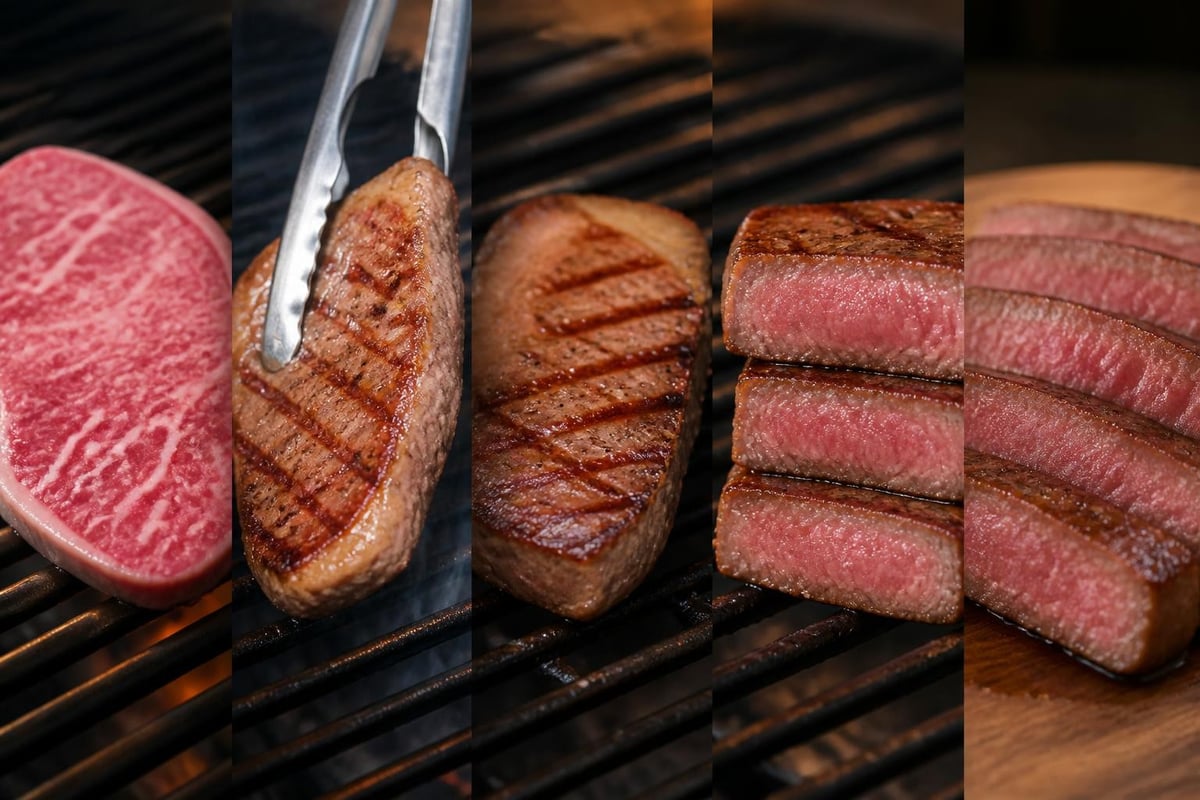
Thin cuts (1-2mm thickness) need mere seconds per side. Overcooking turns them from tender to tough in heartbeats. Watch for color change and the first signs of curling at the edges.
Medium cuts (3-5mm thickness) benefit from the flip-only-once approach. Let the first side develop color and slight char before turning. Patience rewards you with even cooking and maximum juiciness.
Thick cuts (6mm+) require a different mindset entirely. Start them over higher heat to develop crust, then migrate them to cooler zones to finish cooking through. The internal temperature should rise gradually, allowing fat to render without burning.
Common Mistakes and How to Avoid Them
| Mistake | Why It Happens | The Fix |
|---|---|---|
| Overcrowding the grill | Enthusiasm and hunger | Cook in small batches, allowing air circulation |
| Flipping too frequently | Nervousness about burning | Trust the process, flip once for most cuts |
| Using tongs aggressively | Trying to speed up cooking | Gentle handling preserves juices |
| Ignoring grill temperature | Assuming consistent heat | Monitor and adjust placement constantly |
| Eating too fast | Everything tastes amazing | Pace yourself to enjoy the full progression |
The Dining Culture and Etiquette
Understanding the unspoken rules at a yakiniku restaurant Tokyo regulars know by heart enhances everyone's experience, including your own.
Social Dynamics at the Grill
In Japanese dining culture, the person who grills often shifts throughout the meal. Someone might take charge initially, but as the evening progresses and conversation flows, grilling duties naturally rotate. This isn't about one person serving others but rather a communal activity where everyone participates.
Solo diners need not feel awkward. Tokyo's yakiniku scene welcomes individual explorers, and many restaurants feature counter seating with personal grills. The solo experience allows you to control pacing perfectly and indulge in exactly the cuts you crave.
Groups discover that yakiniku creates natural conversation rhythms. The active engagement of grilling provides comfortable pauses and shared focus, making it ideal for both old friends and new acquaintances.
Special Considerations for Dietary Requirements
The growing awareness of diverse dietary needs has transformed Tokyo's restaurant landscape. In 2026, finding a halal-certified yakiniku restaurant Tokyo offers becomes increasingly straightforward, though still requiring advance research.
Halal certification involves rigorous standards:
- Complete separation of preparation areas and equipment
- Certified halal meat sources with proper documentation
- Training staff on halal requirements and cross-contamination prevention
- Regular audits by certifying organizations
For Muslim travelers and residents, this certification removes uncertainty and allows full immersion in Tokyo's yakiniku culture without compromise.
Neighborhood Guide to Tokyo's Yakiniku Landscape
Asakusa: Where Tradition Meets Innovation
Asakusa carries the weight of Tokyo's history while embracing modern culinary evolution. The neighborhood's yakiniku restaurants benefit from this duality, offering traditional atmospheres infused with contemporary awareness of diverse dining needs.
The area's proximity to Sensoji Temple and other cultural landmarks makes it a natural hub for international visitors. Smart restaurateurs here recognize that authentic yakiniku experiences shouldn't exclude anyone based on dietary requirements. Halal-certified options have emerged to serve the area's diverse population and visitor base.
Other Notable Districts
Shibuya and Shinjuku pulse with energy, hosting yakiniku restaurants that cater to younger crowds and late-night diners. These areas excel in variety but can overwhelm with choices.
Ginza elevates yakiniku to luxury status, with prices reflecting premium locations and impeccable service. Expect formality and excellence in equal measure.
Ebisu and Nakameguro offer neighborhood intimacy, with smaller establishments building loyal followings through consistency and personal connection.
Making Reservations and Planning Your Visit
Spontaneity has its charms, but walking into a quality yakiniku restaurant Tokyo weekend evenings without reservations tests luck and patience. Popular spots book out days or weeks in advance, especially during peak seasons.
Booking Strategies
- Research and prioritize your top three choices
- Make reservations at least 3-5 days ahead for weekends
- Confirm dietary requirements when booking, not upon arrival
- Arrive promptly as tables often have time limits during busy periods
- Communicate clearly about group size and any special needs
Many restaurants now offer online booking systems with English interfaces, removing language barriers that once complicated the process.
Budget Planning
Setting realistic expectations about costs prevents sticker shock:
- Budget-friendly: ¥3,000-5,000 per person (standard cuts, basic sets)
- Mid-range: ¥6,000-10,000 per person (good quality wagyu, variety)
- Premium: ¥12,000-20,000 per person (A5 wagyu, full course)
- Ultra-luxury: ¥25,000+ per person (legendary beef, exclusive experience)
Remember that drinks, appetizers, and rice dishes add to the base cost. Most yakiniku meals land in the ¥8,000-12,000 range per person when you balance quality with value.
Seasonal Variations and Special Offerings
Tokyo's yakiniku scene responds to seasons in subtle but meaningful ways. While beef remains available year-round, accompaniments and special cuts reflect seasonal availability.
Spring Delights
Spring brings fresh vegetables perfect for grilling alongside meat. Asparagus, baby corn, and spring onions appear on menus, their sweetness complementing rich beef flavors. Some restaurants feature limited-time offerings highlighting specific beef varieties at their seasonal peak.
Summer Refreshment
Heat drives menu innovation toward lighter preparations and refreshing accompaniments. Cold noodles, crisp salads, and citrus-based sauces balance the grill's warmth. Outdoor seating areas at select restaurants transform summer evenings into festive occasions.
Autumn Abundance
Fall mushrooms and root vegetables enhance yakiniku's earthy qualities. Matsutake mushrooms, when available, command premium prices but deliver incomparable aroma and flavor. This season showcases the harmony between land and livestock.
Winter Comfort
Cold weather amplifies yakiniku's warming properties. Heartier cuts and richer preparations dominate winter menus. Hot sake and warming soups complement the grilling experience, creating cozy refuges from Tokyo's winter chill.
The Role of Accompaniments and Sides
While beef stars in the yakiniku show, supporting players deserve recognition for their contributions to the overall experience.
Essential Side Dishes
Kimchi and pickled vegetables cut through richness, cleansing the palate between bites of fatty beef. The fermented flavors and crisp textures provide necessary contrast.
Salads might seem mundane, but fresh greens dressed in sesame oil and light vinaigrettes refresh and prepare your taste buds for the next round of grilling.
Rice dishes ground the meal, transforming rich flavors into complete satisfaction. Whether white rice, fried rice, or specialty preparations, they provide essential balance.
Soup typically appears toward meal's end, offering warmth and comfort as the grilling winds down. Egg drop soup or light broths cleanse and soothe.
Sauce Selection Strategy
Most yakiniku restaurants offer multiple dipping sauce options:
- Tare: Sweet soy-based sauce, the classic choice
- Ponzu: Citrus-soy combination, lighter and brighter
- Salt and wasabi: Minimalist approach highlighting beef quality
- Miso-based: Rich, funky depth for adventurous palates
- Spicy variations: Heat levels tailored to preference
Experiment across your meal rather than committing to one sauce. Different cuts shine with different accompaniments, and discovering perfect pairings adds another dimension to your experience.
What to Expect at a Family-Friendly Establishment
Not all yakiniku restaurants cater equally to families with children. Those that do create welcoming environments through thoughtful details.
Family-Oriented Features
Safety considerations top the list when children join yakiniku dining. Family-friendly spots provide protective grill guards, cooler-burning grill options, and staff trained to monitor and assist. Some offer alternative cooking methods for younger diners uncomfortable with open flames.
Menu flexibility allows children to enjoy the experience without overwhelming them. Smaller portions, milder seasonings, and familiar items alongside exotic offerings accommodate developing palates.
Space and atmosphere matter tremendously. Families benefit from semi-private seating or booths that contain energy and noise without feeling isolated. Patient, understanding staff make the difference between stressful and enjoyable family meals.
Solo Traveler Considerations
Tokyo's solo dining culture embraces individuals exploring the city's culinary landscape. A yakiniku restaurant Tokyo solo travelers appreciate creates comfort and inclusion rather than isolation.
Making Solo Dining Work
Counter seating with personal grills empowers solo diners with control and connection. You're part of the restaurant's energy without needing to manage group dynamics or share grilling duties.
Set menus take decision fatigue out of the equation. Rather than calculating appropriate quantities for one person, you receive chef-curated selections in perfect portions. This approach often provides better value and guaranteed variety.
Communication flows more easily when dining alone. Staff have time for brief conversations, recommendations, and cultural insights they might not share with large, busy groups. These interactions often become trip highlights.
Understanding Value Beyond Price
Cost consciousness doesn't mean choosing the cheapest option but rather finding where price and quality intersect with your priorities and budget.
What You're Actually Paying For
Premium pricing at top-tier yakiniku restaurants reflects multiple factors:
- Beef sourcing: Direct relationships with specific farms and ranches
- Aging processes: Time and expertise invested in meat preparation
- Butchery skills: Precision cutting that maximizes each muscle's potential
- Location: Prime real estate in central Tokyo districts
- Service quality: Trained staff who enhance rather than merely facilitate dining
- Atmosphere: Design, ambiance, and comfort considerations
Budget options deliver satisfying experiences through different priorities. They might use excellent-quality domestic beef that doesn't carry prestigious regional designation. Locations in less central areas reduce overhead. Streamlined service models focus efficiency over elaborate attention.
Neither approach is inherently superior. Your perfect yakiniku restaurant Tokyo visit depends on matching these factors with your specific situation and preferences.
The Future of Yakiniku in Tokyo
Tokyo's yakiniku scene continues evolving, driven by changing demographics, increasing internationalization, and growing awareness of diverse dietary needs. The expansion of halal-certified options represents just one facet of this evolution.
Emerging Trends for 2026 and Beyond
Sustainability consciousness influences beef sourcing decisions, with some restaurants highlighting environmental practices and ethical treatment of livestock. Transparency about supply chains attracts diners who care about food origins.
Technology integration streamlines reservations, payments, and even cooking assistance. Some experimental restaurants test smart grills that monitor temperature and suggest optimal cooking times.
Hybrid concepts blend yakiniku with other dining styles, creating fusion experiences that appeal to adventurous eaters while respecting traditional foundations.
Inclusive dining expands beyond halal certification to accommodate various dietary restrictions and preferences without compromise in quality or experience.
The fundamental appeal remains constant: the primal satisfaction of cooking quality meat over fire, the social warmth of shared meals, and the uniquely Japanese attention to detail and quality. These elements ensure yakiniku's continued prominence in Tokyo's dining landscape.
Tips for First-Time Visitors
Walking into your first yakiniku restaurant Tokyo adventure doesn't require expertise, just openness and basic preparation.
Before You Go
- Watch videos of yakiniku dining to familiarize yourself with the process
- Learn basic cuts so menus make sense
- Understand your preferences: Do you prefer lean or fatty? Mild or bold?
- Check dietary accommodations if you have restrictions
- Make reservations rather than hoping for walk-in availability
During Your Meal
- Ask questions without embarrassment, staff expect and welcome them
- Start conservatively with quantities, you can always order more
- Pace yourself to avoid overwhelming your palate or your stomach
- Try staff recommendations they know what's exceptional that day
- Enjoy the process rather than rushing toward the finish
After Your Experience
- Take notes on what you loved for next time
- Share feedback with the restaurant if something stood out
- Explore different styles on subsequent visits to broaden your understanding
- Recommend favorites to fellow travelers and friends
Health and Wellness Considerations
Yakiniku's nutritional profile varies dramatically based on choices made throughout the meal.
Making Health-Conscious Decisions
Balancing cuts between lean and marbled allows you to enjoy premium wagyu's richness while moderating overall fat intake. Alternating between kalbi and harami, for instance, provides variety and balance.
Loading up on vegetables transforms yakiniku from pure indulgence into more balanced nutrition. Grilled vegetables taste fantastic and provide fiber, vitamins, and bulk that slow consumption of higher-calorie items.
Controlling portions proves easier at yakiniku than many dining formats because you order incrementally rather than facing a massive plate at once. This built-in portion control supports mindful eating.
Choosing cooking methods matters too. Allowing excess fat to drip away during grilling reduces overall consumption compared to eating seared meat where fat remains.
The key lies in conscious choices rather than treating every yakiniku meal as pure abandon. The format supports moderation if you approach it thoughtfully.
Exploring a yakiniku restaurant Tokyo offers reveals layers of culture, craftsmanship, and culinary excellence that extend far beyond simply grilling meat. From understanding beef grades to mastering grill techniques and navigating the social dynamics of shared cooking, each element contributes to an experience that's uniquely Japanese yet warmly accessible. Whether you're seeking halal-certified wagyu, family-friendly atmosphere, or solo dining comfort, Ninja Yakiniku welcomes you to discover authentic yakiniku in the heart of Asakusa, where premium A5 Wagyu and Iga beef meet genuine hospitality and cultural inclusivity. Your perfect Tokyo grilling adventure awaits.