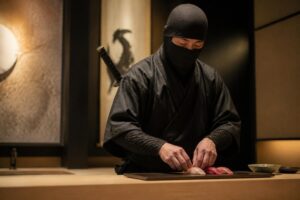
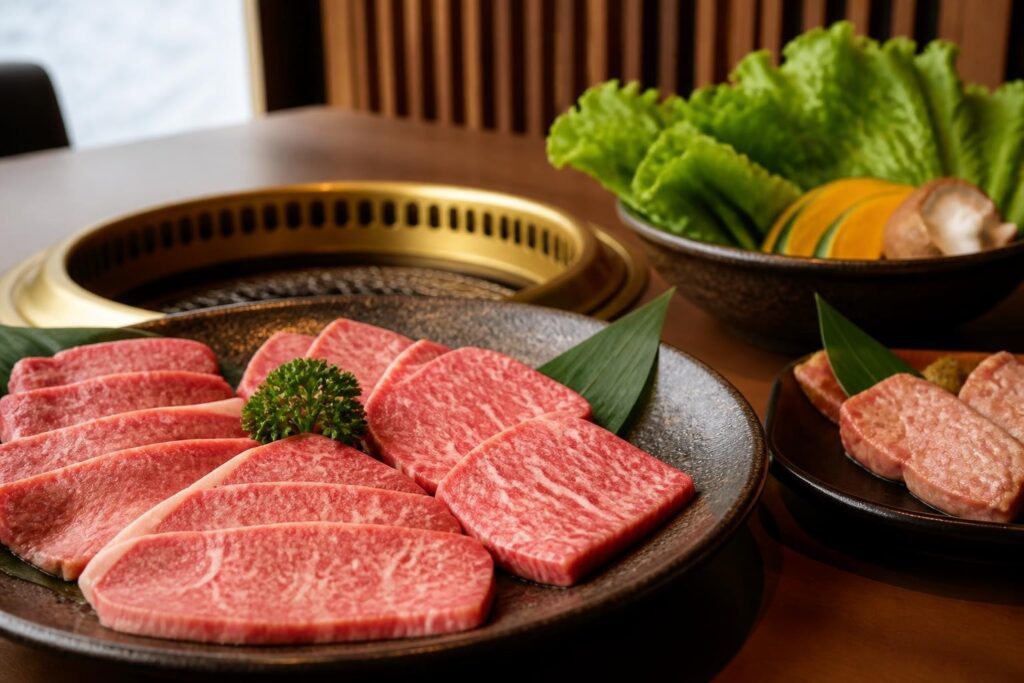
The sizzle of perfectly marbled beef hitting a hot grill, the rich aroma filling the air, and the anticipation of tasting one of the world's most luxurious meats-this is the experience of yakiniku A5. When Japanese grilling traditions meet the highest grade of Wagyu beef, something magical happens. For centuries, Japanese culinary artisans have refined the practice of grilling beef tableside, and when that beef reaches the pinnacle A5 designation, you're not just having dinner-you're participating in a ritual that celebrates craftsmanship, quality, and pure indulgence. Whether you're a first-time visitor to Tokyo or a seasoned connoisseur seeking authentic halal options, understanding what makes yakiniku A5 special transforms a meal into an unforgettable memory.
What Makes Yakiniku A5 the Pinnacle of Japanese Grilling
The term "A5" isn't just marketing hype-it represents the absolute peak of Japan's rigorous beef grading system. When you encounter yakiniku A5 on a menu, you're looking at beef that has achieved the highest possible scores across multiple categories. The Japanese Meat Grading Association evaluates beef based on yield (A through C) and quality (1 through 5), with A5 representing the best yield and finest quality.
But what does this actually mean for your dining experience? A5 Wagyu possesses marbling so intricate that it creates a snowflake-like pattern throughout the meat. This intense marbling-called "sashi" in Japanese-contains unsaturated fats that melt at lower temperatures than typical beef fat. When you're grilling A5 Wagyu yakiniku-style, these fats begin melting almost immediately upon contact with heat, creating an extraordinarily tender, buttery texture.
The grading process examines four key quality factors:
- Marbling (BMS score): A5 beef scores 8-12 on the Beef Marbling Standard
- Meat color and brightness: Evaluated for optimal freshness and appeal
- Firmness and texture: Ensuring proper aging and quality
- Fat color, luster, and quality: Pure white fat indicates superior genetics and diet
The Science Behind A5's Exceptional Quality
A5 Wagyu cattle undergo specialized raising practices that span 28-30 months, significantly longer than standard beef production. Farmers carefully monitor diet, genetics, and environment to achieve the characteristic marbling. The cattle receive high-quality feed that includes grains, wheat, and sometimes even sake lees, contributing to the fat's distinctive flavor profile.
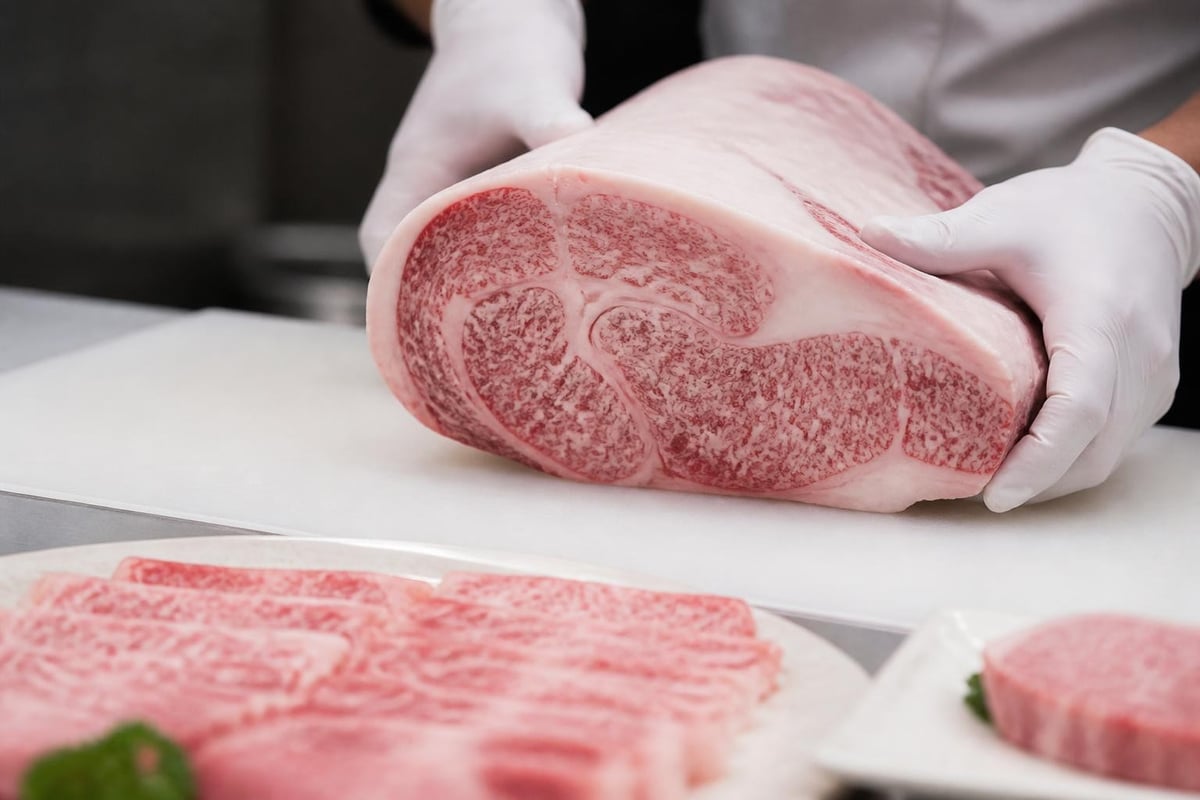
Understanding Different Cuts for Yakiniku A5 Preparation
Not all A5 Wagyu cuts perform equally on the yakiniku grill. The traditional yakiniku cooking method involves quickly searing thinly-sliced meat over high heat, which means cut selection dramatically impacts your experience. Each cut brings unique characteristics to the table-literally.
Kalbi (Short Rib) stands as the most popular yakiniku A5 cut. Sliced across the bone into thin strips, kalbi delivers incredible marbling with slightly more chew than other premium cuts. The bone contact adds depth of flavor while the fat renders beautifully on the grill. When sourced from A5 cattle, kalbi becomes transcendent-rich enough to satisfy but balanced enough to enjoy throughout an entire meal.
Ribeye (Rosu) represents the classic choice for those seeking maximum marbling. Cut from the rib section, A5 ribeye features eye-catching fat distribution that melts into pure luxury. For yakiniku preparation, ribeye gets sliced thin enough to cook in seconds while maintaining structural integrity. The quick cooking preserves the delicate flavor compounds that make A5 special.
Here's how different cuts compare for yakiniku A5 dining:
| Cut | Marbling Intensity | Cook Time | Flavor Profile | Best For |
|---|---|---|---|---|
| Kalbi (Short Rib) | High | 30-45 seconds | Rich, balanced | First-timers |
| Ribeye (Rosu) | Very High | 20-30 seconds | Buttery, intense | Marbling lovers |
| Sirloin (Hire) | Moderate | 45-60 seconds | Lean, beefy | Texture enthusiasts |
| Chuck Flap (Zabuton) | Very High | 30-40 seconds | Complex, nutty | Adventurous diners |
| Brisket (Karubi) | High | 40-50 seconds | Sweet, tender | Traditional choice |
Lesser-Known Cuts That Shine in A5 Grade
Beyond the standard cuts, adventurous diners discover that A5 elevates even humble portions into extraordinary experiences. Tongue (Tan) might seem unusual, but when it comes from A5 cattle, the typically lean cut contains enough fat integration to remain tender and juicy. Thinly sliced and quickly seared, A5 tongue delivers a unique textural experience with subtle, clean flavors.
Skirt steak (Harami) technically comes from the diaphragm rather than true skeletal muscle. In A5 cattle, even this working muscle develops remarkable tenderness and flavor concentration. Yakiniku restaurants often reserve their best harami for customers who appreciate nuanced beef characteristics beyond pure marbling scores.
The Art of Grilling Yakiniku A5 to Perfection
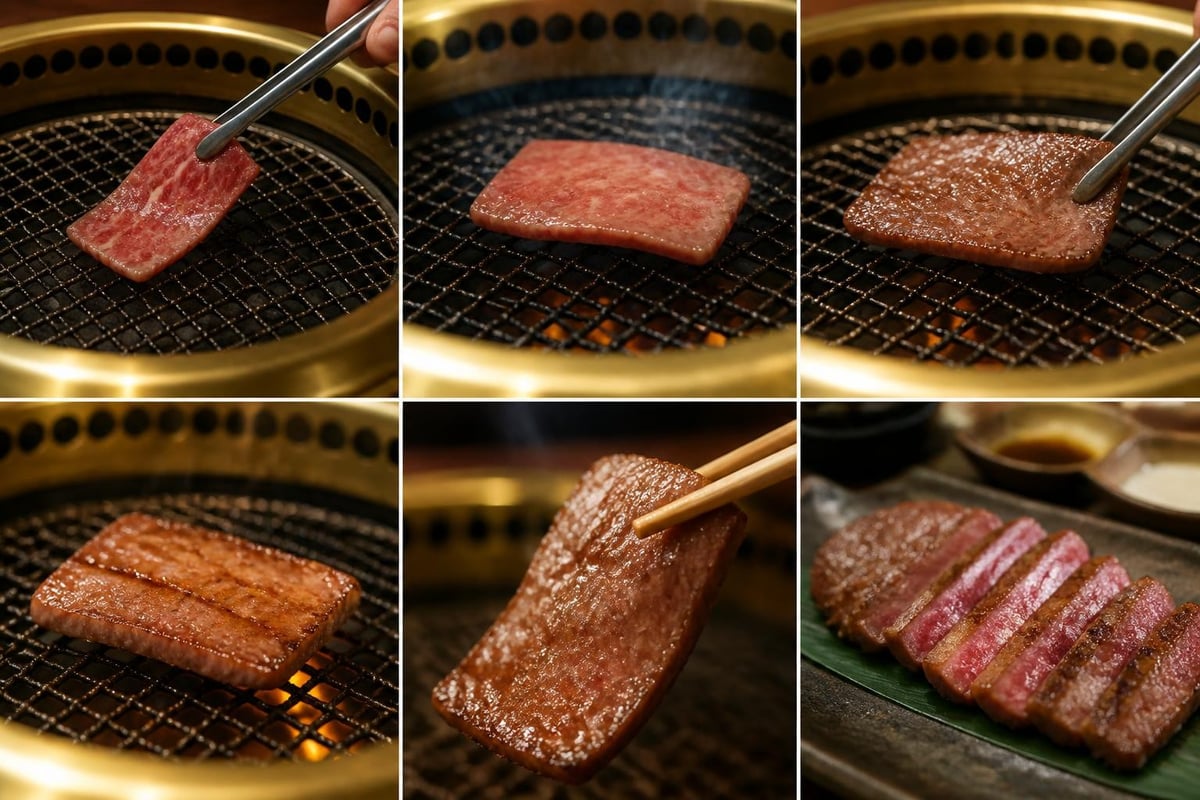
Grilling yakiniku A5 requires restraint-a challenge when you're eager to taste such premium beef. The cardinal rule: less is more. Over-cooking A5 Wagyu doesn't just waste money; it fundamentally transforms the eating experience from sublime to merely good. The intensive marbling that makes A5 special also makes it particularly sensitive to heat.
Traditional yakiniku restaurants provide individual grills at each table, giving diners direct control over their cooking. For A5 cuts, follow this essential process:
- Ensure the grill reaches proper temperature before placing any meat. You want medium-high heat-hot enough to sear quickly but not so intense that fat ignites.
- Place slices individually without crowding. Each piece needs breathing room for even cooking and easy flipping.
- Cook for 15-30 seconds per side depending on thickness. Watch for the meat to change color around the edges.
- Remove immediately when done to a cooling plate. Residual heat continues cooking the meat.
- Rest for 10-15 seconds before eating to allow juices to redistribute.
Reading the Meat: Visual Cues for Perfect Doneness
With yakiniku A5 preparation, visual cues matter more than timing. The meat tells you when it's ready. Look for the surface to develop a light caramelization-a golden-brown color rather than deep char. The edges should curl slightly as proteins contract.
For the flip: When you see the top surface begin to glisten and small beads of moisture appear, it's time. A5's abundant fat melts so quickly that you'll notice the meat becoming more translucent. Don't wait for the entire piece to change color; flipping at 40-50% color change prevents overcooking.
The second side cooks faster than the first because the meat's already heated through. Fifteen to twenty seconds usually suffices. Some cuts, particularly heavily marbled ribeye, might only need ten seconds on the second side.
Navigating the Yakiniku A5 Dining Experience
Walking into an authentic yakiniku restaurant for the first time can feel overwhelming. The menu lists cuts you've never heard of, the grill awaits your expertise, and you're expected to cook your own expensive beef. Understanding the flow makes everything smoother and more enjoyable.
Most yakiniku establishments offer courses or à la carte ordering. For yakiniku A5 specifically, courses provide excellent value and variety. A typical A5 course might include five to seven different cuts, progressing from lighter, leaner selections to increasingly rich, heavily marbled pieces. This progression isn't arbitrary-it mirrors traditional Japanese dining philosophy where flavors build throughout the meal.
Starting with lighter cuts like sirloin or tongue prepares your palate for the richness ahead. These cuts showcase A5's superior texture and subtle flavor without overwhelming your taste buds. Middle course cuts-kalbi, standard ribeye-introduce more intense marbling. The finale typically features the most luxurious cuts: premium ribeye, chuck flap, or special seasonal selections.
Accompaniments That Enhance Yakiniku A5
The right accompaniments don't mask A5's flavor-they frame it. Traditional yakiniku restaurants provide several dipping sauces and condiments, each serving a specific purpose:
- Tare (sweet soy-based sauce): Adds umami depth and slight sweetness
- Ponzu (citrus soy sauce): Cuts through richness with acidity
- Sea salt and wasabi: Highlights natural beef flavors
- Sesame oil with salt: Provides nutty complement to fatty cuts
- Fresh lemon: Brightens palate between bites
For yakiniku A5, many connoisseurs advocate minimal seasoning. A light sprinkle of sea salt or a quick dip in ponzu allows the beef's intrinsic flavor to shine. Save heavier tare sauces for leaner cuts that benefit from additional flavor complexity.
Side dishes play an essential supporting role. Crisp lettuce wraps (ssam) provide textural contrast and help cleanse the palate. Kimchi or pickled vegetables offer acidic counterpoints that refresh between rich bites. Steamed rice serves as a neutral base that absorbs flavors and prevents palate fatigue during longer meals.
Why Location Matters: Finding Authentic Yakiniku A5 in Tokyo
Tokyo houses thousands of yakiniku restaurants, but not all A5 experiences equal each other. Location influences everything from sourcing relationships to atmosphere to price points. Areas with deep culinary traditions tend to maintain higher standards for ingredient quality and preparation methods.
Asakusa, one of Tokyo's most historic districts, offers a unique advantage for yakiniku dining. The neighborhood's long-standing connection to traditional Japanese culture extends to its restaurant scene. Establishments here often maintain relationships with specific farms and producers, ensuring consistent A5 quality. Walking through Asakusa's streets, you'll notice how restaurants integrate into the cultural fabric rather than operating as tourist attractions.
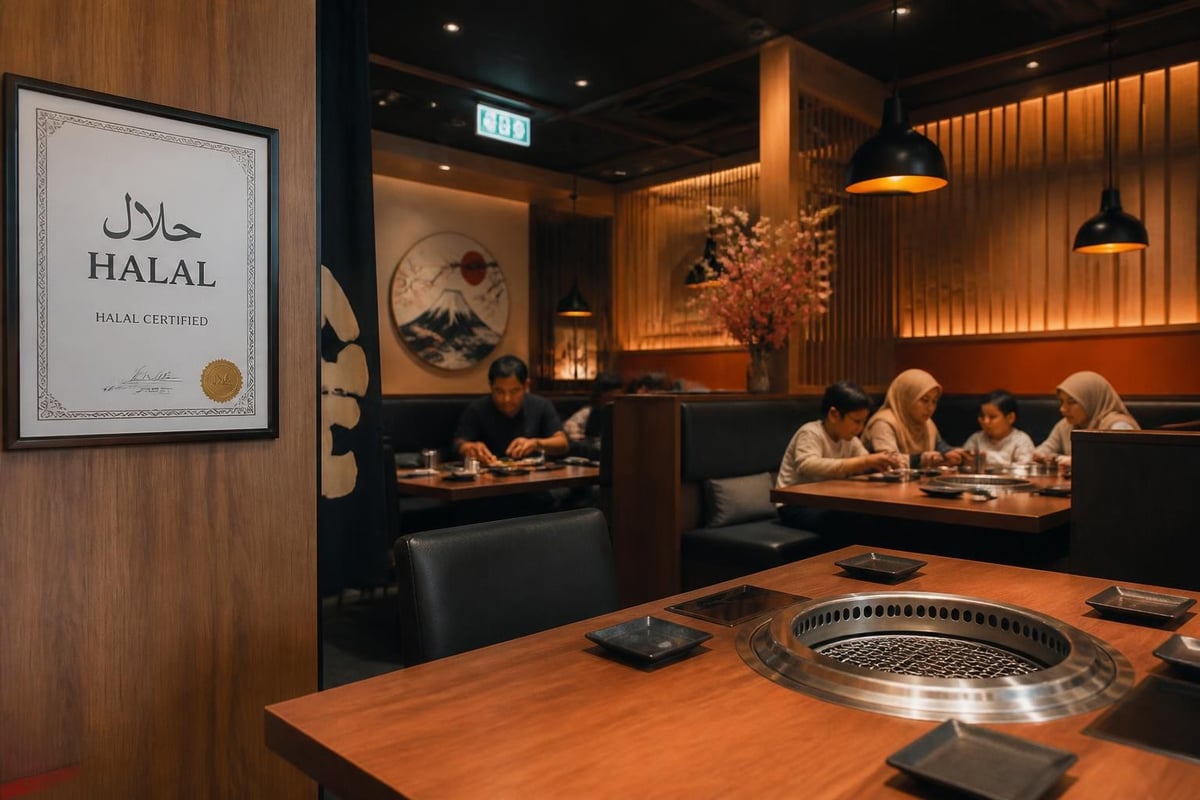
For Muslim travelers and those seeking halal options, finding yakiniku A5 that meets dietary requirements once posed significant challenges. The intersection of premium Japanese beef and halal certification remained rare until recent years. Now, specialized restaurants have emerged that maintain both uncompromising quality standards and proper halal certification, making authentic A5 experiences accessible to previously underserved communities.
When evaluating yakiniku A5 restaurants, consider these factors:
| Factor | What to Look For | Why It Matters |
|---|---|---|
| Certification | Official halal documentation displayed | Ensures compliance with dietary laws |
| Sourcing Transparency | Named farms or regions mentioned | Indicates quality control and traceability |
| Atmosphere | Balance of traditional and welcoming | Enhances overall dining experience |
| Staff Knowledge | Detailed explanations of cuts and preparation | Improves your cooking and enjoyment |
| Pricing Structure | Clear course menus with inclusive options | Prevents confusion and hidden costs |
The Solo Diner's Guide to Yakiniku A5
Many assume yakiniku works only for groups, but solo dining offers distinct advantages. You control the entire grill, cooking each piece exactly to your preference without negotiating with tablemates. You can explore cuts at your own pace, lingering over favorites or quickly moving past less appealing options.
The key to successful solo yakiniku A5 dining lies in ordering appropriately. Rather than full courses designed for multiple people, opt for smaller assortments that provide variety without waste. Some premium Wagyu options work perfectly for individual dining when portioned correctly.
Family-friendly yakiniku restaurants create environments where solo travelers feel welcome alongside groups. Staff attention typically improves for solo diners-servers can provide more personalized guidance on cooking techniques and cut selection. This individualized service transforms what might feel awkward into an educational, engaging experience.
Health Considerations and Nutritional Aspects of Yakiniku A5
The marbling that makes yakiniku A5 so desirable also raises questions about health implications. A5 Wagyu contains significantly more fat than conventional beef-a 100-gram serving might contain 50-60% fat by weight. However, the composition of that fat tells a more nuanced story than simple percentages suggest.
Research into Wagyu fat composition reveals higher percentages of monounsaturated fats compared to typical beef. The same fats found in olive oil and avocados-oleic acid specifically-comprise a large portion of A5 Wagyu's fat profile. Additionally, Wagyu contains higher levels of omega-3 and omega-6 fatty acids than conventional beef.
Does this make yakiniku A5 "healthy"? Not exactly. But it does mean the fat composition differs meaningfully from standard beef, potentially offering different metabolic impacts. The key lies in portion control and frequency. Yakiniku dining naturally encourages smaller portions-thin slices cooked individually rather than large steaks consumed in one sitting.
Practical Tips for Balanced Yakiniku A5 Enjoyment
Enjoying yakiniku A5 as part of a balanced approach requires awareness and strategy:
- Order vegetable plates alongside meat courses for fiber and nutrients
- Pace your meal with breaks between courses to assess fullness
- Share rich cuts when dining with others to sample variety without excess
- Balance with lighter days before and after yakiniku dining
- Hydrate thoroughly as protein and fat require more water for digestion
The yakiniku cooking method itself offers health advantages. Grilling allows excess fat to drip away rather than remaining in the meat as with pan-frying or roasting. The quick cooking at high heat develops flavor through Maillard reactions without requiring additional fats or oils.
Cultural Context: Yakiniku A5's Place in Japanese Dining Traditions
Understanding yakiniku's cultural significance deepens appreciation for the A5 experience. Yakiniku emerged in Japan during the post-war period, influenced by Korean grilling traditions but adapted to Japanese tastes and ingredients. The practice of grilling meat tableside initially served practical purposes-small living spaces meant outdoor or specialized cooking equipment.
As Japan's economy grew, yakiniku evolved from necessity to celebration. The practice became associated with special occasions, business entertainment, and family gatherings. Upgrading from standard beef to premium grades like A5 represents this celebratory aspect-marking important moments with exceptional food.
The introduction of A5 Wagyu to yakiniku menus occurred relatively recently in historical terms. Traditional yakiniku focused on variety and value rather than premium single-origin beef. As domestic Wagyu production expanded and grading systems formalized, restaurants began featuring specific grades and origins. Now, yakiniku A5 occupies its own category-recognized as the pinnacle experience that blends grilling tradition with Japan's finest beef production.
For international visitors, particularly those from cultures with different dining customs, yakiniku offers accessible entry into Japanese food culture. The interactive, hands-on nature breaks down barriers that might exist with formal kaiseki dining or complex sushi etiquette. You're expected to participate, experiment, and engage directly with your food.
Seasonal Considerations and Regional Variations
While A5 grading remains constant year-round, the yakiniku A5 experience shifts with seasons. Japanese dining traditions emphasize seasonality, and premium beef restaurants extend this philosophy to their menus. Spring might feature younger cattle with slightly different fat composition, while autumn often showcases beef from animals that grazed on seasonal pastures before finishing.
Regional variations in A5 production create distinct flavor profiles. Miyazaki beef, famous for its consistent A5 grading, tends toward sweeter, more delicate flavors. Kobe beef, perhaps the most internationally recognized name, offers intense marbling with nutty undertones. Matsusaka beef develops particularly soft texture due to specialized raising practices including massage and beer feeding.
When dining at yakiniku restaurants, asking about current offerings reveals these seasonal and regional nuances:
- Spring (March-May): Lighter flavors, emphasis on texture
- Summer (June-August): Leaner cuts featured alongside rich options
- Autumn (September-November): Peak marbling, complex flavors
- Winter (December-February): Richest cuts, maximum fat content
Matching Beverages to Yakiniku A5
The intensity of yakiniku A5 demands thoughtful beverage pairing. Rich, fatty meat requires drinks that cleanse and refresh rather than compete with or mimic the beef's characteristics. Traditional Japanese beverages excel in this role.
Green tea, served hot or cold, provides tannins that cut through fat while cleansing the palate. The slight astringency prepares your taste buds for the next bite. For alcoholic options, light lagers and pilsners offer carbonation and crispness that contrast beautifully with rich beef. Avoid heavy, malty beers that add rather than balance richness.
Sake pairing with yakiniku A5 requires careful selection. Dry, light sake styles (karakuchi) work better than sweet varieties. The alcohol helps dissolve fat molecules on your palate while the clean finish prevents flavor fatigue. Some restaurants even offer special sake selections specifically chosen to complement their A5 offerings.
Maximizing Value: Getting the Most from Your Yakiniku A5 Experience
Premium yakiniku A5 represents a significant investment. Making the most of that investment requires preparation and awareness. Understanding what you're paying for-and what actually enhances your experience-prevents disappointment and ensures satisfaction.
First, recognize that portion sizes for A5 naturally run smaller than standard beef. The richness means you'll feel satisfied with less volume. A 100-gram serving that seems small on paper provides substantial satiation when the fat content reaches A5 levels. Restaurants price accordingly-you're paying for quality, not quantity.
Course menus typically offer better value than à la carte ordering for yakiniku A5. Well-designed courses balance cuts strategically, providing variety while controlling portions of the most expensive selections. You'll taste more diversity and likely spend less than if you ordered randomly from the menu.
Timing your visit impacts both availability and experience. Weekday lunches often feature special pricing on premium items, including A5 courses. The lunch crowd tends toward business diners and food enthusiasts rather than casual tourists, creating a more focused atmosphere. Evening dining offers the full range of options but comes with premium pricing and potential wait times.
Questions to Ask Your Server
Don't hesitate to engage with restaurant staff. Knowledgeable servers enhance your yakiniku A5 experience significantly by guiding selection and preparation. Questions that typically yield useful information include:
- "Which cuts do you recommend for first-time A5 diners?"
- "How does your current A5 selection compare to previous months?"
- "What's the ideal cooking time for this specific cut?"
- "Which sauce or seasoning best complements this cut?"
- "Do you have any special or seasonal A5 offerings today?"
Quality yakiniku restaurants employ staff who understand their products intimately. They've tasted the cuts, know the suppliers, and can explain differences between options. This expertise represents part of what you're paying for-use it to enhance your meal rather than struggling through menu decisions alone.
The Future of Yakiniku A5: Trends and Developments
The yakiniku A5 landscape continues evolving as consumer preferences shift and production methods advance. Sustainability concerns increasingly influence premium beef production, with farms adopting practices that reduce environmental impact while maintaining quality standards. Some producers now market their A5 beef based on carbon footprint reduction or regenerative agriculture practices.
Accessibility represents another major trend. Halal certification of A5 Wagyu remained extremely rare until recent years due to the specialized slaughter and handling requirements. Now, increased demand from Muslim consumers and international markets has encouraged more producers to pursue certification. This expansion allows previously excluded communities to experience authentic yakiniku A5 in accordance with their beliefs.
Technology integration is reshaping the yakiniku dining experience without sacrificing tradition. Smart grills that monitor temperature and suggest cooking times help novices achieve better results without removing the hands-on aspect that makes yakiniku special. Digital menus with detailed cut explanations and origin information provide transparency while reducing language barriers for international visitors.
Price fluctuations driven by global demand mean yakiniku A5 will likely become increasingly premium. Limited supply meets growing international awareness of Japanese Wagyu quality, creating upward price pressure. However, this also incentivizes farms to pursue A5 grading more aggressively, potentially increasing availability over time.
The democratization of knowledge through online resources means diners arrive more educated than ever. First-time yakiniku A5 consumers now often possess significant background knowledge from research and virtual experiences before their actual visit. Restaurants adapting to this informed customer base provide deeper experiences-farm tours, producer partnerships, and educational components alongside traditional service.
Experiencing yakiniku A5 represents more than just eating premium beef-it's participating in a culinary tradition that celebrates quality, craftsmanship, and the pure pleasure of exceptional food. Understanding the grading, cuts, cooking techniques, and cultural context transforms a meal into a meaningful experience you'll remember long after the last bite. If you're ready to discover authentic yakiniku A5 with the added assurance of halal certification in the heart of Tokyo's historic Asakusa district, Ninja Yakiniku welcomes you to experience the perfect blend of tradition, quality, and inclusivity where every guest-solo traveler or family alike-can savor the pinnacle of Japanese grilling excellence.