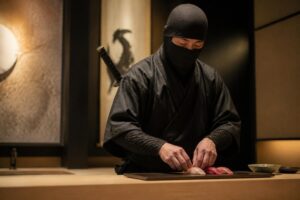
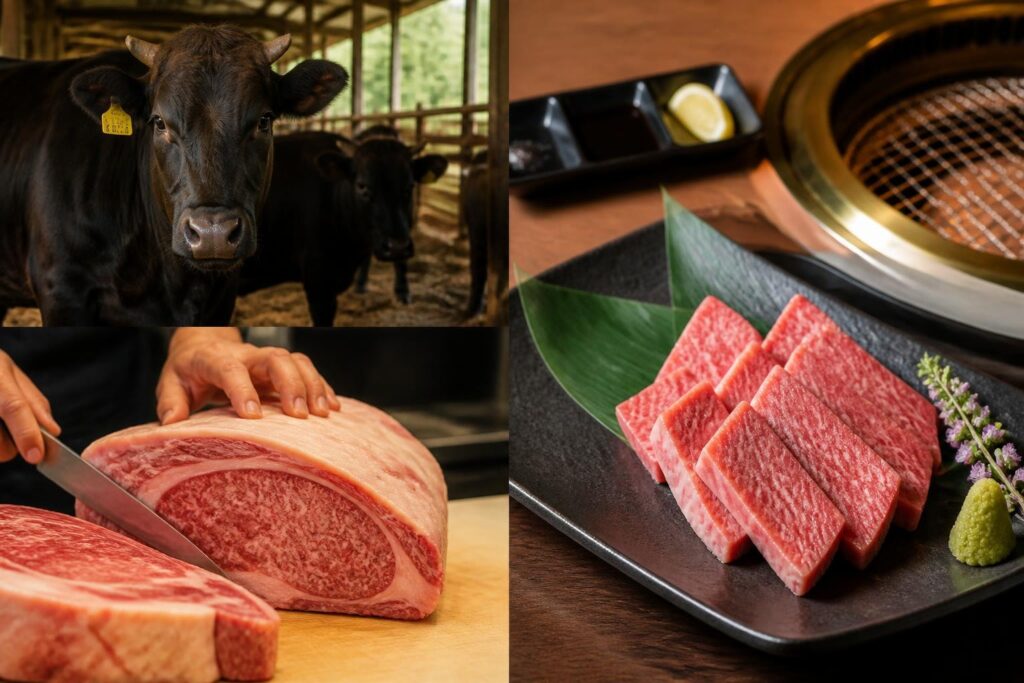
The quest for authentic wagyu beef japan restaurant experiences has evolved significantly, with travelers and food enthusiasts seeking more than just a meal-they're pursuing cultural immersion through one of Japan's most treasured culinary traditions. As awareness of dietary requirements grows globally, the intersection of premium Japanese beef and certified halal preparations has opened new possibilities for Muslim travelers and residents in Japan. Understanding what makes a truly exceptional wagyu beef japan restaurant involves exploring the intricate grading systems, preparation methods, and cultural contexts that transform simple beef into an unforgettable dining experience.
Understanding Wagyu Beef Quality Standards
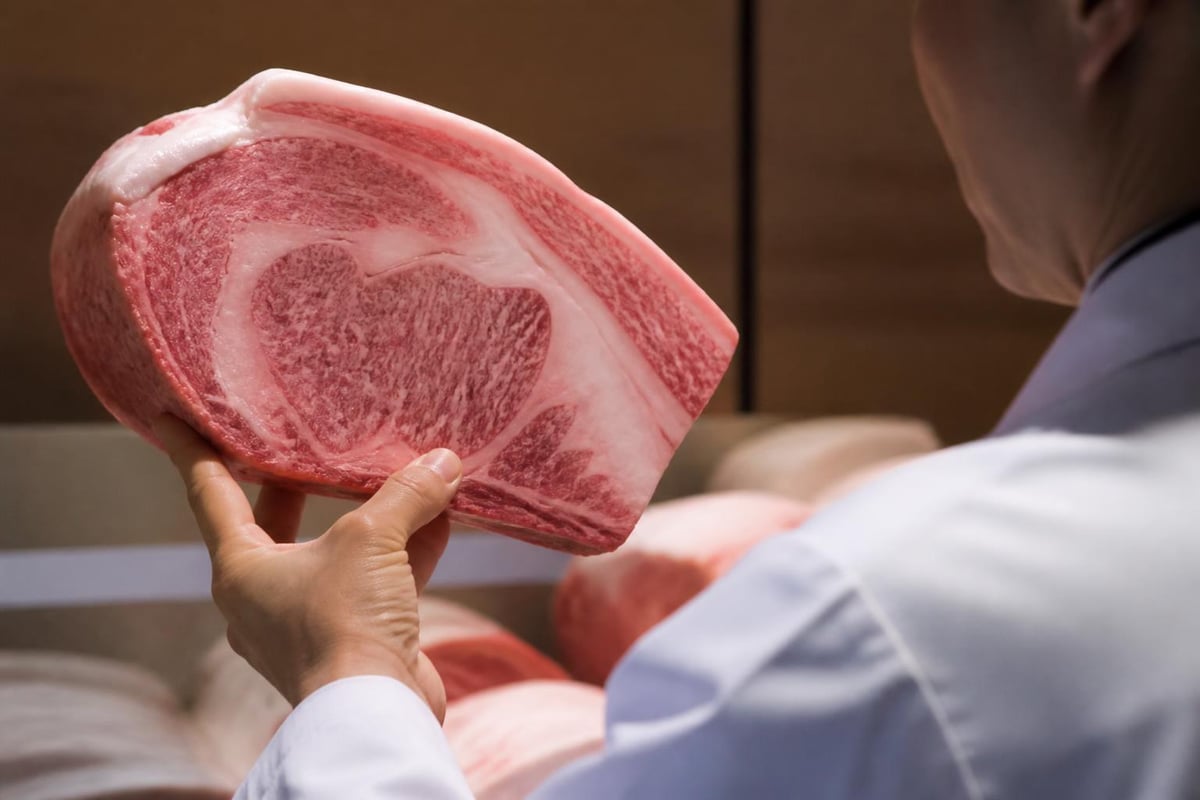
The foundation of any exceptional wagyu beef japan restaurant begins with understanding the rigorous quality standards that define authentic Japanese wagyu. The grading system uses two primary criteria: yield grade (A, B, or C) and meat quality grade (1 through 5), with A5 representing the highest possible classification.
Key Quality Factors:
- Marbling density (BMS score from 1-12)
- Meat color and brightness uniformity
- Fat color and luster characteristics
- Firmness and texture consistency
The Japan External Trade Organization provides detailed insights into the strict quality control measures that maintain wagyu's premium status worldwide. These standards ensure that when you visit a wagyu beef japan restaurant, you're experiencing beef that meets internationally recognized excellence benchmarks.
Regional Wagyu Varieties
Japan produces several distinct wagyu varieties, each with unique characteristics stemming from regional breeding practices and environmental conditions. Kobe beef remains the most internationally recognized, but connoisseurs understand that Matsusaka, Hida, and Omi beef each offer distinctive flavor profiles worthy of exploration.
| Wagyu Type | Region | Key Characteristics | Typical Price Range |
|---|---|---|---|
| Kobe Beef | Hyogo Prefecture | Intense marbling, buttery texture | ¥15,000-30,000/portion |
| Matsusaka Beef | Mie Prefecture | Sweet flavor, exceptional tenderness | ¥12,000-25,000/portion |
- Hida Beef | Gifu Prefecture | Rich umami, firm texture | ¥10,000-20,000/portion |
| Iga Beef | Mie Prefecture | Balanced marbling, clean finish | ¥8,000-18,000/portion |
The comprehensive guide from Japan National Tourism Organization explores these regional variations in depth, helping diners understand the nuances between different wagyu types before selecting a wagyu beef japan restaurant.
Yakiniku Dining Culture and Traditions
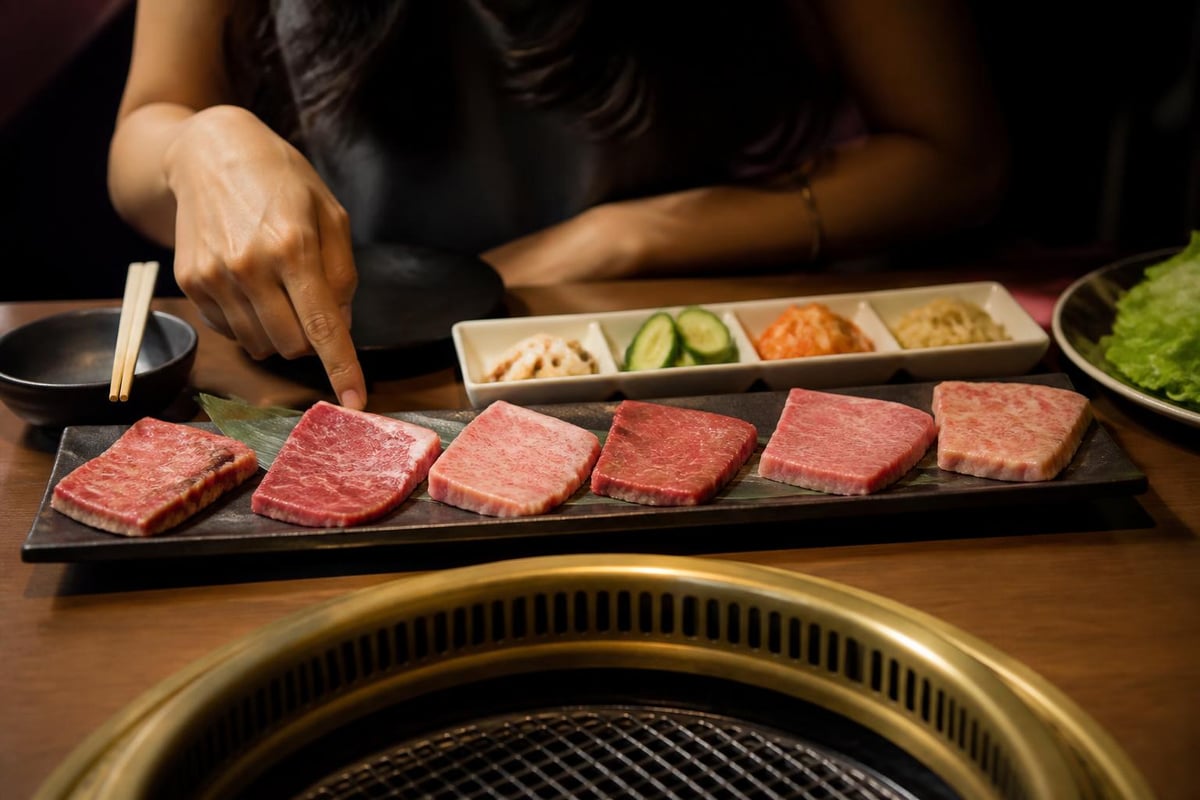
Yakiniku represents one of the most popular methods for enjoying wagyu beef japan restaurant offerings, allowing diners to grill premium cuts tableside and control their preferred doneness level. This interactive dining style creates engagement beyond passive consumption, transforming meals into participatory experiences that honor the quality of ingredients.
The ritual of yakiniku involves specific sequences and techniques. Experienced diners typically begin with leaner cuts to calibrate their palate, progressing toward more marbled selections as the meal advances. Proper grilling technique matters significantly-premium wagyu requires brief exposure to heat, often just 20-30 seconds per side for highly marbled cuts.
Essential Yakiniku Cuts
- Karubi (Short Rib) – Well-marbled, rich flavor, ideal for beginners
- Rosu (Ribeye) – Perfect balance of meat and marbling
- Tan (Tongue) – Lean, crisp texture when grilled correctly
- Harami (Skirt Steak) – Tender, intensely beefy flavor
- Misuji (Chuck Flap) – Rare cut with exceptional tenderness
Understanding these cuts enhances any wagyu beef japan restaurant visit, enabling informed ordering decisions that maximize the dining experience. Each cut offers different textural experiences and fat distributions, contributing to a comprehensive wagyu appreciation.
Halal Wagyu: Meeting Dietary Requirements
The availability of halal-certified wagyu beef japan restaurant options has expanded considerably, addressing a previously underserved segment of travelers seeking authentic Japanese culinary experiences while maintaining religious dietary adherence. Halal certification requires comprehensive oversight from slaughter methods through preparation and service.
Halal Certification Requirements:
- Zabiha slaughter performed by trained Muslim practitioners
- Complete separation of halal and non-halal ingredients
- Dedicated preparation surfaces and cooking equipment
- Regular auditing by recognized halal certification bodies
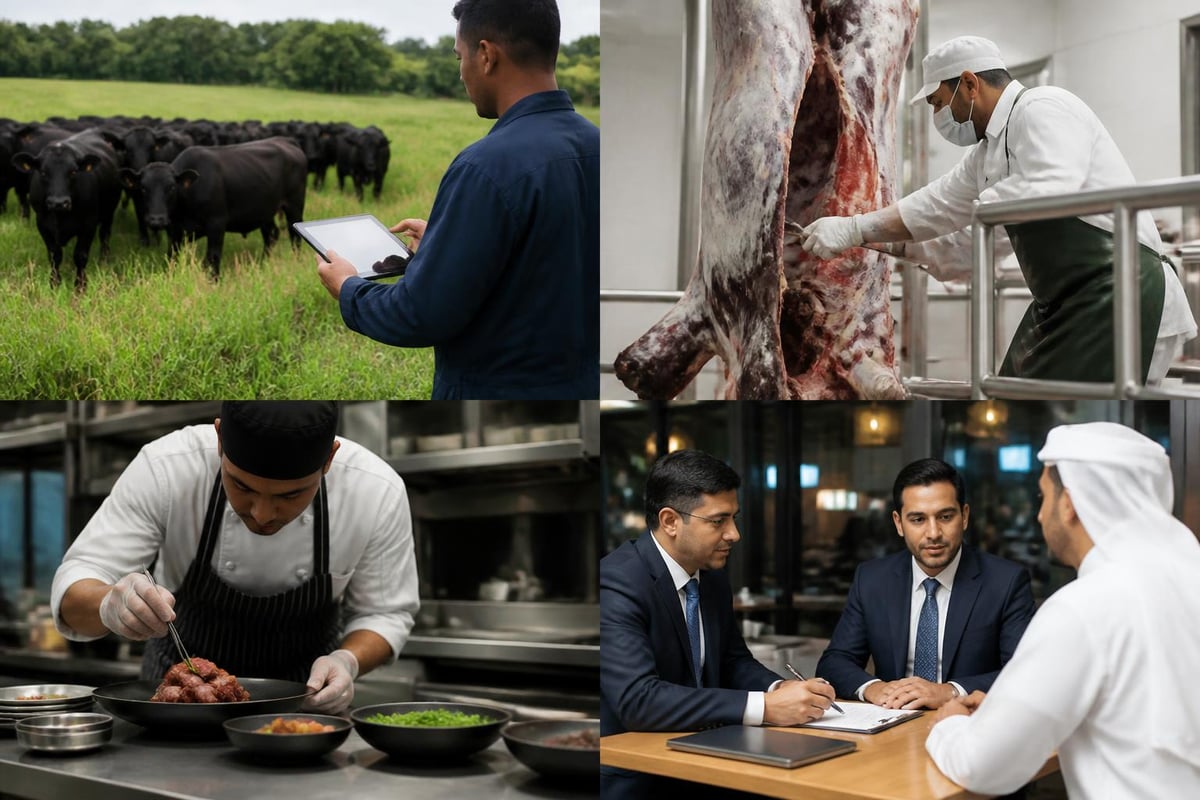
Finding a wagyu beef japan restaurant with legitimate halal certification ensures Muslim diners can fully embrace the premium beef experience without compromise. Tokyo's Asakusa district has emerged as a hub for halal-friendly dining, combining traditional Japanese aesthetics with religious dietary compliance.
Asakusa's Culinary Landscape
Asakusa combines historical significance with modern culinary innovation, creating an ideal setting for authentic wagyu beef japan restaurant experiences. The district's proximity to Senso-ji Temple attracts international visitors, many seeking halal dining options that don't compromise on quality or authenticity.
The neighborhood's traditional architecture provides atmospheric dining environments where centuries-old Japanese hospitality traditions meet contemporary dietary awareness. Restaurants in this area increasingly recognize that premium ingredients deserve inclusive accessibility, leading to expanded halal-certified offerings without sacrificing the authentic yakiniku experience.
Selecting the Right Wagyu Beef Japan Restaurant
Choosing among Tokyo's numerous wagyu establishments requires evaluating several critical factors beyond simple online ratings. Authenticity indicators include transparent sourcing information, knowledgeable staff capable of explaining cut differences, and appropriate pricing that reflects genuine premium beef costs.
Restaurant Evaluation Checklist:
- Display of wagyu certificates and grading documentation
- Staff expertise in cut recommendations and preparation guidance
- Sourcing transparency regarding beef origin and breed
- Appropriate ventilation systems for tableside grilling
- Clean, well-maintained grilling equipment
- Reasonable pricing aligned with beef grade and cut rarity
LIVE JAPAN’s comprehensive restaurant guide offers valuable perspectives on distinguishing authentic wagyu beef japan restaurant options from those marketing lower-grade beef under premium branding. This distinction matters significantly for travelers investing time and money in culinary experiences.
Price Points and Value Considerations
Understanding wagyu beef japan restaurant pricing structures helps set realistic expectations and identify genuine value. While premium wagyu commands substantial prices, wild variations often signal quality inconsistencies or marketing inflation rather than superior product.
| Restaurant Category | Price per Person | Typical Offerings | Best For |
|---|---|---|---|
| Ultra-Premium | ¥20,000-40,000 | Exclusive cuts, full-course kaiseki | Special occasions |
| High-End | ¥10,000-20,000 | A5 wagyu, multiple cuts, comprehensive menu | Serious enthusiasts |
| Mid-Range | ¥6,000-10,000 | A4-A5 mix, focused selection | Regular dining |
| Value-Oriented | ¥3,000-6,000 | A3-A4 grades, popular cuts | Budget-conscious diners |
Premium doesn't always mean better for every diner. A well-executed A4 wagyu experience often surpasses mediocre A5 preparation, emphasizing the importance of overall restaurant competence beyond raw ingredient quality.
Course Structures and Ordering Strategies
Most wagyu beef japan restaurant establishments offer both à la carte selections and set courses (omakase). Set courses provide balanced progression through various cuts, often including accompaniments like kimchi, rice, and soup that complement rich beef flavors.
For first-time visitors, set courses eliminate decision paralysis while ensuring appropriate variety. Experienced diners might prefer à la carte freedom, selecting specific cuts based on personal preferences or previous experiences. Many restaurants accommodate hybrid approaches, allowing course modifications or supplementary orders.
Cooking Techniques and Temperature Control
Mastering tableside grilling transforms wagyu beef japan restaurant visits from passive consumption to skilled participation. The high fat content in premium wagyu requires different approaches than conventional beef-excessive cooking renders fat too quickly, sacrificing the signature melt-in-mouth texture that defines quality wagyu.
Temperature Guidelines by Cut:
- Highly marbled cuts (Karubi, Rosu) – Sear 20-30 seconds per side over high heat
- Medium marbling (Kata, Sankaku) – Cook 30-45 seconds per side
- Lean cuts (Tan, Hire) – Grill 45-60 seconds per side
- Offal (Horumon, Hachinosu) – Cook thoroughly, 60-90 seconds per side
The FUN! JAPAN guide to wagyu brands includes preparation recommendations for different wagyu varieties, helping diners adjust techniques based on specific beef characteristics encountered at various wagyu beef japan restaurant locations.
Accompaniments and Flavor Enhancement
Traditional yakiniku accompaniments serve functional purposes beyond mere garnish, cutting through rich fat content and refreshing the palate between bites. Understanding these elements enhances the complete wagyu beef japan restaurant experience rather than overwhelming delicate beef flavors.
- Lemon wedges – Acid cuts fat, highlights natural umami
- Salt and wasabi – Simple seasoning for premium cuts
- Tare sauce – Sweet-savory blend for robust cuts
- Garlic chips – Aromatic enhancement for rich pieces
- Fresh vegetables – Palate cleansers and textural contrast
Many restaurants discourage heavy sauce application on highest-grade cuts, arguing that exceptional beef requires minimal intervention. This philosophy aligns with broader Japanese culinary principles emphasizing ingredient quality over elaborate seasoning.
Family-Friendly Wagyu Dining
Contrary to assumptions about premium dining excluding children, many wagyu beef japan restaurant establishments actively welcome families, recognizing that culinary education begins young. Family-friendly venues provide adjusted portions, milder seasonings, and patient staff who accommodate varying experience levels.
Family Dining Considerations:
- Private rooms or semi-private spaces for group comfort
- Kids' sets featuring accessible cuts and familiar preparations
- Flexible timing accommodating earlier dinner hours
- Staff patience with grilling assistance and questions
Creating inclusive environments doesn't diminish culinary seriousness-it expands appreciation across generations, building long-term wagyu enthusiasts who understand quality from formative experiences.
Solo Traveler Wagyu Experiences
The stigma around solo dining has largely dissipated in Tokyo's restaurant scene, with wagyu beef japan restaurant venues increasingly optimizing for individual diners seeking authentic experiences without group coordination requirements. Counter seating provides interactive opportunities with chefs and staff, often resulting in enhanced service and insider recommendations.
Solo diners enjoy specific advantages including flexible timing, personalized pacing, and focused attention on the food without social distractions. Many restaurants reserve counter seats for individuals, creating communal atmospheres where solo travelers connect through shared culinary appreciation rather than predetermined social groups.
Navigating Language Barriers
English proficiency varies across wagyu beef japan restaurant establishments, but quality venues prepare for international guests through pictorial menus, multilingual staff, or translation technology. The universal language of hospitality transcends verbal communication-attentive service and genuine warmth communicate effectively regardless of linguistic limitations.
Communication Tools:
- Translation apps for menu items and questions
- Pointing to desired items on menu displays
- Basic Japanese phrases for courtesy and gratitude
- Photo references for cooking preferences
- Restaurant-provided English menus or tablets
The WAGYUNAVI directory maintained by the Japan Livestock Products Export Promotion Council highlights restaurants with international guest experience, simplifying wagyu beef japan restaurant selection for non-Japanese speakers.
Seasonal Variations and Availability
Wagyu quality fluctuates seasonally based on cattle feeding cycles and environmental conditions affecting fat development. Knowledgeable wagyu beef japan restaurant proprietors adjust sourcing throughout the year, selecting cattle at peak condition rather than adhering to rigid supplier relationships regardless of quality variations.
Winter months typically yield highest marbling scores as cattle naturally develop fat reserves, while summer produces leaner profiles with pronounced meat flavors. Neither season offers objectively superior wagyu-they provide different expressions of the same fundamental excellence.
Sustainability and Ethical Considerations
Contemporary diners increasingly evaluate wagyu beef japan restaurant choices through sustainability lenses, questioning environmental impacts and animal welfare standards associated with premium beef production. Research on animal welfare-friendly products in Japan’s restaurant industry reveals growing consumer interest in ethical sourcing, though implementation remains inconsistent across establishments.
Wagyu production demands substantial resources-cattle require extended raising periods, specialized feed, and intensive care compared to conventional beef. Environmentally conscious diners might moderate consumption frequency while prioritizing restaurants demonstrating transparent sourcing and waste reduction practices.
Sustainability Indicators:
- Farm partnerships with documented welfare standards
- Nose-to-tail utilization minimizing waste
- Local sourcing reducing transportation impacts
- Energy-efficient kitchen operations
- Composting and recycling programs
Some innovative restaurants feature specialized aging processes that enhance flavor while maximizing utilization of available beef, demonstrating that quality and sustainability can coexist when approached thoughtfully.
Cultural Context and Appreciation
Understanding wagyu's position within Japanese culinary tradition enriches any wagyu beef japan restaurant visit beyond simple gustatory pleasure. The Economist explores wagyu’s role in washoku, Japan's traditional dietary culture, emphasizing how premium beef represents broader cultural values of craftsmanship, patience, and respect for natural processes.
The meticulous attention invested in wagyu production mirrors Japanese cultural principles applied across disciplines-from pottery to architecture, the pursuit of perfection through incremental refinement defines traditional approaches. Appreciating wagyu means recognizing this philosophical foundation rather than merely consuming expensive beef.
Rare and Legendary Varieties
Beyond commercially available wagyu, certain legendary breeds like Takenotani Tsuru Ushi represent pinnacles of breeding achievement, with extremely limited availability commanding astronomical prices. While most diners won't encounter these rarities, understanding their existence contextualizes the broader wagyu spectrum.
These exceptional varieties demonstrate the outer boundaries of what selective breeding and dedicated husbandry achieve, serving as aspirational benchmarks even for premium wagyu beef japan restaurant operations focusing on more accessible grades.
Reservation Strategies and Timing
Popular wagyu beef japan restaurant locations, particularly those with halal certification or specialized offerings, require advance reservations-sometimes weeks ahead for weekend dinner slots. Understanding booking patterns and timing flexibility can mean the difference between securing ideal experiences and settling for alternatives.
Booking Best Practices:
- Reserve 2-4 weeks ahead for weekend dinners at popular venues
- Consider weekday lunches for easier availability and value pricing
- Specify dietary requirements during reservation for proper preparation
- Confirm cancellation policies to avoid no-show penalties
- Arrive punctually respecting reserved time slots
Many establishments maintain waiting lists for cancellations, offering opportunities for spontaneous diners willing to remain flexible on timing. Building relationships with restaurant staff through respectful patronage sometimes yields priority access for future visits.
Beyond Tokyo: Regional Wagyu Destinations
While Tokyo offers exceptional wagyu beef japan restaurant density, regional destinations provide authentic experiences often at lower price points with less tourist saturation. Cities like Osaka, Kyoto, and Kobe offer distinguished wagyu traditions connected to local cattle production, creating farm-to-table proximity impossible in Tokyo's urban context.
Le Monde’s feature on Matsusaka beef highlights the luxurious characteristics of this Mie Prefecture specialty, demonstrating how regional exploration reveals wagyu varieties rarely encountered in metropolitan restaurants. Regional dining often connects more directly to production origins, providing context that enhances appreciation.
Supporting Local Commerce and Community
The wagyu beef japan restaurant experience extends beyond individual meals to supporting local commerce ecosystems. Choosing restaurants that source thoughtfully and engage their communities contributes to sustainable neighborhood vitality, preserving cultural traditions against homogenizing commercial pressures.
Platforms like Bendo demonstrate evolving consumer values prioritizing local connections over anonymous transactions. While focused on French markets, this slow-commerce philosophy applies universally-taking time to understand the people and stories behind restaurants enriches experiences while supporting businesses that prioritize quality and community over rapid scaling.
Community-Oriented Dining:
- Family-owned establishments maintaining multi-generational traditions
- Restaurants employing local residents and training programs
- Venues participating in neighborhood cultural events
- Businesses supporting local suppliers and artisans
This approach transforms dining from transactional consumption into meaningful participation in cultural preservation, where each wagyu beef japan restaurant visit contributes to sustaining traditions for future generations.
Experiencing authentic wagyu through yakiniku traditions represents one of Japan's most accessible yet profound culinary adventures, combining premium ingredients with interactive preparation and cultural depth. Whether you're seeking halal-certified options, family-friendly atmospheres, or solo dining experiences, understanding quality markers and cultural contexts ensures memorable meals that transcend simple consumption. For travelers in Tokyo's Asakusa district, Ninja Yakiniku offers exactly this combination-halal-certified A5 wagyu and Iga beef prepared through traditional yakiniku methods in a welcoming environment suitable for families and solo diners alike, delivering authentic Japanese hospitality alongside exceptional beef quality.