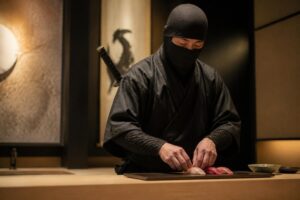
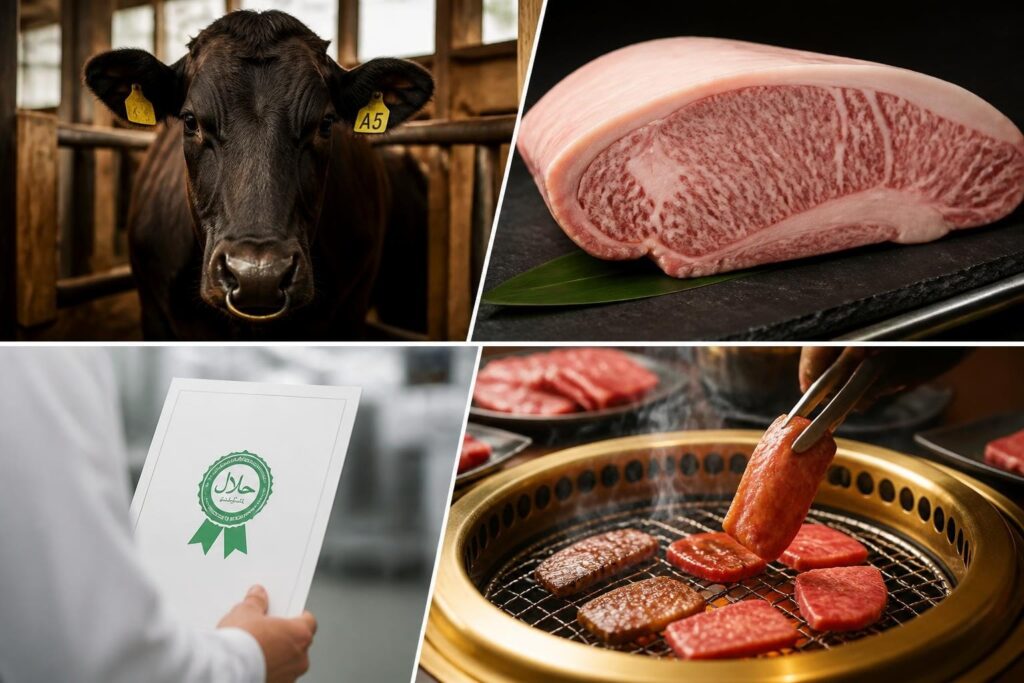
The aroma of perfectly seared beef fills the air, the marbling glistening under soft lighting as you prepare to taste something extraordinary. This is tokyo wagyu, a culinary treasure that transforms a simple meal into an unforgettable experience. For travelers and food enthusiasts visiting Japan's capital in 2026, understanding what makes this beef exceptional, where to find authentic experiences, and how to appreciate its nuances becomes essential to truly grasping Tokyo's remarkable food culture. Whether you're planning your first yakiniku adventure or seeking halal-certified options that don't compromise on quality, the story of tokyo wagyu reveals centuries of dedication, artisanal breeding techniques, and a commitment to excellence that extends far beyond the plate.
The Heritage Behind Tokyo's Finest Beef
Tokyo wagyu represents the pinnacle of Japanese beef craftsmanship, rooted in breeding traditions that date back generations. The word "wagyu" literally translates to "Japanese cow," but this simple translation barely scratches the surface of what distinguishes this beef from every other variety worldwide.
Understanding Wagyu Cattle Breeds
Four primary breeds contribute to authentic Japanese wagyu production:
- Japanese Black (Kuroge Washu) – representing over 90% of wagyu production
- Japanese Brown (Akage Washu) – known for its leaner profile
- Japanese Shorthorn (Nihon Tankaku Washu) – valued for its rich flavor
- Japanese Polled (Mukaku Washu) – the rarest of the four breeds
The genetics of these cattle create an extraordinary predisposition for intramuscular fat distribution, creating the signature marbling that makes tokyo wagyu instantly recognizable. This marbling isn't just visually striking; it fundamentally changes the texture, flavor, and mouthfeel of the beef in ways that ordinary cattle breeds simply cannot replicate.
The Science of Marbling Excellence
What separates tokyo wagyu from other premium beef varieties lies in the microscopic level of fat distribution throughout the muscle tissue. According to The Japan National Tourism Organization, this intense marbling results from specific breeding practices, carefully controlled diets, and stress-reduction techniques that have been refined over decades.
The fat itself possesses a lower melting point than standard beef fat, typically around 77-78°F (25-26°C). This means tokyo wagyu literally begins to melt at room temperature, creating an unparalleled buttery texture when properly prepared.
Grading Systems and Quality Standards
Navigating tokyo wagyu quality requires understanding Japan's meticulous grading system, which evaluates beef more comprehensively than any other country's standards.
The A5 Rating Explained
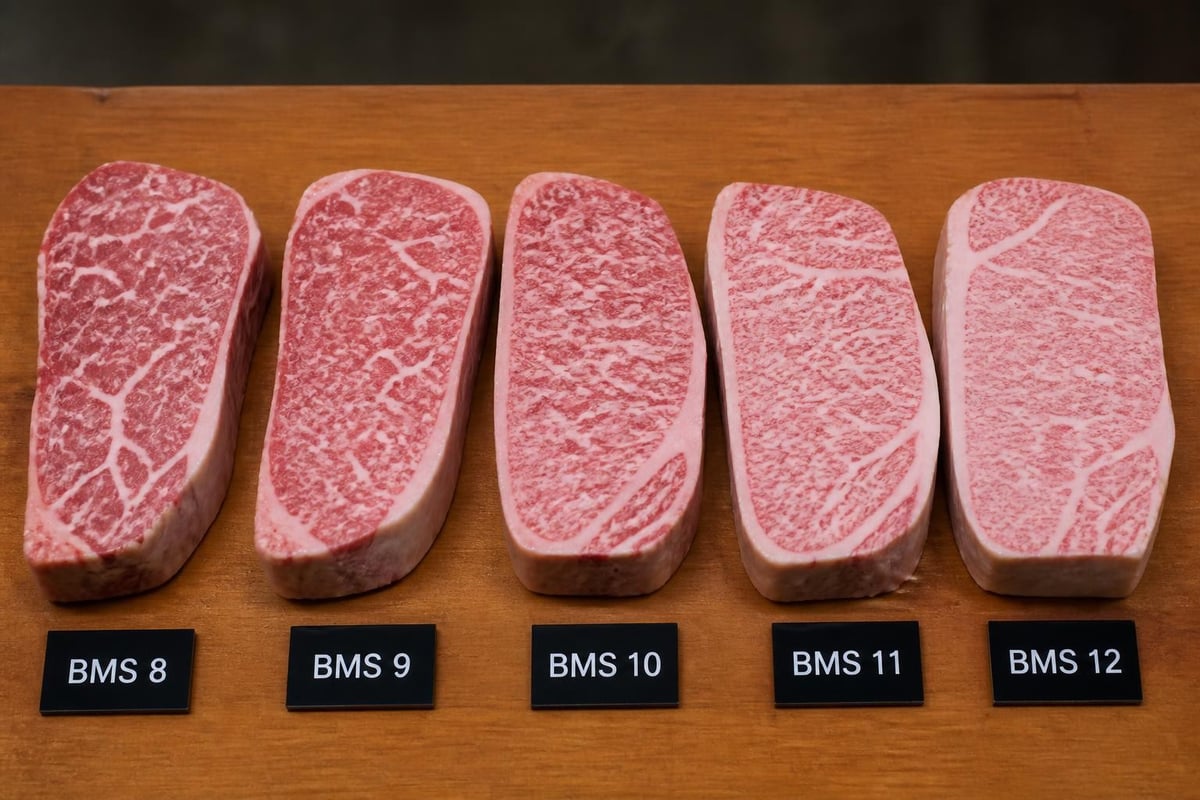
Japanese beef grading operates on two primary scales. The yield grade (A, B, or C) indicates the ratio of usable meat, with A representing the highest yield. The quality grade (1-5) assesses marbling, color, brightness, firmness, texture, and fat quality.
| Grade Component | Evaluation Criteria | Top Rating |
|---|---|---|
| Marbling (BMS) | Fat distribution pattern | 8-12 |
| Meat Color | Brightness and shade | 3-5 |
| Fat Color | Luster and quality | 1-3 |
| Firmness | Texture consistency | Superior |
When you encounter A5 tokyo wagyu, you're experiencing beef that scored highest in yield and achieved grade 5 across all quality metrics. The Beef Marbling Standard (BMS) specifically ranges from 1 to 12, with authentic A5 wagyu typically scoring between 8 and 12.
Regional Variations Within Tokyo
Different areas surrounding Tokyo produce distinct wagyu varieties. While prefectures like Kobe, Matsusaka, and Omi have garnered international fame, tokyo wagyu benefits from access to cattle raised throughout the Kanto region, creating diverse flavor profiles and characteristics.
The Japan External Trade Organization emphasizes how the term "wagyu" has gained global recognition, yet authentic Japanese-raised beef maintains standards impossible to replicate elsewhere. The climate, water, feed, and breeding practices unique to Japan create taste profiles that imported or crossbred wagyu cannot duplicate.
Traditional Yakiniku: The Art of Grilling
Yakiniku dining transforms tokyo wagyu from premium ingredient into complete culinary experience. This Japanese grilling tradition allows diners to control their beef's preparation, creating personalized doneness levels while engaging directly with the cooking process.
Essential Cuts for Yakiniku
Different cuts showcase tokyo wagyu's versatility:
- Karubi (Short Rib) – Rich marbling, intense flavor
- Rosu (Ribeye/Loin) – Balanced fat distribution, tender texture
- Harami (Skirt Steak) – Leaner cut with robust beefy taste
- Tan (Tongue) – Unique texture, often served thinly sliced
- Horumon (Offal) – Adventurous selections for varied textures
Each cut requires different grilling times and techniques. The generous marbling in premium tokyo wagyu cuts means they cook faster than conventional beef, with some thin-sliced pieces requiring just 10-15 seconds per side.
Grilling Techniques and Timing
The key to perfect yakiniku lies in respecting the beef's quality. High-grade tokyo wagyu contains so much intramuscular fat that overcooking transforms it from buttery perfection to greasy disappointment.
Optimal grilling approach:
- Heat the grill to medium-high temperature
- Place beef on the hottest part of the grill surface
- Watch for moisture beads forming on the uncooked side
- Flip once when these beads appear
- Remove when the second side shows similar moisture formation
This typically results in rare to medium-rare doneness, which allows tokyo wagyu's fat to melt without rendering completely away. The beef should glisten without appearing wet, with a delicate char that adds flavor complexity without overwhelming the natural taste.
Halal-Certified Wagyu: Expanding Accessibility
The demand for halal tokyo wagyu has grown substantially as Tokyo welcomes increasing numbers of Muslim travelers and residents. Authentic halal certification requires rigorous oversight throughout the entire production process, from cattle raising to final preparation.
Certification Requirements and Standards
Halal wagyu certification encompasses several critical elements:
- Islamic slaughter methods (Zabiha/Dhabiha) performed by trained Muslim slaughterers
- Complete separation from non-halal products during processing and storage
- Certification verification from recognized Islamic organizations
- Ingredient transparency ensuring no alcohol-based marinades or forbidden additives
For establishments serving halal tokyo wagyu, maintaining certification requires constant vigilance and documentation. Every supplier must provide verification, all preparation surfaces require dedicated use, and cross-contamination prevention becomes paramount.
The Halal Yakiniku Experience
Finding authentic halal-certified yakiniku that doesn't compromise on beef quality once presented challenges. In 2026, specialized restaurants like Ninja Yakiniku bridge this gap, offering genuine A5 grade tokyo wagyu while maintaining strict halal standards throughout their operations.
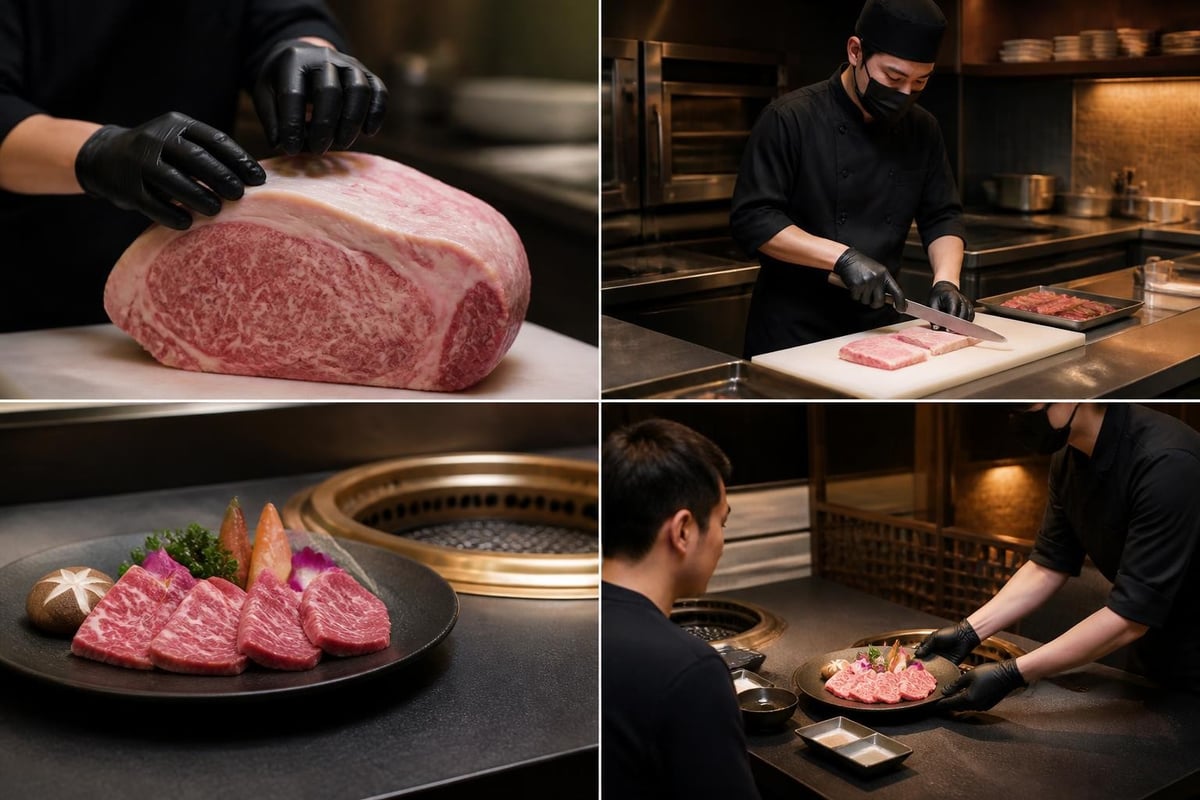
The halal yakiniku dining experience maintains all traditional elements-the tableside grilling, the variety of cuts, the authentic dipping sauces-while ensuring every aspect meets Islamic dietary requirements. This attention to detail means Muslim diners can fully participate in this quintessential Tokyo food tradition without reservation.
Seasonal Variations and Optimal Timing
Tokyo wagyu quality fluctuates subtly throughout the year, influenced by cattle diet, climate conditions, and breeding cycles. Understanding these seasonal patterns helps discerning diners time their visits for peak experiences.
Spring and Summer Characteristics
Warmer months bring cattle fresh grass and outdoor grazing opportunities in some regions. This dietary shift can slightly alter fat composition, creating marginally firmer texture and subtly different flavor notes. The difference proves almost imperceptible in A5 grade tokyo wagyu, where controlled feeding programs minimize seasonal variation.
Summer presents ideal conditions for yakiniku dining, as the interactive grilling experience feels natural in warm weather. Many establishments enhance their outdoor seating during these months, creating atmospheric dining environments.
Autumn and Winter Premium Periods
Autumn through winter traditionally represents peak season for tokyo wagyu appreciation. Cooler temperatures naturally improve beef preservation, while richer feed programs prepare cattle for winter months, potentially enhancing marbling development.
| Season | Cattle Diet | Marbling Impact | Dining Atmosphere |
|---|---|---|---|
| Spring | Fresh grass blend | Subtle variation | Pleasant outdoor options |
| Summer | Maintained feed | Consistent quality | Peak yakiniku weather |
| Autumn | Enriched program | Potentially enhanced | Cozy indoor dining |
| Winter | Rich feed blend | Premium development | Traditional atmosphere |
The winter months also coincide with major travel periods in Tokyo, including New Year celebrations and winter festivals, creating memorable contexts for special tokyo wagyu dining experiences.
Pairing and Enhancement: Beyond the Beef
While tokyo wagyu stands magnificently on its own, thoughtful pairings elevate the complete dining experience. Traditional accompaniments balance the richness while cleansing the palate between different cuts.
Traditional Japanese Pairings
Vegetables for grilling:
- Shiitake mushrooms absorb beef fat while adding earthy umami
- Sweet peppers provide refreshing contrast
- Kabocha squash offers natural sweetness
- Bean sprouts deliver textural variety
Rice preparations:
- White rice serves as neutral foundation
- Garlic fried rice complements richer cuts
- Rice bowls topped with grilled wagyu create satisfying combinations
Sauce and Seasoning Philosophy
High-grade tokyo wagyu requires minimal seasoning. Many purists prefer simple salt and wasabi, allowing the beef's natural flavor to dominate. However, yakiniku restaurants typically offer multiple options:
- Tare sauce – sweet soy-based marinade
- Ponzu – citrus soy combination
- Sea salt – simple mineral enhancement
- Wasabi – clean heat without overpowering
The key involves restraint. A5 tokyo wagyu invested decades of breeding excellence and careful raising into developing its flavor profile. Heavy sauces mask rather than complement this achievement.
Price Points and Value Considerations
Tokyo wagyu commands premium pricing that reflects extraordinary production costs, limited supply, and exceptional quality. Understanding the pricing structure helps diners make informed decisions and appreciate the value proposition.
Cost Breakdown Factors
Several elements contribute to tokyo wagyu pricing:
- Breeding programs requiring 30+ months per animal
- Feed quality including grain blends and specialized supplements
- Labor intensity for individualized cattle care
- Grading and certification ensuring quality standards
- Distribution networks maintaining cold chain integrity
In Tokyo's restaurant scene, expect A5 tokyo wagyu yakiniku to range from ¥8,000 to ¥20,000+ ($55-$140+) per person depending on cut selection, portion sizes, and establishment prestige. Some exclusive venues command even higher prices for rare cuts or exceptional presentations.
Maximizing Your Investment
Strategic ordering enhances value without compromising experience:
Smart selection approach:
- Begin with one premium cut to appreciate top-quality characteristics
- Include mid-range selections offering excellent flavor at better value
- Add variety through different textures and preparations
- Share tasting portions allowing broader exploration
Family-style dining naturally optimizes costs, as shared platters provide diverse sampling opportunities. Solo travelers might find lunch sets or specialty combinations offering accessible entry points to authentic tokyo wagyu experiences.
Cultural Context and Dining Etiquette
Appreciating tokyo wagyu extends beyond taste into cultural understanding. Yakiniku dining carries specific etiquette conventions that enhance respect for the food, preparation, and shared experience.
Proper Yakiniku Etiquette
Grilling responsibilities:
- One person typically manages the grill at shared tables
- Rotate grilling duties to include all diners
- Monitor multiple pieces simultaneously without overcrowding
- Remove finished pieces promptly to prevent overcooking
Chopstick protocols:
- Never point chopsticks at others
- Don't stick chopsticks vertically in rice (funeral association)
- Use separate chopsticks for raw and cooked meat when provided
- Place chopsticks on rests between uses
Communal dining awareness:
- Consider cooking preferences of all table members
- Announce when adding new items to shared grill space
- Offer first tastes of premium cuts to honored guests
- Pace consumption to match table rhythm
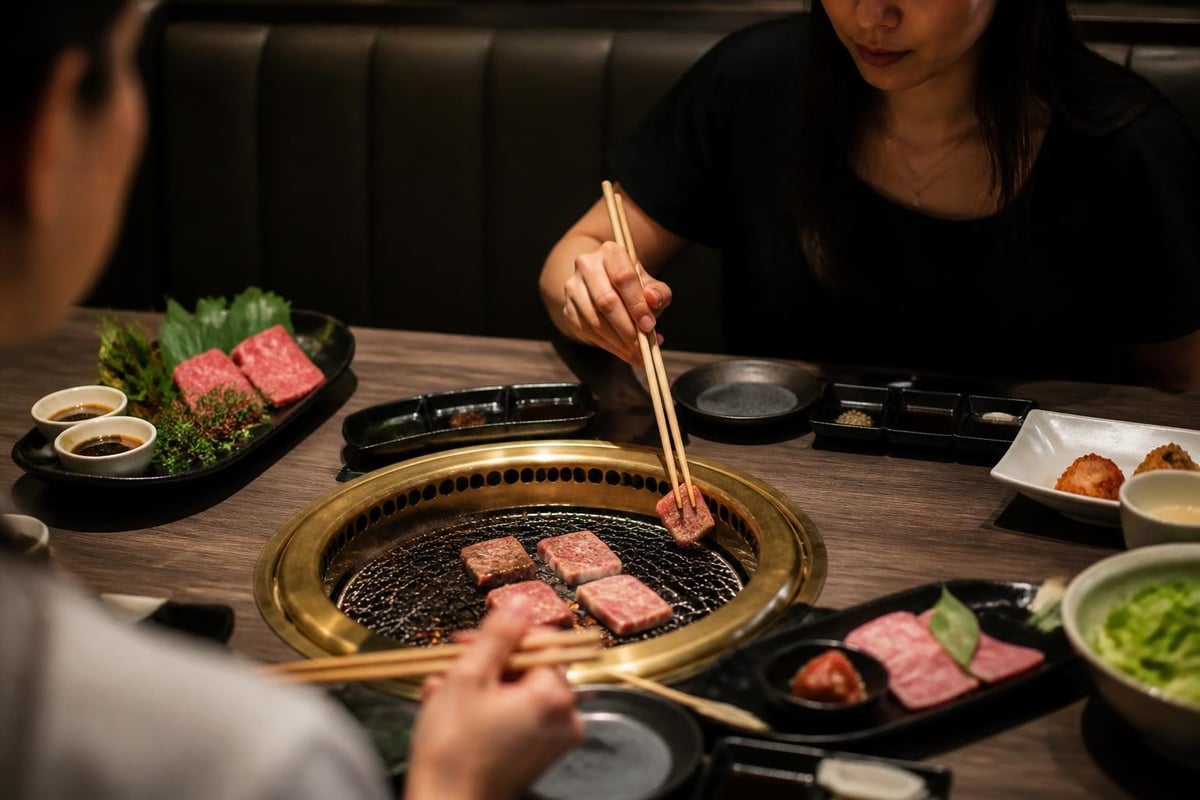
These practices reflect deeper Japanese values around communal harmony, respect for ingredients, and mindful consumption. Following basic etiquette demonstrates cultural appreciation while ensuring smooth dining flow.
Health and Nutritional Perspectives
Despite its rich marbling, tokyo wagyu offers surprising nutritional characteristics that distinguish it from conventional beef varieties. The unique fat composition creates different health impacts than typical beef consumption might suggest.
Fat Composition Analysis
According to research highlighted by authoritative culinary sources, tokyo wagyu contains higher percentages of monounsaturated fats compared to standard beef. The fat more closely resembles olive oil in composition, with beneficial omega-3 and omega-6 fatty acid profiles.
Nutritional advantages:
- Higher concentration of oleic acid (heart-healthy monounsaturated fat)
- Lower melting point reducing digestive strain
- Rich conjugated linoleic acid (CLA) content
- Enhanced omega fatty acid ratios
Mindful Consumption Approaches
While tokyo wagyu offers nutritional benefits, portion control remains essential given its caloric density. The intense flavor and richness naturally limit consumption, as smaller amounts satisfy more completely than larger portions of conventional beef.
Balanced consumption strategy:
- Pair with abundant vegetables for fiber and nutrients
- Include fermented sides like kimchi for digestive support
- Focus on quality over quantity
- Space high-grade wagyu meals as special occasions rather than daily practice
The yakiniku preparation method allows fat to drip away during grilling, reducing final caloric content compared to pan-frying or other cooking methods that retain rendered fat.
Regional Comparisons and Tokyo's Position
While several Japanese regions claim wagyu fame, tokyo wagyu benefits from unique advantages in sourcing, distribution, and culinary innovation. Understanding how Tokyo's offerings compare with other renowned production areas provides valuable context.
Famous Wagyu Regions
Kobe (Hyogo Prefecture):
The most internationally recognized name, Kobe beef comes from Tajima cattle strain raised under strict protocols. Premium varieties like Matsusaka command exceptional prices due to meticulous breeding practices and limited production.
Matsusaka (Mie Prefecture):
Considered by many Japanese connoisseurs as the ultimate wagyu, Matsusaka beef comes exclusively from virgin female cattle, contributing to extraordinary tenderness.
Omi (Shiga Prefecture):
The oldest branded beef in Japan, with over 400 years of history, Omi wagyu balances delicate marbling with refined flavor.
Tokyo's Unique Advantages
Tokyo doesn't produce wagyu cattle within city limits, but its position offers distinct benefits:
- Access to multiple premium sources from surrounding prefectures
- Cutting-edge restaurant innovation driving preparation techniques
- International influence creating fusion approaches while respecting tradition
- Quality competition among establishments maintaining high standards
- Diverse price points accommodating various budgets and occasions
Tokyo’s official gourmet guides showcase the incredible variety available, from traditional establishments to modern interpretations. This diversity means tokyo wagyu experiences span the full spectrum of Japanese beef excellence.
Storage, Preparation, and Home Cooking
While restaurant experiences showcase tokyo wagyu brilliantly, home preparation allows deep appreciation through hands-on engagement. Proper handling ensures optimal results whether cooking for family or special gatherings.
Purchasing Authentic Wagyu
Verification steps:
- Request certification documentation showing grade and origin
- Examine marbling distribution for consistency
- Check color for bright cherry-red without browning
- Verify proper refrigeration throughout distribution
- Purchase from established suppliers with wagyu specialization
In Tokyo, dedicated butcher shops and department store basement food halls (depachika) offer certified wagyu with expert staff providing cut recommendations and preparation advice.
Preparation Techniques for Home
Optimal cooking methods:
| Method | Best Cuts | Temperature | Timing |
|---|---|---|---|
| Cast iron sear | Ribeye, striploin | High heat | 1-2 min per side |
| Teppanyaki grill | Thinly sliced | Medium-high | 30-60 seconds per side |
| Shabu-shabu | Paper-thin slices | Boiling broth | 5-10 seconds |
| Sukiyaki | Thin cuts | Simmering | 1-2 minutes |
Room temperature matters significantly. Remove tokyo wagyu from refrigeration 30-45 minutes before cooking, allowing the fat to soften and ensuring even cooking throughout.
Seasoning minimalism:
- Quality sea salt applied just before cooking
- Coarse black pepper if desired
- No marinades masking natural flavor
- Light oil only if cooking surface requires it (many cuts release sufficient fat)
Finding Authentic Experiences in Asakusa
Tokyo's historic Asakusa district combines traditional atmosphere with modern culinary excellence, creating ideal settings for authentic tokyo wagyu experiences. The neighborhood's character enhances dining through cultural immersion alongside exceptional food.
Asakusa's Cultural Appeal
Visitors exploring Senso-ji Temple, Nakamise shopping street, and traditional craft shops discover how contemporary dining establishments honor heritage while delivering world-class cuisine. This balance mirrors the tokyo wagyu philosophy itself-respecting centuries-old breeding traditions while embracing modern quality standards and certification processes.
For international travelers seeking halal-certified options, Asakusa's welcoming atmosphere extends to accommodating diverse dietary requirements. Restaurants recognizing the importance of inclusivity ensure Muslim visitors can fully participate in tokyo wagyu dining without compromising religious observances.
Family-Friendly and Solo-Traveler Accessibility
Traditional Japanese dining sometimes intimidates through formality or language barriers. Establishments prioritizing warm hospitality break down these obstacles, creating comfortable environments whether traveling with children, groups, or alone.
Accessible features:
- Clear English menu descriptions
- Visual presentations showing cuts and preparations
- Staff trained in cultural sensitivity and dietary requirement communication
- Comfortable seating arrangements for various party sizes
- Solo diner-friendly counter seating and small table options
The interactive nature of yakiniku dining naturally suits families, as children engage with the grilling process while parents control portion sizes and cooking levels. Solo travelers appreciate the social aspect of counter seating and the meditative quality of personally managing their grill.
Sustainability and Ethical Considerations
As global consciousness around food production ethics grows, understanding tokyo wagyu's sustainability dimensions becomes increasingly relevant. The beef industry faces legitimate questions about environmental impact, animal welfare, and resource efficiency.
Cattle Welfare Standards
Premium tokyo wagyu production typically involves smaller-scale operations where individual animal care proves both practical and economically necessary. A5 grade cattle represent substantial investments, creating strong incentives for optimal health and comfort throughout their lives.
Welfare factors:
- Lower-stress environments contributing to marbling quality
- Individualized attention from experienced handlers
- Climate-controlled facilities in many operations
- Veterinary oversight exceeding commodity beef standards
However, the extended raising period (30+ months versus 18-20 for conventional beef) and resource-intensive feed programs create environmental considerations. Some operations implement sustainability measures including waste recycling, renewable energy integration, and carbon offset programs.
Informed Consumer Choices
Diners concerned about sustainability can consider several factors:
- Portion consciousness – smaller amounts of high-quality beef over large quantities of lesser grades
- Nose-to-tail appreciation – trying various cuts and offal preparations
- Supporting certified operations maintaining transparency about practices
- Balancing wagyu meals with plant-forward dining on other occasions
The concentration of flavor and satisfaction in tokyo wagyu means less total consumption delivers equivalent or superior culinary fulfillment compared to larger portions of conventional beef.
Contemporary Innovations and Future Trends
Tokyo's culinary scene constantly evolves while respecting tradition. Current tokyo wagyu trends reflect changing consumer preferences, international influences, and innovative chef interpretations that honor beef quality while expanding creative boundaries.
Modern Preparation Approaches
Emerging presentations:
- Wagyu sushi and sashimi showcasing raw beef quality
- Smoked wagyu incorporating barbecue techniques
- Wagyu tartare with creative flavor profiles
- Hybrid dishes combining Japanese and international cuisines
Some establishments experiment with aging programs, applying dry-aging techniques traditionally associated with Western steakhouses to tokyo wagyu cuts. This creates intensified umami characteristics and textural developments that complement the natural marbling.
Technology Integration
Advanced reservation systems, digital menu presentations with augmented reality showing cut origins, and precision temperature control in cooking equipment represent technology's role in enhancing tokyo wagyu experiences. Some restaurants install individual temperature-controlled grills at each table, ensuring optimal cooking conditions regardless of diner expertise.
Future developments:
- Blockchain verification systems confirming authenticity and traceability
- Personalized recommendation engines based on preference profiles
- Virtual reality experiences showcasing cattle raising and production processes
- Enhanced certification methods using DNA verification
These innovations serve quality and transparency rather than replacing human expertise and traditional appreciation methods.
Planning Your Tokyo Wagyu Journey
Whether visiting Tokyo specifically for culinary exploration or incorporating exceptional dining into broader travel plans, strategic planning maximizes tokyo wagyu experiences while managing budget and time constraints.
Timing Considerations
Optimal visiting periods:
- Avoid peak tourist seasons (cherry blossom, Golden Week) for easier reservations
- Weekday lunch services often offer better value than weekend dinners
- Consider shoulder seasons (early spring, late autumn) for comfortable weather and availability
Making reservations well in advance proves essential for popular establishments, particularly those accommodating dietary restrictions like halal certification. Some venues require reservations weeks or months ahead for dinner services.
Budget Allocation Strategies
Cost management approaches:
- Prioritize one exceptional meal rather than multiple mid-tier experiences
- Explore lunch sets offering similar cuts at reduced prices
- Mix premium and standard cuts within single meals for variety and value
- Consider set menus providing structured progression through different preparations
Solo travelers might focus budgets on counter seating at high-end establishments where master grilling provides education alongside exceptional food. Families could prioritize all-you-can-eat options at mid-range venues for initial exposure, reserving premium experiences for special occasions.
Combining Food with Cultural Exploration
Just as adventurous travelers might plan challenging outdoor experiences when visiting Indonesia's natural wonders, Tokyo offers opportunities combining culinary excellence with cultural immersion. The discipline, preparation, and attention to detail that make tokyo wagyu exceptional mirror values found throughout Japanese culture, from martial arts to traditional crafts.
Pairing wagyu dining with temple visits, traditional theater, or artisan workshop tours creates comprehensive cultural understanding. Food becomes a lens through which broader Japanese values of excellence, patience, and perfectionism reveal themselves.
Tokyo wagyu represents far more than premium beef-it embodies centuries of agricultural dedication, cultural values around quality, and the joy of mindful consumption. Understanding the grading systems, appreciating proper preparation techniques, and recognizing the significance of certifications like halal compliance transforms simple meals into meaningful cultural exchanges. When you're ready to experience this culinary treasure firsthand with the assurance of halal certification and family-friendly hospitality, Ninja Yakiniku in Asakusa offers authentic A5 tokyo wagyu in an atmosphere welcoming to everyone from solo adventurers to families seeking exceptional dining together.