Finding authentic halal dining in Tokyo once felt like searching for a needle in a haystack. I still remember my first trip to Japan in 2019, clutching a wrinkled list of addresses, nervously asking restaurant staff if their meat was zabihah. Fast forward to 2026, and the landscape has transformed completely. The search for a quality tokyo halal restaurant no longer requires hours of research or anxiety about ingredient verification. Tokyo has embraced halal cuisine with open arms, creating a dining ecosystem where Muslim travelers and residents can explore Japanese culinary traditions without compromise. This evolution tells a story bigger than food, it reflects Japan's growing understanding of global dietary needs and its commitment to becoming a truly inclusive destination.
The Rise of Halal Dining in Japan's Capital
Tokyo's halal restaurant scene didn't bloom overnight. The journey began slowly in the early 2000s with a handful of restaurants catering primarily to the diplomatic community. These pioneers faced significant challenges, from sourcing certified ingredients to educating suppliers about Islamic dietary laws.
The turning point came around 2015 when Japan recognized the economic potential of Muslim tourism. Government initiatives encouraged restaurants to obtain proper certifications, and organizations like the Japan Halal Association stepped up to provide guidance. What followed was remarkable: traditional Japanese establishments began adapting their kitchens, training staff, and investing in halal certification processes.
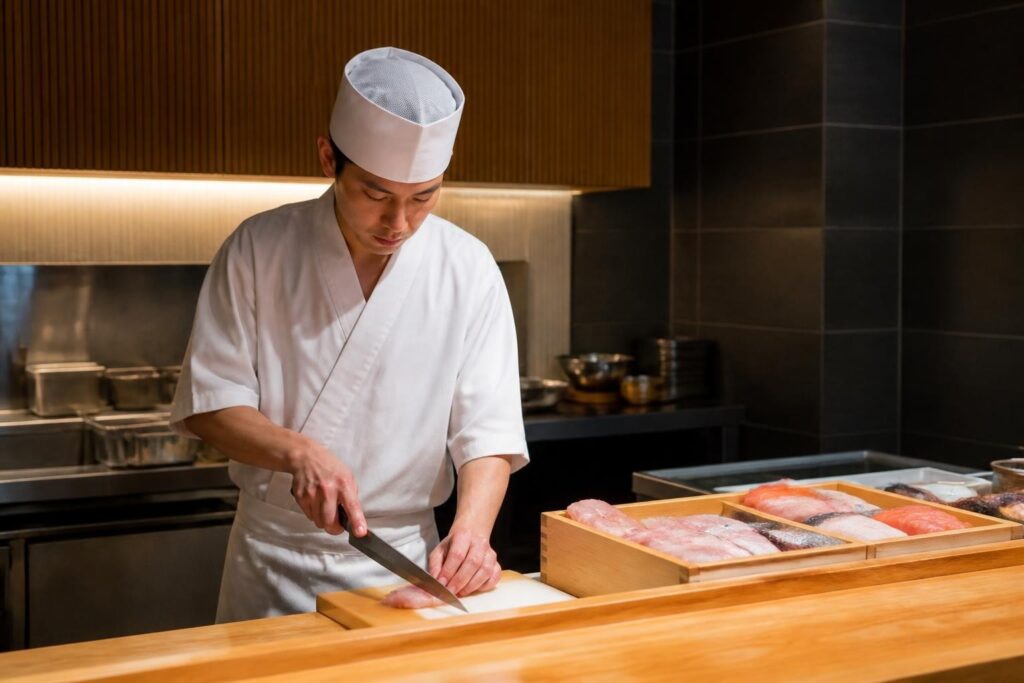
Today's tokyo halal restaurant options span the full spectrum of Japanese cuisine. You'll find everything from casual ramen shops to high-end kaiseki establishments, each maintaining strict halal standards while preserving authentic flavors. The transformation reflects not just business opportunity but genuine cultural exchange.
Understanding Halal Certification Levels
Not all halal certifications are created equal, and understanding these distinctions helps you make informed dining choices:
- Fully Halal Certified: Complete certification from recognized bodies like JAKIM or Japan Halal Association
- Muslim-Friendly: Uses halal ingredients but may share kitchen equipment with non-halal items
- Halal-Option Available: Offers specific halal dishes while maintaining a broader non-halal menu
- Pork-Free/Alcohol-Free: Eliminates prohibited ingredients but lacks formal certification
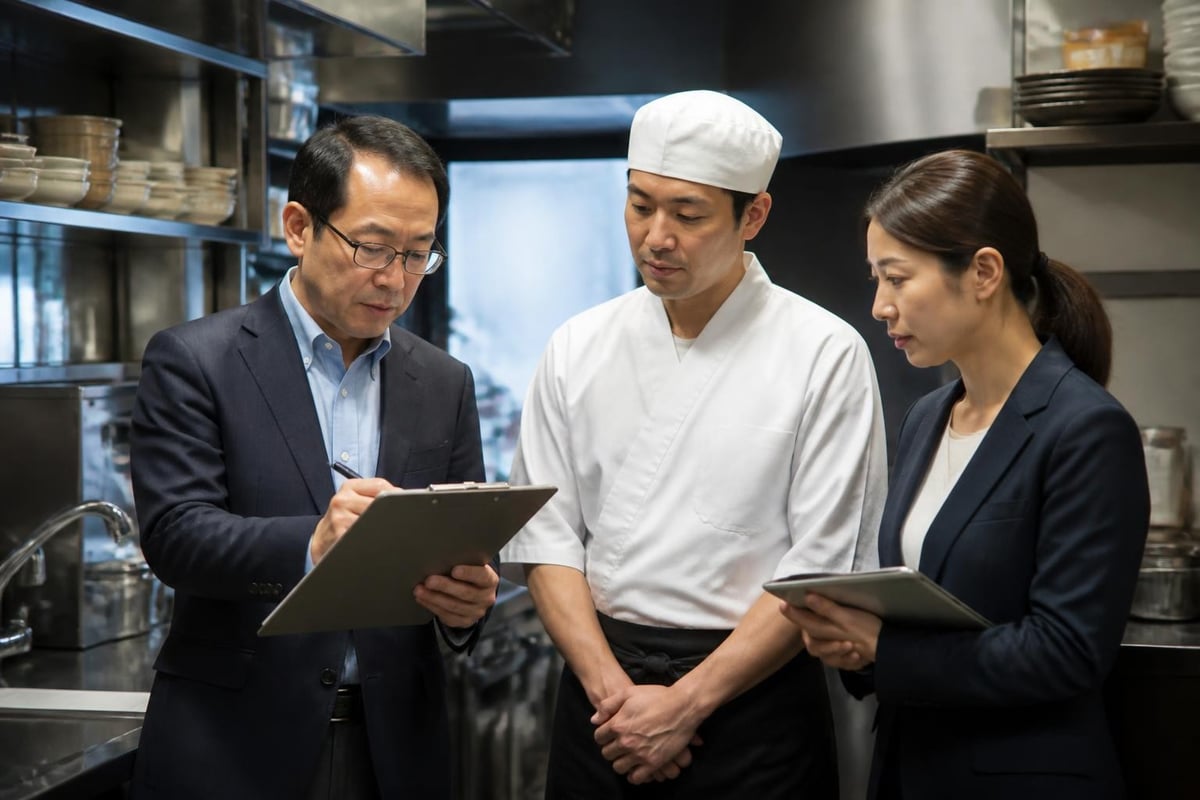
For peace of mind, Japan Halal Guide provides verification levels for establishments across Tokyo, helping you choose restaurants matching your comfort level.
Neighborhoods Where Halal Dining Thrives
Tokyo's halal restaurant distribution tells an interesting geographic story. Certain neighborhoods have emerged as true halal dining hubs, making your culinary exploration more efficient and enjoyable.
Asakusa: Where Tradition Meets Halal Innovation
Asakusa stands out as a premier destination for Muslim diners. This historic district, famous for Senso-ji Temple, has cleverly positioned itself as a halal-friendly tourism hub. Beyond its cultural attractions, Asakusa now hosts numerous certified establishments serving everything from traditional Japanese fare to fusion cuisine.
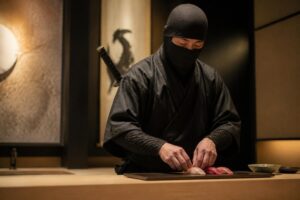
The neighborhood's charm lies in its accessibility. You can spend your morning exploring centuries-old temples, enjoy a halal lunch featuring premium Japanese beef, and continue your cultural immersion without disruption. Ninja Yakiniku exemplifies this perfect blend, offering A5 Wagyu yakiniku in a family-friendly atmosphere steps away from major tourist sites.
Shinjuku and Shibuya: Urban Halal Centers
These bustling commercial districts have developed robust halal dining networks. Shinjuku's station area alone houses over a dozen certified restaurants, while Shibuya offers trendy cafes and contemporary dining spaces catering to younger Muslim visitors.
The convenience factor here is unbeatable. You're never more than a few minutes' walk from verified halal options, making spontaneous dining decisions stress-free. Conveniently located halal restaurants near major stations have transformed how Muslim travelers experience Tokyo's urban energy.
| Neighborhood | Number of Halal Restaurants | Specialty Cuisine | Best For |
|---|---|---|---|
| Asakusa | 12+ | Traditional Japanese | Cultural immersion |
| Shinjuku | 15+ | Diverse international | Shopping & dining |
| Shibuya | 10+ | Contemporary fusion | Nightlife & trends |
| Roppongi | 8+ | Upscale dining | Business travelers |
Yakiniku: The Ultimate Halal Japanese Experience
Among all Japanese culinary traditions, yakiniku holds special appeal for halal-conscious diners. This interactive grilling experience centers entirely on high-quality meat, creating a natural fit for establishments willing to invest in proper halal certification.
The beauty of yakiniku lies in its simplicity and transparency. You watch your meat arrive at the table, grill it yourself over charcoal, and control every aspect of preparation. This visibility provides reassurance that many other dining formats cannot match.
What Makes Premium Halal Yakiniku Special
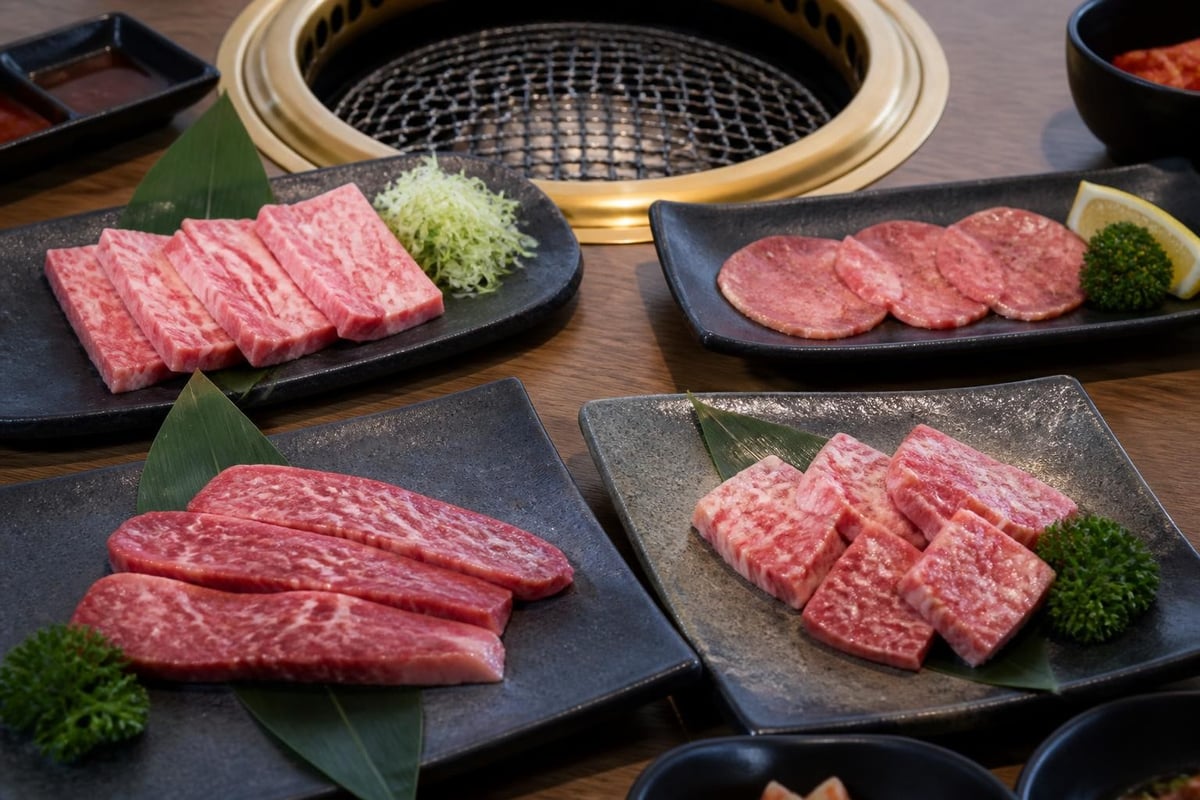
Premium yakiniku establishments distinguish themselves through meat quality and sourcing. A5 Wagyu represents the pinnacle of Japanese beef grading, characterized by intense marbling, buttery texture, and flavor complexity that transforms each bite into an experience.
When a tokyo halal restaurant offers A5 Wagyu with proper certification, they're bridging two worlds that historically seemed incompatible: Japan's most luxurious culinary product and Islamic dietary requirements. This achievement requires dedicated supply chains, specialized processing facilities, and unwavering commitment to standards.
Iga beef presents another exceptional option. Raised in Mie Prefecture under strict quality controls, Iga cattle produce beef with distinctive flavor profiles slightly different from mainstream Wagyu. The meat carries regional character while maintaining the tenderness and marbling Japanese beef is famous for.
The Yakiniku Dining Experience
For first-timers, yakiniku etiquette might seem mysterious. Here's what to expect:
- Table setup: Your table features a built-in grill, usually charcoal for authentic experiences
- Ordering: Select from various cuts, each offering different textures and flavors
- Grilling: Use provided tongs (never your eating chopsticks) to flip meat
- Timing: Thin slices need mere seconds per side; thicker cuts require patience
- Enjoyment: Dip in tare sauce or enjoy with just salt and pepper
The interactive nature makes yakiniku perfect for families and groups. Children fascinate at the grilling process, while adults appreciate the quality-focused simplicity.
Beyond Yakiniku: Diverse Tokyo Halal Restaurant Options
While yakiniku captures deserved attention, Tokyo's halal dining scene offers remarkable variety. The evolution from basic "Muslim-friendly" menus to fully certified establishments spans multiple cuisine types.
Traditional Japanese Cuisine Goes Halal
Kaiseki, Japan's haute cuisine tradition, seemed untouchable for halal adaptation. The intricate multi-course format relies heavily on dashi (fish stock), sake-based preparations, and mirin glazes. Yet innovative chefs have cracked the code, creating halal-certified kaiseki that honors tradition while respecting dietary requirements.
SANGA TOKYO in Kagurazaka demonstrates this evolution beautifully. Their luxury approach maintains Japanese culinary philosophy while substituting ingredients thoughtfully. The result: courses that flow with seasonal awareness and aesthetic precision indistinguishable from conventional kaiseki.
Sukiyaki and Shabu-Shabu Certified Options
These hot pot traditions adapt naturally to halal requirements. Both center on premium beef sliced paper-thin and cooked tableside in flavorful broths. The key modification involves replacing sake and mirin with halal-certified alternatives or creative substitutions.
Halal Diyafa near Tokyo Tower specializes in A5 halal Wagyu sukiyaki, pairing the meal with cultural experiences like matcha making and kimono rental. This combination transforms dining into comprehensive cultural immersion.
Ramen Revolution
Tokyo's ramen scene has undergone quiet halal revolution. Where once finding pork-free broth seemed impossible, 2026 offers numerous certified ramen shops throughout the city. These establishments craft rich, complex broths from chicken, beef, or vegetable bases that rival traditional tonkotsu depth.
The ramen adaptation required significant innovation. Traditional approaches involve simmering pork bones for days to extract collagen and flavor. Halal ramen chefs developed alternative techniques using chicken carcasses, beef marrow, and extended cooking times to achieve similar body and richness.
Understanding Menu Navigation and Ordering
Even at certified establishments, navigating menus confidently enhances your dining experience. Japanese culinary terminology can seem overwhelming, but understanding key terms empowers better ordering decisions.
Essential Japanese Menu Terms
| Japanese Term | English Meaning | What to Expect |
|---|---|---|
| Wagyu | Japanese beef | Premium quality, high marbling |
| Karubi/Kalbi | Short ribs | Rich, flavorful cut ideal for grilling |
| Harami | Skirt steak/diaphragm | Tender, slightly chewy texture |
| Tan | Beef tongue | Thin-sliced, delicate flavor |
| Rosu | Ribeye/loin | Well-marbled, tender cuts |
Asking the Right Questions
Even at certified tokyo halal restaurant locations, asking informed questions demonstrates respect for both the establishment and your dietary requirements:
- "Do you have official halal certification displayed?" – Most certified places proudly show credentials
- "Are kitchen facilities dedicated halal or shared?" – Understand their operational setup
- "Which certification body issued your halal approval?" – Familiarize yourself with recognized certifiers
- "Do you use any alcohol-based seasonings or mirin?" – Some places use trace amounts in sauces
These conversations should feel comfortable, not confrontational. Tokyo's halal restaurants in 2026 typically appreciate educated customers who care about proper standards.
Planning Your Tokyo Halal Dining Journey
Strategic planning transforms good trips into exceptional ones. Tokyo's size can overwhelm, but organizing your dining around neighborhoods and experiences creates manageable, enjoyable exploration.
Creating a Balanced Dining Itinerary
Consider mixing restaurant types throughout your stay:
- Premium yakiniku experience: Allocate one evening for high-end grilled meat
- Traditional kaiseki or sukiyaki: Reserve another night for formal Japanese dining
- Casual lunch spots: Find quick, affordable options near tourist attractions
- Cafe culture: Don't overlook halal-certified coffee shops for breaks
- Late-night options: Research which areas offer halal dining past 9 PM
This variety provides culinary diversity while preventing budget exhaustion from consecutive luxury meals.
Budget Considerations
Tokyo halal dining spans wide price ranges. Understanding typical costs helps budget appropriately:
- Budget-friendly (¥1,000-2,000 per person): Casual ramen, curry houses, cafes
- Mid-range (¥3,000-6,000 per person): Quality yakiniku, shabu-shabu, standard kaiseki
- Premium (¥8,000-15,000+ per person): A5 Wagyu yakiniku, luxury sukiyaki, high-end kaiseki
Lunch specials offer exceptional value. Many upscale establishments provide lunch sets at 40-50% less than dinner pricing, featuring similar quality ingredients in simplified presentations.
The Cultural Experience Beyond Food
Dining at a quality tokyo halal restaurant transcends mere eating. These establishments serve as cultural bridges, offering insights into Japanese hospitality, aesthetics, and social customs.
Omotenashi: Japanese Hospitality
Omotenashi, Japan's hospitality philosophy, emphasizes anticipating guest needs before they're expressed. At halal-certified restaurants, this manifests through:
- Proactive information sharing about ingredients and preparation methods
- Attention to comfort levels regarding prayer times and facilities
- Flexibility with dietary restrictions beyond standard halal requirements
- Educational moments about dishes, ingredients, and traditions
This approach creates welcoming environments where cultural exchange happens organically. Staff at dedicated halal establishments often speak multiple languages and understand diverse cultural backgrounds, smoothing potential communication barriers.
Family-Friendly Atmospheres
Many Tokyo halal restaurants recognize that Muslim travelers often explore in family units. Family-friendly establishments provide crucial amenities: high chairs for infants, kids' menus with appropriate portions, flexible seating arrangements, and patient service that accommodates children's needs.
Solo travelers find equal welcome. The traditional concern about dining alone in Japan has largely evaporated, particularly in tourist-friendly areas. Quality halal restaurants understand that solo dining represents personal exploration and treat single diners with the same attention as large groups.
Seasonal Considerations and Peak Times
Tokyo's dining scene shifts with seasons, affecting both availability and experience quality. Understanding these patterns helps optimize your visit.
Spring Cherry Blossom Season (March-April)
Peak tourism season brings crowds and requires advance reservations. Popular tokyo halal restaurant locations book weeks ahead during hanami (cherry blossom viewing) period. The trade-off: exceptional seasonal ingredients appear on menus, including spring bamboo shoots, sakura-flavored desserts, and limited-edition wagyu preparations.
Summer Festival Season (July-August)
Hot, humid weather shifts dining preferences toward lighter options. Shabu-shabu and cold noodle dishes gain popularity. Some yakiniku restaurants offer summer specials featuring vegetable-forward courses alongside premium meats.
Autumn Harvest (September-November)
Perhaps the best season for food enthusiasts. Autumn brings matsutake mushrooms, new rice harvests, and perfect weather for grilled meat. Restaurants showcase seasonal ingredients while comfortable temperatures make dining more pleasant.
Winter Comfort Food (December-February)
Hot pot dishes dominate, perfect for Tokyo's chilly winters. Sukiyaki and nabe (hot pot) restaurants see increased traffic. Premium yakiniku remains popular as warm grilled meat combats cold weather.
Resources for Finding and Verifying Halal Restaurants
Technology and dedicated resources have simplified finding reliable halal dining options dramatically compared to just a few years ago.
Digital Tools and Apps
Several specialized platforms serve Tokyo's Muslim dining community:
- HalalNavi: Comprehensive database with user reviews and verification status
- Halal Gourmet Japan: App featuring GPS-enabled restaurant locator
- Google Maps halal filters: Increasingly accurate for certified establishments
- Muslim Pro: Prayer time app with integrated restaurant finder
Comprehensive guides to halal dining in Tokyo provide curated lists updated regularly, saving research time while ensuring accuracy.
Community Recommendations
Online communities offer real-time insights that official guides sometimes miss. Facebook groups dedicated to halal travel in Japan, Instagram accounts documenting Muslim-friendly restaurants, and YouTube channels reviewing establishments provide current information and honest assessments.
Word-of-mouth remains powerful. Fellow travelers and local Muslim residents often share discoveries that haven't yet appeared in formal guides. Don't hesitate to ask for recommendations at mosques or halal grocery stores.
Special Dietary Needs Beyond Halal
Many Muslim travelers carry additional dietary considerations alongside halal requirements. Progressive tokyo halal restaurant establishments increasingly accommodate these layered needs.
Vegetarian and Vegan Options
Some Muslim diners prefer plant-based eating or want to incorporate vegetarian meals during their trip. Halal-certified restaurants with strong vegetable programs offer this flexibility. Japanese cuisine's Buddhist influences mean many establishments already excel at vegetable preparation, making adaptation straightforward.
Allergy Accommodations
Japanese restaurants generally handle allergy requests seriously due to cultural emphasis on customer care. When communicating allergies:
- Use clear, simple language or written notes in Japanese
- Specify severity (life-threatening versus preference)
- Ask about cross-contamination concerns
- Request ingredient lists for complex dishes
Most certified halal establishments already track ingredients carefully for halal compliance, making allergy accommodation more manageable than at conventional restaurants.
Children's Dietary Preferences
Family travelers know that children's palates sometimes clash with adventurous dining. Quality halal restaurants typically offer:
- Plain grilled meat options without heavy seasoning
- Rice and simple sides familiar to most children
- Mild broths for hot pot dishes
- Customizable portions to reduce waste
Don't feel embarrassed requesting modifications. Japanese service culture embraces accommodation when asked politely.
Emerging Trends in Tokyo's Halal Dining Scene
The tokyo halal restaurant landscape continues evolving. Several trends define where the industry heads in 2026 and beyond.
Tech Integration
Digital menus with real-time translation, QR code ordering systems with detailed ingredient breakdowns, and automated reservation platforms make dining more accessible. Some restaurants now offer virtual reality previews of dishes, helping diners make informed choices before ordering.
Sustainability Focus
Environmental consciousness pervades Japanese society, and halal restaurants participate actively. Initiatives include:
- Sourcing from local halal farms reducing carbon footprint
- Eliminating single-use plastics through reusable service ware
- Food waste reduction programs precisely portioning ingredients
- Seasonal menu rotations emphasizing local availability
These efforts align Islamic principles of environmental stewardship with contemporary sustainability movements.
Fusion Innovation
Young Japanese chefs trained in halal requirements increasingly experiment with fusion concepts. You'll find halal-certified ramen topped with Middle Eastern spices, wagyu prepared with Southeast Asian marinades, and desserts blending Japanese and Arabic traditions.
This creativity respects both halal standards and Japanese culinary foundations while pushing boundaries in exciting directions.
Practical Tips for First-Time Visitors
If this is your first Tokyo dining experience as a Muslim traveler, these insights smooth your journey.
Reservation Strategies
Book premium restaurants 2-4 weeks ahead, especially for weekend dinners. Many establishments limit daily covers to maintain quality. When reserving:
- Confirm halal certification during booking
- Mention dietary restrictions beyond standard halal
- Ask about prayer facilities if timing matters
- Specify occasion (anniversary, birthday) for potential special touches
Payment Expectations
Japan remains relatively cash-dependent despite increasing card acceptance. Carry sufficient yen, particularly for smaller establishments. Many restaurants add service charges automatically, making additional tipping unnecessary and sometimes awkward.
Dress Codes
Casual attire suffices at most tokyo halal restaurant locations. Premium establishments may prefer smart casual dress, but formal requirements remain rare. Remove shoes when entering tatami mat dining areas – many restaurants provide slippers.
Timing Your Visits
Japanese dining culture follows predictable patterns:
- Lunch rush: 12:00-13:00 (arrive before noon or after 13:30)
- Dinner service: Usually starts 17:00-18:00
- Peak dinner: 19:00-20:00 (book reservations or arrive early)
- Last orders: Often 21:00-22:00, earlier in residential areas
Flexibility with timing improves availability and service quality during less hectic periods.
Making the Most of Your Yakiniku Experience
Since yakiniku represents a highlight of halal dining in Tokyo, maximizing this experience deserves special attention.
Ordering Like a Pro
Start with lean cuts to appreciate subtle flavors, then progress to fattier, more marbled options. This sequence prevents palate fatigue from richness. A balanced order might include:
- Appetizers: Kimchi, namul (seasoned vegetables), salad
- Lean beef: Tongue, outer skirt, eye round
- Medium marbling: Harami, standard kalbi
- Premium cuts: A5 ribeye, special kalbi, premium loin
- Finishing items: Rice, soup, cold noodles
Don't over-order initially. Japanese portions often seem small but prove surprisingly filling when combined properly.
Grilling Techniques
Watch for visual cues rather than timing rigidly:
- Thin slices (tongue, skirt): 10-15 seconds per side until color changes
- Medium cuts (standard kalbi): 20-30 seconds per side, slight char acceptable
- Thick cuts (premium ribeye): 45-60 seconds per side, rest briefly before eating
- Vegetables: Grill until tender but still crisp, timing varies by type
Don't press meat with tongs – this squeezes out precious juices and flavor.
Sauce Dynamics
Traditional tare (dipping sauce) comes in sweet or savory varieties. Start with minimal dipping to taste meat's natural flavor, then experiment with sauces. Some premium cuts taste best with just salt and lemon rather than sauce.
Understanding the Investment in Quality
Premium halal dining in Tokyo costs more than conventional options. Understanding why helps appreciate the value proposition.
Certification Costs and Compliance
Obtaining and maintaining halal certification involves:
- Application and inspection fees from certification bodies
- Regular audits ensuring ongoing compliance
- Staff training programs on halal requirements
- Specialized sourcing from certified suppliers
- Dedicated equipment to prevent cross-contamination
These investments protect your dietary requirements but increase operational costs reflected in menu prices.
Premium Ingredient Sourcing
A5 Wagyu costs significantly more than standard beef even before halal certification. When you add requirements for halal slaughter and processing, supply chains become more complex and expensive. The top halal restaurants in Tokyo justify premium pricing through ingredient quality and certification rigor.
Labor and Expertise
Skilled yakiniku chefs undergo years of training in meat selection, cutting techniques, and customer service. Halal-certified establishments often require additional training on Islamic dietary laws, creating more comprehensive staff development programs.
The investment in quality extends beyond food to entire experiences – ambiance, service refinement, attention to detail, and cultural authenticity.
Connecting with Tokyo's Muslim Community
Dining at halal-certified restaurants often provides entry points to Tokyo's growing Muslim community. These connections enrich travel experiences beyond tourism.
Community Centers and Mosques
Tokyo hosts several mosques serving as community hubs. Visiting for prayer services naturally leads to restaurant recommendations from locals. The Tokyo Camii in Shibuya and Otsuka Mosque in Toshima welcome visitors and often share information about trusted halal dining options.
Cultural Exchange Opportunities
Many tokyo halal restaurant owners come from Muslim-majority countries or have spent time in Islamic regions. These backgrounds create unique fusion perspectives – Japanese hospitality meeting Middle Eastern warmth, creating atmospheres distinct from conventional Japanese dining.
Staff often appreciate conversations about their halal journey, sharing insights about challenges and successes in adapting Japanese cuisine to Islamic requirements.
Exploring Regional Variations
While Tokyo dominates discussions, understanding how the capital's halal scene compares to other Japanese cities provides context.
Tokyo offers the highest concentration of certified options, but Osaka, Kyoto, and Fukuoka have developed robust halal dining networks. Tokyo's advantage lies in diversity – you'll find not just quantity but breadth spanning all cuisine types and price points.
Halal food options throughout Tokyo demonstrate this variety, from Asakusa's traditional focus to Shibuya's contemporary interpretations. Regional cities often specialize in particular cuisines, while Tokyo provides comprehensive coverage.
Tokyo's transformation into a halal dining destination reflects Japan's evolving global consciousness and commitment to inclusive hospitality. Whether you're craving premium wagyu yakiniku, traditional kaiseki, or innovative fusion cuisine, the city offers certified options that honor both Islamic dietary requirements and Japanese culinary excellence. For an unforgettable halal yakiniku experience in Asakusa, Ninja Yakiniku combines A5 Wagyu and Iga beef with family-friendly service and solo traveler hospitality, creating the perfect introduction to Tokyo's halal dining renaissance. Your culinary journey awaits in a city where tradition and accommodation blend seamlessly.