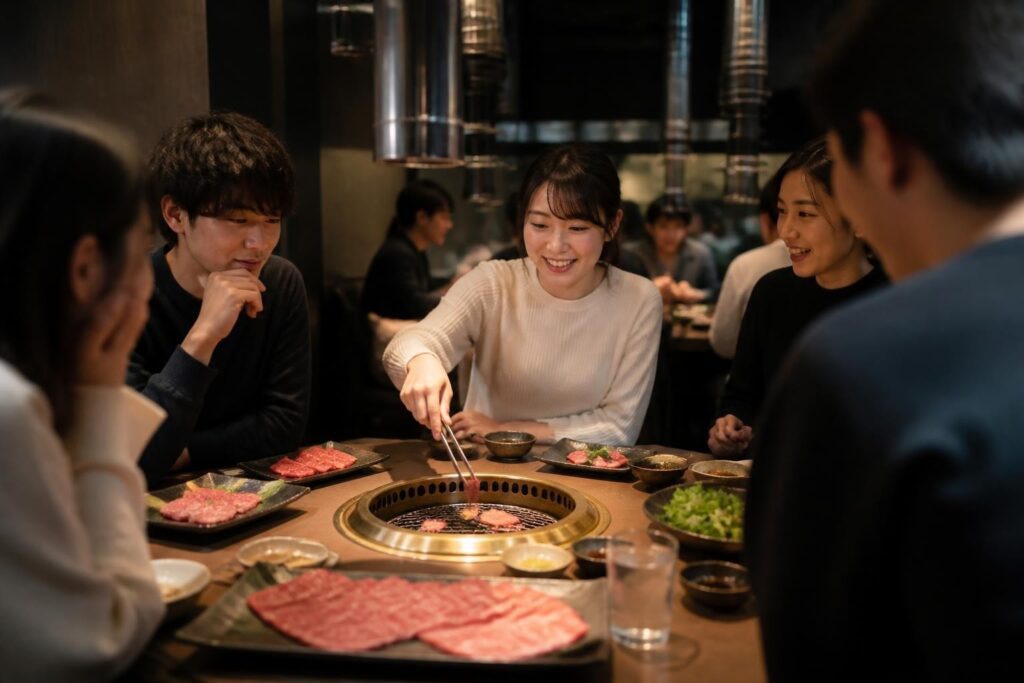
Picture this: You're sitting at a sleek table in the heart of Tokyo, smoke gently rising from the charcoal grill embedded before you. The sizzle of premium wagyu hitting the hot grate fills your ears, while the rich aroma of perfectly marbled beef mingles with the subtle sweetness of tare sauce. This isn't just dinner. This is japanese bbq tokyo, an experience that transforms a meal into a memory, where you become both chef and diner, creating your own culinary masterpiece one perfectly grilled slice at a time. Whether you're a first-time visitor to Japan's bustling capital or a seasoned traveler seeking the finest yakiniku spots, understanding the landscape of Tokyo's BBQ scene will transform how you approach this beloved dining tradition.
What Makes Japanese BBQ Tokyo So Special
The magic of japanese bbq tokyo lies in its perfect marriage of premium ingredients, centuries-old tradition, and modern innovation. Unlike Western barbecue that relies on low-and-slow smoking techniques, yakiniku celebrates the pure flavor of beef through quick, high-heat grilling that preserves the meat's natural juices and delicate texture.
Tokyo's yakiniku restaurants have evolved into sophisticated establishments that rival the city's finest sushi counters and kaiseki restaurants. The capital's competitive dining scene pushes chefs to source only the highest-grade beef, with many establishments featuring A5 wagyu that practically melts on your tongue.
What sets Tokyo's yakiniku apart:
- Access to Japan's finest beef producing regions, including Kobe, Matsusaka, and Iga
- Meticulous attention to meat cutting techniques that enhance tenderness
- Traditional binchotan charcoal that burns hotter and cleaner than regular charcoal
- Highly trained staff who guide diners through proper grilling techniques
- Innovative menu structures that showcase different cuts in thoughtful progression
The result? An experience that feels simultaneously intimate and theatrical, where the simple act of grilling beef becomes a meditation on quality, technique, and flavor.
Understanding Tokyo's Yakiniku Neighborhoods
Each Tokyo neighborhood brings its own flavor to the japanese bbq tokyo experience. Shibuya and Shinjuku pulse with energy, offering sleek, modern yakiniku restaurants where business dinners and celebrations unfold late into the night. These districts cater to expense accounts and special occasions, with price tags that reflect their premium positioning.
Asakusa tells a different story. This historic neighborhood, home to the famous Senso-ji Temple, blends traditional Tokyo charm with contemporary dining innovation. Here, you'll find establishments that honor both heritage and inclusivity, creating spaces where international visitors feel genuinely welcomed.
The Asakusa Advantage
Walking through Asakusa's narrow streets feels like stepping back in time. Yet this traditional district has embraced modern dining needs without sacrificing its cultural identity. Restaurants here understand that today's global travelers seek authentic experiences alongside dietary accommodations.
The neighborhood's proximity to major tourist attractions makes it incredibly convenient for visitors planning their Tokyo itinerary. You can explore centuries-old temples in the afternoon and enjoy world-class yakiniku in the evening, all within walking distance.
| Neighborhood | Atmosphere | Price Range | Best For |
|---|---|---|---|
| Asakusa | Traditional, welcoming | Moderate to high | Tourists, families, halal diners |
| Shibuya | Modern, energetic | High | Business dinners, nightlife |
| Roppongi | International, upscale | Very high | Celebrations, dates |
| Shimokitazawa | Casual, artistic | Moderate | Young crowds, groups |
The Premium Beef Experience
When people talk about japanese bbq tokyo, they're really talking about the beef. Japan's grading system differs significantly from Western standards, with A5 representing the pinnacle of marbling, color, brightness, firmness, and fat quality.
But here's what many visitors don't understand: not all A5 wagyu tastes the same. Regional variations create distinct flavor profiles. Iga beef, for example, comes from cattle raised in Mie Prefecture using traditional methods that produce exceptionally tender meat with a sweet, rich flavor that lingers on your palate.
Understanding beef grades and cuts:
- A5 Wagyu – Highest grade with intense marbling
- A4 Wagyu – Excellent quality, slightly less marbling
- Premium domestic beef – High-quality Japanese cattle, more affordable
- Specialty regional beef – Unique flavors from specific prefectures
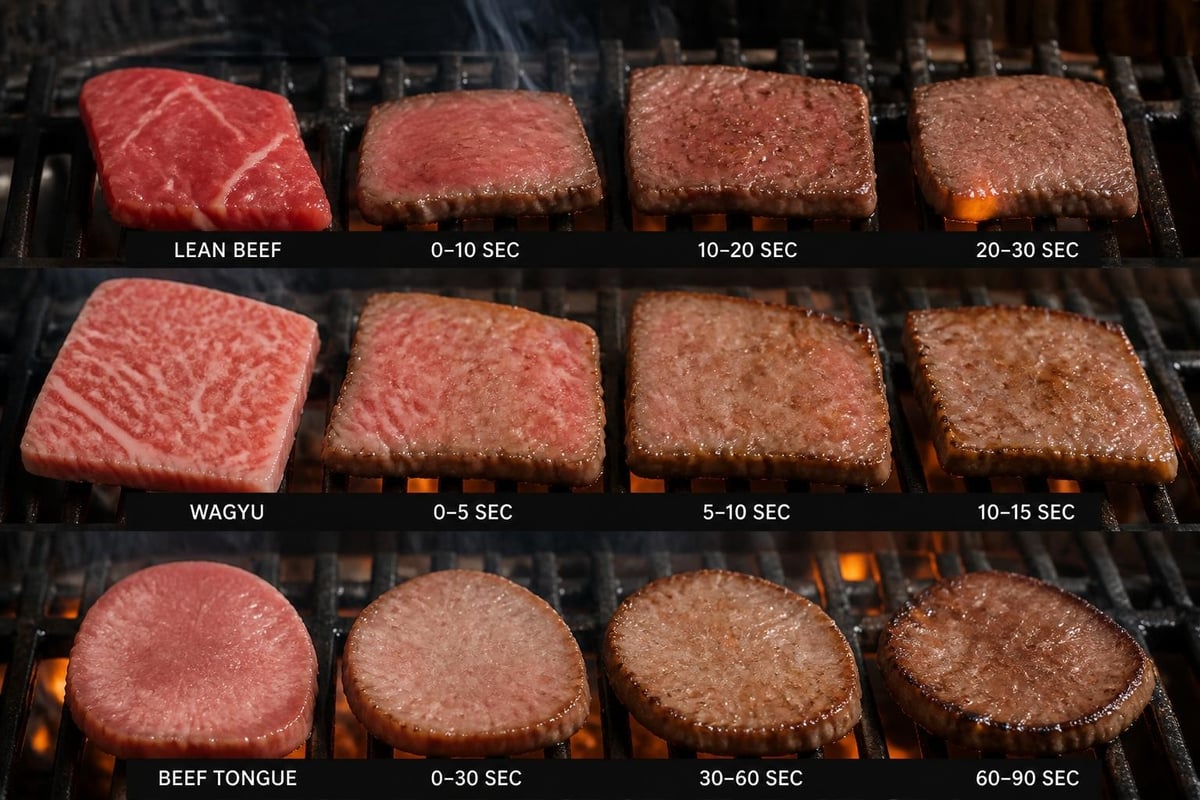
The art of yakiniku extends beyond simply choosing premium beef. Different cuts require different cooking times and techniques. Tongue (tan) needs just seconds per side to maintain its delicate texture. Short rib (karubi) benefits from slightly longer cooking to render the fat properly. Skirt steak (harami) sits somewhere in between, demanding attention and timing.
Restaurants like Seiryūen have built reputations on their ability to source and prepare these cuts perfectly, earning consecutive awards for their dedication to quality.
Halal Japanese BBQ: Breaking New Ground
For years, Muslim travelers faced a frustrating paradox in Tokyo. The city offered incredible culinary experiences, yet finding halal options felt like searching for treasure without a map. The japanese bbq tokyo scene has begun addressing this gap, recognizing that inclusivity doesn't mean compromising quality.
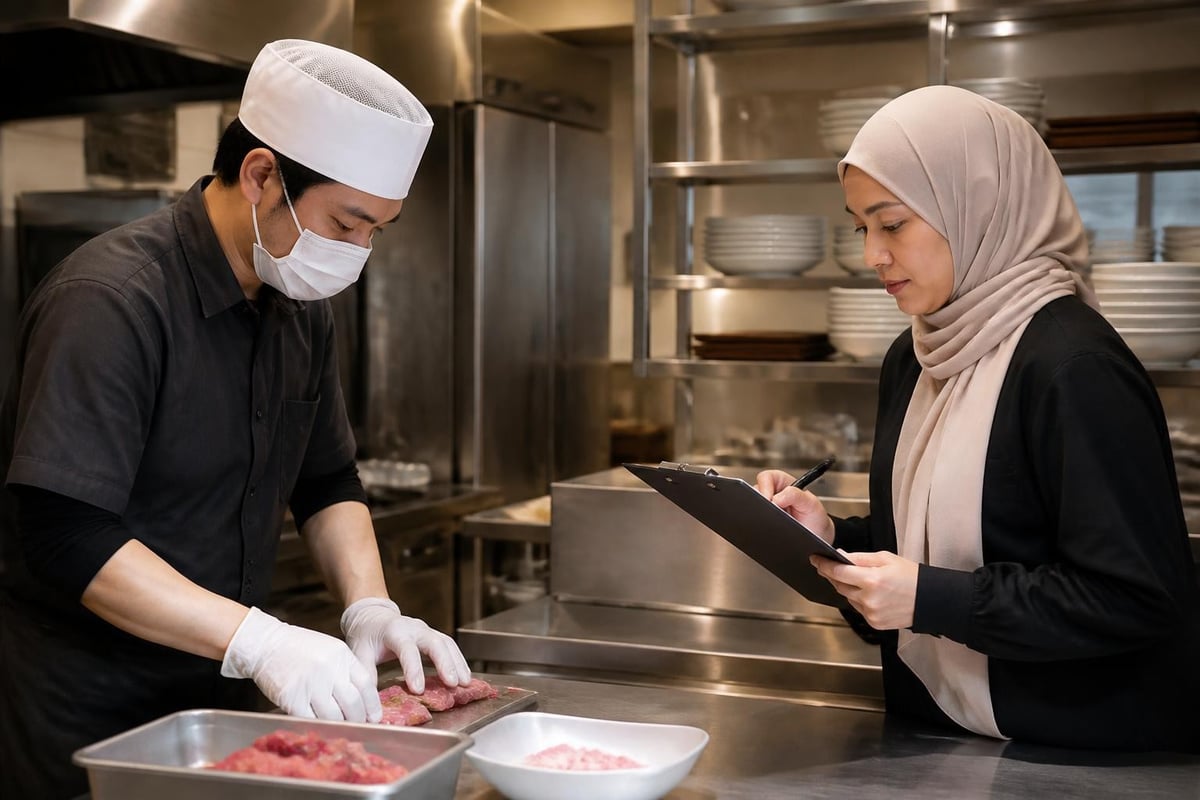
Halal certification requires rigorous standards: properly slaughtered meat, dedicated preparation spaces, and complete separation from non-halal ingredients. Achieving this in a yakiniku context demands operational excellence and genuine commitment.
Why Halal Yakiniku Matters
Tokyo welcomed over 25 million international visitors in 2025, with Muslim travelers representing a significant and growing segment. These guests seek authentic Japanese experiences while maintaining their dietary principles. They don't want separate, inferior options-they want the same premium quality offered to all diners.
Smart restaurants recognize this represents both moral imperative and business opportunity. By obtaining halal certification and maintaining the highest quality standards, establishments can serve a broader audience without alienating existing customers.
The technical challenges are real. Cross-contamination prevention requires separate grills, utensils, and storage. Staff training must be thorough and consistent. Supply chains need verification at every step. But restaurants that navigate these complexities successfully create something special: truly inclusive fine dining.
Navigating Your First Yakiniku Experience
Walking into a japanese bbq tokyo restaurant can feel intimidating if you've never experienced yakiniku before. The menus often feature unfamiliar cuts, the grilling process requires attention, and social etiquette adds another layer of complexity.
Let's demystify the experience.
Most yakiniku restaurants offer both à la carte ordering and set courses. First-timers benefit from set courses, which provide a curated progression of cuts that build in richness and intensity. You'll typically start with leaner cuts like tongue or sirloin, gradually moving toward more marbled selections.
Your yakiniku toolkit:
- Tongs for handling raw meat (never use these to eat!)
- Scissors for cutting larger pieces
- Personal chopsticks for eating cooked meat
- Small plate for dipping sauces
- Bowl for rice (if ordered)
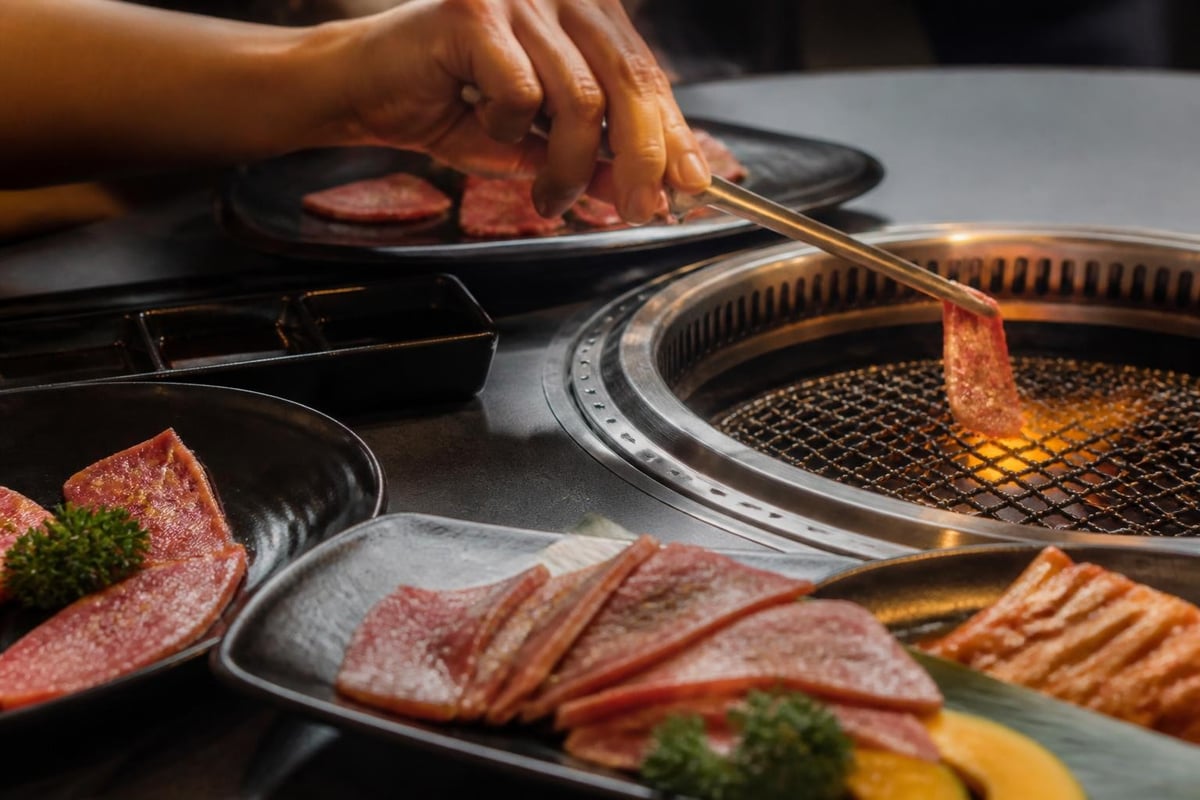
The grilling technique matters. Resist the urge to constantly flip your meat. Let each side develop proper color before turning. Thinner cuts need mere seconds-watch for color change and remove immediately. Thicker cuts allow more leeway but still demand attention.
Reading the Menu
Japanese yakiniku menus organize cuts by type and location on the cow. Understanding basic categories helps you order confidently:
- Tongue (Tan) – Delicate, quick-cooking, often served with lemon and salt
- Shoulder (Kata) – Flavorful, moderate marbling
- Rib (Rosu/Karubi) – Rich, well-marbled, classic yakiniku cuts
- Loin (Hire) – Tender, lean, prized for its buttery texture
- Skirt (Harami) – Flavorful diaphragm muscle, tender when not overcooked
- Internal organs (Horumon) – Adventurous options like intestine and liver
Don't hesitate to ask staff for recommendations. Quality establishments employ servers who understand their menu intimately and genuinely want to enhance your experience. They can suggest optimal cooking times and ideal sauce pairings for each cut.
The Science of Perfect Grilling
Temperature control separates good yakiniku from transcendent japanese bbq tokyo experiences. Traditional binchotan charcoal burns at incredibly high temperatures while producing minimal smoke and odor. This allows the meat's natural flavors to shine without overwhelming char or smoky bitterness.
The grill's hottest spots typically sit in the center, with cooler zones around the edges. Strategic placement lets you sear meat aggressively in the center, then move it to the periphery to finish cooking more gently. This technique particularly benefits thicker cuts that need internal heat without surface burning.
Fat renders at specific temperatures, transforming from solid to liquid. With heavily marbled wagyu, this transformation happens quickly-often within 20-30 seconds per side. The goal isn't to completely render all fat, but to warm it enough that it lubricates the meat fibers while maintaining structural integrity.
| Cut Type | Cooking Time Per Side | Visual Cues | Ideal Doneness |
|---|---|---|---|
| Tongue (Tan) | 10-15 seconds | Color change from pink to white | Medium-rare |
| Premium Karubi | 20-30 seconds | Fat begins bubbling | Medium |
| Lean Hire | 30-45 seconds | Light browning on surface | Medium-rare |
| Harami | 25-35 seconds | Slight char marks forming | Medium |
Resting meat after grilling might seem counterintuitive when you're hungry, but those 30 seconds allow juices to redistribute throughout the meat fibers. The difference in tenderness and moisture is remarkable.
Family-Friendly Yakiniku Dining
Many travelers assume japanese bbq tokyo restaurants cater exclusively to adults, but family-friendly establishments have proliferated throughout the city. These restaurants recognize that introducing children to quality food experiences creates lifelong appreciation for culinary excellence.
Restaurants like Yakiniku Futago have built their reputation partly on welcoming families with children, creating environments where parents can relax while kids safely participate in the grilling experience.
The interactive nature of yakiniku naturally engages children. They can watch their food transform from raw to cooked, developing understanding of cooking processes that many kids never experience. Supervised participation in actual grilling (with appropriate safety measures) turns dinner into education.
What makes yakiniku family-friendly:
- High chairs and booster seats available
- Kid-friendly cuts that appeal to less adventurous palates
- Rice, vegetables, and mild sauces for picky eaters
- Staff accustomed to managing grills safely around children
- Booth seating that contains active kids better than open tables
Solo travelers also find yakiniku surprisingly welcoming. Counter seating at many establishments provides perfect perches for individuals who want the full experience without feeling conspicuous at a table designed for groups. The focus on personal grilling creates natural contentment in solo dining.
Beyond Beef: The Complete Yakiniku Menu
While premium wagyu rightfully dominates discussions of japanese bbq tokyo, comprehensive yakiniku menus offer remarkable variety. Pork belly (buta bara) provides rich, satisfying flavor at more accessible price points. Chicken (tori) offers lighter options that balance heavier beef courses.
Seafood appears on many menus, with scallops, shrimp, and squid taking beautifully to quick, high-heat grilling. These items cook even faster than beef, requiring vigilant attention but rewarding you with sweet, delicate flavors enhanced by light char.
Vegetables often get overlooked but deserve serious consideration. Grilled shiitake mushrooms develop concentrated umami that complements beef perfectly. Kabocha squash caramelizes gorgeously, its natural sugars intensifying through the Maillard reaction. Even simple cabbage becomes something special when quickly charred and finished with a brush of sesame oil.
Building Your Perfect Meal
Strategic ordering creates satisfying progression and prevents palate fatigue. Start with lighter items that awaken your taste buds without overwhelming them:
- Begin with tongue and lean cuts
- Add vegetables and seafood as palate cleansers
- Progress to moderately marbled beef
- Finish with richest, most marbled selections
- Close with rice or cold noodles to settle the meal
This structure mirrors kaiseki philosophy, where courses build intentionally toward crescendo before gently resolving. The approach prevents the common mistake of starting with the richest cuts, which can actually diminish your ability to appreciate their nuances.
Cultural Context and Etiquette
Understanding japanese bbq tokyo means appreciating its cultural context. Yakiniku as we know it today evolved in the postwar period, influenced by Korean grilling traditions but developing distinctly Japanese characteristics. The emphasis on pristine ingredients, precise technique, and aesthetic presentation reflects broader Japanese culinary values.
Certain etiquette expectations enhance the communal experience. Sharing grilling duties when dining in groups demonstrates consideration. Taking responsibility for monitoring and removing meat at its optimal moment shows engagement and respect for the food.
Avoid mixing raw meat tongs with eating utensils-this basic hygiene practice prevents cross-contamination. When serving yourself from shared plates, use the designated serving chopsticks rather than your personal pair. These small gestures signal cultural awareness and respect.
The pace of yakiniku dining deserves mention. This isn't fast food. Expect to spend 90 minutes to two hours enjoying a proper yakiniku dinner. Rushing through premium beef defeats the purpose. The experience is meant to be savored, conversations flowing between courses, connections deepening over shared grilling triumphs and occasional cooking mishaps.
Seasonal Considerations and Timing
Tokyo's seasons dramatically influence the japanese bbq tokyo experience. Summer yakiniku sessions, while popular, can feel oppressively hot as grill heat combines with ambient humidity. Many restaurants boost air conditioning to compensate, but be prepared for warmth.
Winter transforms yakiniku into cozy refuge from Tokyo's surprisingly cold weather. The grill's radiant heat becomes welcome comfort, and the heartiness of grilled beef feels perfectly suited to the season. December through February represent peak yakiniku season for many Tokyo residents.
Optimal visiting times:
- Weekday lunches – Excellent value set menus, minimal crowds
- Early evening (5-6 PM) – Beat the dinner rush, easier reservations
- Late night (after 9 PM) – Some restaurants offer special late-night menus
- Off-peak seasons – Easier reservations, more attentive service
Reservations are increasingly essential at quality establishments. Tokyo’s competitive dining scene means popular restaurants book weeks in advance, especially for weekend evenings. International visitors should secure reservations before arriving in Japan when possible.
Price Expectations and Value
Japanese bbq tokyo spans enormous price ranges. Budget-conscious diners can find satisfactory experiences starting around ¥3,000-4,000 per person. Mid-range establishments offering quality domestic beef typically run ¥6,000-10,000 per person. Premium restaurants featuring certified A5 wagyu and rare cuts easily exceed ¥15,000-20,000 per person.
Understanding value requires looking beyond simple price comparisons. A ¥15,000 meal featuring pristine Iga A5 wagyu, attentive service, and exceptional atmosphere may deliver better value than a ¥8,000 meal with mediocre beef and indifferent service.
Set courses often provide better value than à la carte ordering, particularly for first-time visitors uncertain about portions and variety. These curated selections showcase the restaurant's strengths while preventing over-ordering or missing signature items.
| Price Tier | Per Person Cost | Beef Quality | Atmosphere | Best For |
|---|---|---|---|---|
| Budget | ¥3,000-4,000 | Standard domestic | Casual | Large groups, casual meals |
| Mid-range | ¥6,000-10,000 | Premium domestic | Comfortable | Regular dining, small celebrations |
| Premium | ¥15,000+ | A5 wagyu, rare cuts | Refined | Special occasions, food enthusiasts |
Beverage costs can significantly impact final bills. Japanese beer, sake, and whisky pair beautifully with yakiniku but add ¥500-1,500 per drink. Many restaurants offer all-you-can-drink options (nomihodai) that provide value for groups planning extended meals.
Modern Innovations in Yakiniku
The japanese bbq tokyo scene continues evolving, with innovative restaurants pushing boundaries while respecting tradition. Establishments like beef by KOH pioneered casual fine dining concepts, offering A5 wagyu in relaxed settings that prioritize accessibility over formality.
Fusion concepts have emerged, with some restaurants exploring Japanese-American BBQ crossovers that incorporate smoking techniques into traditional yakiniku frameworks. These experiments attract adventurous diners while sometimes drawing criticism from purists.
Technology integration has accelerated. Digital menu tablets with English translations and photos help international visitors navigate complex menus. Some establishments have installed smoke extraction systems that more effectively clear air while maintaining traditional charcoal grilling.
The rise of specialized dietary accommodations represents perhaps the most significant innovation. Beyond halal certification, some restaurants now offer vegetarian yakiniku courses featuring innovative plant-based proteins alongside traditional grilled vegetables. Others accommodate gluten-free requirements through dedicated sauce preparation and careful menu labeling.
Social Dynamics and Group Dining
Research into Tokyo dining behaviors reveals that social dynamics heavily influence restaurant selection, particularly for group dining experiences like yakiniku. The communal grilling aspect creates natural interaction and shared responsibility that strengthens social bonds.
Business dinners frequently happen at yakiniku restaurants, where the casual grilling activity helps break down hierarchical barriers that might stiffen more formal dining situations. Colleagues grill together, share recommendations, and build rapport through the shared experience.
Date nights at yakiniku restaurants carry different dynamics. The interactive element provides natural conversation topics and activities that prevent awkward silences. Successfully grilling meat demonstrates care and attentiveness. The intimate setting of booth seating creates privacy within public space.
Making Reservations and Special Requests
When booking japanese bbq tokyo restaurants, communicate special requirements clearly. Halal requirements, allergies, dietary restrictions, and celebration needs should be mentioned during reservation. Quality establishments appreciate advance notice and can often accommodate requests impossible to fulfill for walk-in diners.
Specify your preferred seating. Counter seats suit solo diners and couples seeking interaction with staff. Booth tables work better for groups wanting privacy. Some restaurants offer private rooms ideal for business dinners or celebrations requiring discretion.
Arrival timing matters. Showing up exactly at your reservation time demonstrates respect for the restaurant's schedule. Late arrivals may result in shortened dining windows, as tables are often booked in successive seatings during peak hours.
The Future of Japanese BBQ in Tokyo
Looking ahead, the japanese bbq tokyo landscape appears poised for continued growth and diversification. Sustainability concerns are pushing some restaurants toward more transparent sourcing, highlighting specific farms and raising methods. Diners increasingly want to know not just the grade of their beef, but the story behind it.
International influence will likely intensify as Tokyo cements its position as a global culinary capital. More restaurants may pursue halal certification, kosher options, and other accommodations that welcome diverse global visitors without compromising quality.
Technology will play expanding roles, from advanced reservation systems that better match diners with appropriate restaurants to potential innovations in grilling equipment that maintain charcoal tradition while improving safety and consistency.
Emerging trends to watch:
- Regenerative agriculture partnerships with specific cattle ranches
- Enhanced transparency in grading and sourcing
- Expansion of dietary accommodation beyond halal and vegetarian
- Integration of Japanese regional beef varieties beyond traditional Kobe and Matsusaka
- Emphasis on lesser-known cuts that showcase chef creativity
Yet amid all this change, the essential appeal of yakiniku remains constant: quality ingredients, simple preparation, and the profound satisfaction of creating your own perfect bite. That fundamental truth will ensure japanese bbq tokyo continues captivating diners for generations to come.
The japanese bbq tokyo experience offers something for everyone, from budget-conscious travelers to luxury seekers, from solo adventurers to families creating memories together. Whether you're seeking premium A5 wagyu or halal-certified options that don't compromise on quality, Tokyo's yakiniku scene delivers extraordinary experiences. For travelers looking to combine authentic Asakusa atmosphere with world-class halal yakiniku featuring A5 Wagyu and Iga beef, Ninja Yakiniku provides the welcoming, inclusive dining experience that transforms a meal into an unforgettable moment of Japanese culinary culture.