
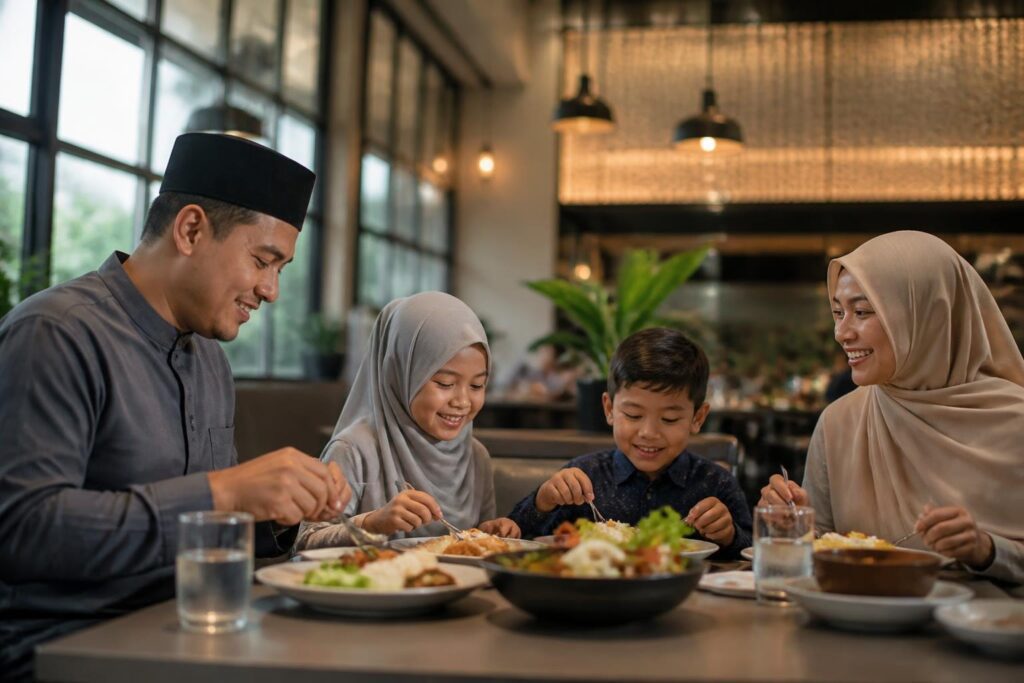
The world has become smaller, yet understanding remains vast. When my cousin first traveled to Tokyo in 2024, she returned with stories that lit up our family dinner table. Not tales of temples or cherry blossoms, but of finding a yakiniku restaurant where she could finally relax. Where the staff understood her needs without explanation. Where the menu didn't require lengthy interrogations. That restaurant was halal friendly, and it changed her entire trip. Today, as Muslim travelers and residents increasingly seek dining experiences that honor both their faith and their desire for authentic cuisine, the term "halal friendly" has evolved beyond a simple label into a promise of understanding, quality, and genuine hospitality.
Understanding the Halal Friendly Concept
Halal friendly represents more than just the absence of pork or alcohol. It embodies a restaurant's commitment to welcoming Muslim guests with respect, transparency, and cultural awareness.
The distinction between "halal certified" and "halal friendly" matters significantly. A halal certified establishment has undergone rigorous inspection and approval by recognized certifying bodies, ensuring that every ingredient, preparation method, and supply chain element meets strict halal principles and requirements. These restaurants display official certificates and operate under regular audits.
A halal friendly restaurant, meanwhile, takes deliberate steps to accommodate Muslim diners without necessarily holding formal certification. This might include offering selected halal certified meats, avoiding cross-contamination, or clearly labeling ingredients. The approach serves areas where full certification proves difficult or where establishments want to welcome Muslim guests alongside their broader clientele.
The Spectrum of Halal Accommodation
Restaurants position themselves differently along the halal friendly spectrum:
- Fully certified establishments with comprehensive halal credentials
- Partially certified venues offering specific halal menu items
- Accommodating restaurants that avoid certain ingredients and maintain transparency
- Aware establishments that understand Muslim dietary needs and communicate honestly
Each level serves different needs. A Muslim family visiting Tokyo for a week might prioritize certified restaurants for most meals while appreciating halal friendly options for special dining experiences they can't find elsewhere.
Why Halal Friendly Matters in Modern Dining
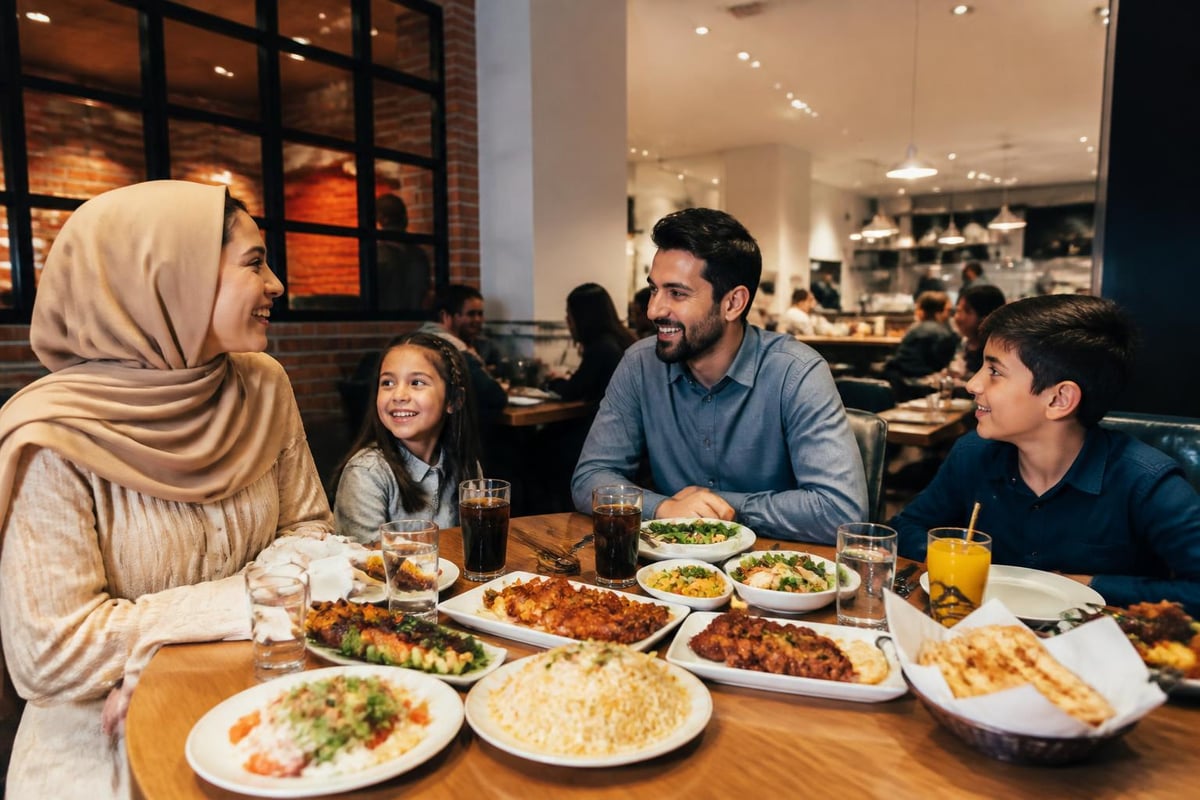
The global Muslim population exceeds 1.8 billion people in 2026, representing nearly a quarter of humanity. These individuals travel, work internationally, and seek dining experiences that don't compromise their values.
Japan presents a fascinating case study. The country welcomed over 30 million tourists in 2019, with Muslim visitors representing one of the fastest-growing segments. Yet for years, finding quality halal options beyond specialized restaurants proved challenging. The halal friendly movement changed this dynamic.
Economic Impact and Market Growth
The halal food market continues its remarkable expansion:
| Market Segment | 2023 Value | 2026 Projection | Growth Rate |
|---|---|---|---|
| Global Halal Food | $2.1 trillion | $2.6 trillion | 7.2% annually |
| Halal Tourism | $220 billion | $285 billion | 9.1% annually |
| Certified Restaurants | 45,000 worldwide | 62,000 worldwide | 11.3% annually |
These numbers tell stories of families choosing destinations, business travelers selecting lunch spots, and young professionals exploring their cities. When restaurants embrace the halal friendly approach, they access this growing market while demonstrating cultural competence.
Certification Standards and Requirements
Understanding halal certification standards reveals the rigor behind authentic halal friendly establishments. The certification process involves multiple layers of verification, documentation, and ongoing compliance.
Core Certification Components
Legitimate halal certification requires meeting specific criteria across every operational aspect. Only qualified organizations can issue halal certification, and these bodies maintain strict standards.
Ingredient Verification forms the foundation. Every item entering the kitchen must trace back to permissible sources. This means beef from properly slaughtered cattle, chicken from certified suppliers, and even checking that seemingly innocent ingredients like gelatin or enzymes don't derive from prohibited sources.
Supply Chain Integrity ensures products remain uncontaminated from farm to plate. Suppliers must provide documentation, storage facilities require separate spaces, and transportation vehicles can't carry halal and non-halal items together.
Preparation Protocols govern kitchen operations. Dedicated utensils prevent cross-contamination. Surfaces require thorough cleaning between different food preparations. Staff training ensures everyone understands why these procedures matter.
The comprehensive halal certification guide details how American establishments navigate these requirements, though international standards share common principles.
The Audit Process
Restaurants seeking certification undergo thorough evaluation:
- Initial application and documentation review
- On-site facility inspection
- Supply chain verification and supplier audits
- Staff training assessment
- Trial period monitoring
- Certificate issuance
- Regular compliance audits (typically quarterly or semi-annually)
This process can take several months and requires significant investment. Yet for establishments like Ninja Yakiniku, the commitment demonstrates genuine dedication to serving Muslim guests with excellence.
What Makes a Restaurant Truly Halal Friendly
Walking into a genuinely halal friendly restaurant feels different. The atmosphere communicates understanding before you even see the menu.
Transparency as Foundation
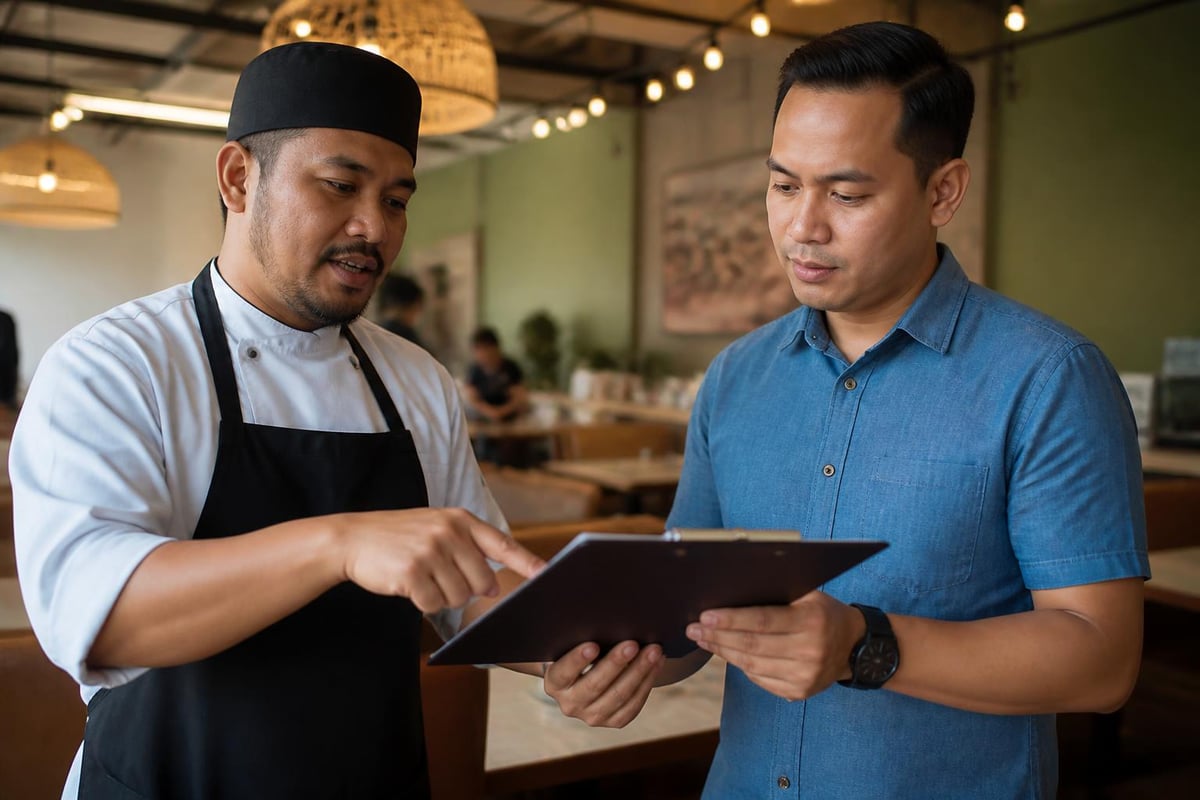
The best halal friendly establishments practice radical transparency. Menus clearly indicate which items are certified halal, which ingredients might concern Muslim diners, and where cross-contamination risks exist. Staff can answer detailed questions without hesitation because they receive proper training.
I remember visiting a restaurant in Singapore that printed ingredient sources directly on their menu. Each dish listed the supplier for meat, the certification body, and any potential cross-contamination points. This level of openness builds trust that no amount of general marketing can achieve.
Cultural Sensitivity Beyond Food
True halal friendly service extends past the plate:
- Prayer accommodation with clean, private spaces available on request
- Alcohol-free sections or completely alcohol-free environments
- Gender-sensitive seating options for families preferring privacy
- Staff awareness of Ramadan, Eid, and other Islamic observances
- Multilingual materials explaining halal practices and certifications
These touches transform a meal from acceptable to memorable. They signal that the establishment sees Muslim guests as valued community members rather than a niche market to exploit.
Navigating Halal Friendly Options as a Diner
Muslim diners develop sophisticated strategies for evaluating halal friendly claims. Years of experience teach you what questions to ask and which red flags demand attention.
Essential Questions to Ask
Before ordering, these inquiries reveal a restaurant's actual commitment:
About Certification:
- "Which certifying body issued your halal certificate?"
- "Can I see your current certification documentation?"
- "When was your last compliance audit?"
About Ingredients:
- "Where do you source your meat?"
- "Are your seasonings and marinades halal certified?"
- "Do you use any alcohol-based ingredients in cooking?"
About Kitchen Practices:
- "Do you have dedicated halal preparation areas?"
- "Are utensils and cooking surfaces shared with non-halal items?"
- "How do you prevent cross-contamination?"
Legitimate halal friendly restaurants welcome these questions. Evasive or uncertain answers suggest inadequate commitment.
Verification Methods
Modern technology empowers diners to verify claims independently. The halal certification verification guide explains how to check certificates against certifying body databases.
Red Flags to Watch:
- Certificates without clear expiration dates
- Uncertified meat sources
- Staff unable to answer basic halal questions
- Menus mixing clearly prohibited items with supposedly halal options
- Missing or vague ingredient information
Positive Indicators:
- Prominently displayed, current certificates
- Staff trained in halal requirements
- Clear menu labeling and ingredient lists
- Willingness to accommodate special requests
- Recognition from Muslim community organizations
Regional Variations in Halal Friendly Standards
The halal friendly concept adapts to local contexts while maintaining core principles. What works in Tokyo differs from Dubai, which differs from London.
Asian Markets
Japan, South Korea, and Taiwan have embraced halal friendly dining as tourism strategy. These countries often feature restaurants offering selected halal menu items within broader menus. The focus emphasizes transparency about which dishes meet halal standards rather than converting entire establishments.
Tokyo's Asakusa district illustrates this approach perfectly. Traditional Japanese restaurants maintain their authentic character while accommodating Muslim visitors through careful ingredient selection and clear communication. This balanced approach preserves culinary heritage while extending hospitality.
| Region | Halal Friendly Approach | Common Challenges | Success Factors |
|---|---|---|---|
| East Asia | Selective menu certification | Limited halal supply chains | Government tourism support |
| Southeast Asia | Full restaurant certification | Competitive market density | Large Muslim populations |
| Middle East | Expected standard practice | Maintaining quality standards | Cultural alignment |
| Western Europe | Growing mixed model | Regulatory complexity | Immigrant communities |
| North America | Certification plus transparency | Geographic supplier access | Diverse Muslim demographics |
Western Implementations
European and North American halal friendly restaurants often adopt comprehensive certification due to well-established certifying bodies and robust halal supply networks. The core requirements for halal certification in the United States demonstrate the systematic approach available in these markets.
These regions also see innovative halal friendly concepts: fast-casual chains, food trucks, and upscale dining establishments all recognizing Muslim consumers' purchasing power and diverse preferences.
The Business Case for Going Halal Friendly
Restaurant owners increasingly view halal friendly positioning as smart business strategy rather than niche accommodation. The math simply makes sense.
Market Access and Customer Loyalty
Muslim consumers demonstrate remarkable loyalty to restaurants that genuinely serve their needs. Finding quality halal options, especially for specific cuisines, proves difficult enough that when diners discover trustworthy establishments, they become regular customers and enthusiastic ambassadors.
A study tracking spending patterns showed Muslim families frequent halal friendly restaurants 40% more often than general population averages when dining out. They also spend approximately 25% more per visit because they can finally order freely without restrictions.
Competitive Differentiation
In crowded restaurant markets, halal friendly certification creates clear differentiation. It positions establishments as culturally aware, quality-focused, and committed to serving diverse communities.
Consider the premium dining segment. Offering halal certified A5 Wagyu distinguishes a restaurant from competitors who simply serve excellent beef. It signals attention to detail, supply chain excellence, and customer-first thinking that extends beyond Muslim diners.
Marketing Advantages
Halal friendly positioning generates organic marketing through:
- Community endorsement from Muslim organizations and influencers
- Social media sharing by grateful diners discovering quality options
- Tourism board promotion in regions targeting Muslim travelers
- Media coverage highlighting cultural inclusivity
- Word-of-mouth referrals within Muslim networks worldwide
These marketing channels deliver pre-qualified, highly motivated customers at minimal acquisition cost.
Implementing Halal Friendly Practices
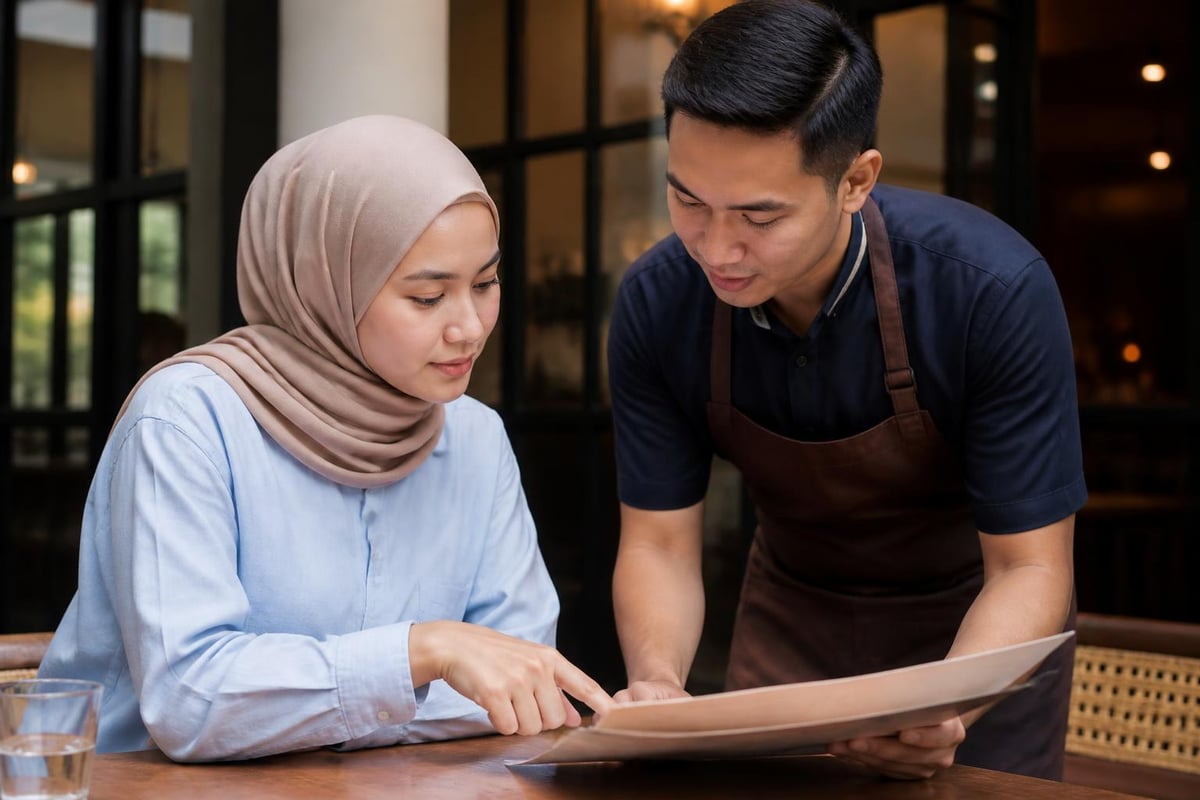
Restaurants considering halal friendly positioning face clear implementation pathways. Success requires commitment, investment, and genuine cultural understanding rather than superficial gestures.
Starting Point Assessment
Begin by evaluating current operations against halal requirements. The halal food guidelines provide comprehensive frameworks for this assessment.
Current State Analysis:
- Which menu items already meet halal standards?
- What ingredient substitutions would enable halal compliance?
- Where do cross-contamination risks exist?
- What certification level makes sense for your concept?
- How will halal friendly positioning affect your broader customer base?
Phased Implementation Approach
Phase One: Foundation (Months 1-3)
- Research certifying bodies and requirements
- Identify halal suppliers for core ingredients
- Train management team on halal principles
- Develop preliminary halal menu items
Phase Two: Infrastructure (Months 4-6)
- Install separate preparation areas if pursuing certification
- Update procurement systems and supplier relationships
- Create staff training programs
- Develop transparent menu labeling
Phase Three: Certification (Months 7-9)
- Submit formal certification application
- Undergo facility inspection and audits
- Implement corrective actions from audit findings
- Receive certification and plan launch
Phase Four: Marketing (Months 10-12)
- Announce halal friendly status through multiple channels
- Engage Muslim community organizations
- Train customer-facing staff on explaining halal practices
- Monitor feedback and refine operations
Cost Considerations
Implementing halal friendly practices involves several investment categories:
- Certification fees: $2,000-$15,000 annually depending on restaurant size and certifying body
- Supplier transitions: 10-30% premium for halal certified ingredients
- Infrastructure modifications: $5,000-$50,000 for kitchen separation and equipment
- Staff training: $1,000-$5,000 for comprehensive programs
- Marketing launch: $3,000-$20,000 for community engagement and promotion
While significant, these costs pale against the market opportunity they unlock. Most restaurants report positive ROI within 12-18 months of achieving halal friendly status.
Quality and Authenticity in Halal Friendly Dining
The halal friendly movement faces a critical challenge: maintaining culinary excellence while meeting religious requirements. Some establishments sacrifice quality for convenience, offering halal options that taste inferior to their standard menu.
The Excellence Standard
Outstanding halal friendly restaurants refuse this compromise. They source premium halal ingredients that match or exceed conventional alternatives. A5 Wagyu from certified halal suppliers delivers identical marbling, flavor, and tenderness as any other premium beef. The halal aspect adds value without subtracting quality.
This commitment matters enormously to Muslim diners. They don't want to feel like second-class customers receiving inferior versions of celebrated dishes. They seek the full experience, prepared according to their values.
Traditional Cuisine Adaptations
Adapting traditional recipes for halal compliance requires creativity and respect. Japanese yakiniku traditionally features various meats with specific marinades and preparations. Creating halal friendly versions means preserving authentic flavors while adjusting ingredients.
Successful adaptations maintain:
- Original flavor profiles through careful ingredient substitution
- Traditional cooking techniques that define the cuisine
- Cultural presentation and service rituals
- Authentic dining atmosphere and experience elements
The goal isn't creating "halal versions" that approximate the real thing. It's crafting authentic cuisine that happens to meet halal standards.
Future Trends in Halal Friendly Hospitality
The halal friendly movement continues evolving, driven by technology, globalization, and increasing Muslim consumer sophistication.
Technology Integration
Digital verification systems now allow diners to scan QR codes accessing complete ingredient sourcing, certification documents, and preparation protocols. Blockchain technology promises tamper-proof supply chain tracking from farm to table.
Mobile apps help Muslim travelers locate halal friendly restaurants worldwide, read verified reviews from Muslim diners, and even preview menus before arrival. This technology empowers confident dining decisions in unfamiliar cities.
Luxury Market Expansion
High-end restaurants increasingly recognize Muslim consumers' purchasing power and dining expectations. Michelin-starred establishments in London, Paris, and Tokyo now offer halal tasting menus showcasing creativity within Islamic dietary guidelines.
This trend elevates halal friendly dining from accommodation to aspiration. Muslim diners access the full spectrum of culinary experiences without compromise.
Standardization Efforts
International bodies work toward harmonized halal standards reducing confusion across borders. While challenges remain, progress toward universal certification mutual recognition would simplify compliance and enhance consumer confidence.
Building Trust Through Consistent Excellence
Trust forms the currency of halal friendly dining. Muslim consumers have encountered enough misleading claims, cut corners, and broken promises to approach new establishments with healthy skepticism.
Earning that trust requires:
Consistency: Every visit must meet the same high standards. Variation in quality or compliance destroys confidence immediately.
Transparency: Honest communication about what is and isn't halal, where ingredients come from, and how food is prepared builds credibility that marketing claims never achieve.
Community Engagement: Regular interaction with Muslim community leaders, seeking feedback, and demonstrating genuine interest in serving this audience well creates advocates who vouch for your commitment.
Continuous Improvement: Staying current with evolving standards, seeking additional certifications when appropriate, and refining practices based on diner feedback shows dedication to excellence.
Cultural Respect: Understanding that halal represents religious obligation, not dietary preference, and treating Muslim guests' needs with appropriate seriousness and care.
These elements compound over time. Restaurants that maintain them become treasured community resources where Muslim families celebrate milestones, travelers find comfort away from home, and food lovers of all backgrounds gather for exceptional dining experiences.
Understanding what makes restaurants truly halal friendly empowers both diners seeking quality options and establishments wanting to serve Muslim guests with excellence. The movement represents hospitality at its finest, where cultural understanding meets culinary skill. When you're exploring Tokyo and craving authentic yakiniku without compromising your values, Ninja Yakiniku offers exactly this combination-halal certified A5 Wagyu and Iga beef prepared with expertise in Asakusa's welcoming atmosphere, where solo travelers and families alike discover that exceptional dining and faith-based dietary requirements enhance rather than limit each other.