
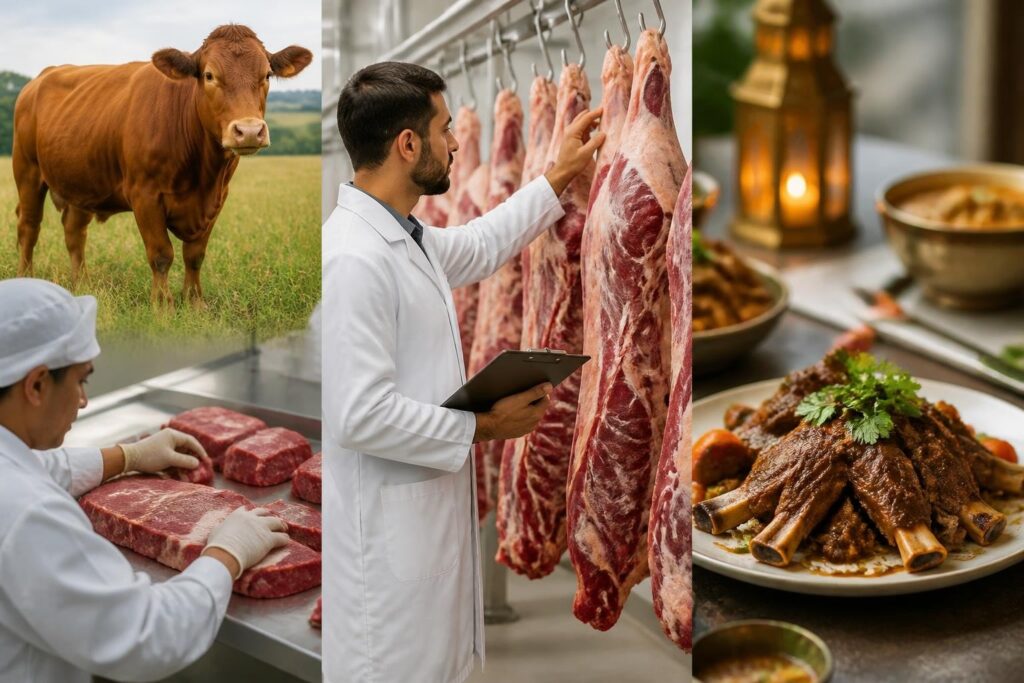
Picture yourself sitting at a table where sizzling sounds fill the air, premium cuts of beef glisten under warm lighting, and every bite promises not just exceptional flavor but also complete peace of mind. This is the essence of discovering halal best food in 2026, where quality meets faith-based dietary requirements in the most delicious ways possible. For Muslim travelers exploring Tokyo's vibrant food scene or locals seeking authentic yakiniku experiences, understanding what makes halal food truly exceptional transforms a simple meal into an unforgettable culinary journey.
Understanding What Makes Halal Best Food Stand Out
The concept of halal extends far beyond a simple certification sticker on a menu. When we talk about halal best food, we're discussing an entire ecosystem of careful sourcing, ethical preparation, and unwavering commitment to both quality and religious principles.
Halal food encompasses specific guidelines that govern everything from animal welfare to ingredient selection. The Arabic word "halal" translates to "permissible," and in the culinary world, it represents food that adheres to Islamic dietary laws as outlined in the Quran.
The Certification Process That Guarantees Authenticity
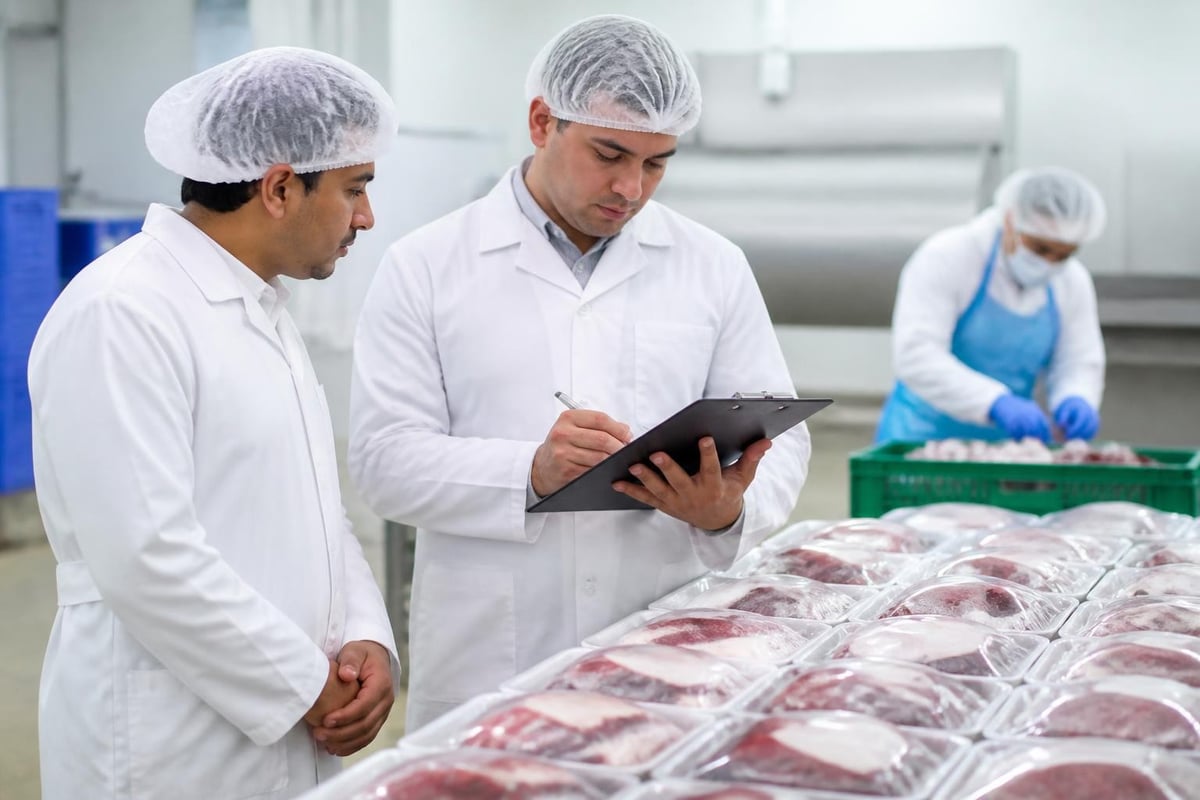
What separates truly exceptional halal dining from establishments that merely claim to serve halal options? The answer lies in proper certification and rigorous adherence to standards.
Key Elements of Halal Certification:
- Independent verification by recognized halal certification bodies
- Regular inspections of facilities and supply chains
- Documentation of sourcing for all ingredients
- Staff training on proper handling procedures
- Separation of halal and non-halal items throughout preparation
Understanding halal certification requirements helps diners make informed choices. Restaurants committed to serving halal best food invest significantly in maintaining these certifications, ensuring that every aspect of their operation meets strict standards.
Premium Ingredients: The Foundation of Halal Best Food
Walk into any exceptional halal restaurant, and you'll immediately notice the difference that quality ingredients make. When it comes to yakiniku specifically, the selection of beef defines the entire dining experience.
Why A5 Wagyu Represents the Pinnacle
A5 Wagyu stands as the highest grade of Japanese beef, characterized by intense marbling that creates an almost buttery texture when grilled. Finding halal-certified A5 Wagyu represents a unique intersection of Japanese culinary excellence and Islamic dietary requirements.
| Wagyu Grade | Marbling Score | Texture | Flavor Profile |
|---|---|---|---|
| A5 | 8-12 (Exceptional) | Butter-soft | Rich, umami-forward |
| A4 | 6-7 (Premium) | Very tender | Well-balanced |
| A3 | 4-5 (Good) | Tender | Clean beef flavor |
The rarity of halal A5 Wagyu stems from the specialized supply chain required. Cattle must be raised according to halal standards, and the slaughtering process must follow Islamic law precisely. This commitment to both premium quality and religious adherence defines what halal best food truly means in the high-end dining space.
Iga Beef: Japan's Hidden Treasure
Beyond Wagyu, Iga beef represents another jewel in the crown of Japanese cattle breeding. Originating from the Iga region in Mie Prefecture, this beef develops its distinctive qualities through a combination of climate, traditional farming methods, and generations of expertise.
The beef's flavor profile offers something unique. While Wagyu dazzles with marbling, Iga beef presents a perfect balance between fat content and lean meat, creating depth of flavor that unfolds with each bite.
The Art of Yakiniku: Where Technique Meets Tradition
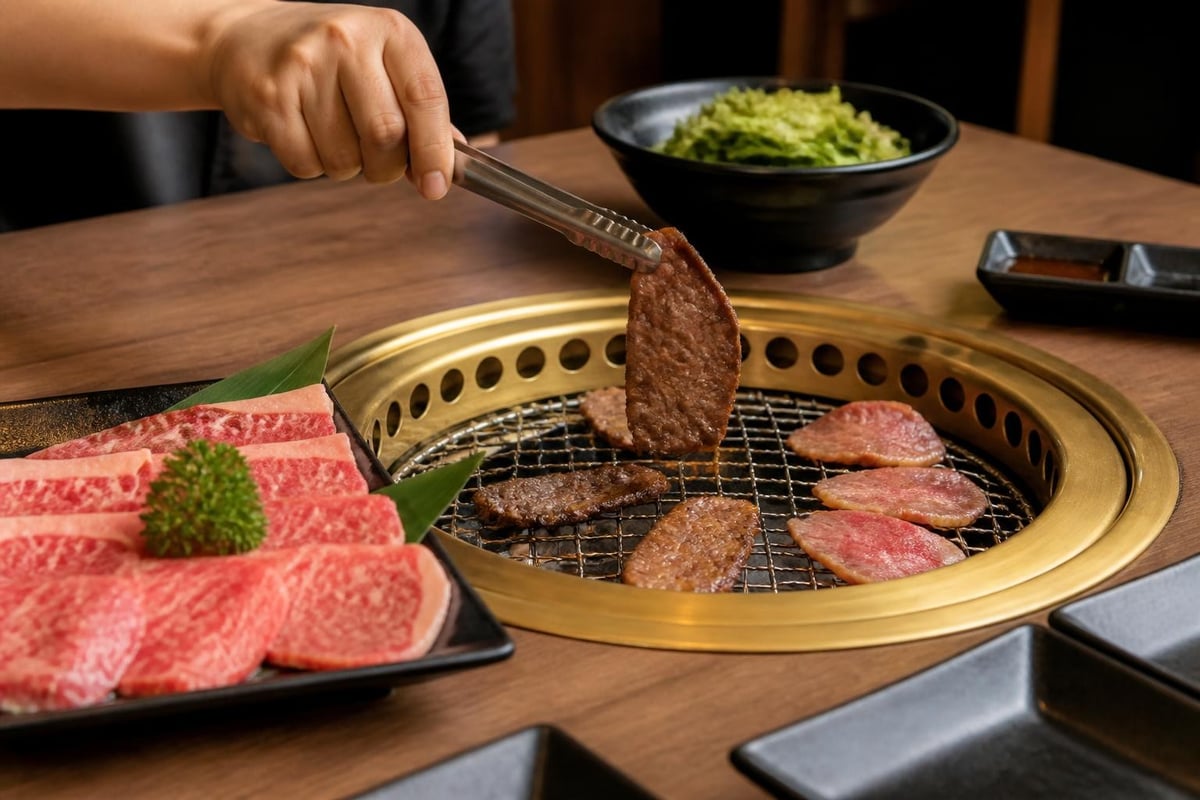
Yakiniku isn't merely grilling meat. It's a cultural experience where diners become chefs, controlling every aspect of their meal's preparation. For those seeking halal best food experiences, yakiniku offers an interactive journey that engages all senses.
Mastering the Grill: Temperature and Timing
Essential Yakiniku Grilling Tips:
- Preheat your grill properly until you can hold your hand above it for only 2-3 seconds
- Watch for color changes rather than relying solely on timing
- Flip only once to maintain juiciness and develop proper char
- Rest thicker cuts for 30 seconds after grilling
- Experiment with different sections of the grill for varying heat levels
The beauty of premium cuts lies in their simplicity. A5 Wagyu requires minimal seasoning because the meat itself delivers extraordinary flavor. A light touch of salt or a quick dip in tare sauce enhances without overwhelming.
Accompaniments That Complete the Experience
Traditional yakiniku extends beyond the meat itself. Rice, kimchi, fresh vegetables, and various dipping sauces create a complete meal that balances richness with freshness.
At establishments committed to halal best food, every element receives the same attention to certification and quality. The kimchi contains no alcohol-based seasonings. The sauces use verified halal ingredients. Even the cooking oil meets strict standards.
The Global Rise of Halal Fine Dining
The landscape of halal cuisine has transformed dramatically over the past decade. What once represented a niche market has evolved into a sophisticated dining category that attracts both Muslim and non-Muslim food enthusiasts.
Breaking Stereotypes About Halal Cuisine
A common misconception suggests that halal food limits culinary creativity or quality. The reality couldn't be further from this outdated notion. Today's halal best food establishments showcase that religious dietary requirements and gastronomic excellence exist in perfect harmony.
Innovations in Halal Dining:
- Fusion cuisine incorporating Japanese, Middle Eastern, and Western techniques
- Farm-to-table concepts with halal-certified organic suppliers
- Molecular gastronomy approaches applied to traditional halal dishes
- Wine-pairing alternatives using sophisticated non-alcoholic beverages
- Celebrity chef involvement elevating halal cuisine's profile
The fundamental guidelines for halal food provide a framework, but within that framework exists endless creative possibility. Chefs worldwide continue pushing boundaries while respecting tradition.
Tokyo's Emerging Halal Food Scene
Japan's relationship with halal dining has evolved significantly, particularly as the country welcomes increasing numbers of Muslim visitors and residents. Tokyo, as the nation's capital, leads this transformation with an expanding selection of certified halal restaurants.
Asakusa: Where Tradition Meets Modern Halal Dining
The historic Asakusa district, famous for Senso-ji Temple and traditional Tokyo atmosphere, has become an unexpected hub for halal best food experiences. The area's commitment to preserving culture while embracing international visitors creates the perfect environment for authentic halal yakiniku.
Walking through Asakusa's streets, you'll find traditional architecture alongside modern restaurants that understand the needs of diverse diners. This blend of old and new mirrors the halal dining philosophy itself-honoring tradition while embracing quality and accessibility.
| Neighborhood | Halal Restaurant Density | Tourist Accessibility | Cultural Experience |
|---|---|---|---|
| Asakusa | High | Excellent | Traditional Tokyo |
| Shibuya | Medium | Excellent | Modern/Youth Culture |
| Shinjuku | High | Good | Business/Entertainment |
| Ginza | Medium | Excellent | Luxury Shopping |
Family-Friendly Halal Dining Options
Finding restaurants that welcome families while maintaining high culinary standards presents a challenge in any major city. The halal best food establishments that succeed in Tokyo recognize the importance of creating spaces where multi-generational groups feel comfortable.
Family-Friendly Features to Look For:
- Spacious seating arrangements accommodating strollers
- Children's menu options or adjustable portion sizes
- Staff trained to handle dietary restrictions beyond halal requirements
- Flexible dining times accommodating different schedules
- Welcoming atmosphere that doesn't sacrifice sophistication
Solo Travelers and the Halal Dining Experience
The solo dining movement has reshaped restaurant culture globally, and halal establishments have embraced this trend enthusiastically. For Muslim travelers exploring Tokyo alone, finding quality halal best food shouldn't mean choosing between authentic cuisine and social comfort.
Creating Welcoming Environments for Individual Diners
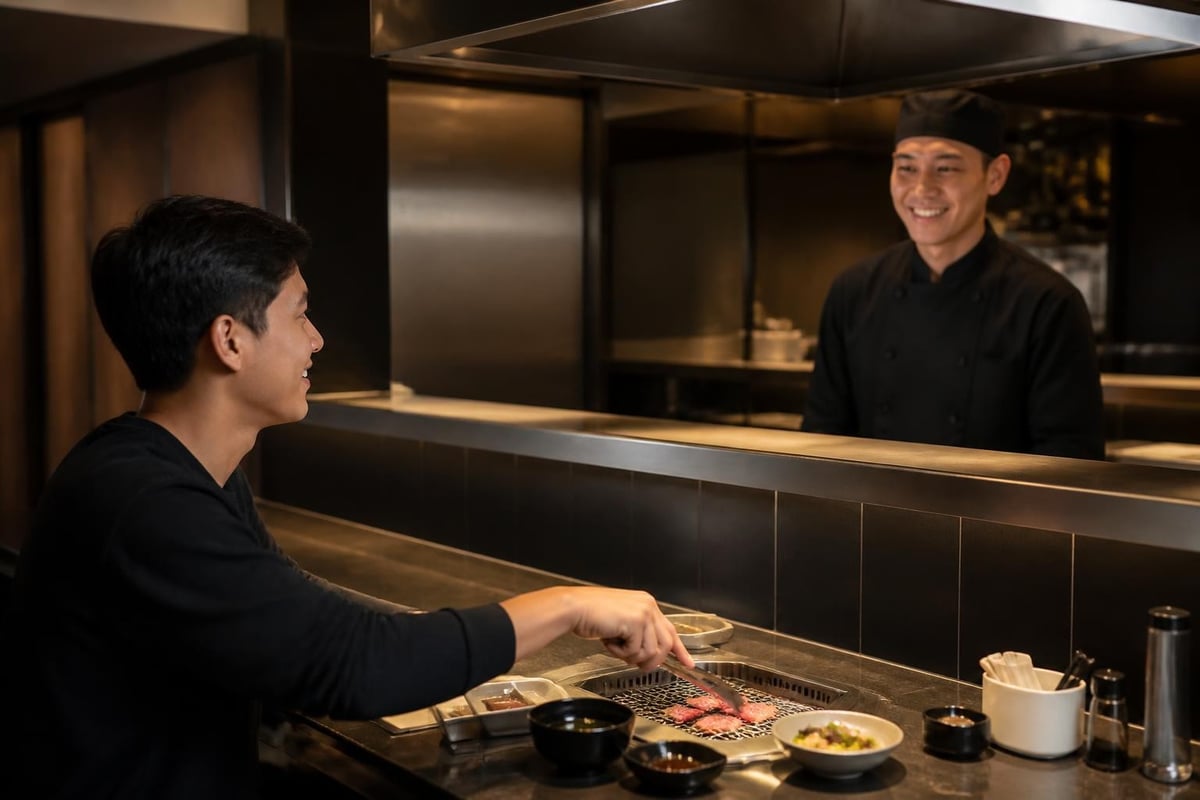
Progressive halal restaurants design their spaces with solo travelers in mind. Counter seating allows individuals to enjoy premium yakiniku without feeling conspicuous. Staff members trained in hospitality ensure solo diners receive attentive service without hovering.
The yakiniku format itself suits solo dining beautifully. Unlike shared plates at traditional restaurants, yakiniku allows each diner to control their own grill, creating an engaging experience that never feels lonely.
Health Considerations in Halal Best Food
Beyond religious compliance, many diners choose halal options for perceived health benefits. While debates continue about whether halal meat is healthier than conventional meat, certain aspects of halal preparation align with health-conscious eating.
The Hygiene Advantage
Halal slaughter methods require immediate blood drainage, which some argue reduces bacterial growth and improves meat freshness. The strict sanitation requirements throughout the halal certification process also contribute to overall food safety.
Health Benefits Associated with Halal Practices:
- Complete blood removal potentially reducing contamination risk
- Prohibition of sick or diseased animals entering the food chain
- Strict hygiene standards during processing
- Regular inspections maintaining quality control
- Traceability systems tracking meat from farm to table
Premium cuts like A5 Wagyu, while high in fat, contain predominantly unsaturated fats. When enjoyed in moderation as part of a balanced meal with vegetables and rice, yakiniku provides protein, iron, and essential nutrients.
Navigating Menu Options at Halal Restaurants
For diners new to yakiniku or halal dining, understanding menu terminology helps create the best possible experience. At Ninja Yakiniku and similar establishments, menus typically organize offerings by cut type and preparation style.
Understanding Different Cuts
Popular Yakiniku Cuts Explained:
- Kalbi (Short Rib) – Rich, fatty cut perfect for beginners who enjoy well-marbled meat
- Harami (Skirt Steak) – Tender, flavorful cut with less fat than kalbi
- Rosu (Ribeye) – Classic cut balancing marbling and lean meat
- Tongue (Tan) – Unique texture, often sliced thin and briefly seared
- Hormone (Offal) – Specialty items for adventurous diners
Each cut offers distinct characteristics in terms of texture, fat content, and cooking time. Premium halal best food establishments train staff to guide diners through selections based on preferences and experience level.
Seasonal Variations and Limited Offerings
Like all aspects of Japanese cuisine, yakiniku follows seasonal rhythms. Certain cuts achieve peak quality during specific times of year based on cattle feeding cycles and regional traditions.
Winter months often feature richer, more heavily marbled cuts that satisfy cold-weather cravings. Summer brings lighter options with fresh vegetable accompaniments. Restaurants committed to halal best food adjust their offerings accordingly, ensuring year-round excellence.
The Economic Value of Halal Certification for Restaurants
From a business perspective, obtaining and maintaining halal certification represents significant investment. Understanding this context helps diners appreciate the commitment behind halal best food establishments.
Investment Requirements
| Certification Aspect | Estimated Cost | Frequency | Impact on Operations |
|---|---|---|---|
| Initial Certification | $2,000-$10,000 | One-time | Extensive |
| Annual Renewal | $500-$3,000 | Yearly | Moderate |
| Inspections | $300-$800 | Quarterly | Minimal |
| Staff Training | $1,000-$5,000 | Ongoing | Moderate |
| Supply Chain Auditing | $2,000-$8,000 | Annual | Significant |
These costs reflect the seriousness with which certified establishments approach their halal commitments. When you choose halal best food, you're supporting restaurants that prioritize authenticity over shortcuts.
Technology and Transparency in Halal Food Systems
Modern technology revolutionizes how restaurants demonstrate their halal credentials. Blockchain systems and digital tracking create unprecedented transparency in the halal supply chain.
Recent research into blockchain-based halal food traceability demonstrates how technology can verify authenticity at every stage. While implementation remains in early phases, forward-thinking restaurants already adopt these systems.
Digital Tools Enhancing Halal Transparency:
- QR codes linking to certification documents
- Supply chain tracking apps showing meat origins
- Digital audit trails documenting handling procedures
- Online platforms displaying current certification status
- Customer review systems specific to halal compliance
This technological integration represents the future of halal best food, where diners access comprehensive information about their meals instantly.
Cultural Sensitivity and Staff Training
Exceptional halal restaurants recognize that serving halal best food requires more than certified ingredients. Cultural awareness and religious sensitivity distinguish truly welcoming establishments from those simply checking boxes.
Ramadan Considerations
During Ramadan, Muslim diners have specific needs regarding timing and meal composition. Restaurants sensitive to these requirements might adjust hours, offer special iftar menus, or provide date fruits for breaking fast.
Understanding prayer times also demonstrates cultural competence. Halal restaurants near major tourist areas often can direct guests to nearby mosques or provide prayer space when possible.
Dietary Restrictions Beyond Halal
Many Muslim diners also follow additional dietary preferences or restrictions. Some avoid specific vegetables. Others require gluten-free options. The best halal restaurants train staff to handle complex requirements with grace and knowledge.
Building Community Through Halal Best Food
Restaurants serving halal cuisine often become community gathering places, particularly in areas with smaller Muslim populations. These establishments serve a role beyond simple dining, creating spaces where people connect over shared values and exceptional food.
The Social Aspect of Yakiniku
Yakiniku's interactive nature naturally encourages conversation and connection. Groups gather around grills, sharing cooking duties and trying different cuts together. This communal aspect resonates particularly strongly with Muslim diners accustomed to community-focused dining traditions.
Solo diners also find community at yakiniku restaurants through conversations with staff and fellow patrons. The shared experience of grilling and the universal language of delicious food break down barriers.
Sustainability in Halal Meat Production
Environmental consciousness increasingly influences dining choices across all demographics, including Muslim consumers seeking halal best food. Sustainable practices in halal meat production address both religious requirements and ecological concerns.
Sustainable Halal Practices:
- Supporting farms that use regenerative grazing methods
- Choosing suppliers committed to animal welfare beyond minimum standards
- Reducing food waste through careful portion planning
- Utilizing all parts of the animal in various menu applications
- Sourcing locally when possible to minimize transportation impact
Premium beef like A5 Wagyu and Iga beef often comes from smaller, traditional farms where sustainable practices align naturally with quality production methods.
The Future of Halal Best Food in Japan
Japan's halal food landscape continues evolving rapidly. By 2026, the country hosts multiple halal food expos annually, major restaurant chains introduce certified options, and culinary schools include halal preparation in their curricula.
Emerging Trends
The fusion of Japanese precision with halal requirements produces innovative dining concepts. Omakase-style halal courses, where chefs create personalized tasting menus, represent the cutting edge. Halal wagashi (traditional sweets) and halal sake alternatives expand possibilities beyond savory dishes.
Tourism projections suggest Muslim visitor numbers to Japan will continue growing, creating sustained demand for authentic halal best food experiences. Restaurants positioned at the intersection of quality, authenticity, and cultural sensitivity will thrive.
Making Informed Choices as a Halal Diner
Empowering yourself with knowledge transforms the dining experience. Understanding what halal food truly means helps you evaluate restaurants and make choices aligned with your values.
Questions to Ask at Restaurants
Before Dining:
- What certification body issued your halal certificate?
- When was your last inspection?
- Do you maintain separate preparation areas for halal items?
- Can you describe your supply chain for meat products?
- How do you train staff on halal requirements?
Reputable establishments welcome these questions, viewing them as opportunities to showcase their commitment rather than challenges to their credibility.
Red Flags to Watch For
Certain warning signs suggest a restaurant may not maintain genuine halal standards despite claims. Be cautious if staff can't provide certification details, if the restaurant serves alcohol alongside halal food without clear separation, or if they can't explain their sourcing practices.
The halal best food establishments operate with complete transparency, proudly displaying certificates and enthusiastically discussing their procedures.
Pricing Transparency in Halal Premium Dining
Premium halal dining, particularly featuring A5 Wagyu, represents a significant investment. Understanding what drives pricing helps set appropriate expectations and appreciate the value received.
Cost Factors in Premium Halal Beef
| Factor | Impact on Price | Why It Matters |
|---|---|---|
| Cattle Grade | High | A5 represents top 3-4% of Japanese beef |
| Halal Certification | Medium | Specialized supply chain and processing |
| Aging Process | Medium | Proper aging enhances tenderness and flavor |
| Import/Transportation | Medium-High | Maintaining cold chain integrity |
| Restaurant Location | Medium | Premium areas command higher rents |
When you pay premium prices for halal best food, you're compensating multiple parties in a complex value chain, each contributing to the final product's exceptional quality.
Creating Memorable Dining Moments
Beyond the food itself, exceptional restaurants create atmospheres and experiences that linger in memory long after the meal ends. Halal best food establishments understand that ambiance, service, and cultural sensitivity combine with culinary excellence to produce truly unforgettable moments.
The sizzle of A5 Wagyu hitting a hot grill, the aromatic smoke rising as fat renders, the first bite revealing impossibly tender meat, the satisfaction of a meal that honors both your palate and your principles-these sensory experiences define the halal yakiniku journey.
The world of halal best food in 2026 offers unprecedented quality, variety, and accessibility, particularly in unexpected locations like Tokyo's traditional neighborhoods. Finding restaurants that combine genuine halal certification with premium ingredients and cultural sensitivity transforms ordinary meals into meaningful experiences. When you're ready to discover authentic halal A5 Wagyu yakiniku in Tokyo's historic Asakusa district, Ninja Yakiniku welcomes you to experience the pinnacle of halal Japanese dining in an atmosphere designed for everyone from families to solo travelers seeking exceptional cuisine.