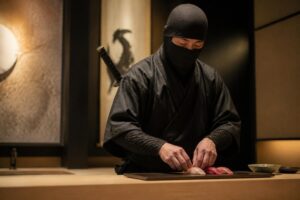
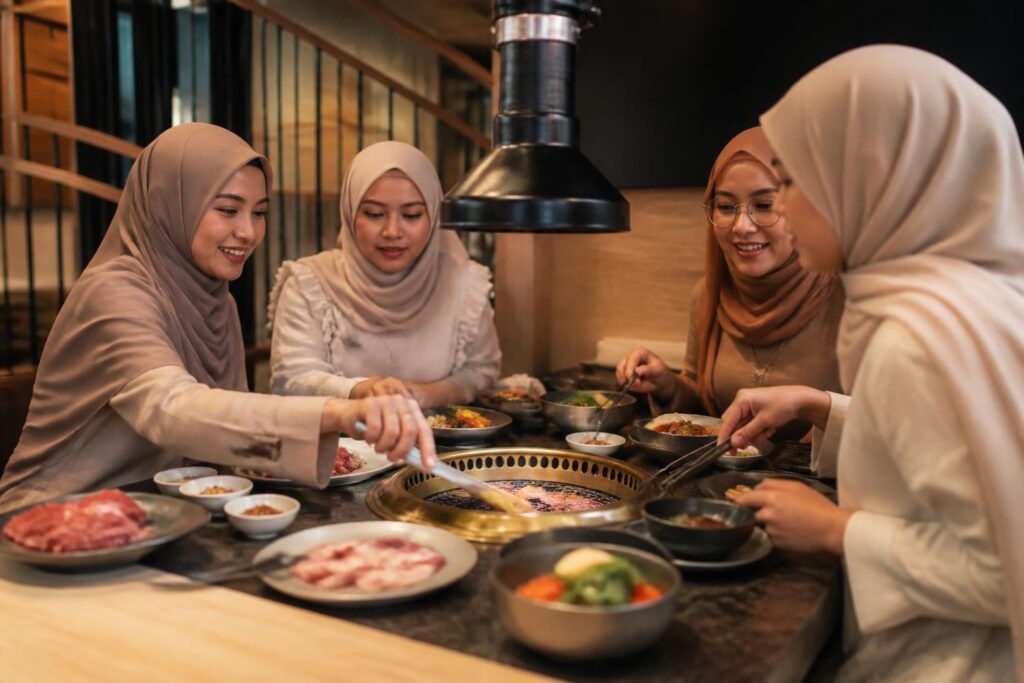
Picture this: You're wandering through the neon-lit streets of Asakusa at dusk, the historic Senso-ji temple glowing behind you, and the aroma of grilling meat draws you toward a warm, inviting restaurant. This is what dining in Tokyo feels like-a sensory adventure that combines centuries of culinary tradition with modern innovation. For Muslim travelers and food enthusiasts seeking halal options, Tokyo has transformed from a challenging destination into a welcoming culinary paradise where authentic Japanese flavors meet dietary requirements without compromise.
Understanding Tokyo's Culinary Landscape
Tokyo isn't just a city with restaurants. It's a living museum of culinary excellence where neighborhood boundaries define distinct food cultures. The experience of dining in Tokyo varies dramatically depending on which district you choose to explore.
The Geography of Flavor
Every neighborhood tells its own delicious story. Tsukiji Outer Market awakens before dawn with the freshest seafood you'll ever taste, while Asakusa preserves traditional recipes passed down through generations. Shibuya pulses with modern fusion concepts, and Ginza showcases luxury dining at its finest.
Key dining districts to explore:
- Asakusa: Traditional Japanese cuisine with historic charm
- Shinjuku: Diverse options from budget-friendly to high-end
- Roppongi: International flavors with Japanese twists
- Harajuku: Trendy cafes and innovative dessert concepts
- Akihabara: Themed dining experiences and comfort food
The official Tokyo dining guide emphasizes how each district caters to different tastes and budgets, making Tokyo accessible to every type of traveler.
The Halal Dining Revolution
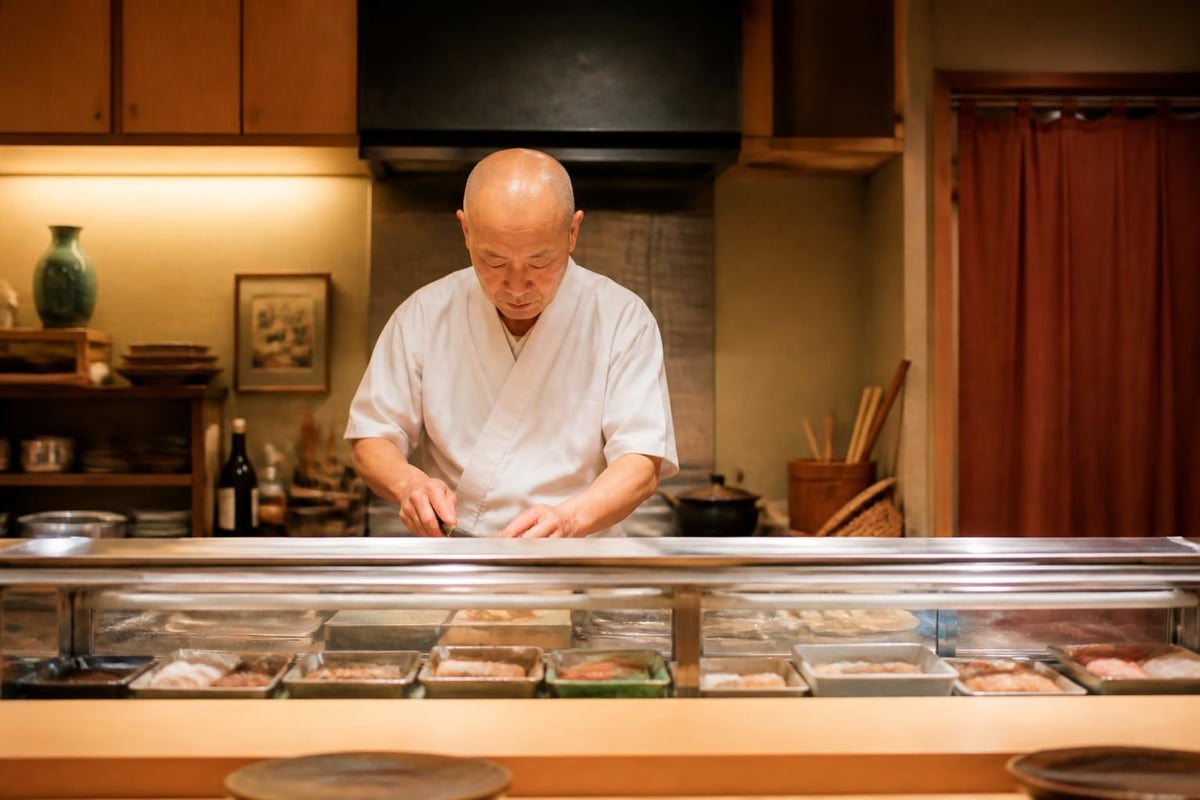
Five years ago, finding halal-certified restaurants meant hours of research and limited options. Today, dining in Tokyo as a Muslim traveler has become remarkably easier. The city now hosts over 200 halal-certified establishments, with that number growing monthly as Japan prepares to welcome more international visitors.
The transformation started around 2020 when Tokyo businesses recognized the need to accommodate diverse dietary requirements. Family-run restaurants began seeking halal certification, and specialized establishments emerged to serve this growing market. The result? You can now enjoy authentic Japanese yakiniku, tempura, and even ramen while maintaining your dietary observances.
| Halal Dining Options | 2021 | 2026 | Growth |
|---|---|---|---|
| Certified Restaurants | 87 | 210+ | 141% |
| Halal-Friendly Hotels | 23 | 68 | 196% |
| Prayer Spaces Near Restaurants | 15 | 42 | 180% |
The Art of Yakiniku: Japan's Interactive Dining Experience
Yakiniku represents one of Japan's most social and engaging dining formats. The word literally means "grilled meat," but the experience transcends simple cooking. When dining in Tokyo's yakiniku restaurants, you become the chef, controlling the pace and preparation of premium cuts over a personal grill.
What Makes Yakiniku Special
The magic happens at your table. A server brings pristine cuts of beef-often A5 Wagyu or specialty regional breeds-arranged on beautiful plates like edible art. The tabletop grill heats to the perfect temperature, and you begin cooking each piece to your exact preference.
This isn't just about the meat. It's about the rhythm of conversation interrupted by the sizzle of beef hitting the grill, the aromatic smoke curling upward, and the satisfaction of perfectly timing each bite. Solo travelers find it meditative, while families create memories through shared cooking experiences.
Essential yakiniku components:
- Premium beef cuts (tongue, short rib, sirloin, harami)
- Tabletop charcoal or gas grill
- Dipping sauces (tare, ponzu, sesame)
- Fresh vegetables to balance the meal
- Rice and soup as accompaniments
The Halal Yakiniku Difference
Finding halal yakiniku once required settling for vegetable-only options or crossing your fingers about ingredient sources. Not anymore. Dining in Tokyo now includes dedicated halal yakiniku restaurants where every aspect meets Islamic dietary law-from sourcing to preparation to cooking surfaces.
These establishments don't just slap a halal label on regular operations. They maintain separate equipment, source meat from certified suppliers, and train staff on proper handling procedures. The commitment shows in every detail, from the absence of alcohol-based sauces to prayer time accommodations for guests.
Navigating Japanese Dining Etiquette
Walking into a traditional Japanese restaurant can feel intimidating if you're unfamiliar with local customs. But understanding Tokyo’s dining etiquette transforms potential awkwardness into confident cultural participation.
Before You Sit Down
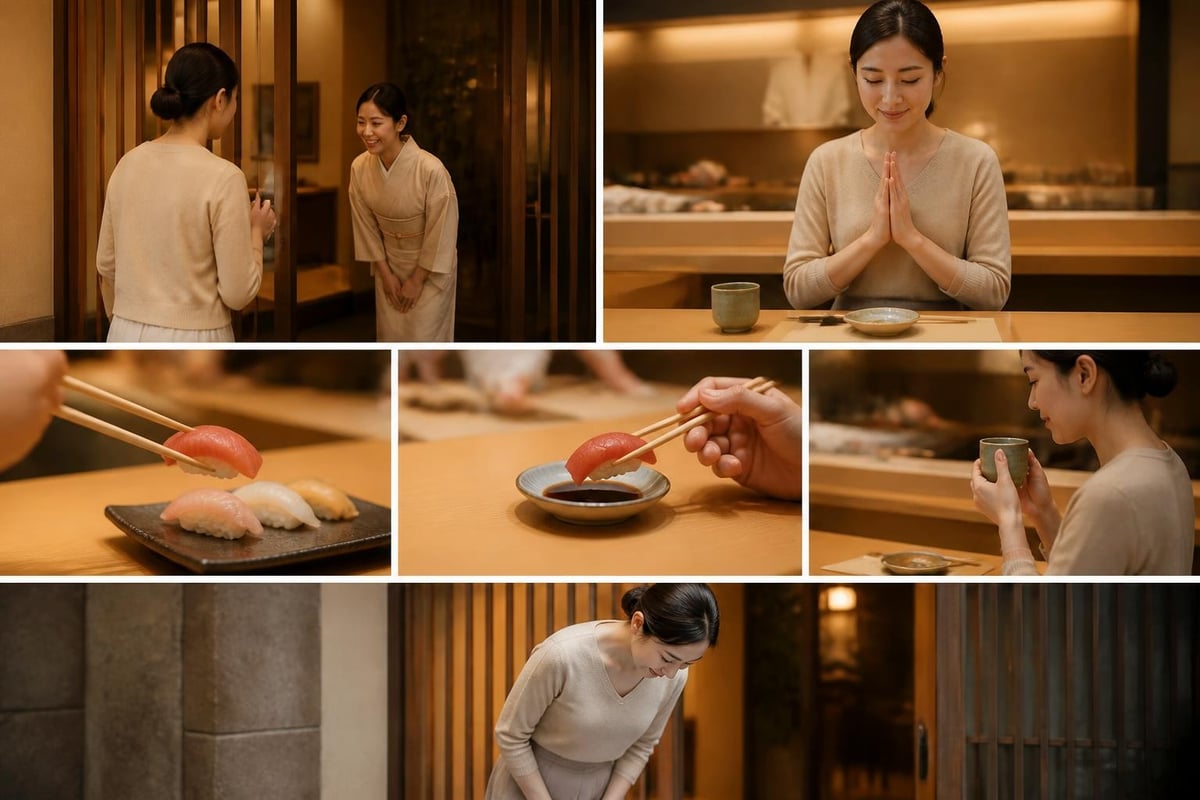
The experience begins at the entrance. Many restaurants provide slippers when you remove your shoes-yes, you'll often remove your shoes, especially in traditional settings. A host will greet you with "irasshaimase" (welcome), and you'll be led to your table or counter seat.
Don't be surprised by smaller spaces. Tokyo real estate comes at a premium, so restaurants maximize efficiency. A ten-seat counter might constitute the entire establishment, but the intimacy creates connection between chefs and diners that larger venues can't match.
Table Manners That Matter
Do:
- Use the wet towel (oshibori) to clean your hands before eating
- Say "itadakimasu" before your meal (I humbly receive)
- Place chopsticks on the rest, never standing up in rice
- Pour drinks for others before filling your own glass
- Say "gochisosama deshita" after finishing (thank you for the meal)
Don't:
- Tip servers (it's considered offensive in Japan)
- Stick chopsticks vertically in rice (funeral ritual)
- Pass food chopstick-to-chopstick (another funeral custom)
- Pour soy sauce directly on rice
- Talk loudly or make excessive noise
The practical dining tips from Tokyo's official tourism board emphasize that mistakes are forgiven when you're clearly trying to respect local customs.
Seasonal Dining: Tokyo's Ever-Changing Menu
Dining in Tokyo means embracing "shun"-the concept of seasonality that governs Japanese cuisine. Chefs don't just acknowledge seasons; they celebrate them through carefully chosen ingredients at their peak freshness and flavor.
Spring: Awakening and Renewal
Cherry blossom season (late March through early April) brings sakura-flavored everything, but serious diners focus on bamboo shoots, fresh bonito, and wild mountain vegetables. Restaurants incorporate delicate pink hues into presentations, creating plates that mirror the fleeting beauty outside.
Spring yakiniku features lighter cuts and fresh herb accompaniments. The heavy, warming flavors of winter give way to bright, clean tastes that complement longer, warmer days.
Summer: Freshness and Cooling
Tokyo summers hit hard-humid and relentless. The dining scene responds with cooling noodles, lighter proteins, and refreshing flavors. This season showcases unagi (eel, though check halal status) on specific days believed to provide stamina, and endless variations of cold appetizers.
For yakiniku lovers, summer means premium tongue cuts and lighter marinades. Many restaurants add citrus-based sauces and increase ventilation to maintain comfort while still enjoying grilled specialties.
Autumn: Abundance and Depth
Fall transforms Tokyo's dining scene into a celebration of matsutake mushrooms, Pacific saury, and chestnuts. The diverse culinary culture truly shines as restaurants compete to showcase seasonal ingredients in creative preparations.
This becomes prime time for dining in Tokyo's yakiniku establishments. Beef develops richer marbling as cattle prepare for winter, creating the most flavorful cuts of the year.
Winter: Warmth and Comfort
Cold months bring hot pots, warming sake (for those who drink), and rich, satisfying dishes. Root vegetables take center stage, and beef quality peaks with dense, flavorful marbling perfect for yakiniku.
| Season | Peak Ingredients | Yakiniku Style | Average Temperature |
|---|---|---|---|
| Spring | Bamboo, herbs | Light cuts, fresh sauces | 15°C (59°F) |
| Summer | Citrus, light vegetables | Tongue, lean cuts | 27°C (81°F) |
| Autumn | Mushrooms, chestnuts | Premium marbling | 18°C (64°F) |
| Winter | Root vegetables | Rich cuts, robust flavors | 8°C (46°F) |
The Premium Beef Experience: Understanding Wagyu
You can't discuss dining in Tokyo without exploring what makes Japanese beef legendary. Wagyu isn't just expensive meat-it's the result of centuries of selective breeding, specialized feeding programs, and meticulous care that produces marbling patterns impossible to achieve elsewhere.
What Creates A5 Wagyu
The Japanese beef grading system judges two factors: yield (A, B, or C) and quality (1 through 5). A5 represents the highest designation-maximum yield with exceptional marbling, color, firmness, and fat quality.
The marbling in A5 Wagyu looks like white lightning across deep red muscle. This intramuscular fat melts at room temperature, which means it literally dissolves on your tongue, releasing umami flavors that linger long after you swallow.
A5 grading criteria:
- Marbling score: 8-12 (highest levels)
- Meat color: Bright red (4-5 on scale)
- Fat color: Pure white to slightly cream
- Firmness: Excellent texture and fine grain
Regional Beef Varieties
Different regions produce distinct beef characteristics based on climate, feed, and breeding programs. Kobe beef gets the international fame, but connoisseurs know that Matsusaka, Omi, and Iga beef offer equally remarkable experiences.
Iga beef comes from Mie Prefecture's mountainous terrain. The cattle develop unique flavor profiles from the region's clean water and specialized diet. When grilled as yakiniku, Iga beef provides a perfect balance of fat and meat, creating satisfying richness without overwhelming your palate.
Solo Travel and Family Dining: Tokyo Welcomes Everyone
The beauty of dining in Tokyo lies in its accommodation of every travel style. The city that created capsule hotels and solo karaoke booths has perfected the art of welcoming individuals while maintaining exceptional family-friendly environments.
The Solo Diner's Paradise
Counter seating dominates Tokyo's dining landscape, making solo meals feel natural rather than awkward. You'll find yourself seated next to businesspeople grabbing quick lunches, students treating themselves to nice dinners, and fellow travelers exploring the city one meal at a time.
Yakiniku posed challenges for solo diners traditionally-large meat portions meant for sharing, grills designed for groups, and social expectations around communal cooking. Modern establishments have adapted with solo-portion options, smaller table settings, and staff who time your courses perfectly so you're never overwhelmed or bored.
Many restaurants now offer:
- Individual portion sets (100-200 grams total)
- Tableside assistance with grilling if desired
- English menus with photos
- Digital ordering systems reducing language barriers
- Counter seats facing gardens or kitchens for entertainment
Family-Friendly Features
Tokyo restaurants understand that families need different accommodations. The same establishment welcoming solo diners might offer private rooms for families, high chairs for toddlers, and kids' menus that introduce Japanese flavors gradually.
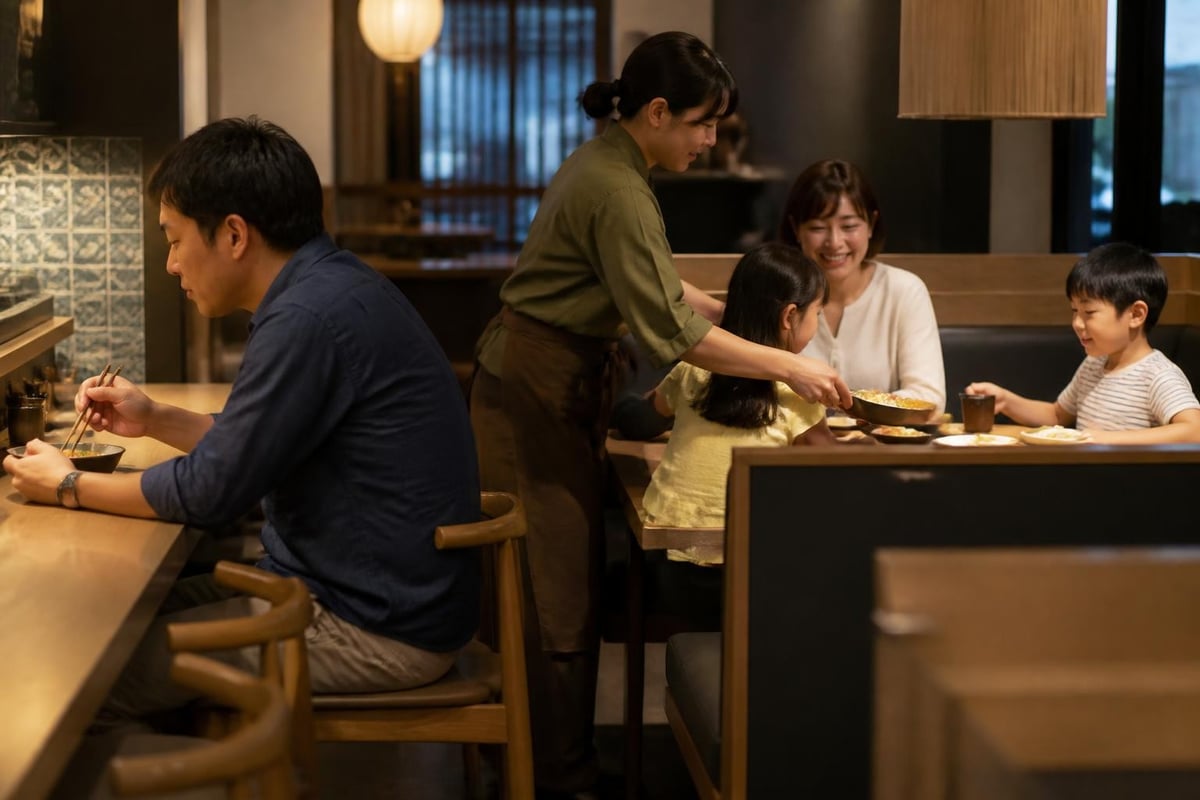
When dining in Tokyo with children, look for these helpful features:
- Tatami rooms with low tables and cushion seating
- Picture menus making ordering easier for kids
- Customizable spice levels on request
- Welcoming staff who understand family dynamics
- Reasonable pricing that doesn't penalize larger groups
Practical Considerations for Muslim Travelers
Tokyo has embraced dietary diversity, but successful dining in Tokyo as a Muslim visitor still requires some knowledge and preparation. The city's improvement in halal accessibility doesn't mean every restaurant understands Islamic dietary requirements.
Certification and Trust
Look for official halal certification from recognized Japanese Islamic organizations. These certificates don't just indicate pork-free and alcohol-free preparation-they confirm that entire supply chains, cooking equipment, and handling procedures meet Islamic standards.
Some restaurants claim "Muslim-friendly" status without full certification. This typically means pork-free and alcohol-free ingredients but may involve shared equipment or preparation surfaces. Understanding the distinction helps you make informed choices aligned with your comfort level.
Communication Strategies
Language barriers shrink yearly as Tokyo prepares for increased international tourism. Still, having key phrases helps ensure your dietary needs are understood:
- "Halal desu ka?" (Is this halal?)
- "Buta niku wa dame desu" (I cannot eat pork)
- "Alcohol wa dame desu" (I cannot have alcohol)
- "Halal certification ga arimasu ka?" (Do you have halal certification?)
Many halal-certified establishments employ multilingual staff specifically to help international guests feel comfortable and informed about every dish.
Prayer Accommodations
Serious halal restaurants increasingly provide prayer spaces or information about nearby mosques. Tokyo now has dedicated prayer rooms in major shopping districts, airports, and tourist areas. Apps like HalalGourmetJapan and HalalNavi locate both dining options and prayer facilities.
Beyond Yakiniku: Tokyo's Diverse Halal Scene
While yakiniku offers an incredible introduction to Japanese dining culture, the broader halal scene in Tokyo deserves exploration. The city's culinary diversity means you can experience different aspects of Japanese cuisine throughout your stay.
Traditional Japanese Options
Halal ramen shops now operate across Tokyo, serving rich tonkotsu-style broths (made from chicken instead of pork) and delicate shoyu varieties. Tempura restaurants offer vegetable and seafood options that naturally align with halal requirements when prepared with proper procedures.
Tokyo’s culinary history includes many dishes that adapt well to halal preparation, from soba noodles to traditional rice dishes.
International Fusion
Tokyo's position as a global city means incredible fusion cuisine. Turkish kebab shops operated by Muslim owners, Southeast Asian restaurants bringing familiar flavors, and innovative chefs combining Japanese techniques with Middle Eastern ingredients create exciting dining possibilities.
This diversity mirrors what travelers might experience when exploring other global culinary destinations-much like how specialized travel companies create customized experiences matching specific cultural and dietary needs for destinations like Greece and Turkey, Tokyo's dining scene now accommodates various requirements while maintaining authentic local character.
The Sweet Side
Don't overlook desserts and cafes. Halal-certified wagashi (traditional Japanese sweets) introduce you to subtle sweetness and beautiful presentations. Modern cafes serving halal-certified matcha lattes, Japanese cheesecakes, and seasonal fruit parfaits provide perfect breaks between sightseeing adventures.
Making Reservations and Managing Expectations
Popular restaurants in Tokyo require reservations, sometimes weeks in advance. This applies especially to high-end establishments and specialized venues like halal-certified yakiniku restaurants with limited seating.
Booking Strategies
For popular restaurants:
- Reserve 2-4 weeks ahead for weekend dinners
- Use hotel concierge services if language is a barrier
- Check OpenTable Japan or TableAll for English booking
- Call directly if possible (shows serious interest)
- Consider lunch slots (easier to book, often better value)
For casual dining:
- Walk-ins usually work for lunch on weekdays
- Early dinners (5:30-6:30 PM) have better availability
- Queue culture is real-arriving 30 minutes early for popular spots is normal
- Solo diners often get seated faster than groups
Price Expectations
Dining in Tokyo spans every budget imaginable. You'll find excellent meals for ¥1,000 and exceptional experiences at ¥30,000 per person. Understanding price ranges helps plan your culinary adventures without budget shock.
| Dining Level | Price Range (per person) | What to Expect |
|---|---|---|
| Budget | ¥800-¥2,000 | Rice bowls, ramen, casual yakiniku |
| Mid-Range | ¥3,000-¥8,000 | Quality yakiniku, traditional restaurants |
| Premium | ¥10,000-¥20,000 | A5 Wagyu, kaiseki courses, specialty beef |
| Luxury | ¥25,000+ | Exclusive venues, rare cuts, full experiences |
Remember that value doesn't always correlate with price. Some of Tokyo's best meals happen at tiny neighborhood spots charging reasonable rates for exceptional quality.
The Hidden Gems: Exploring Yokocho Alleyways
While modern restaurants provide comfortable, accessible dining in Tokyo, the city's soul lives in its yokocho-narrow alleyways packed with tiny bars and eateries. These atmospheric lanes transport you to post-war Tokyo, when communities gathered in tight spaces for food, drinks, and connection.
Finding Halal-Friendly Yokocho Options
Traditional yokocho present challenges for Muslim travelers. The intimate spaces often specialize in alcohol service, and pork features prominently in many dishes. However, the evolution of Tokyo's food scene means some alleyways now include halal-friendly options or can accommodate dietary restrictions with advance notice.
The guide to yokocho alleyways highlights areas where diverse options exist, though always confirm ingredients and preparation methods before ordering.
The Atmosphere Matters
Even if dining options are limited in yokocho, experiencing the atmosphere provides cultural insight. The tight quarters, open kitchens, and friendly chaos reveal Tokyo's community spirit. Observing how locals interact, share space, and celebrate life's simple pleasures enriches your understanding of the city beyond tourist highlights.
Timing Your Meals Like a Local
Japanese meal timing differs from Western patterns. Understanding local rhythms enhances your dining in Tokyo experience and helps you avoid crowds while maximizing quality.
Breakfast (7:00-9:00 AM)
Traditional Japanese breakfasts feature grilled fish, rice, miso soup, and pickled vegetables. Modern hotels offer both Western and Japanese options, but seeking out traditional morning meals provides authentic experiences many tourists miss.
Halal-certified hotels increasingly offer compliant breakfast options, though standalone breakfast restaurants remain rare in the halal category.
Lunch (11:30 AM-2:00 PM)
Lunch represents Tokyo's best dining value. Restaurants offer set meals (teishoku) at significant discounts compared to dinner prices. The same yakiniku restaurant charging ¥15,000 for dinner might serve premium lunch sets for ¥3,000.
Lunch advantages:
- Shorter wait times at popular restaurants
- Better value pricing (often 40-60% less than dinner)
- Lighter crowds at tourist attractions afterward
- Same quality ingredients and preparation
- More daylight for finding locations
Dinner (6:00-10:00 PM)
Dinner service extends late in Tokyo, with many restaurants accepting last orders at 9:00 or 10:00 PM. Prime dinner hours (7:00-8:30 PM) bring crowds and waits. Arriving earlier (6:00 PM) or later (after 8:30 PM) often means shorter queues and more relaxed service.
Special Dietary Considerations Beyond Halal
While halal requirements receive increasing attention, other dietary needs also matter when dining in Tokyo. The city has expanded options for vegetarians, vegans, and people with allergies, though challenges remain compared to Western countries.
Vegetarian and Vegan Options
Traditional Japanese cuisine uses dashi (fish stock) extensively, making truly vegetarian meals harder to find than expected. However, shojin ryori (Buddhist temple cuisine) offers completely plant-based traditional meals, and modern restaurants increasingly accommodate plant-based diets.
Some halal-certified establishments also cater to vegetarians, recognizing overlap in dietary restrictions and ethical eating concerns.
Allergy Awareness
Japanese restaurants take allergies seriously, but communication requires clarity. Major allergens (wheat, eggs, milk, peanuts, shrimp, crab, buckwheat) are well-understood, but specific ingredient lists may not be readily available.
Cards explaining your allergies in Japanese help tremendously. Hotels and tourist information centers can help prepare these cards before you start dining in Tokyo.
The Service Excellence: Omotenashi in Practice
Japanese hospitality, or omotenashi, elevates dining in Tokyo beyond mere eating into memorable experiences. This concept encompasses anticipating needs before guests express them, providing service without expectation of reward, and creating genuine care for guest comfort.
What Omotenashi Looks Like
You'll notice omotenashi in countless small moments:
- Staff greeting you warmly despite language barriers
- Servers checking if cooking pace suits your preferences
- Managers personally ensuring your satisfaction
- Hot towels refreshed multiple times during meals
- Detailed explanations of unfamiliar dishes
- Genuine concern if you seem unsure or uncomfortable
The exclusive dining experiences highlighted by international observers consistently emphasize how omotenashi transforms good meals into unforgettable experiences.
Responding to Exceptional Service
Remember that tipping isn't customary and can cause confusion or offense. Instead, express gratitude verbally, show appreciation through respectful behavior, and return if possible. Restaurant owners value repeat customers above all else, and your return visit communicates satisfaction more powerfully than any tip.
Technology Meets Tradition
Modern technology enhances dining in Tokyo while preserving traditional elements. This balance creates accessible experiences without sacrificing authentic cultural touchpoints.
Digital Ordering Systems
Many restaurants now feature tablet-based ordering systems with English translations and photos. These reduce language anxiety, let you browse options at your own pace, and ensure accuracy in special requests.
Some yakiniku restaurants employ call buttons at each table. Need more wasabi? Want another round of beef? A single button press summons attentive staff without awkward waving or shouting.
Translation Apps and Resources
Apps like Google Translate's camera function let you photograph Japanese menus and see instant translations. While imperfect, they provide enough information to make informed choices.
Halal-specific apps (HalalGourmetJapan, HalalNavi) map certified restaurants, show menus, and provide reviews from Muslim travelers. These resources transform what was once intimidating research into simple, confident planning.
Maintaining Human Connection
Despite technological conveniences, Tokyo's dining scene preserves human interaction. Staff still greet you warmly, chefs often acknowledge regular customers, and the personal touch remains central to exceptional experiences.
The technology serves as a tool, not a replacement, for genuine hospitality. This philosophy ensures that dining in Tokyo feels both modern and warmly traditional simultaneously.
Dining in Tokyo offers Muslim travelers and food enthusiasts an incredible journey through Japanese culinary traditions adapted to meet diverse needs. From understanding seasonal ingredients to navigating etiquette, from discovering halal-certified establishments to experiencing world-class wagyu, the city welcomes you with open arms and exceptional hospitality. Whether you're traveling solo or with family, seeking budget-friendly options or premium experiences, Tokyo's dining scene delivers unforgettable moments that extend far beyond the plate. If you're ready to experience authentic halal yakiniku with premium A5 Wagyu and Iga beef in Asakusa's historic atmosphere, Ninja Yakiniku provides the perfect introduction to what makes dining in Tokyo truly special, with family-friendly service and genuine omotenashi that welcomes travelers from around the world.