
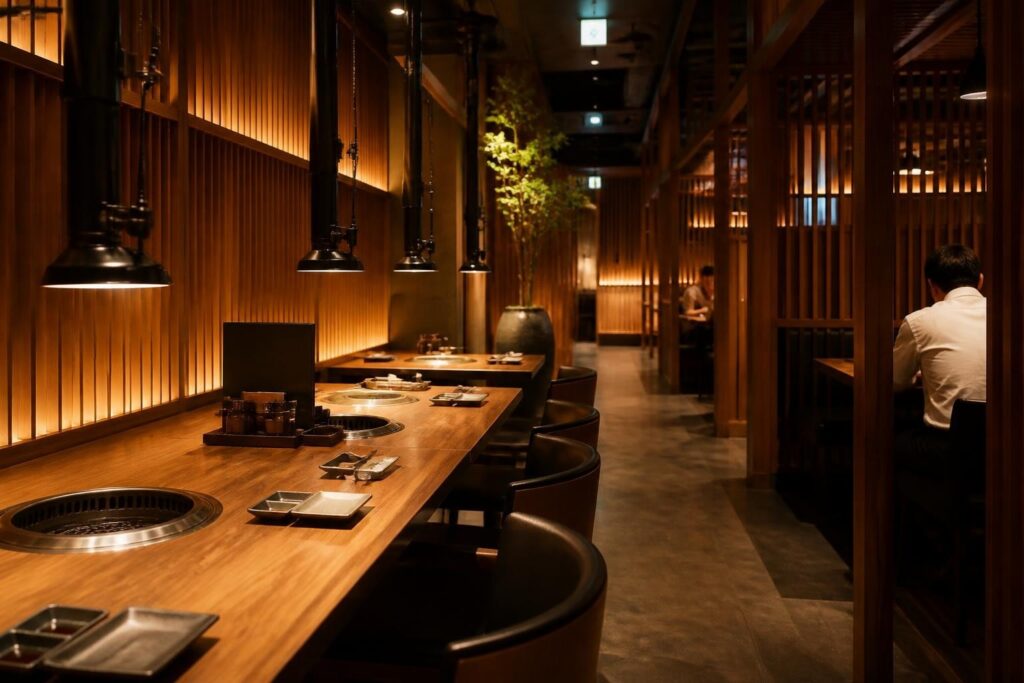
Walking into a restaurant should feel like stepping into a story. The door closes behind you, and suddenly you're somewhere different-somewhere that speaks to your senses before you've even tasted a single bite. That's the power of a carefully crafted dining atmosphere. It's not just about what's on the plate; it's about the entire experience that surrounds it. From the moment guests cross the threshold to the final satisfied sigh as they lean back in their chairs, every element works together to create something memorable. For restaurants serving premium offerings like halal wagyu yakiniku, the atmosphere becomes an essential ingredient that can transform a simple meal into an unforgettable experience.
The Foundation of Memorable Dining Experiences
The dining atmosphere sets the stage for everything that follows. Think of it as the opening scene of a play-before any actor speaks a line, the set design, lighting, and music have already begun telling the story.
Research shows that restaurant interior design significantly impacts customer experience, influencing everything from how long guests stay to how much they're willing to spend. But beyond the numbers, there's something deeply human at work. We remember meals not just for the food, but for how they made us feel.
The core elements that shape a dining atmosphere include:
- Physical comfort and spatial design
- Lighting quality and intensity
- Sound levels and acoustic management
- Scent and air quality
- Cultural authenticity and thematic consistency
- Service style and staff interaction
When these elements align perfectly, they create what hospitality professionals call "experiential coherence"-a state where everything feels intentional and harmonious. Guests might not consciously notice each individual component, but they absolutely feel the effect of the whole.
Why Atmosphere Matters More Than Ever
In 2026, diners aren't just looking for sustenance. They're seeking experiences worth sharing, moments worth remembering, and spaces that feel both special and authentic. Social media has amplified this desire, but it goes deeper than aesthetics alone.
The pandemic years fundamentally changed how people value dining out. Now, when someone chooses to leave home for a meal, they're making a deliberate choice. The dining atmosphere needs to justify that decision, offering something that can't be replicated at home-not just in food quality, but in the entire sensory experience.
Crafting Ambiance Through Sensory Design
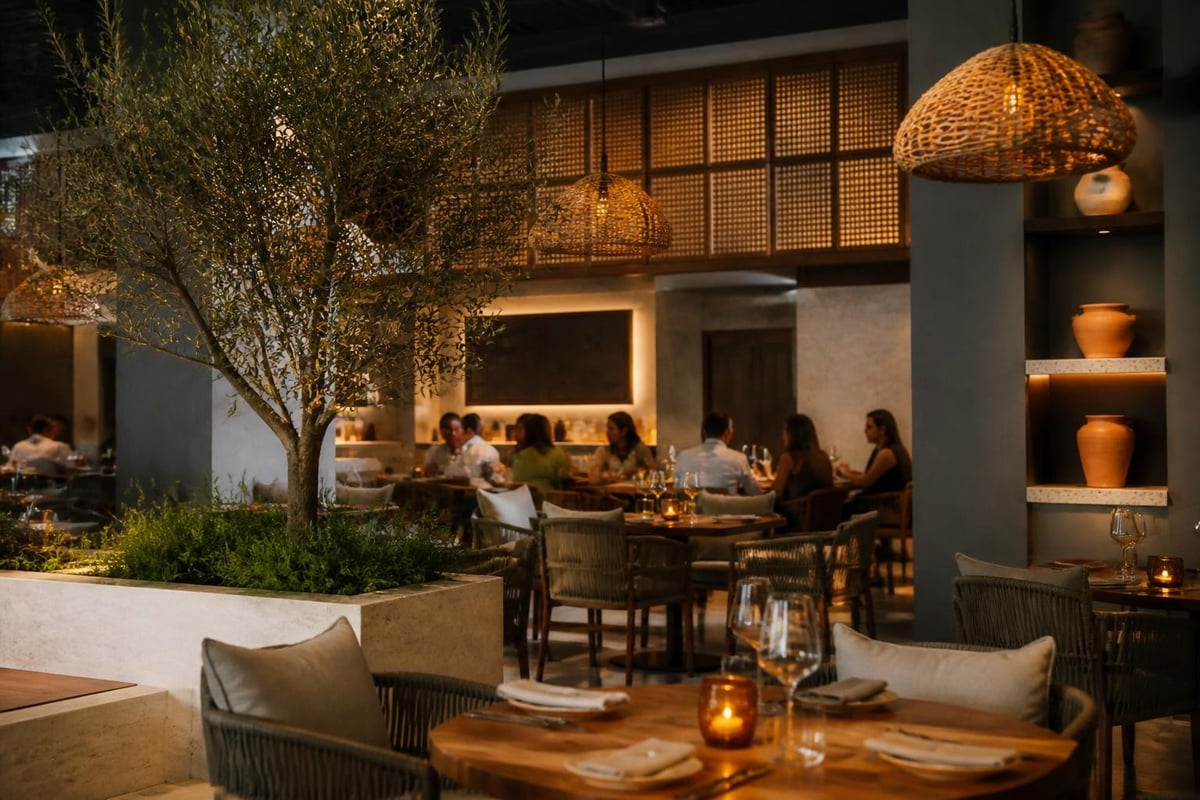
The most effective dining atmosphere engages all five senses, creating a layered experience that feels rich and complete.
The Visual Landscape
Vision dominates our perception, making visual design the most obvious element of atmosphere. But effective visual design goes far beyond simply looking pretty. The psychology of restaurant interiors reveals how colors, shapes, and spatial arrangements directly influence mood and behavior.
Color choices communicate specific messages:
- Warm tones (reds, oranges, earth tones) stimulate appetite and conversation
- Cool tones (blues, greens) create calm, contemplative spaces
- Neutral palettes with accent colors offer versatility and sophistication
- Cultural color symbolism adds authentic depth to themed restaurants
For a yakiniku restaurant, the visual atmosphere might incorporate traditional Japanese design elements-clean lines, natural materials, subtle elegance-while also ensuring the space feels warm and inviting rather than cold or austere.
Lighting deserves special attention within visual design. The trend toward statement lighting in 2026 reflects a broader understanding that light quality dramatically affects dining atmosphere. Harsh overhead fluorescents create an entirely different experience than warm, layered lighting with dimmer controls.
| Lighting Type | Effect on Atmosphere | Best Use Cases |
|---|---|---|
| Ambient lighting | Sets overall mood and visibility | General dining areas |
| Task lighting | Focuses attention on specific areas | Table surfaces, cooking stations |
| Accent lighting | Creates visual interest and depth | Architectural features, art displays |
| Natural light | Provides connection to time and place | Daytime dining, window areas |
The Acoustic Environment
Sound might be the most underestimated element of dining atmosphere. Too loud, and conversation becomes a struggle. Too quiet, and every clink of a fork feels intrusive. Getting it right requires understanding how acoustics shape the dining experience.
The ideal dining atmosphere maintains what acousticians call the "buzz"-a pleasant background hum of conversation and activity that provides privacy without isolation. In a yakiniku restaurant where grilling happens tableside, this becomes even more complex. The sizzle of meat on the grill adds another acoustic layer that, when balanced properly, enhances rather than disrupts the experience.
Strategic acoustic management includes:
- Sound-absorbing materials in ceiling and wall treatments
- Proper spacing between tables
- Background music at appropriate volumes
- Strategic use of hard and soft surfaces
- Consideration of kitchen noise levels
Music selection matters tremendously. The tempo, genre, and volume all influence how guests feel and behave. Faster music tends to increase eating speed, while slower, softer music encourages lingering and relaxation.
Scent: The Invisible Atmosphere Creator
Aroma works on our emotions and memories more directly than any other sense. In a yakiniku setting, the scent of grilling wagyu isn't just pleasant-it's part of the story the dining atmosphere tells.
The challenge lies in balance. Ventilation needs to be effective enough to prevent the space from becoming smoky or overwhelming, but subtle enough that guests still enjoy those appetizing aromas. The best dining atmosphere manages this paradox beautifully, letting just enough scent linger to excite the appetite without overpowering the space.
Cultural Authenticity and Thematic Consistency
A truly compelling dining atmosphere doesn't just look good-it feels genuine. This authenticity becomes especially important when serving cuisine tied to specific cultural traditions.
Building Narrative Through Design
Every design choice tells part of your restaurant's story. For a halal wagyu yakiniku concept, the narrative might weave together Japanese culinary tradition, Islamic dietary principles, and premium ingredient sourcing. The dining atmosphere should reflect these intersecting themes without feeling forced or superficial.
Restaurant interior design influences customer experience by creating a cohesive narrative that guests can sense even if they can't articulate it. When someone walks into your space, they should immediately understand what kind of experience they're about to have.
Elements of authentic cultural atmosphere:
- Material choices that reflect traditional craftsmanship
- Decorative elements with genuine cultural significance
- Spatial arrangements that honor cultural dining customs
- Staff uniforms and presentation that feel appropriate
- Service rituals that respect traditional practices
The Personal Touch in Premium Dining
High-end dining atmosphere requires a delicate balance between refinement and warmth. The space should feel special without being intimidating, luxurious without being stuffy. This matters particularly when serving premium products like A5 wagyu-the atmosphere needs to match the quality of what's on the grill.
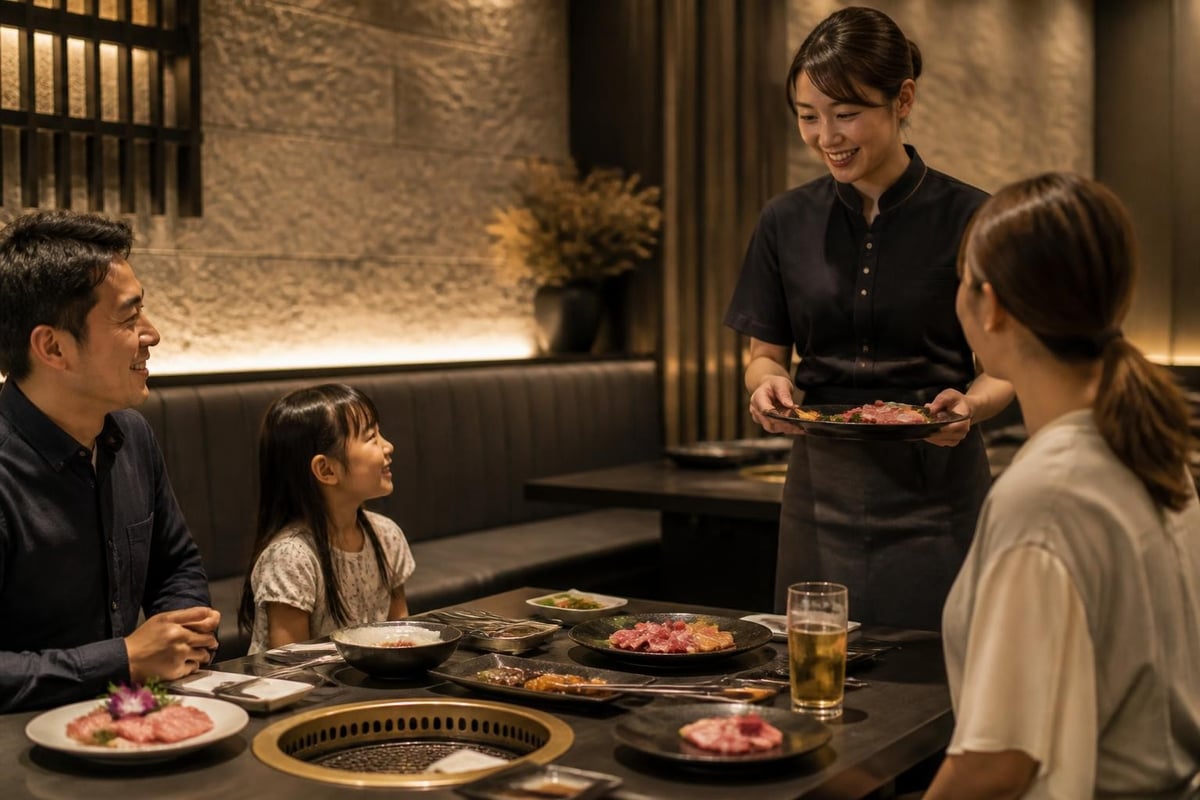
Personal touches humanize upscale spaces. A family-friendly atmosphere doesn't diminish luxury; it makes it accessible. Solo travelers should feel welcomed rather than awkward. These considerations shape everything from table configurations to staff training.
Practical Implementation: From Concept to Reality
Understanding atmosphere theory matters little without practical application. Let's explore how restaurants actually build compelling environments.
Space Planning and Flow
The physical layout establishes the foundation for your dining atmosphere. Traffic patterns, table spacing, and sight lines all contribute to how guests experience the space.
Key spatial considerations:
- Entry sequence: First impressions form within seconds
- Table arrangements: Balance between intimacy and openness
- Cooking visibility: Yakiniku's tableside grilling becomes theater
- Service pathways: Staff movement should feel seamless
- Restroom access: Discrete but easily discoverable
In a yakiniku restaurant, the grill becomes a focal point at each table. This creates unique spatial dynamics-each table functions as both dining area and cooking station. The dining atmosphere must accommodate smoke ventilation, electrical or gas connections, and heat management while maintaining aesthetic appeal.
Material Selection and Finishes
Materials communicate quality, durability, and character. Restaurant interior design best practices emphasize choosing finishes that align with your concept while meeting practical needs.
| Material | Atmospheric Effect | Maintenance Consideration |
|---|---|---|
| Natural wood | Warmth, tradition, organic feel | Requires sealing, periodic refinishing |
| Stone/Tile | Permanence, luxury, cleanliness | Durable but can feel cold without balance |
| Metal accents | Modern edge, industrial chic | Shows fingerprints, needs regular cleaning |
| Fabric/Textiles | Softness, acoustic absorption | Requires frequent cleaning, potential staining |
| Live plants | Freshness, vitality, air quality | Demands ongoing care and light |
The goal is creating a dining atmosphere that feels cohesive. Materials should complement rather than compete with each other. In Japanese-inspired spaces, the concept of "wabi-sabi"-finding beauty in imperfection and natural materials-often guides these choices.
Lighting Design That Transforms
Lighting design deserves its own implementation plan because it so dramatically affects dining atmosphere. The same space can feel completely different under various lighting scenarios.
Layered lighting approach:
- Start with ambient lighting to establish base visibility and mood
- Add task lighting over tables and functional areas
- Incorporate accent lighting to highlight architectural features or art
- Include natural light where possible, with controls for different times
- Install dimming systems to adjust atmosphere throughout service periods
Lunch service might benefit from brighter, more energizing light, while dinner calls for warmer, more intimate illumination. The ability to adjust creates flexibility in your dining atmosphere throughout the day.
For yakiniku specifically, table lighting needs careful planning. It must illuminate the grill and food adequately for cooking and eating, while still maintaining ambient warmth. This often requires adjustable fixtures or multiple light sources per table.
The Human Element: Service and Hospitality
The most beautiful space falls flat without genuine hospitality. Staff become living elements of your dining atmosphere, their energy and attitude as important as any design choice.
Training for Atmospheric Consistency
Every interaction either reinforces or undermines the atmosphere you've worked to create. Service training should extend beyond technical skills to include emotional intelligence and cultural awareness.
Staff should understand:
- The story behind your concept and ingredients
- How their behavior affects guest perception
- Cultural sensitivities relevant to your cuisine and clientele
- Techniques for reading guest needs and preferences
- The balance between attentiveness and intrusion
In a halal yakiniku setting, staff knowledge about both Japanese yakiniku traditions and Islamic dietary requirements becomes part of the dining atmosphere. Guests should feel confident that the team understands and respects both aspects of the concept.
Creating Welcome for Diverse Guests
The best dining atmosphere feels inclusive, welcoming everyone from families with children to solo travelers, from yakiniku veterans to curious newcomers. This requires intentional design and service strategies.
Inclusive atmosphere strategies:
- Multiple table sizes and configurations
- Clear menu explanations for unfamiliar items
- Staff prepared to accommodate various dietary needs
- Welcoming language in signage and communications
- Comfortable pacing that doesn't rush or drag
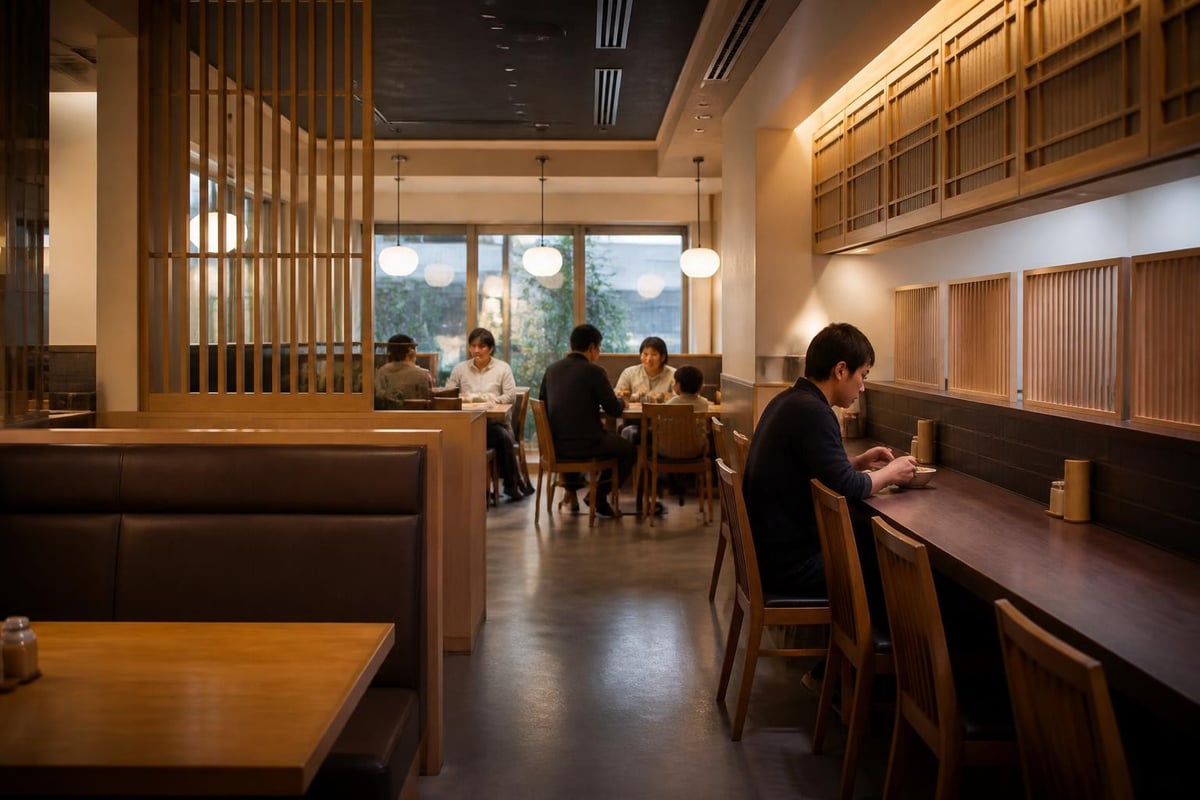
Solo diners particularly appreciate thoughtful accommodation-counter seating with good sight lines, appropriately sized portions, and staff who make them feel valued rather than pitied.
Seasonal and Temporal Considerations
Dining atmosphere isn't static. The most engaging spaces evolve subtly with seasons, times of day, and special occasions.
Adapting to Natural Rhythms
Japanese culture has deep appreciation for seasonal awareness-each season brings specific ingredients, colors, and moods. A yakiniku restaurant can reflect this through subtle atmospheric adjustments.
Seasonal atmosphere variations might include:
- Tabletop flowers or plants reflecting current seasons
- Menu presentations highlighting seasonal wagyu variations
- Decorative elements that change with traditional Japanese seasons
- Lighting adjustments responding to earlier or later sunsets
- Background music selections that feel seasonally appropriate
These changes don't require major renovations. Small, thoughtful touches signal attention to detail and connection to natural cycles, deepening the dining atmosphere.
Day-to-Night Transitions
The same space serves different purposes at lunch and dinner. Savvy restaurants adjust their dining atmosphere accordingly, often through lighting and music changes alone.
Lunch typically benefits from:
- Brighter, more energizing light
- Upbeat but unobtrusive background music
- Efficient service pacing
- Fresh, lighter atmospheric feel
Dinner service shifts toward:
- Warmer, more intimate lighting
- Softer, slower-paced music
- Relaxed service rhythm
- Richer, more enveloping atmosphere
Technology Integration Without Disruption
Modern dining atmosphere increasingly involves technology, but the best implementations feel invisible. The goal is enhancing experience without calling attention to the technology itself.
Smart Systems That Serve the Atmosphere
Climate control, lighting, and sound systems can now adjust automatically based on occupancy, time, or even weather. These systems maintain ideal conditions without requiring staff intervention or guest awareness.
Beneficial technology integrations:
- Automated ventilation that responds to grilling intensity
- Lighting scenes programmed for different times and occasions
- Reservation systems that optimize table configuration
- Kitchen display systems that improve service timing
- Digital menu access that doesn't replace physical menus
The key is ensuring technology supports rather than dominates the dining atmosphere. A QR code menu might be convenient, but if it breaks the mood you've carefully created, its presence requires reconsideration.
Social Media Considerations
Instagram-worthy moments have become part of contemporary dining atmosphere, but the best restaurants create them naturally rather than artificially. Forced "photo opportunities" feel contrived; authentic beauty photographed organically feels genuine.
Design elements that naturally photograph well include:
- Beautiful plating and presentation
- Interesting architectural details or textures
- Unique lighting effects
- The theatrical element of tableside grilling
- Cultural authenticity in decorative elements
The dining atmosphere benefits when guests want to share their experience, but that desire should emerge from genuine delight rather than calculated design.
Investment and Return: The Business Case
Creating exceptional dining atmosphere requires investment, but the returns justify the expense when done strategically.
Where to Allocate Resources
Not every atmospheric element demands equal investment. Understanding which factors deliver the greatest impact helps prioritize spending.
High-impact investments:
- Quality lighting systems with flexibility
- Comfortable, durable seating
- Effective acoustic treatment
- Reliable climate control and ventilation
- Staff training and development
Lower-priority investments (for most concepts):
- Trendy decorative elements that date quickly
- Expensive artwork without conceptual relevance
- Technology for technology's sake
- Excessive design complexity requiring high maintenance
For a premium yakiniku concept, investing in superior ventilation systems pays dividends daily. Guests notice and appreciate when the air feels fresh despite active grilling at every table. This practical element of dining atmosphere directly affects comfort and willingness to return.
Measuring Atmospheric Success
While dining atmosphere feels subjective, certain metrics indicate whether your investment is working:
| Metric | What It Reveals | Target Range |
|---|---|---|
| Average table time | Guest comfort and engagement | 60-90 minutes for dinner |
| Return visit rate | Overall satisfaction | 30-40% within 6 months |
| Online review mentions | Which elements guests notice | Positive atmosphere mentions >50% |
| Photography/social sharing | Memorable visual elements | Growing organically |
| Staff retention | Work environment quality | <20% annual turnover |
The dining atmosphere succeeds when guests linger contentedly, return enthusiastically, and recommend freely. These behaviors translate directly to revenue and sustainability.
Maintenance and Evolution
Even perfectly conceived dining atmosphere requires ongoing attention. Spaces age, trends shift, and concepts evolve.
Preserving Quality Over Time
Daily maintenance preserves the atmosphere you've created. Small issues-burned-out bulbs, worn upholstery, scuffed floors-accumulate into atmosphere degradation if neglected.
Essential maintenance routines:
- Daily inspection of lighting, cleanliness, and functionality
- Weekly deep-cleaning of all surfaces and fixtures
- Monthly assessment of wear patterns and needed repairs
- Quarterly evaluation of music, scent, and decorative elements
- Annual review of larger systems and potential updates
The best dining atmosphere feels consistently excellent whether guests visit for the first time or the fiftieth. This consistency requires disciplined attention to detail.
Strategic Refreshes Without Losing Identity
Every few years, even successful restaurants benefit from thoughtful updates. The challenge is refreshing the dining atmosphere while maintaining the core identity that guests love.
Refresh strategies that preserve character:
- Update furniture with pieces in similar style but current proportions
- Refresh color schemes within the same palette family
- Upgrade technology while maintaining aesthetic integration
- Add new artwork or decorative elements that enhance existing themes
- Improve comfort features (seating, climate, acoustics) without changing look
The goal is evolution, not revolution. Guests should feel the space has improved while still feeling familiar and true to what they loved originally.
Regional and Cultural Adaptation
Location profoundly influences appropriate dining atmosphere. What works in Tokyo's Asakusa district carries different expectations than other settings.
Honoring Location While Maintaining Concept
Asakusa brings specific context-a historic area known for traditional culture, tourist presence, and culinary excellence. A yakiniku restaurant in this location benefits from aligning its dining atmosphere with neighborhood character while maintaining unique identity.
Location-sensitive atmosphere elements:
- Acknowledging traditional Asakusa architectural styles
- Welcoming international visitors with thoughtful hospitality
- Connecting to the area's culinary heritage
- Respecting neighboring businesses and residential areas
- Reflecting the blend of traditional and contemporary that defines modern Tokyo
The dining atmosphere should feel like it belongs in its location-not generic or transplantable, but rooted in place.
Cultural Bridge-Building
A halal wagyu yakiniku concept inherently bridges cultures. The dining atmosphere can celebrate this intersection rather than hiding it, creating space where Japanese culinary tradition and Islamic dietary principles coexist beautifully.
This cultural bridge-building might manifest through:
- Staff fluent in multiple languages
- Decor that respectfully incorporates elements from relevant cultures
- Menu presentations that explain both yakiniku traditions and halal certification
- Service styles that accommodate various cultural dining preferences
- Welcoming gestures that make diverse guests feel seen and respected
The most successful dining atmosphere makes everyone feel simultaneously welcomed as they are and invited into something special.
The dining atmosphere you create becomes the stage where every meal unfolds, transforming simple eating into memorable experiences. When lighting, sound, scent, design, and hospitality align perfectly, they create moments that linger in memory long after the last bite. Ninja Yakiniku brings this philosophy to life in Asakusa, where premium A5 wagyu and Iga beef meet authentic Japanese yakiniku tradition in a welcoming, halal-certified environment that embraces everyone from families to solo travelers. Experience the difference that thoughtful atmosphere makes.