The quest for the best wagyu Japan has to offer isn't just about finding expensive beef. It's a journey through centuries of tradition, meticulous breeding practices, and regional pride that transforms cattle raising into an art form. Whether you're planning a trip to Tokyo or simply want to understand what makes Japanese wagyu the world's most coveted beef, knowing the distinctions between regions, grades, and preparation methods will transform your dining experience from good to extraordinary.
Understanding What Makes the Best Wagyu Japan Produces
The term "wagyu" literally translates to "Japanese cow," but this simple definition barely scratches the surface of what makes this beef legendary. When searching for the best wagyu Japan offers, you're looking at cattle that have been bred for over two centuries with one goal in mind: creating meat with extraordinary marbling, tenderness, and flavor that melts on your tongue.
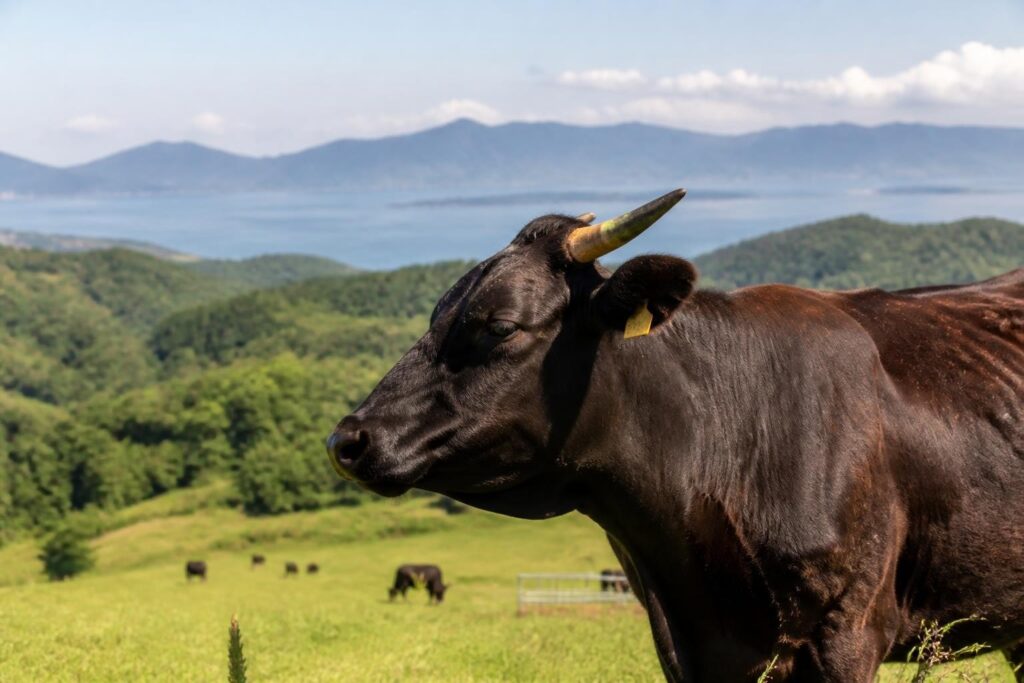
Japanese wagyu comes from four main breeds: Japanese Black (Kuroge), Japanese Brown (Akage), Japanese Polled (Mukaku), and Japanese Shorthorn (Nihon Tankaku). The Japanese Black accounts for roughly 90% of all wagyu production and includes the most famous regional brands that people associate with premium beef.
The Grading System That Defines Excellence
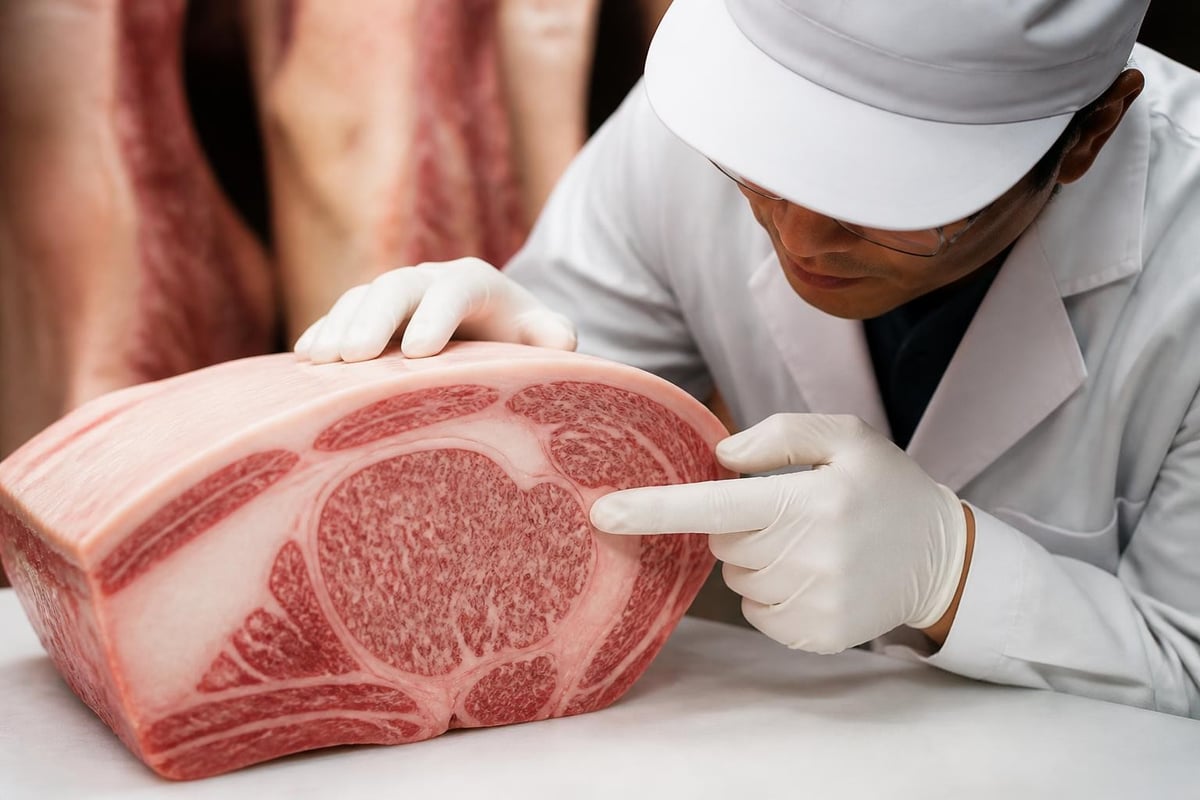
The Japanese grading system is far more rigorous than what you'll find in other countries. The strict practices ensuring top-quality Japanese Wagyu involve evaluating both the yield grade (A, B, or C) and meat quality grade (1 through 5). When you see "A5" stamped on wagyu, you're looking at the highest possible designation.
The quality score considers four main factors:
- Marbling (BMS score from 1-12)
- Meat color and brightness
- Fat color, luster, and quality
- Firmness and texture of the meat
An A5 rating means the beef scored the highest marks across all categories, with marbling so intricate it creates the signature snowflake pattern that distinguishes Japanese wagyu from all other beef in the world.
Regional Champions: The Best Wagyu Japan's Prefectures Produce
Each region of Japan takes immense pride in their wagyu, and the competition between prefectures has created an environment where excellence is the baseline. The best wagyu Japan produces comes from specific areas where climate, water quality, feed, and centuries of breeding knowledge converge.
Kobe Beef: The International Icon
Kobe beef sits at the pinnacle of wagyu recognition worldwide, though it represents a tiny fraction of Japan's total wagyu production. True Kobe beef must come from Tajima-gyu cattle raised in Hyogo Prefecture and meet extraordinarily strict standards that go beyond the standard A5 grading.
Only about 3,000 head of cattle earn the Kobe designation annually. These cattle must have a marbling score of 6 or higher, and the meat must come from either a virgin female or castrated male. The limestone-rich water and temperate climate of Hyogo Prefecture contribute to the beef's distinctive sweetness and texture.
Matsusaka Beef: The Tender Champion
Matsusaka beef is renowned for being as tender as foie gras, a comparison that might sound exaggerated until you experience it yourself. Produced in Mie Prefecture, Matsusaka beef comes exclusively from virgin female cattle, and farmers employ unique feeding and care techniques that have been refined over generations.
The beef commands premium prices even within Japan's already expensive wagyu market. Farmers massage the cattle and sometimes even feed them beer, though these practices are more limited than popular myth suggests. What truly sets Matsusaka apart is the extended raising period and the dedication to creating the most tender beef possible.
Miyazaki Beef: The Competition Winner
If you're looking for the best wagyu Japan's competitive circuit has crowned, Miyazaki beef stands unmatched. Miyazaki Prefecture produces Japan’s most award-winning Wagyu, having claimed the Prime Minister's Award at the National Competitive Exhibition of Wagyu multiple times, including an unprecedented three consecutive victories.
| Regional Wagyu | Prefecture | Key Characteristic | Annual Production |
|---|---|---|---|
| Kobe Beef | Hyogo | International prestige, strict standards | ~3,000 head |
| Matsusaka Beef | Mie | Extreme tenderness, virgin females only | ~2,500 head |
| Miyazaki Beef | Miyazaki | Competition champion, consistent quality | ~40,000 head |
| Omi Beef | Shiga | Oldest brand, balanced flavor | ~6,000 head |
The subtropical climate and volcanic soil of Miyazaki create ideal conditions for raising cattle. The farms here focus on consistency, ensuring that whether you order Miyazaki beef at a high-end restaurant or purchase it directly, you're getting championship-quality meat.
Omi Beef: The Historical Pioneer
Omi beef holds the distinction of being Japan's oldest beef brand, with a history stretching back over 400 years. The Kansai region’s famous Wagyu brands include this Shiga Prefecture specialty, which predates even the concept of modern wagyu marketing.
The area surrounding Lake Biwa provides pristine water and abundant rice straw for feed. Omi beef strikes a balance between marbling and lean meat, creating a flavor profile that some connoisseurs prefer for its subtlety and the way it doesn't overwhelm the palate during a multi-course meal.
How to Experience the Best Wagyu Japan Offers
Finding authentic, high-quality wagyu in Japan requires knowing where to look and what to ask for. The best experiences come from understanding the different preparation methods and how they showcase wagyu's unique characteristics.
Yakiniku: The Interactive Experience
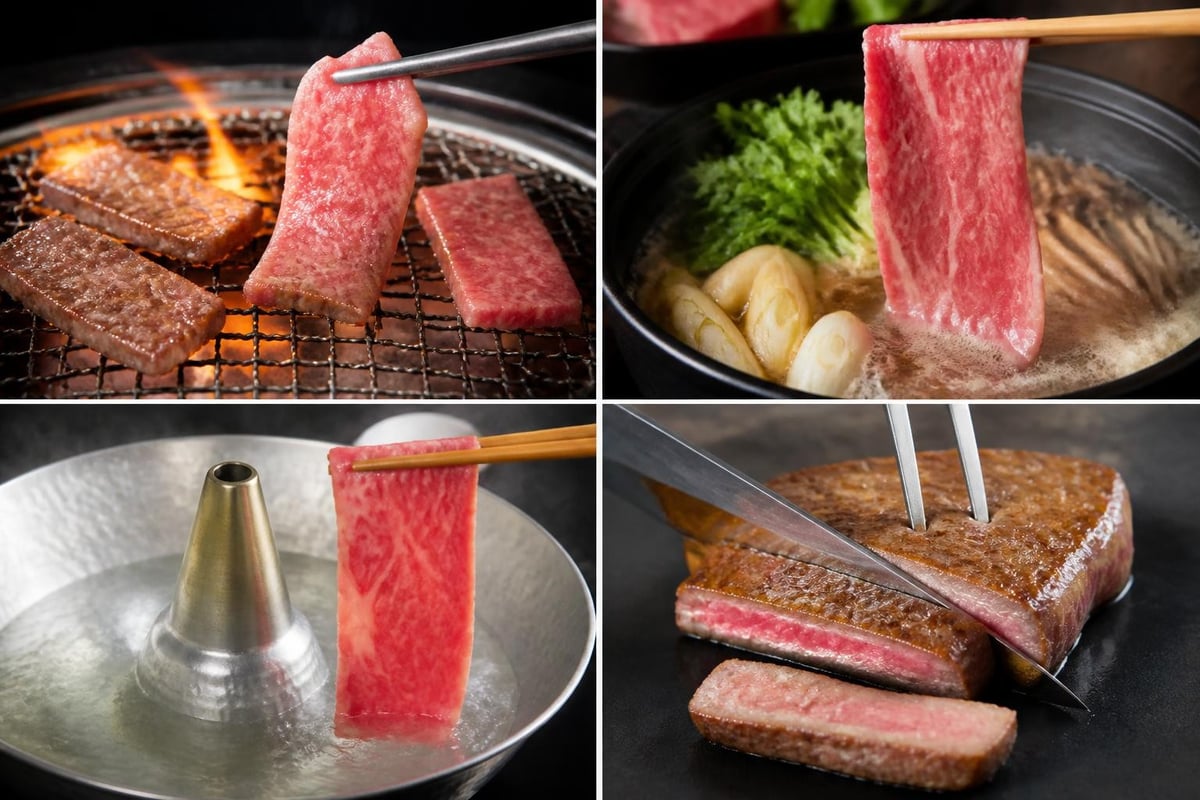
Yakiniku restaurants let you grill your own wagyu at the table, giving you complete control over how your beef is prepared. This style originated in Korea but has been thoroughly adopted and adapted by Japanese culinary culture, particularly for showcasing premium wagyu.
The yakiniku experience offers several advantages:
- Temperature control: You decide exactly how rare or well-done each piece becomes
- Cut variety: Sample multiple cuts from the same cow in one meal
- Fresh perspective: Experience how different parts of the animal showcase marbling differently
- Social atmosphere: Share the experience with friends and family
When you visit a quality yakiniku restaurant, the staff will often guide you through the proper grilling times for each cut. Thicker slices of A5 wagyu need mere seconds per side, as the intense marbling means the fat renders quickly and the meat can go from perfect to overdone in moments.
Sukiyaki and Shabu-Shabu: Traditional Hot Pot Methods
These hot pot preparations slice wagyu paper-thin and cook it briefly in flavorful broths. Sukiyaki uses a sweet soy-based sauce, while shabu-shabu involves swishing the meat in clear broth (the name comes from the swishing sound).
Both methods highlight wagyu's tenderness and allow the beef's natural sweetness to shine through without the char that grilling creates. The thin slicing also makes even the richest A5 wagyu approachable, as you consume smaller portions that don't overwhelm the palate.
Steak: Western Style, Japanese Beef
High-end steakhouses in Japan prepare wagyu using techniques borrowed from Western culinary traditions but adapted for beef with far more marbling than typical steaks. The best wagyu Japan produces doesn't always need complicated preparation. Simple salt, perhaps a touch of wasabi, and precise temperature control allow the beef to speak for itself.
Japanese chefs often serve wagyu steaks in smaller portions than you'd find in American steakhouses. A 100-gram (3.5-ounce) portion of A5 wagyu provides an intensely rich experience that satisfies without overwhelming.
The Science Behind Superior Marbling
Understanding why the best wagyu Japan produces tastes different from other beef comes down to fat composition and distribution. Japanese wagyu contains higher percentages of monounsaturated fats and omega fatty acids compared to conventional beef, giving it a lower melting point and that distinctive "melts in your mouth" quality.
The marbling isn't just aesthetic. Those fine threads of intramuscular fat distribute flavor throughout each bite and create a tender texture that doesn't require aggressive chewing. When cooked, the fat bastes the meat from within, creating an almost butter-like consistency.
Feeding Practices That Create Excellence
Wagyu cattle in Japan are raised for approximately 28-30 months, nearly twice as long as conventional beef cattle. During this extended period, farmers carefully control the diet to encourage marbling development.
The typical feeding progression includes:
- Milk and starter feed during the first months
- Transition to grain-based diets after weaning
- High-energy feed mixtures in the finishing period
- Regional variations incorporating local agricultural products
Some regions incorporate sake lees, tofu refuse, or other local agricultural byproducts into their feed. These region-specific ingredients contribute to subtle flavor variations that make each area's beef distinctive.
Finding Authentic Wagyu Experiences in Tokyo
Tokyo offers countless opportunities to experience premium wagyu, from Michelin-starred restaurants to neighborhood yakiniku joints. The concentration of high-quality establishments in districts like Shibuya, Ginza, and Asakusa means you're never far from an exceptional beef experience.
What to Look for in a Quality Wagyu Restaurant
Not all restaurants advertising wagyu deliver the authentic, high-grade experience you're seeking. Understanding the definition of Japanese Wagyu and its strict grading standards helps you identify establishments committed to quality.
Key indicators of a quality wagyu restaurant:
- Display of certification showing beef origin and grade
- Staff who can explain the specific cuts and their preparation
- Transparent pricing that reflects the actual cost of premium beef
- Focus on the beef itself rather than excessive sauces or seasonings
- Proper storage and handling visible in open kitchen designs
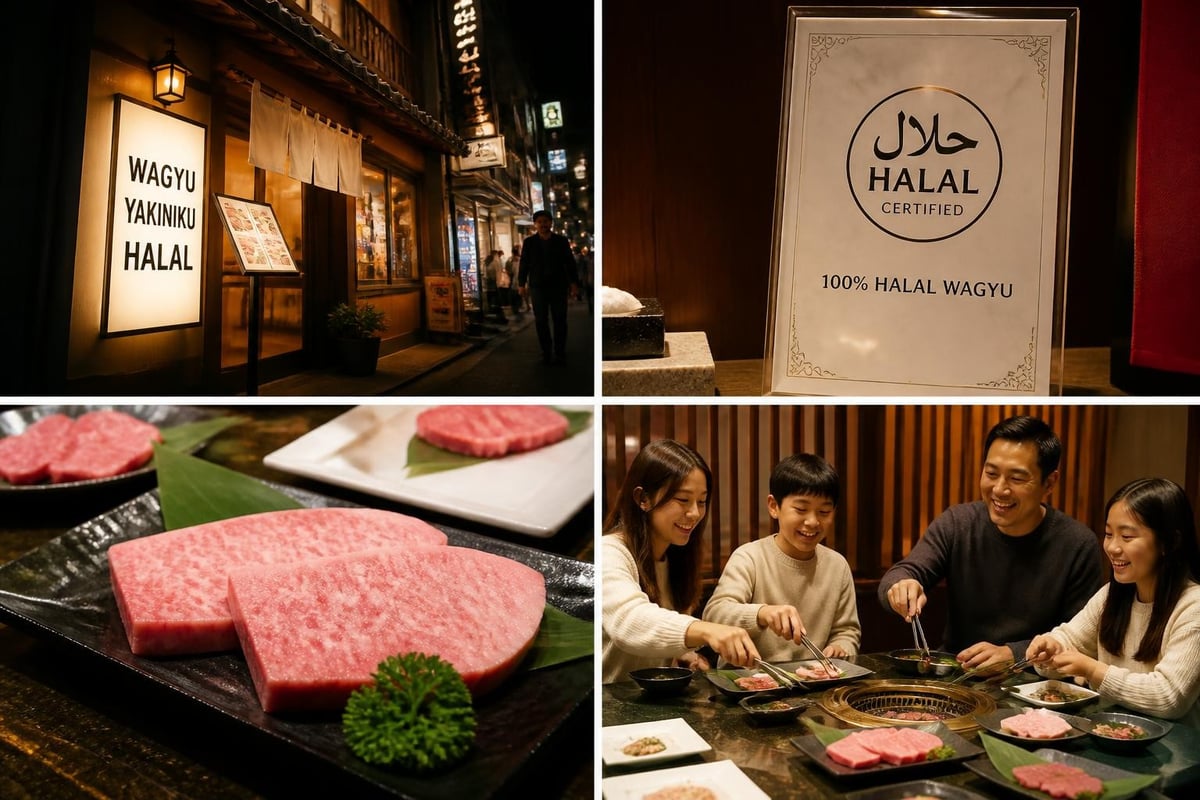
For visitors seeking halal options, finding restaurants that combine halal certification with premium wagyu used to be nearly impossible. The intersection of Islamic dietary requirements and Japanese wagyu excellence creates a unique niche that serves Muslim travelers and residents seeking the best wagyu Japan offers without compromising their religious practices.
The Economic Reality of Premium Wagyu
The best wagyu Japan produces commands premium prices for legitimate reasons. When you see A5 Miyazaki or Kobe beef priced at $150-300 per pound in Japan (even more abroad), you're paying for the extended raising period, the meticulous care, the feed costs, and the scarcity of cattle that meet the highest standards.
Price Transparency and Value
Understanding wagyu pricing helps you make informed decisions about where to splurge and where to save. A 100-gram portion of A5 wagyu at a quality restaurant might cost ¥8,000-15,000 ($55-100 USD), which breaks down to reasonable territory when you consider the rarity and production costs.
| Wagyu Grade | Restaurant Price (per 100g) | Retail Price (per 100g) | Quality Level |
|---|---|---|---|
| A5 Premium Brands | ¥10,000-15,000 | ¥6,000-10,000 | Exceptional |
| A5 Standard | ¥6,000-10,000 | ¥4,000-6,000 | Excellent |
| A4 | ¥4,000-6,000 | ¥2,500-4,000 | Very Good |
| A3 | ¥2,500-4,000 | ¥1,500-2,500 | Good |
Budget-conscious diners can still experience authentic wagyu by choosing lunch sets, selecting A4 grade instead of A5, or trying cuts like karubi (short rib) that offer excellent flavor at lower price points than premium loin cuts.
Seasonal Considerations and Regional Festivals
The best wagyu Japan produces can vary slightly with seasons, as cattle raised during different times of year experience varying conditions. Some connoisseurs claim spring wagyu, from cattle that spent summer grazing on fresh grass, offers subtly different flavor profiles than winter beef.
Beef Festivals and Regional Celebrations
Many wagyu-producing regions hold annual festivals celebrating their local beef. The Matsusaka Beef Festival in November, the Miyazaki Beef Fair, and various events in Kobe allow visitors to sample premium wagyu at more accessible prices while learning about local production methods.
These festivals offer advantages beyond just food. You'll meet farmers, watch butchering demonstrations, and gain insights into the cultural significance of wagyu in Japanese regional identity. The pride these communities take in their beef goes far beyond simple agriculture, it's woven into local history and economy.
Lesser-Known Regional Varieties Worth Seeking
While Kobe, Matsusaka, and Miyazaki dominate international recognition, Japan’s most exclusive Wagyu varieties include regional brands that locals cherish but tourists rarely discover.
Hida Beef from Gifu Prefecture
Hida beef comes from the mountainous Gifu Prefecture, where cooler temperatures and alpine water sources create distinct raising conditions. The beef develops a slightly firmer texture than ultra-marbled varieties, making it popular for steak preparations where some resistance to the bite is desirable.
Yonezawa Beef from Yamagata
This Tohoku region specialty benefits from cold winters and the stress-reducing effects of snowy mountain environments. Yonezawa beef offers rich marbling with a distinctive sweetness that comes through particularly well in sukiyaki preparations.
Saga Beef from Kyushu
Saga Prefecture in Kyushu produces wagyu that consistently scores well in marbling while maintaining reasonable prices compared to the most famous brands. It represents excellent value for those seeking the best wagyu Japan offers without paying the premium attached to the most famous names.
The Halal Wagyu Revolution
For Muslim travelers and residents in Japan, finding halal options for premium wagyu has historically meant either compromising on quality or avoiding wagyu entirely. The best wagyu Japan produces is now becoming accessible to those following Islamic dietary laws through dedicated halal-certified establishments.
What Makes Wagyu Halal-Certified
Halal wagyu requires the entire process, from slaughter to preparation, to follow Islamic guidelines. This means Muslim-certified handlers perform the slaughter using prescribed methods, the meat never contacts non-halal products, and dedicated equipment prevents cross-contamination.
The halal certification process for wagyu includes:
- Verification of slaughter methods according to Islamic law
- Chain-of-custody documentation from farm to table
- Separate storage and preparation areas
- Regular audits by halal certification bodies
- Training for all staff handling the meat
The emergence of halal wagyu restaurants in tourist areas like Asakusa reflects Japan's growing awareness of diverse dietary needs. These establishments don't compromise on quality, offering the same A5 grade beef that non-halal restaurants serve, just prepared according to different religious requirements.
Pairing and Accompaniments That Enhance Wagyu
The best wagyu Japan produces deserves thoughtful accompaniments that complement rather than compete with the beef's rich flavors. Japanese restaurants serving premium wagyu have developed traditional pairings over decades of refinement.
Traditional Japanese Pairings
White rice serves as the classic accompaniment, its mild flavor and starchy texture providing contrast to rich wagyu. Many restaurants offer specialized rice varieties that complement beef particularly well, such as aromatic Koshihikari or slightly sticky Akita Komachi.
Pickled vegetables (tsukemono) cut through the richness and cleanse the palate between bites. Kimchi, while Korean in origin, has become standard at yakiniku restaurants for its spicy, fermented complexity that stands up to heavily marbled beef.
Beverage Selections
Japanese beer, sake, and whisky all pair excellently with wagyu, each offering different complementary elements. Light lagers refresh the palate, while sake's umami notes echo flavors in the beef. Japanese whisky, particularly slightly peaty varieties, adds smoky complexity.
For non-alcoholic options, green tea provides astringent qualities that cut richness, while barley tea (mugicha) offers a roasted note that harmonizes with grilled wagyu's caramelized exterior.
Buying Wagyu to Take Home
Understanding Japanese Wagyu types, grades, and famous regions becomes essential when purchasing beef to take home or ship internationally. Many travelers want to bring the best wagyu Japan offers back to their home countries, but regulations and logistics create challenges.
Export Regulations and Shipping
Japan lifted its ban on fresh beef exports to many countries in recent years, though regulations vary by destination. Some high-end butchers and department stores in Tokyo offer international shipping services that handle all customs documentation and maintain cold chain integrity.
Vacuum-sealed frozen wagyu travels well when properly handled. Expect to pay significant shipping costs on top of the already premium beef prices, but for special occasions or gifts, the investment can be worthwhile.
Domestic Shipping Within Japan
If you're traveling within Japan and want to send wagyu from Tokyo to another city or to your hotel, domestic shipping is remarkably efficient and affordable. Department store food halls offer overnight delivery services that maintain proper refrigeration throughout transit.
The Future of Japanese Wagyu
The best wagyu Japan produces faces both opportunities and challenges in coming years. Domestic consumption is declining as Japan's population ages and shrinks, while international demand continues rising, particularly from affluent consumers in Asia and the Middle East.
Sustainability and Traditional Methods
Young farmers entering the wagyu industry must balance traditional raising methods with modern sustainability concerns. Feed costs, land availability, and environmental regulations all pressure the economics of raising cattle for 28-30 months to achieve premium marbling.
Some producers experiment with feed efficiency and shortened raising periods, though purists argue this compromises the qualities that make Japanese wagyu special. The tension between tradition and innovation will shape the industry's direction over the next decade.
Authentication and Traceability
As international demand grows, ensuring authenticity becomes increasingly important. The Universal Wagyu Mark and other quality assurance measures help consumers verify they're getting genuine Japanese wagyu rather than domestic or crossbred alternatives.
Blockchain technology and DNA verification systems are being implemented to track individual cattle from birth through sale, creating unprecedented transparency in the supply chain. This benefits both producers, who can command premium prices for verified authentic beef, and consumers, who can trust they're getting what they pay for.
Discovering the best wagyu Japan offers transforms from an intimidating luxury into an accessible adventure when you understand the regions, grades, and preparation methods that define excellence. Whether you're seeking Kobe's prestige, Miyazaki's award-winning consistency, or Matsusaka's legendary tenderness, Japan's diverse wagyu landscape offers something for every palate and budget. For those traveling to Tokyo and seeking both premium quality and halal certification, Ninja Yakiniku in Asakusa provides an authentic yakiniku experience featuring A5 Wagyu and Iga beef in a welcoming, family-friendly environment that doesn't compromise on either religious requirements or culinary excellence.