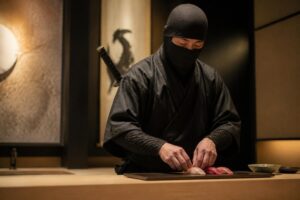
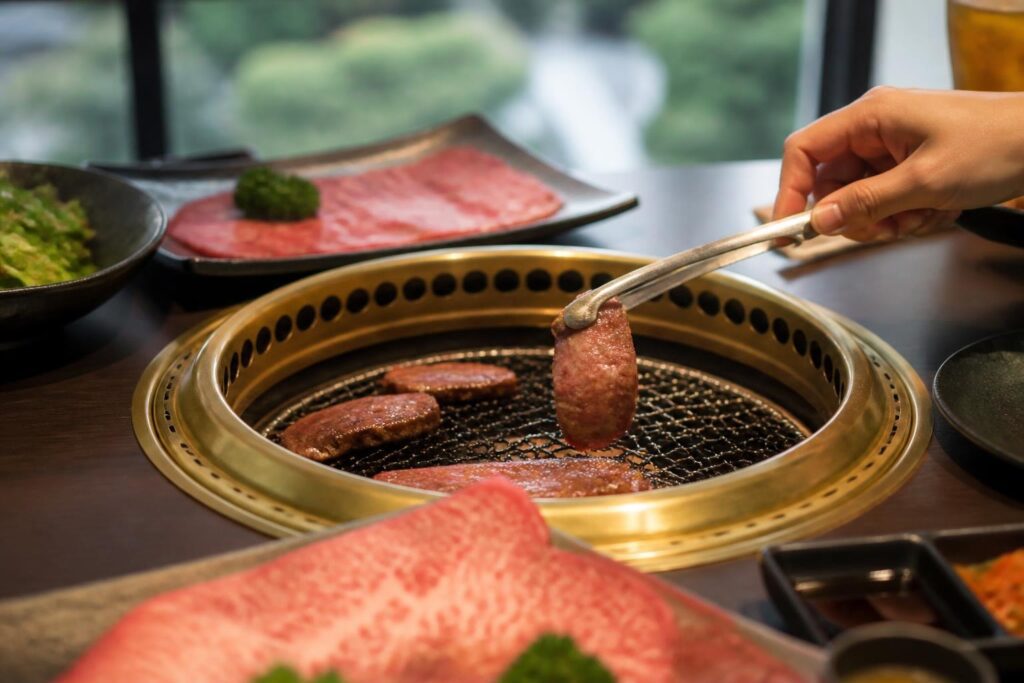
When I first stepped into a traditional yakiniku restaurant in Tokyo back in 2019, I had no idea that the perfectly marbled slice of beef sizzling before me would completely transform my understanding of what meat could be. That moment, watching the fat glisten and melt into caramelized perfection, was more than just dinner. It was an initiation into Tokyo's extraordinary wagyu culture. Today, finding the best wagyu in Tokyo means navigating a landscape rich with tradition, innovation, and an unwavering commitment to quality that has only deepened since those pre-pandemic days.
Understanding What Makes Tokyo's Wagyu Exceptional
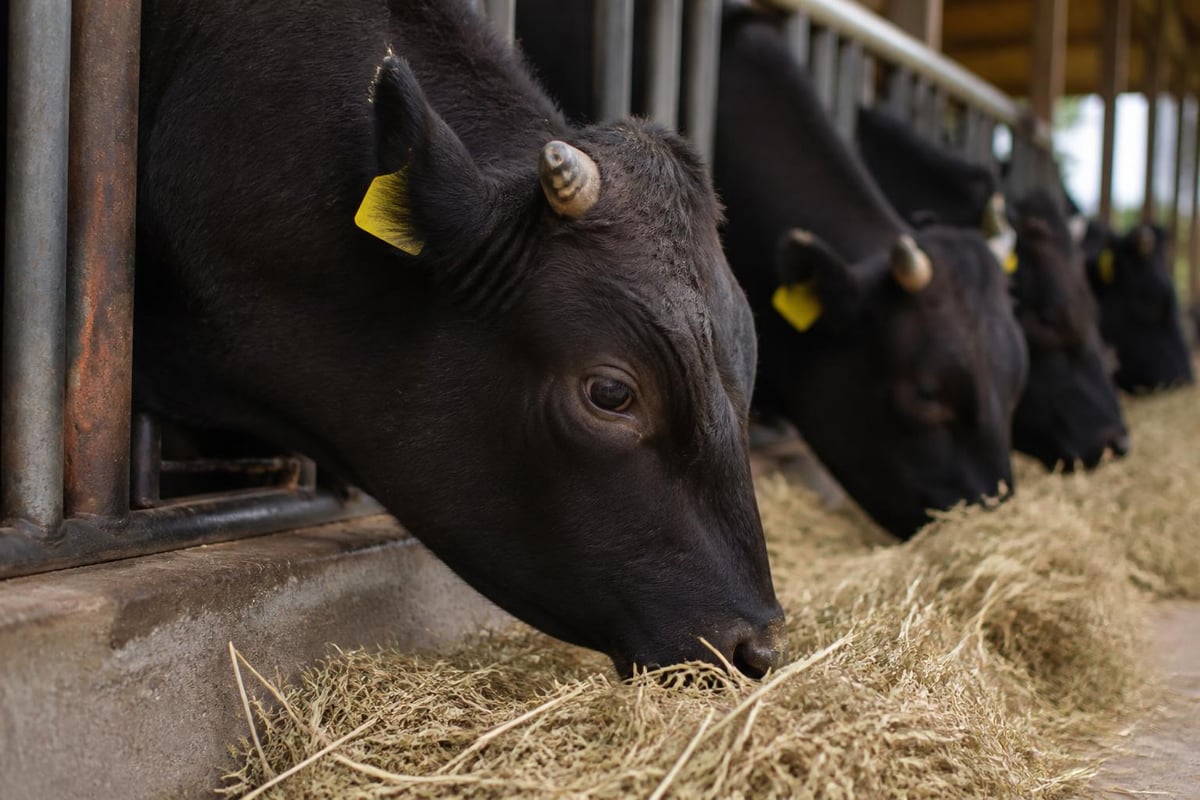
The story of Tokyo's wagyu supremacy doesn't begin in the city itself. It starts in the rural prefectures where cattle are raised with meticulous care, fed specialized diets, and treated with a level of attention that would seem absurd anywhere else in the world. But Tokyo is where this story reaches its climax, where the finest specimens arrive daily to be served in restaurants ranging from humble neighborhood grills to Michelin-starred temples of gastronomy.
The Grading System That Defines Quality
Understanding the Japanese grading system is essential when searching for the best wagyu in Tokyo. The system uses a combination of yield grade (A to C) and meat quality grade (1 to 5), with A5 representing the absolute pinnacle. However, these letters and numbers only tell part of the story.
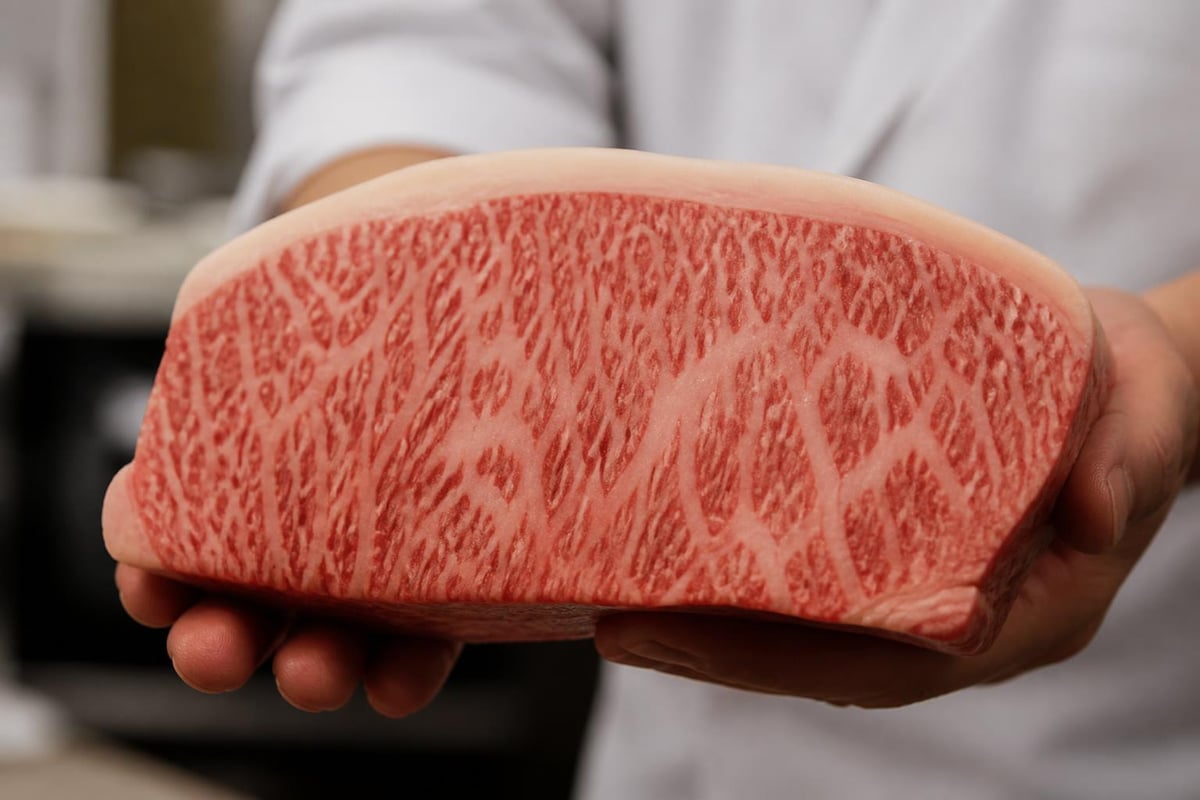
The Beef Marbling Standard (BMS) score provides deeper insight, ranging from 1 to 12. When you encounter A5 wagyu with a BMS score of 10 or higher, you're looking at meat that contains nearly 50% intramuscular fat. This isn't the kind of fat you trim away. It's the microscopic webbing that creates that signature melt-in-your-mouth texture that has made wagyu legendary worldwide. The detailed breakdown of wagyu beef grades reveals how these classifications translate to actual eating experiences.
| Grade | Marbling | Tenderness | Overall Quality |
|---|---|---|---|
| A5 | Exceptional (BMS 8-12) | Extremely tender | Highest available |
| A4 | Abundant (BMS 6-7) | Very tender | Premium quality |
| A3 | Moderate (BMS 4-5) | Tender | Good quality |
What makes Tokyo unique is the concentration of restaurants that serve exclusively A5 grade beef, something that remains rare even in other major Japanese cities. The competition drives innovation while maintaining traditional standards.
Regional Varieties You'll Encounter in Tokyo
Tokyo's position as Japan's culinary capital means you can sample wagyu from virtually every renowned producing region without leaving the city. Each variety brings distinct characteristics shaped by local climate, feeding practices, and breeding traditions.
Kobe Beef: The International Ambassador
Kobe beef remains the most recognized name globally, but in Tokyo, it's just one option among many exceptional choices. True Kobe beef comes from Tajima cattle raised in Hyogo Prefecture under strict regulations. The cattle must meet specific weight requirements, achieve particular marbling scores, and pass rigorous quality assessments.
In Tokyo's top restaurants, Kobe beef commands premium prices, sometimes exceeding 20,000 yen for a 100-gram serving. The experience justifies the cost for many diners. The butter-soft texture and complex, almost sweet flavor profile create moments that linger in memory long after the meal ends.
Matsusaka: The Connoisseur's Choice
For those who've progressed beyond Kobe's fame, Matsusaka beef represents the next level of appreciation. Raised in Mie Prefecture, Matsusaka cattle are exclusively virgin female cows, a requirement that contributes to the meat's extraordinary tenderness. As highlighted in this exploration of Matsusaka beef’s culinary significance, the texture genuinely rivals foie gras in its delicate, creamy quality.
I remember my first Matsusaka experience at a small restaurant in Ginza. The chef served it almost raw, just kissed by the grill's heat. The fat literally dissolved at body temperature, coating my palate with umami richness that needed no sauce, no seasoning, just pure beef essence.
Lesser-Known Gems Worth Seeking
- Iga beef from Mie Prefecture offers exceptional value while maintaining A5 standards
- Hida beef from Gifu brings a slightly firmer texture with intense beefy flavor
- Miyazaki beef has won multiple national competitions for its consistent quality
- Ohmi beef claims the longest history among Japanese wagyu varieties, dating back over 400 years
Where to Find the Best Wagyu in Tokyo by Neighborhood
Tokyo's sprawl can be intimidating, but wagyu excellence clusters in specific neighborhoods, each offering different atmospheres and price points.
Ginza: Where Luxury Meets Tradition
Ginza remains Tokyo's premier destination for high-end wagyu experiences. The neighborhood's basement corridors and upper-floor hideaways house some of Japan's most celebrated restaurants. Here, expect to pay anywhere from 15,000 to 40,000 yen per person for a full course.
The advantage of Ginza extends beyond the beef itself. Many establishments have been perfecting their craft for decades, with some run by third or fourth-generation chefs. They've developed relationships with specific farms, sometimes reserving entire cattle exclusively for their restaurants.
Asakusa: Accessible Excellence
Asakusa offers a compelling alternative to Ginza's formality. This historic district, famous for Sensoji Temple and traditional architecture, has emerged as a destination for high-quality wagyu at more approachable price points. The neighborhood's mix of tourists and locals creates demand for establishments that balance quality with accessibility.
What I particularly appreciate about Asakusa is how restaurants maintain traditional yakiniku culture while adapting to modern dietary requirements. The presence of halal-certified options makes the best wagyu in Tokyo accessible to Muslim travelers who previously had limited choices. This inclusivity doesn't compromise quality; rather, it expands wagyu's reach to new audiences who can now participate in this quintessentially Japanese experience.
Shibuya and Shinjuku: Modern Wagyu Culture
These commercial hubs cater to younger crowds and international visitors with contemporary interpretations of wagyu dining. All-you-can-eat formats, fusion dishes incorporating wagyu into unexpected preparations, and late-night options reflect these neighborhoods' energetic character.
Don't dismiss these areas as tourist traps. While quality varies more than in traditional districts, savvy diners can find exceptional value, particularly during lunch hours when premium restaurants offer set menus at a fraction of dinner prices.
Yakiniku vs. Other Wagyu Preparations
The best wagyu in Tokyo appears in various culinary contexts, each highlighting different aspects of the meat's character.
The Yakiniku Experience
Yakiniku (grilled meat) puts you in control. At traditional yakiniku restaurants, each table has its own grill, and you cook thin-sliced wagyu to your exact preference. This interactive format creates social dining experiences that last for hours.
| Cut | Japanese Name | Best Cooking Method | Flavor Profile |
|---|---|---|---|
| Ribeye | Rosu | Medium-rare | Rich, intensely marbled |
| Short rib | Karubi | Medium | Balanced fat, meaty |
| Skirt steak | Harami | Medium-well | Lean, robust flavor |
| Tongue | Tan | Rare to medium-rare | Delicate, clean taste |
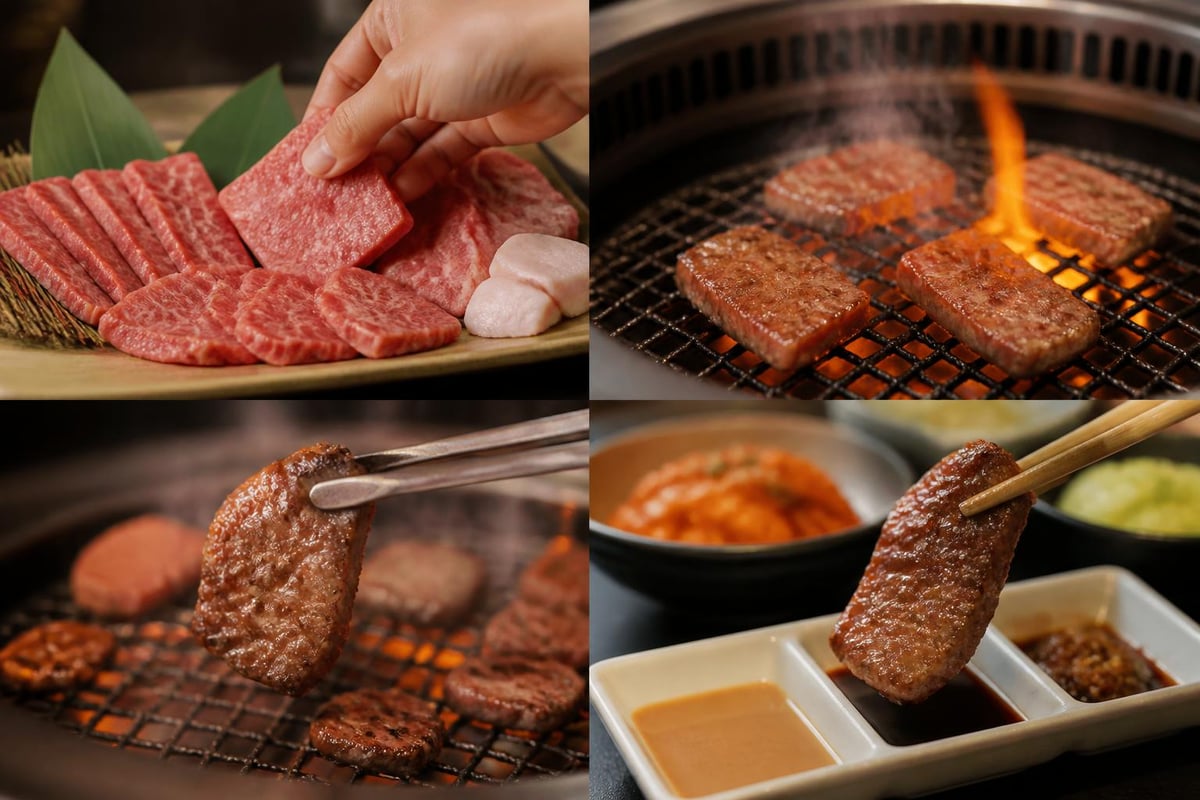
The beauty of yakiniku lies in variety. A typical course might include twelve or more different cuts, from richly marbled ribeye to leaner tongue, each requiring different cooking times and techniques. Watching an experienced diner work the grill is educational. They know exactly when to flip each piece, how to position cuts over varying heat zones, and which sauces complement specific textures.
Teppanyaki Theater
Teppanyaki restaurants place wagyu preparation in the hands of skilled chefs who transform cooking into performance art. The chef stands before a massive steel griddle, orchestrating multiple courses with precision and flair. Wagyu typically appears midway through the meal, after lighter seafood and vegetables have primed your palate.
I've watched teppanyaki chefs dice A5 wagyu into perfect cubes, then sear them so quickly that the exterior caramelizes while the interior stays nearly raw. The contrast in textures, the way the crust shatters to reveal butter-soft meat beneath, creates complexity that simple grilling can't quite match.
Sukiyaki and Shabu-Shabu: Hot Pot Traditions
These communal dining styles showcase wagyu's versatility. Sukiyaki simmers thin-sliced beef in a sweet soy-based broth alongside vegetables and tofu. The cooking liquid becomes progressively richer as the meal progresses, absorbing the wagyu's released fats and juices.
Shabu-shabu takes a lighter approach. You swish paper-thin wagyu slices through boiling dashi for just seconds before dipping them in citrusy ponzu or creamy sesame sauce. The name itself comes from the sound the meat makes moving through the liquid. This method highlights wagyu's natural sweetness without added flavors competing for attention.
Navigating Dietary Requirements and Preferences
The best wagyu in Tokyo has become increasingly accessible to diners with specific dietary needs, reflecting the city's growing international character and awareness.
Halal Wagyu Options
For Muslim travelers, finding halal-certified wagyu was nearly impossible a decade ago. Today, several Tokyo restaurants have obtained proper certification, ensuring that zabiha slaughter methods and strict preparation standards are followed.
These establishments don't compromise on beef quality to meet halal requirements. Many serve the same A5 grade wagyu found in conventional restaurants, sourced from farms that have adapted their processes to maintain both traditional Japanese quality standards and Islamic dietary laws. The intersection of these two exacting systems results in beef that satisfies both culinary and religious requirements without compromise.
Vegetarian-Friendly Accompaniments
While wagyu restaurants obviously center on meat, the best establishments recognize that dining groups often include vegetarians or those who simply want to balance rich beef with lighter options. Quality yakiniku menus now feature:
- Grilled seasonal vegetables prepared with the same care as premium beef
- Rice dishes ranging from simple bowls to elaborate garlic fried rice
- Multiple kimchi varieties offering probiotic benefits and palate cleansing
- Tofu preparations that showcase artisanal producers
- Elaborate salads using premium Japanese produce
Understanding Value and Setting Expectations
Determining value when evaluating the best wagyu in Tokyo requires looking beyond simple price comparisons. A 10,000-yen meal might represent exceptional value at one restaurant and disappointing quality at another.
Price Ranges and What They Include
Budget Tier (3,000-6,000 yen): Expect A4 grade wagyu, possibly A5 but in smaller portions or less premium cuts. Limited selection, often lunch specials or all-you-can-eat formats with time restrictions. Service is typically efficient rather than personalized.
Mid-Range (6,000-15,000 yen): This sweet spot offers A5 wagyu in decent portions with good cut variety. Restaurants in this range often have experienced staff who can guide selection and cooking techniques. Atmosphere varies from casual to moderately upscale.
Premium (15,000-30,000 yen): Expect exclusively A5 wagyu from renowned regions, often featuring cattle from specific farms. Multi-course experiences include appetizers, soups, rice dishes, and desserts. Private rooms, sommelier service, and extensive sake selections are common.
Ultra-Premium (30,000+ yen): Reserved for special occasions, these experiences offer rare regional varieties, exceptional cuts like chateaubriand, and white-glove service. Some restaurants in this category maintain their own dry-aging facilities or source entire cattle exclusively.
Lunch vs. Dinner Strategies
Smart diners can access premium wagyu at significantly reduced costs during lunch hours. Many high-end restaurants offer lunch sets ranging from 2,000 to 5,000 yen that would cost three times as much during dinner service.
The trade-off involves reduced selection and more structured menus, but the beef quality often matches dinner standards. I've enjoyed A5 wagyu lunch sets in Ginza that included soup, rice, pickles, and 100 grams of premium beef for under 4,000 yen, an absolute bargain by any measure.
Seasonal Considerations and Timing
The best wagyu in Tokyo tastes different throughout the year, influenced by subtle changes in cattle diet, fat composition, and even ambient temperature affecting meat aging.
Winter: Peak Season
December through February represents peak wagyu season in Tokyo. Cattle raised for winter slaughter develop denser fat marbling as they build insulation against cold weather. This fat has higher melting points, creating more complex flavor compounds when cooked.
Winter also aligns with year-end celebrations and New Year festivities when Japanese dining culture reaches peak intensity. Restaurants showcase their finest inventory, and special regional varieties become available. The downside is increased prices and difficulty securing reservations at top establishments.
Summer: Different But Still Excellent
Summer wagyu develops slightly different characteristics. The fat melts more readily, creating an even silkier texture that some diners actually prefer. However, rich wagyu can feel heavy during Tokyo's humid summers, making lighter preparations like shabu-shabu particularly appealing.
Many restaurants offer summer-specific menus featuring thinner cuts, lighter sauces, and refreshing accompaniments like cold noodles or citrus-based sides that balance wagyu's intensity.
Making Reservations and Practical Considerations
Securing seats at Tokyo's best wagyu restaurants requires planning, especially at establishments with limited capacity or strong reputations.
Booking Strategies
- Advance timing: Book 1-2 months ahead for weekends at popular restaurants
- Language barriers: Use hotel concierge services if you don't speak Japanese
- Deposit requirements: Many high-end establishments require credit card guarantees
- Cancellation policies: Expect charges for no-shows, sometimes up to 100% of estimated cost
- Group size: Parties larger than four may face difficulty at intimate establishments
What to Wear and Cultural Expectations
Tokyo wagyu restaurants span from casual to ultra-formal. Yakiniku spots generally accept casual dress, though avoid beachwear or athletic clothing. Higher-end teppanyaki and traditional restaurants may expect business casual at minimum, with some requesting jackets for men.
Cultural considerations include:
- Removing shoes at traditional establishments with tatami seating
- Avoiding strong perfumes that interfere with beef aromas
- Speaking at moderate volumes, especially in intimate settings
- Following staff guidance on cooking methods rather than assuming you know best
Beyond the Beef: Complete Dining Experiences
The best wagyu in Tokyo encompasses more than just meat quality. Complete experiences integrate atmosphere, service, beverage pairings, and cultural context into cohesive dining journeys.
Sake and Wagyu Pairing
While wine garners more attention in Western media, sake remains the traditional wagyu companion in Japan. The beverage's subtle complexities complement beef without overwhelming its delicate flavors.
Junmai Daiginjo sake, made from rice polished to remove at least 50% of each grain, offers floral aromatics and clean finishes that refresh the palate between rich bites. Nigori (cloudy sake) provides creamy texture that mirrors wagyu's fat content while adding slight sweetness.
I've also encountered restaurants serving aged sake alongside aged wagyu, creating fascinating parallels as both products develop deeper, more complex flavors over time.
Staff Knowledge and Guidance
Exceptional wagyu restaurants employ staff who can explain regional differences, suggest cooking methods for specific cuts, and adjust courses based on your feedback. Don't hesitate to ask questions or request recommendations.
The best servers read subtle cues, knowing when to engage with detailed explanations and when to step back, allowing you to focus on your companions and food. This attentiveness, combined with genuine enthusiasm for the product they're serving, elevates meals from merely expensive to truly memorable.
Special Mentions: Unique Wagyu Experiences
While discussing the best wagyu in Tokyo, certain unique experiences deserve highlighting for their distinctive approaches to this treasured ingredient.
Standing Bar Yakiniku
A recent trend involves standing-only yakiniku bars where quick service, premium beef, and reasonable prices intersect. You might spend 45 minutes standing at a counter, grilling exquisite wagyu cuts while chatting with adjacent diners from around the world.
These venues strip away formality while maintaining quality, creating accessible entry points for wagyu newcomers or satisfying quick cravings for experienced enthusiasts.
Wagyu Sushi
Some innovative establishments serve wagyu nigiri, treating beef with the same reverence typically reserved for premium fish. Paper-thin slices are lightly seared with a blowtorch, creating temperature contrast between warm beef and cool rice.
Skeptics exist, and I understand the hesitation. But when executed properly, wagyu sushi reveals new dimensions of the beef's flavor profile, particularly when paired with unexpected accompaniments like yuzu kosho or truffle salt.
Educational Experiences
Select restaurants offer wagyu tasting courses structured like wine flights, presenting multiple regional varieties side-by-side for direct comparison. These educational formats help develop your palate while revealing how terroir, breeding, and feeding practices influence final flavor.
I participated in one such tasting comparing Kobe, Matsusaka, and Miyazaki beef. The differences, while subtle, became apparent when tasting in quick succession. Kobe showed the most delicate sweetness, Matsusaka offered butteriest texture, and Miyazaki provided the most pronounced beef flavor.
Family-Friendly Options and Solo Dining
Not every wagyu experience requires formal dress and hushed tones. Tokyo offers excellent options for families with children and solo travelers seeking the best wagyu in Tokyo without social awkwardness.
Bringing Children
Several yakiniku restaurants welcome families, providing:
- Booster seats and children's chopsticks
- Simplified menus with smaller portions
- Non-spicy options and familiar side dishes
- Quick service accommodating shorter attention spans
The interactive nature of yakiniku naturally engages children, turning dinner into entertainment as they watch (and sometimes help) grill their meal. Obviously, parental supervision around hot grills is essential.
Solo Traveler Accommodations
Tokyo's dining culture has grown increasingly solo-friendly, with many wagyu restaurants offering counter seating perfect for individuals. These spots provide front-row views of preparation, opportunities to chat with chefs or other diners, and eliminate the awkwardness of occupying a full table alone.
Some establishments specifically cater to solo diners with:
- Set menus in smaller portions
- Option to order individual pieces rather than full portions
- Counter arrangements facing skilled chefs at work
- Welcoming atmospheres that never make single diners feel secondary
Making the Most of Your Wagyu Experience
Maximizing your enjoyment of the best wagyu in Tokyo involves more than just choosing the right restaurant. Small adjustments to approach and expectations can dramatically improve your experience.
Arrive Hungry But Not Starving
This advice sounds obvious but bears emphasizing. Wagyu's richness means smaller portions satisfy more deeply than equivalent amounts of conventional beef. Arriving ravenous might lead to overordering, resulting in discomfort rather than pleasure by meal's end.
Conversely, snacking heavily before your reservation prevents full appreciation of subtle flavors and luxurious textures. Aim for pleasantly hungry, ready to eat but not desperate.
Pace Yourself
Rushing through wagyu misses the point entirely. Each bite deserves attention, time to appreciate how flavors develop and evolve as the fat coats your palate. At yakiniku restaurants, avoid loading the grill with multiple cuts simultaneously unless you're experienced enough to track different cooking times.
I've watched tourists treat wagyu like fast food, cramming meat into their mouths while scrolling phones, and it breaks my heart a little. This beef represents decades of specialized breeding, months of careful raising, and countless hours of culinary refinement. It deserves presence and attention.
Document Thoughtfully
Photography is expected and accepted at most restaurants, but be considerate. Quick shots without flash rarely bother anyone. Extended photo sessions disrupting flow for yourself and others, or worse, using bright lights that affect nearby diners' experiences, cross into rudeness.
Consider taking a few photos early, then putting devices away and being fully present for the majority of your meal. Your memory and Instagram followers will survive with slightly fewer images.
Understanding Quality Through Education
Developing appreciation for the best wagyu in Tokyo benefits from understanding the complete background of wagyu beef, including its origins, the detailed grading system, and how to use grading information when making purchasing decisions. These resources provide foundations that transform you from casual consumer to educated enthusiast.
The more you understand about what you're eating, the better equipped you become to make choices aligned with your preferences and budget. You'll stop overpaying for mediocre beef marketed with fancy names and start recognizing genuine quality even in unexpected places.
Planning Your Wagyu Journey
For visitors with limited time in Tokyo, strategic planning ensures you experience the best wagyu the city offers without wasting precious days on disappointing meals.
Multi-Day Strategies
If you're staying several days, consider this progression:
- Day 1: Start with mid-range yakiniku to establish baseline expectations
- Day 2: Experience high-end teppanyaki for comparison of preparation styles
- Day 3: Try sukiyaki or shabu-shabu to appreciate wagyu in different contexts
- Day 4: Return to yakiniku, now armed with knowledge to fully appreciate quality differences
This structure builds knowledge progressively while maintaining variety that prevents rich-beef fatigue.
Single-Meal Recommendations
If you have only one opportunity to experience the best wagyu in Tokyo, I recommend yakiniku over other preparations. The format offers maximum variety, lets you control cooking to personal preference, and provides the most authentic Japanese beef experience.
Choose a mid-to-high range establishment rather than the absolute most expensive option. This sweet spot typically delivers 90% of the quality at 60% of the cost, representing optimal value for a once-in-a-lifetime meal.
Looking Forward: Tokyo's Evolving Wagyu Scene
As we move through 2026, Tokyo's wagyu landscape continues evolving, balancing respect for tradition with innovation that attracts new generations of diners.
Sustainability Conversations
Environmental concerns are prompting discussions about wagyu production's carbon footprint and resource intensity. Some producers experiment with feed supplements that reduce methane emissions, while others focus on regenerative agriculture practices.
Tokyo restaurants increasingly highlight these sustainability efforts, appealing to environmentally conscious diners who want to enjoy premium beef while minimizing environmental impact. Expect these conversations to intensify as climate awareness grows.
Technology Integration
Blockchain verification systems now allow some restaurants to provide complete cattle histories, from birth through slaughter and aging. Diners can scan QR codes to see photos of specific cattle, feeding records, and processing certifications.
While some view this as unnecessary theater, others appreciate the transparency and traceability it provides, particularly regarding halal certification and quality verification.
Expanding Accessibility
The trend toward diverse dietary accommodation continues strengthening. More restaurants are obtaining halal certification, expanding vegetarian options, and adapting to various cultural preferences without compromising their core wagyu offerings.
This inclusivity expands wagyu culture's reach, introducing new audiences to traditions that might otherwise remain inaccessible, ultimately strengthening rather than diluting the overall culture.
Discovering the best wagyu in Tokyo is a journey that rewards curiosity, patience, and willingness to explore beyond obvious tourist destinations. Whether you're seeking the prestigious cuts of Ginza, the accessible excellence of Asakusa, or innovative preparations throughout the city, Tokyo offers wagyu experiences that justify the city's reputation as the world's premier beef destination. If you're looking for an authentic yakiniku experience that combines A5 wagyu quality with halal certification and a welcoming atmosphere for families and solo travelers alike, Ninja Yakiniku in Asakusa provides exactly that balance, bringing together traditional Japanese hospitality with inclusive dining that makes the best wagyu in Tokyo accessible to everyone.