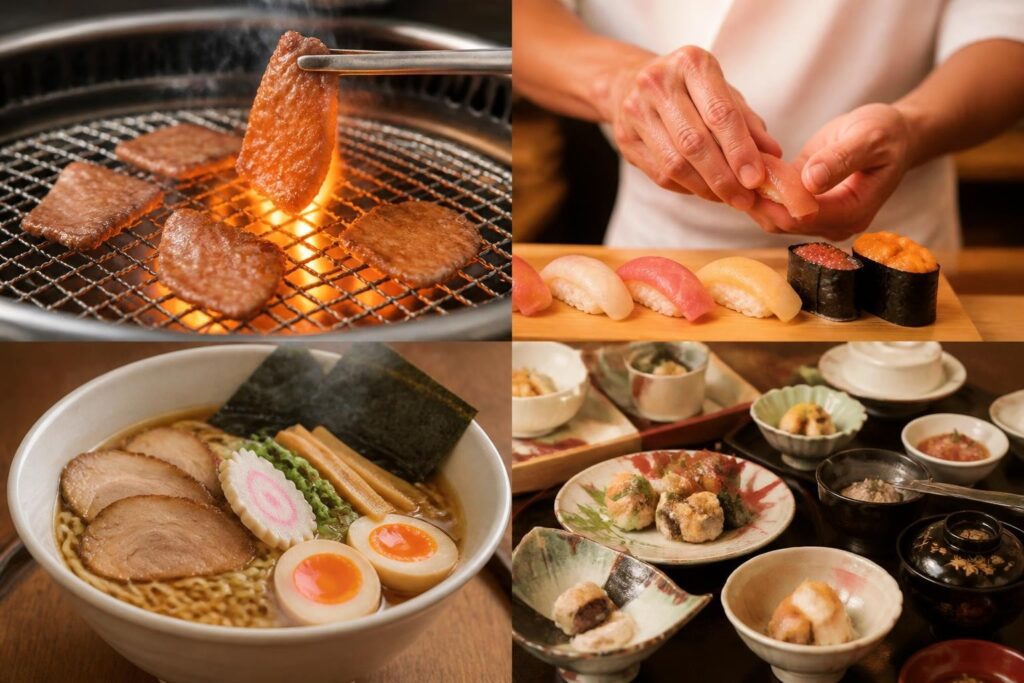
Walking through Tokyo's neon-lit streets on a crisp evening in 2026, I remember the overwhelming feeling of being surrounded by countless restaurants, each promising an authentic taste of Japan. The aroma of grilled meat wafted from a yakiniku restaurant, while the gentle steam from a ramen shop beckoned from across the street. For first-time visitors and seasoned travelers alike, finding the best Japanese food Tokyo has to offer can feel both exhilarating and daunting. This city holds over 200,000 restaurants, representing every regional specialty and culinary tradition imaginable. Whether you're seeking halal-certified options, traditional kaiseki experiences, or casual izakaya dining, Tokyo's food scene tells stories of centuries-old traditions meeting modern innovation.
Understanding Tokyo's Diverse Food Districts
Tokyo isn't just one massive dining district. It's a collection of neighborhoods, each with its own culinary personality and specialties.
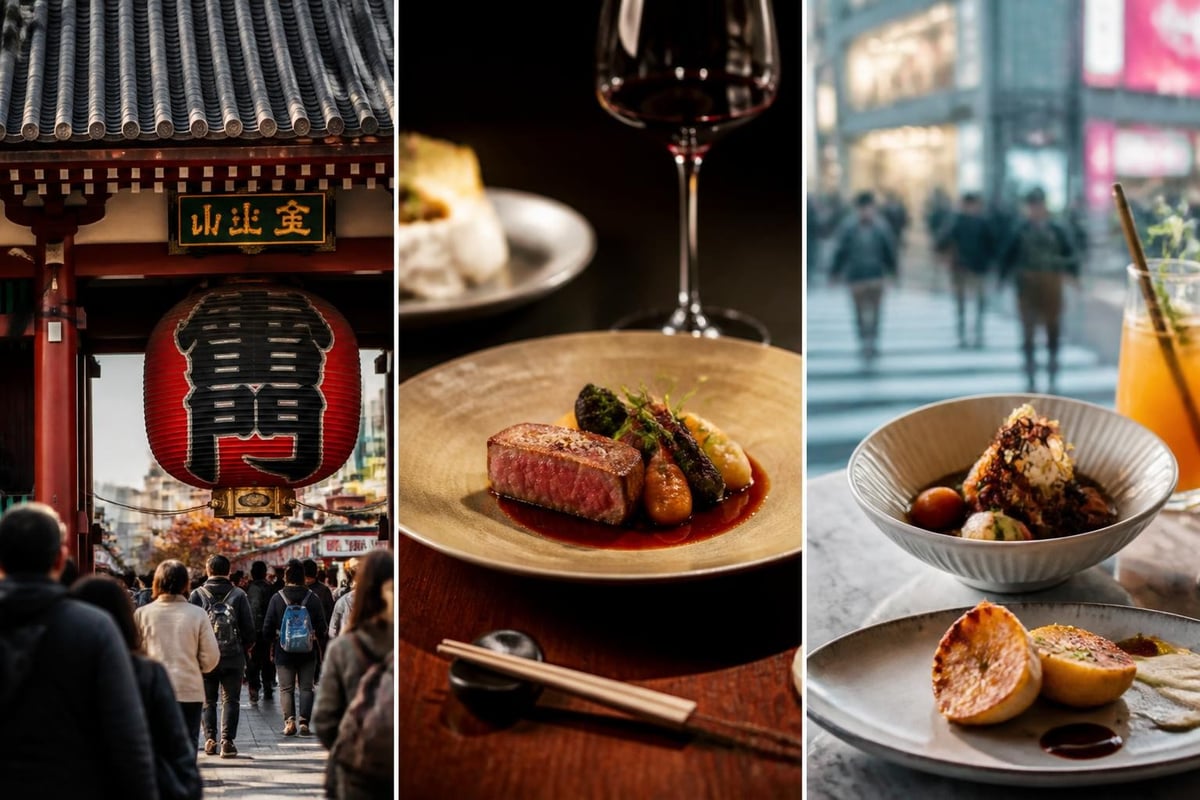
Asakusa stands as one of Tokyo's most historically significant areas, where traditional shitamachi (downtown) culture thrives alongside contemporary dining innovations. This neighborhood offers a unique blend of accessibility and authenticity, making it perfect for travelers who want to experience the best Japanese food Tokyo traditions without venturing far from iconic landmarks like Senso-ji Temple.
Where Tradition Meets Innovation
The Tsukiji Outer Market continues to draw food lovers despite the inner market's relocation to Toyosu in 2018. Here, you'll find the freshest seafood transformed into breakfast sushi sets that locals queue for before dawn.
Key food districts to explore:
- Asakusa: Traditional atmosphere with modern halal-certified options
- Shibuya: Youth culture meets innovative fusion cuisine
- Ginza: Upscale dining and Michelin-starred establishments
- Shinjuku: Late-night izakayas and diverse international options
- Shimokitazawa: Indie cafes and experimental small plates
Roppongi caters to international palates while maintaining Japanese culinary standards. You'll discover restaurants here that understand dietary requirements, offering vegetarian, halal, and allergen-friendly menus without compromising on flavor or presentation.
The Art of Yakiniku: Japan's Answer to Grilled Perfection
Yakiniku represents one of the most social and interactive dining experiences Japan offers. Unlike many formal Japanese meals, yakiniku encourages conversation, laughter, and the shared experience of grilling your own meat to personal preference.
The history of yakiniku in Japan traces back to Korean immigrants who introduced charcoal-grilled meat culture in the early 20th century. Over decades, Japanese chefs refined the technique, developing unique cutting methods, marinades, and sauce combinations that distinguish Japanese yakiniku from its Korean counterpart.
What Makes Wagyu Exceptional
When searching for the best Japanese food Tokyo experiences, understanding wagyu becomes essential. This isn't just marketing hype. Japanese cattle breeding programs have created beef with unprecedented marbling, tenderness, and flavor profiles.
| Wagyu Grade | Marbling Score | Characteristics | Price Range |
|---|---|---|---|
| A5 | 8-12 | Highest quality, exceptional marbling | ¥8,000-15,000 per 100g |
| A4 | 5-7 | Excellent marbling, premium cuts | ¥5,000-8,000 per 100g |
| A3 | 3-4 | Good marbling, quality beef | ¥3,000-5,000 per 100g |
The grading system evaluates yield (A, B, or C) and meat quality (1-5), with A5 representing the pinnacle. When you watch A5 wagyu on the grill, the fat begins melting at room temperature, creating that signature buttery texture.
Essential yakiniku cuts to try:
- Karubi (short rib): Rich, well-marbled, perfect for beginners
- Harami (skirt steak): Tender with robust flavor
- Tan (tongue): Thinly sliced, surprisingly delicate
- Rosu (ribeye): Premium marbling, melt-in-mouth texture
For Muslim travelers and halal-conscious diners, finding authentic Japanese yakiniku that meets dietary requirements used to mean compromise. Not anymore. Several establishments now offer halal-certified wagyu, ensuring everyone can experience this quintessential Japanese dining tradition.
Ramen: Tokyo's Soul Food
Every Tokyo neighborhood claims to have the best ramen shop. Walking through any district after 9 PM, you'll spot the telltale signs: condensation on windows, the aromatic fog of pork bone broth billowing from ventilation fans, and lines of patient diners waiting for counter seats.
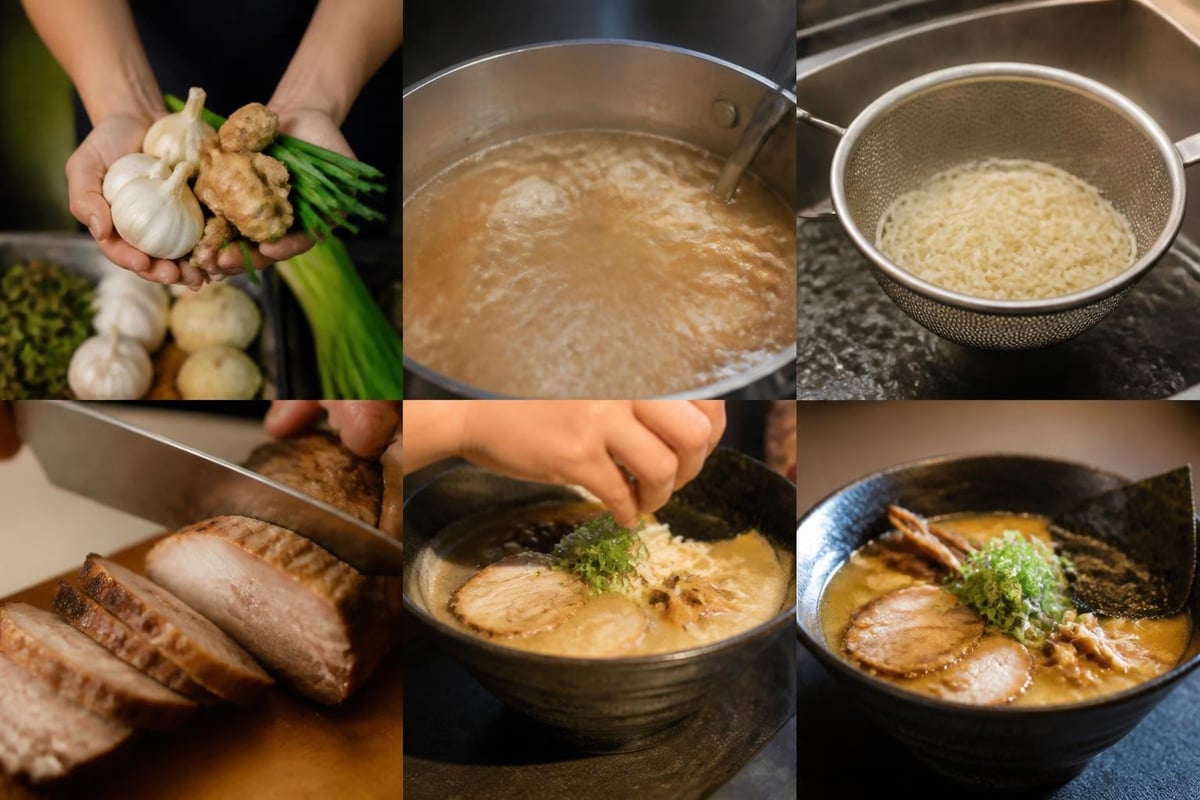
Tokyo-style ramen features shoyu (soy sauce) broth, distinguishing it from Kyushu's tonkotsu or Sapporo's miso varieties. The noodles tend toward medium thickness, with a slight wave that catches the broth perfectly.
The Ramen Shop Experience
Most ramen shops in Tokyo operate through vending machines. You purchase a ticket outside, hand it to the chef, and wait for your bowl. This system emerged from post-war efficiency needs and stuck because it works. No awkward ordering in Japanese required.
The best restaurants in Tokyo include several ramen institutions that have perfected their recipes over generations, creating broths that simmer for 18 hours or more.
Ramen etiquette basics:
- Don't wait for others; start eating immediately when served
- Slurping is encouraged and shows appreciation
- Finish within 10-15 minutes while noodles maintain texture
- You can leave broth unfinished without offense
Tsukemen, a ramen variation, serves cold noodles separately from hot, concentrated dipping broth. This style emerged in Tokyo during the 1960s and has become a summer staple, offering refreshment while delivering intense umami flavors.
Sushi: Beyond the Conveyor Belt
Tokyo's sushi scene ranges from ¥100 conveyor belt plates to ¥50,000 omakase experiences at legendary establishments where reservations book out months in advance. Both extremes offer value in different ways.
Edomae sushi, the Tokyo style, emphasizes the chef's preparation techniques over raw simplicity. Each piece receives specific treatment: some fish is briefly cured in kombu, others brushed with nikiri (sweetened soy sauce), and some torched for aromatics.
The Omakase Journey
"Omakase" translates to "I'll leave it up to you." When you sit at a sushi counter and say this word, you're entrusting the chef to serve what's freshest and most seasonal, in the order they deem optimal.
Watching a skilled sushi chef work teaches you about the best Japanese food Tokyo craftsmanship. Each grain of rice is purposely placed, each slice of fish cut at precise angles to maximize texture and flavor. The temperature of the rice, slightly warm, contrasts with the cool fish to create a complete sensory experience.
Omakase dining etiquette:
- Arrive on time; late arrivals disrupt the chef's timing
- Eat each piece within seconds of receiving it
- Use your hands or chopsticks, both are acceptable
- Ask questions between courses, not during eating
- Consider the chef's recommendations for sake pairings
For those seeking must-try Japanese foods in Tokyo with Michelin recognition, several sushi establishments have maintained their stars for consecutive years, proving consistency in an industry where reputation is everything.
Izakaya Culture: Where Tokyo Unwinds
After a long workday, Tokyo's salarymen don't rush home. They head to izakayas, the Japanese equivalent of gastropubs where small plates and drinks flow freely until the last train.
These establishments serve as social equalizers. Company presidents sit elbow-to-elbow with entry-level employees, the hierarchies of office life temporarily dissolved in sake and yakitori smoke. The izakayas in Tokyo with must-try food offer authentic experiences that reveal more about Japanese work culture than any guidebook.
Navigating the Izakaya Menu
Izakaya menus can intimidate newcomers with their variety and unfamiliar dishes. The key is understanding that everything is designed for sharing and pairing with drinks.
| Dish Category | Examples | Best Paired With |
|---|---|---|
| Grilled | Yakitori, grilled fish | Beer, highball |
| Fried | Karaage, tempura | Sake, shochu |
| Cold | Edamame, cold tofu | Lager, white wine |
| Noodles | Yakisoba, udon | Anything |
Must-order izakaya dishes:
- Karaage: Japanese fried chicken, impossibly crispy outside, juicy inside
- Takoyaki: Octopus balls from Osaka, adopted enthusiastically by Tokyo
- Yakitori: Grilled chicken skewers with various parts and preparations
- Gyoza: Pan-fried dumplings, crispy on one side
- Nasu dengaku: Eggplant with miso glaze
The beauty of izakaya dining lies in its casualness. You can order one dish at a time, take your time, and genuinely relax. This represents the best Japanese food Tokyo experiences for understanding how locals actually eat and socialize.
Tempura: The Portuguese Gift Perfected
When Portuguese missionaries introduced deep-frying techniques to Japan in the 16th century, they couldn't have imagined how thoroughly Japanese chefs would transform and refine the concept. Tempura evolved from foreign curiosity to quintessential Japanese cuisine.
Tokyo-style tempura uses sesame oil blended with other oils, creating a lighter, crisper coating than the heavier versions found elsewhere. The batter barely clings to ingredients, forming a delicate shell that shatters at the slightest bite.
The Tempura Counter Experience
High-end tempura restaurants seat diners at counters where chefs fry each piece individually, serving them immediately for optimal temperature and texture. You eat as they cook, creating a rhythm between kitchen and diner.
The chef starts with delicate items like shiso leaves and shrimp, gradually building to stronger flavors like anago (sea eel) and finishing with rice or noodles. This progression respects your palate's journey through the meal.
Dipping sauce, called tentsuyu, combines dashi, soy sauce, and mirin. Some pieces need no sauce at all, just a sprinkle of salt to highlight natural flavors. The chef often indicates the preferred method for each item.
Kaiseki: Japanese Haute Cuisine
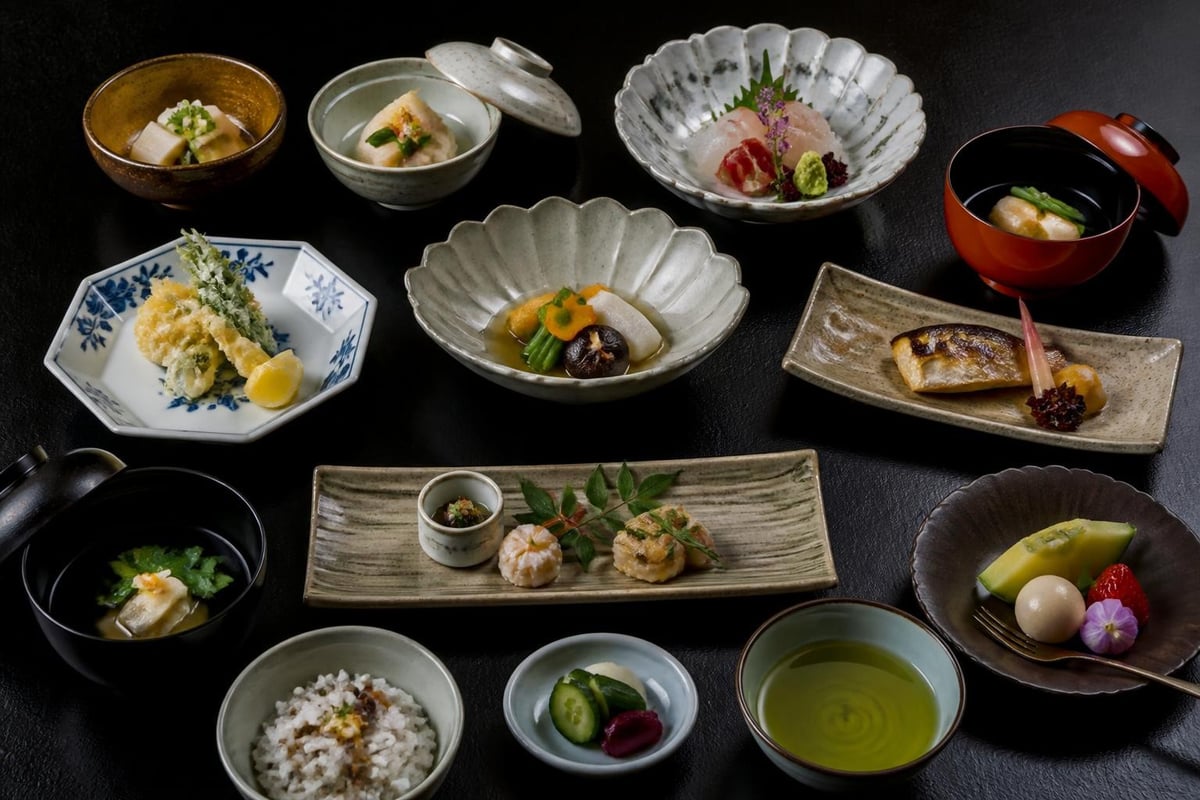
Kaiseki represents the pinnacle of Japanese culinary artistry, where cooking becomes philosophy and each dish tells a seasonal story. These multi-course meals trace their origins to tea ceremonies, where simple, elegant food prepared guests for the meditative ritual ahead.
Modern kaiseki maintains that spiritual connection while showcasing technical mastery. The best kaiseki restaurants in Tokyo transform seasonal ingredients into edible poetry, with presentations so beautiful you hesitate before disturbing them.
Understanding the Kaiseki Sequence
A traditional kaiseki meal follows a specific structure, each course building upon the last to create a complete narrative.
Standard kaiseki progression:
- Sakizuke: Appetizer setting the meal's tone
- Hassun: Seasonal platter representing mountain and sea
- Mukozuke: Seasonal sashimi course
- Takiawase: Simmered vegetables and proteins
- Futamono: Lidded dish, often soup
- Yakimono: Grilled fish or meat
- Su-zakana: Vinegared dish as palate cleanser
- Hiyashi-bachi: Chilled, refreshing course
- Shokuji: Rice dish signaling meal's end
- Mizumono: Seasonal dessert
Prices for kaiseki meals reflect the ingredient quality, chef's reputation, and setting ambiance. Budget ¥15,000-50,000 per person for authentic experiences. Lunch often offers better value with similar quality.
Halal Japanese Cuisine: Breaking Barriers
For years, Muslim travelers faced limited options when seeking the best Japanese food Tokyo could offer while maintaining halal dietary requirements. The landscape has dramatically shifted in 2026.
Tokyo now hosts over 100 halal-certified restaurants, with many more offering halal-friendly menus. This expansion reflects Japan's growing awareness of diverse dietary needs and its commitment to inclusive hospitality.
Halal Yakiniku Revolution
Finding authentic halal wagyu yakiniku was nearly impossible a decade ago. Today, specialized restaurants offer complete halal yakiniku experiences with certified A5 wagyu, Iga beef, and traditional side dishes prepared according to Islamic dietary laws.
Benefits of halal-certified restaurants:
- Complete peace of mind regarding ingredients
- Alcohol-free environments for family dining
- Staff trained in halal requirements
- Prayer facilities often available
- English and Arabic menu support common
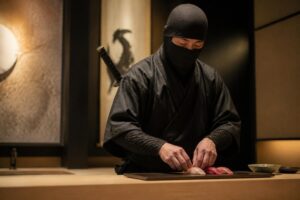
The Ninja Yakiniku experience in Asakusa exemplifies this evolution, proving that halal certification and premium quality aren't mutually exclusive. Muslim travelers can now enjoy the full spectrum of Japanese dining without compromise.
Street Food and Casual Dining
Not every memorable meal requires reservations or formal dress codes. Tokyo's street food scene, while less prominent than Bangkok or Taipei, offers its own distinctive pleasures.
Yatai (food stalls) appear during festivals, serving yakisoba, takoyaki, and imagawayaki (filled pancakes). Depachika, department store basement food halls, showcase hundreds of vendors selling everything from elaborate bento boxes to artisanal wagashi (Japanese sweets).
Convenience Store Gastronomy
Tokyo's konbini (convenience stores) deserve special mention. These aren't your typical convenience stores. They're culinary laboratories producing surprisingly sophisticated ready-to-eat meals.
Seven-Eleven, Lawson, and FamilyMart constantly innovate, offering seasonal limited-edition items that food enthusiasts collect and review. Fried chicken, onigiri (rice balls), and seasonal sandwiches represent legitimate snack options that locals rely on daily.
| Convenience Store | Specialty | Must-Try Item |
|---|---|---|
| Seven-Eleven | Fried chicken | Premium gold chicken |
| Lawson | Desserts | Uchi Cafe sweets |
| FamilyMart | Fried foods | Famichiki |
Seasonal Specialties Worth Planning For
Japanese cuisine celebrates seasonality more intensely than perhaps any other culinary tradition. Specific ingredients appear for mere weeks before disappearing until next year.
Spring brings sakura-flavored everything, from mochi to limited-edition Kit-Kats. But beyond novelty items, you'll find takenoko (bamboo shoots) and sakura masu (cherry salmon) on sophisticated menus.
Seasonal highlights by quarter:
- Spring: Bamboo shoots, cherry salmon, firefly squid
- Summer: Unagi (eel), hamo (pike conger), seasonal fruits
- Autumn: Matsutake mushrooms, sanma (pacific saury), chestnuts
- Winter: Crab, oysters, yellowtail, hot pot varieties
Fugu (pufferfish) season runs from October through March. Only licensed chefs can prepare this potentially deadly delicacy, making it a winter luxury worth experiencing. The flavor itself is subtle, but the experience of eating something so carefully prepared carries its own thrill.
Regional Japanese Cuisines in Tokyo
Tokyo functions as Japan's culinary capital not because it originated all these dishes, but because it perfected the art of importing and refining regional specialties. You can experience authentic Osaka okonomiyaki, Hiroshima oysters, Hokkaido seafood, and Kyushu ramen without leaving the city.
This concentration of regional diversity makes Tokyo ideal for travelers with limited time who want comprehensive exposure to Japanese cuisine. One week in Tokyo can provide more culinary variety than months touring other regions.
Osaka Favorites in Tokyo
Okonomiyaki and takoyaki, both Osakan inventions, thrive in Tokyo with restaurants dedicated to each. Some establishments even employ Osakan chefs to maintain authenticity.
The top dining destinations in Tokyo recommended by chefs include several regional specialty restaurants that source ingredients directly from their home prefectures, ensuring authenticity despite the distance.
Practical Dining Tips for Tokyo Visitors
Navigating Tokyo's restaurant scene requires some insider knowledge beyond just food preferences. Understanding reservation systems, payment methods, and cultural expectations prevents awkward situations and enhances your experience.
Essential practical tips:
- Many top restaurants require Japanese phone numbers for reservations
- Hotel concierges can book restaurants that don't accept foreign credit cards
- Cash remains king; always carry yen despite increasing card acceptance
- Tipping isn't expected and can cause confusion
- Splitting bills by individual item is uncommon; divide equally or one person pays
Peak Dining Times to Avoid
Tokyo restaurants fill up during specific windows. Lunch runs from 12:00-13:30, with lines forming before noon at popular spots. Dinner starts around 18:00, with peak crowds from 19:00-21:00.
Visiting slightly off-peak (11:30 for lunch, 17:30 or after 21:00 for dinner) often means shorter waits and better service, as staff have more time to accommodate questions and special requests.
Budget Planning for Tokyo Dining
The best Japanese food Tokyo offers spans every budget level. You can eat exceptionally well for ¥1,000 per meal at standing soba shops, or spend ¥50,000 on once-in-a-lifetime kaiseki experiences.
| Budget Level | Per Meal | Dining Style | Examples |
|---|---|---|---|
| Budget | ¥500-1,500 | Convenience stores, standing shops | Tenya, Yoshinoya |
| Moderate | ¥2,000-5,000 | Casual restaurants, izakayas | Chain izakayas, neighborhood ramen |
| Premium | ¥8,000-15,000 | Quality table service | Specialty restaurants, yakiniku |
| Luxury | ¥20,000+ | Omakase, kaiseki | Michelin-starred establishments |
Money-saving strategies:
- Lunch sets offer significantly better value than dinner at the same restaurants
- Standing soba/udon shops provide filling, delicious meals for under ¥500
- Department store food halls sell premium items with evening discounts
- Set menus (teishoku) include rice, soup, and pickles at better prices
Planning one or two splurge meals while balancing with moderate options lets you experience the full spectrum without breaking your budget. The casual ¥1,000 bowl of ramen from a tiny shop can be just as memorable as the ¥30,000 sushi omakase.
Food Allergies and Dietary Restrictions
Tokyo's restaurant scene has become increasingly accommodating toward dietary restrictions, though challenges remain. Vegetarians and vegans face the biggest hurdles, as dashi (fish stock) appears in countless dishes, often invisibly.
Gluten-free dining has improved with growing awareness of celiac disease, though soy sauce contains wheat. Tamari (gluten-free soy sauce) availability is increasing but not universal.
Communicating Dietary Needs
Learning basic Japanese phrases for your restrictions helps tremendously. Restaurant staff want to help but need clear information.
Useful phrases:
- "Watashi wa bejitarian desu" (I'm vegetarian)
- "Watashi wa gyuniku ga taberaremasen" (I cannot eat beef)
- "Arukoru wa hairemasen ka?" (Does this contain alcohol?)
- "Halal no ryouri ga arimasu ka?" (Do you have halal food?)
For complex restrictions, consider carrying restaurant cards in Japanese explaining your needs. Several online services provide printable cards for common allergies and religious dietary requirements.
Solo Dining in Tokyo
Tokyo embraces solo diners more than perhaps any major city globally. Counter seating at ramen shops, sushi bars, and izakayas makes eating alone feel natural rather than awkward.
Many restaurants specifically design for solo experiences, with dividers between counter seats and minimal social interaction required. You can enjoy a complete meal without speaking to anyone beyond ordering.
Best formats for solo dining:
- Ramen and standing soba shops
- Conveyor belt sushi
- Counter-seat tempura or sushi omakase
- Chain restaurants with solo-friendly layouts
- Department store food courts
The restaurants recommended by locals often include solo-friendly options that provide authentic experiences without requiring group bookings or Japanese language skills.
Making Reservations
Securing reservations at Tokyo's most coveted restaurants can be challenging. Many accept bookings exactly one month in advance at 10:00 AM, with slots filling within minutes.
Reservation Strategies
Hotel concierges remain your best resource for difficult reservations. They have relationships with restaurants and can often secure tables when online systems show no availability.
Online platforms like TableCheck and Pocket Concierge have English interfaces and handle restaurants that previously accepted only Japanese phone reservations. These services charge no fees and have simplified access to Tokyo's dining scene dramatically.
For Michelin-starred restaurants and exclusive establishments, consider booking 2-3 months ahead if possible. Alternative times (very early or late) sometimes offer better availability.
The Future of Tokyo Dining
Tokyo's food scene continues evolving, embracing sustainability, dietary diversity, and technological innovation while maintaining traditional craftsmanship. Plant-based alternatives to classic dishes are emerging, not as replacements but as additional options expanding the culinary landscape.
The focus on halal and vegetarian options reflects demographic changes as Tokyo prepares for increasing international visitors. Restaurants that once served only Japanese speakers now employ multilingual staff and offer translated menus as standard.
Technology integration has accelerated, with tablet ordering, cashless payment, and AI-assisted translation becoming commonplace. Yet this hasn't diminished the human element. The chef still greets you at the counter, still explains the day's special catch, still takes pride in each plate served.
Finding the best Japanese food Tokyo offers becomes easier each year as accessibility improves, but the fundamental experience remains unchanged. Whether you're grilling A5 wagyu over charcoal, slurping ramen at midnight, or savoring a kaiseki meal that took hours to prepare and minutes to consume, Tokyo delivers culinary memories that last a lifetime.
Tokyo's dining landscape offers something for every palate, budget, and dietary requirement, making it one of the world's most accommodating and exciting food destinations. Whether you're seeking traditional experiences or modern innovations, the city rewards curiosity and appetite in equal measure. For those searching for the best Japanese food Tokyo can offer while maintaining halal standards, Ninja Yakiniku in Asakusa provides an authentic A5 wagyu yakiniku experience in a welcoming, family-friendly environment that respects both culinary tradition and dietary requirements.