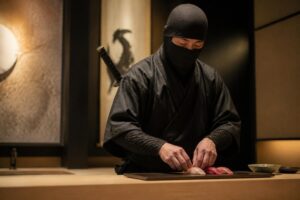
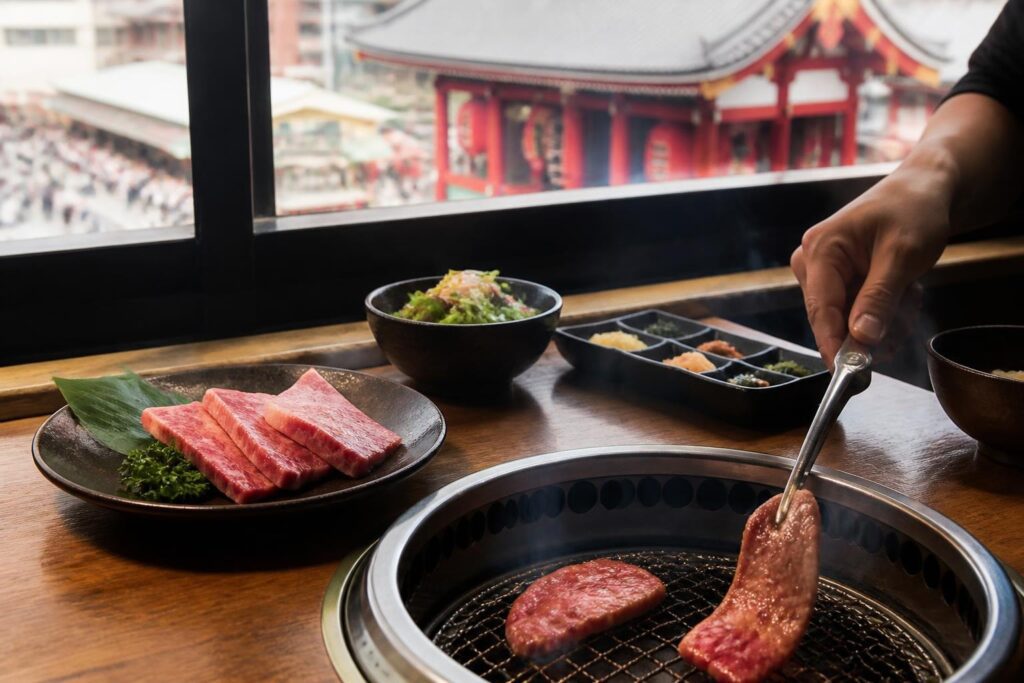
The search for an authentic Asakusa restaurant experience leads visitors through one of Tokyo's most culturally rich neighborhoods, where centuries-old traditions meet modern culinary innovation. Known for its iconic Senso-ji Temple and historic streetscapes, Asakusa’s storied past has cultivated a diverse dining scene that welcomes both international travelers and local food enthusiasts. Whether you're seeking traditional Japanese cuisine or specialized options like halal-certified yakiniku, this district offers an impressive range of choices that honor both heritage and contemporary dietary needs.
Understanding Asakusa's Rich Culinary Heritage
The dining landscape of Asakusa reflects over 400 years of Tokyo's evolution as a cultural center. Since the Edo period, this neighborhood has served as a gathering place where merchants, artisans, and travelers converged, creating a demand for diverse food offerings.
Historical Foundations of Dining Culture
Asakusa developed its restaurant reputation through establishments that have survived multiple generations. Many venues trace their origins to the late 19th and early 20th centuries, when Tokyo emerged as a modern metropolis while maintaining traditional values.
Key characteristics of Asakusa's dining heritage:
- Emphasis on time-honored cooking techniques passed down through generations
- Integration of seasonal ingredients reflecting Japanese culinary philosophy
- Dedication to hospitality that welcomes both locals and international guests
- Preservation of traditional recipes alongside modern innovations
The district's commitment to quality became evident through establishments like Chinya, which has specialized in sukiyaki since 1880, demonstrating how an Asakusa restaurant can maintain relevance across centuries. These historical venues established standards that newer establishments continue to honor.
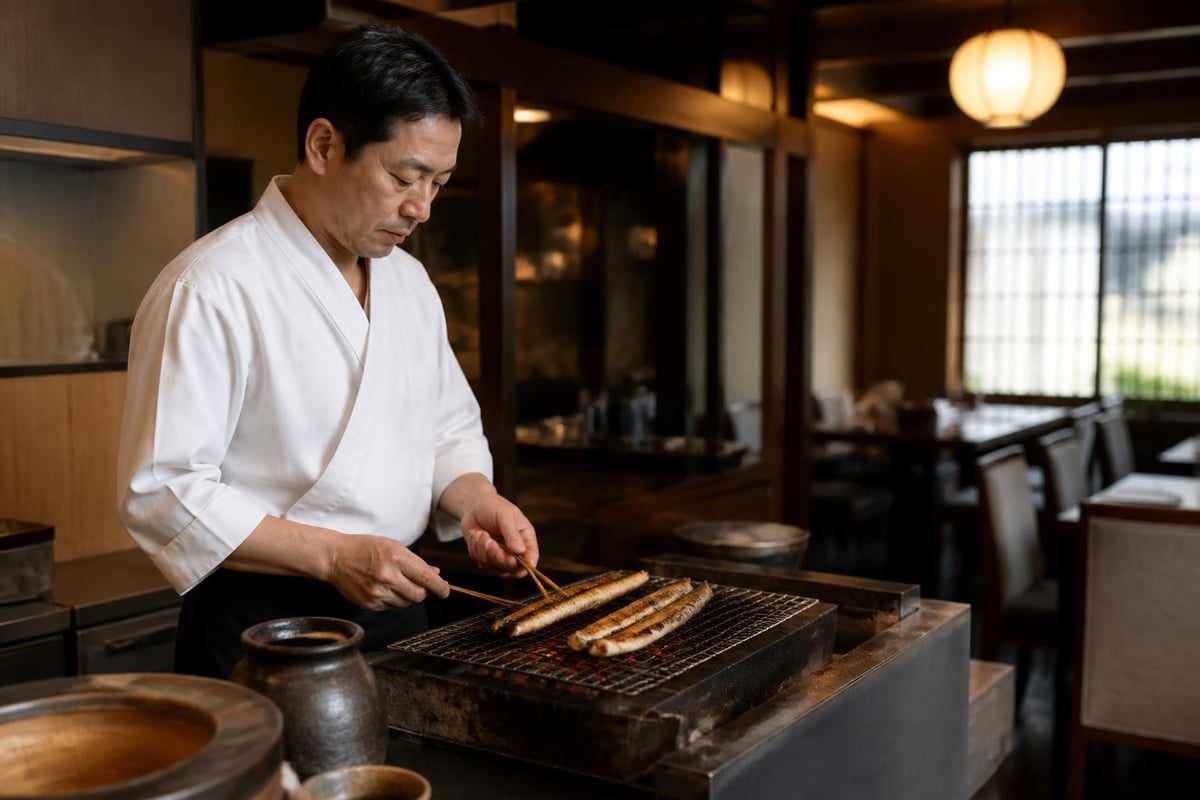
Modern Adaptations to Global Needs
Contemporary Asakusa restaurants recognize the importance of accommodating diverse dietary requirements without compromising authenticity. The 2020s have witnessed significant growth in specialized offerings that serve Muslim travelers, vegetarians, and those with specific allergen concerns.
This evolution reflects Tokyo's broader transformation into a globally accessible destination. Restaurants now balance traditional Japanese culinary principles with certifications and preparations that welcome international guests seeking authentic experiences aligned with their values.
Types of Asakusa Restaurant Experiences
The neighborhood offers distinct dining categories, each providing unique insights into Japanese food culture while serving different preferences and occasions.
Premium Beef Specialists
Wagyu beef specialists represent some of the most sought-after dining experiences in Asakusa. These establishments focus on high-grade Japanese beef, prepared through methods that highlight the meat's natural marbling and flavor.
| Restaurant Type | Primary Focus | Typical Experience | Average Duration |
|---|---|---|---|
| Yakiniku | Grilled meats at your table | Interactive, customizable | 90-120 minutes |
| Sukiyaki | Simmered beef with vegetables | Traditional presentation | 60-90 minutes |
| Shabu-shabu | Hot pot style cooking | Light, healthy preparation | 75-100 minutes |
The premium wagyu heritage exemplified by Asakusa Imahan since 1895 demonstrates how an Asakusa restaurant can specialize in beef while maintaining cultural authenticity. These venues offer both educational and gastronomic value, with staff who explain grading systems, preparation methods, and optimal cooking times.
Traditional Japanese Cuisine Venues
Beyond beef specialists, Asakusa houses numerous restaurants focusing on other Japanese culinary traditions. Sushi establishments, tempura specialists, and noodle houses contribute to the district's diverse offerings.
Popular traditional categories include:
- Sushi bars featuring Edomae-style preparations with Tokyo Bay seafood
- Tempura houses serving lightly battered seasonal vegetables and seafood
- Soba and udon shops offering handmade noodles in traditional broths
- Izakaya providing casual dining with diverse small plates and drinks
These establishments often occupy historic buildings or locations, adding architectural and cultural context to the dining experience. The 111-year history of Kikuzushi illustrates how sushi traditions have been preserved while adapting to modern expectations.
Navigating Dietary Requirements in Asakusa
For travelers with specific dietary needs, understanding how Asakusa restaurants accommodate various requirements proves essential for planning successful dining experiences.
Halal-Certified Options
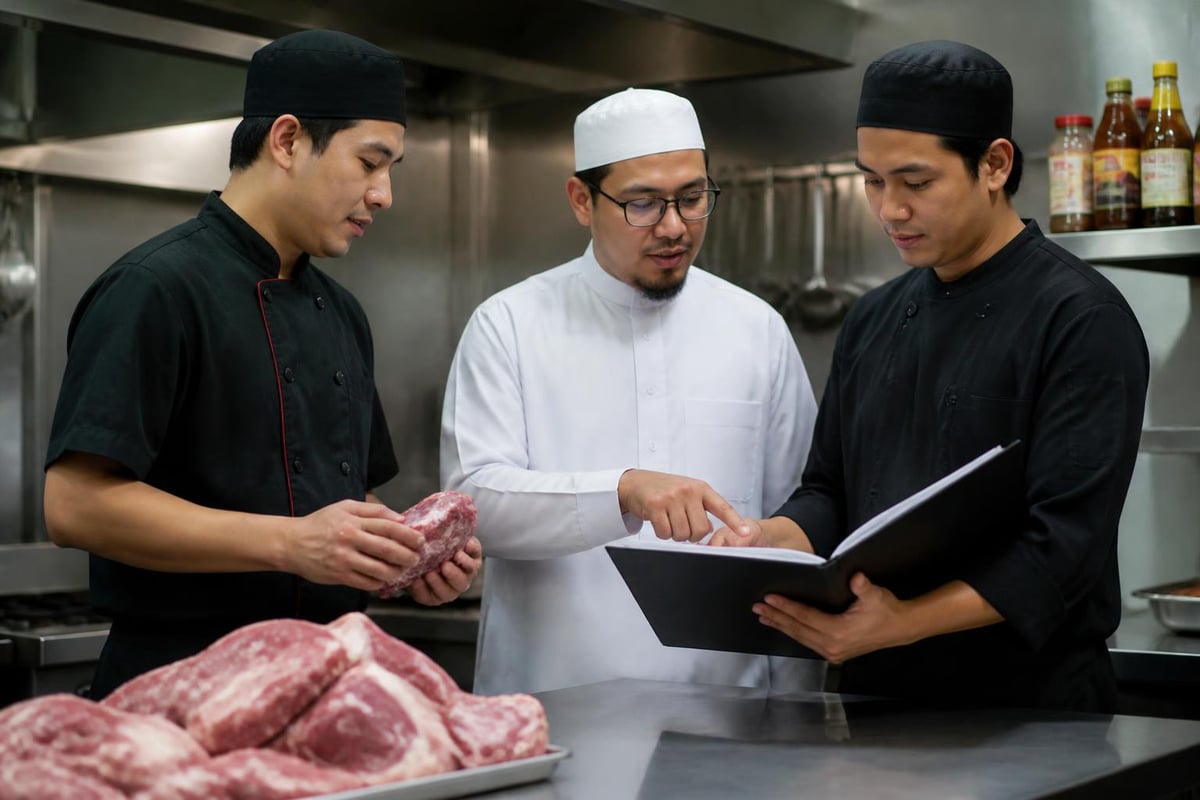
The Muslim traveler community has grown significantly in Tokyo, prompting restaurants to seek halal certification and implement preparation standards that comply with Islamic dietary laws. An Asakusa restaurant with proper halal certification ensures that all ingredients, preparation methods, and cooking equipment meet rigorous standards.
Benefits of choosing halal-certified venues:
- Complete ingredient transparency with documented sourcing
- Separate preparation areas preventing cross-contamination
- Staff trained in halal requirements and customer communication
- Certified suppliers providing verified halal meats and ingredients
Finding authentic yakiniku that meets halal standards transforms the dining experience for Muslim visitors, allowing them to enjoy premium Japanese beef without compromising their religious values. Ninja Yakiniku exemplifies this specialized approach, combining halal certification with high-quality A5 wagyu and Iga beef selections.
Allergen Awareness and Accommodations
Japanese cuisine traditionally incorporates various allergens including soy, wheat, fish, and shellfish. Progressive Asakusa restaurants now provide detailed allergen information and can modify dishes when possible.
When evaluating an Asakusa restaurant for allergen concerns, consider requesting information about:
- Cross-contamination prevention in kitchen operations
- Alternative ingredient availability for common allergens
- Staff knowledge regarding dish components and preparation
- English or multilingual allergen documentation
The gluten-free tempura options at establishments like Tempura Asakusa SAKURA demonstrate how traditional restaurants can innovate while maintaining authentic flavors.
Choosing the Right Asakusa Restaurant for Your Visit
Selecting from Asakusa's extensive dining options requires consideration of multiple factors beyond cuisine type and dietary requirements.
Location and Accessibility Considerations
Asakusa's geography influences restaurant selection based on your itinerary and travel constraints. The district divides into several sub-areas, each with distinct characteristics.
Primary dining zones include:
- Nakamise Street area – Tourist-focused with many casual options
- Kappabashi district – Kitchen town with authentic local establishments
- Sumida River vicinity – Scenic locations with modern venues
- Residential neighborhoods – Hidden gems frequented by locals
Restaurants near major landmarks offer convenience but may experience higher traffic during peak tourist seasons. Venues in residential areas typically provide more intimate experiences with potentially lower pricing.
Budget Planning and Value Assessment
Asakusa restaurant pricing varies dramatically based on ingredients, preparation complexity, and establishment prestige. Understanding price ranges helps set appropriate expectations.
| Price Category | Per Person Range (JPY) | Typical Offerings | Best For |
|---|---|---|---|
| Budget | 1,000-2,500 | Casual dining, set meals | Quick meals, solo travelers |
| Mid-range | 2,500-6,000 | Quality ingredients, table service | Family dinners, couples |
| Premium | 6,000-15,000 | High-grade beef, specialized courses | Special occasions, food enthusiasts |
| Luxury | 15,000+ | A5 wagyu, omakase experiences | Celebration meals, culinary experiences |
Value assessment should consider ingredient quality, portion sizes, service level, and overall experience rather than price alone. Some mid-range establishments offer exceptional quality that rivals premium venues.
Reservation Strategies and Timing
Popular Asakusa restaurants often require advance reservations, particularly for dinner service and weekend visits. Understanding booking systems prevents disappointment.
Reservation best practices:
- Book 1-2 weeks ahead for premium establishments during regular seasons
- Reserve 3-4 weeks in advance during cherry blossom season or holidays
- Utilize hotel concierge services for language assistance if needed
- Confirm cancellation policies before committing, as some venues charge fees
- Verify operating hours, as some restaurants close between lunch and dinner
Solo travelers may find walk-in availability at counter-seating establishments, while groups typically need advance planning regardless of restaurant type.
Maximizing Your Asakusa Restaurant Experience
Beyond selecting the right venue, understanding cultural norms and operational practices enhances satisfaction and demonstrates respect for Japanese dining traditions.
Cultural Etiquette Fundamentals
Japanese dining culture incorporates specific etiquette that Asakusa restaurants expect guests to observe. While staff accommodate international visitors, following basic protocols shows appreciation.
Essential etiquette practices include:
- Removing shoes when entering tatami rooms
- Using provided wet towels (oshibori) only for hands before meals
- Saying "itadakimasu" before eating and "gochisousama" after finishing
- Avoiding sticking chopsticks vertically in rice bowls
- Not passing food chopstick-to-chopstick
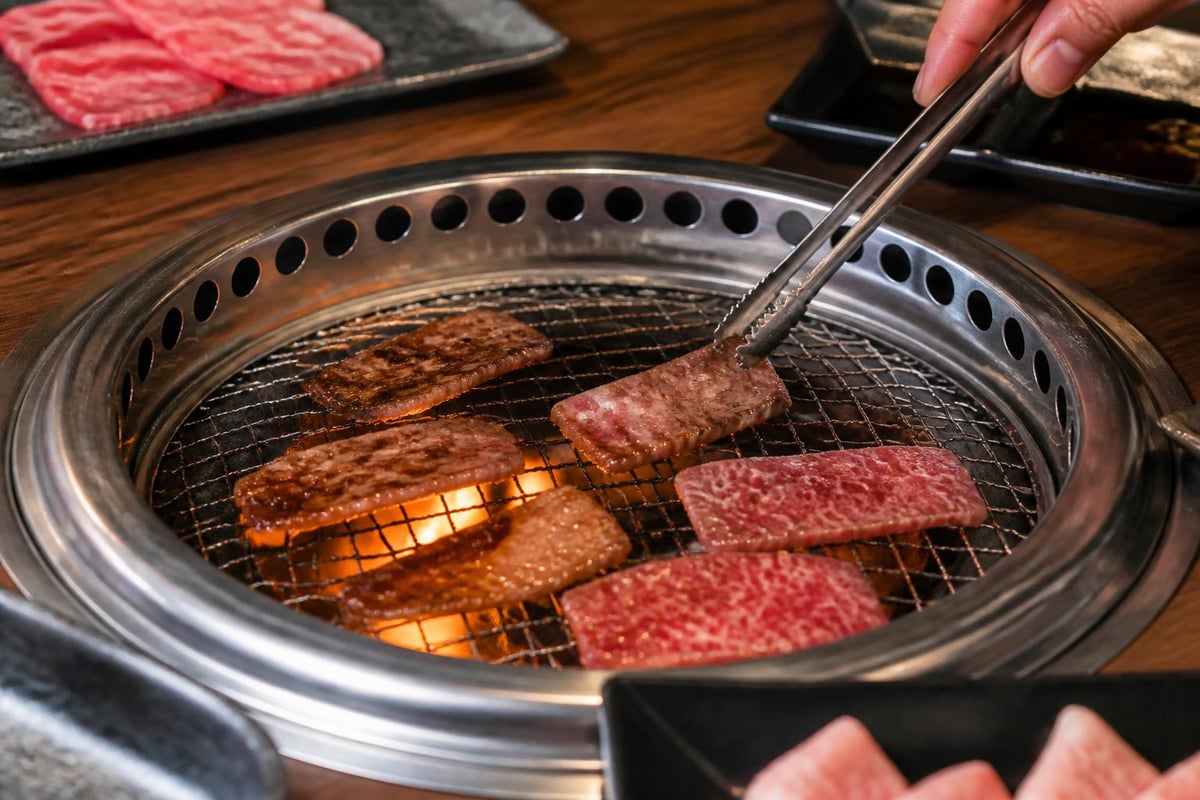
When dining at a yakiniku-style Asakusa restaurant, grilling etiquette also matters. Staff often provide initial guidance on cooking times and techniques, particularly for premium cuts requiring precise preparation.
Ordering Strategies for First-Time Visitors
Navigating Japanese menus can challenge visitors unfamiliar with regional ingredients or preparation styles. Strategic ordering ensures satisfying meals while exploring new flavors.
- Start with signature dishes recommended by the establishment
- Request chef's selection (omakase) for curated experiences
- Order incrementally rather than all at once, especially at yakiniku venues
- Ask about portion sizes to avoid over-ordering
- Consider set menus (teishoku or course meals) for balanced variety
Many Asakusa restaurants feature picture menus or English descriptions, while establishments like Ninja Yakiniku employ multilingual staff who can explain options and make recommendations based on preferences and dietary requirements.
Language and Communication Tips
While Tokyo offers increasing English support, smaller Asakusa restaurants may have limited foreign language capabilities. Preparation facilitates smoother interactions.
Communication aids that prove helpful:
- Translation apps with photo recognition for menu reading
- Written cards stating dietary restrictions in Japanese
- Restaurant review sites showing dish photos for pointing
- Basic Japanese phrases for common requests ("water" = mizu, "check please" = okaikei kudasai)
Staff at quality establishments recognize communication challenges and typically demonstrate patience and creativity in ensuring order accuracy.
Seasonal Considerations for Asakusa Dining
Japan's distinct seasons influence ingredient availability, special offerings, and overall dining atmosphere across Asakusa restaurants throughout the year.
Spring (March-May) Dining Highlights
Cherry blossom season transforms Asakusa into a celebration hub, with restaurants offering seasonal specialties. Spring ingredients include bamboo shoots, wild mountain vegetables, and spring fish varieties.
This season sees peak tourist volume, requiring advance reservations even at mid-range establishments. Restaurants near Sumida Park offer special viewing opportunities when cherry trees bloom, typically in late March through early April 2026.
Summer (June-August) Offerings
Summer menus emphasize lighter preparations and cooling presentations. Asakusa restaurants feature cold noodles, grilled eel (unagi) for stamina, and refreshing appetizers.
The Sumida River fireworks festival in late July creates exceptional demand, with riverside restaurants booking weeks or months ahead. Indoor venues with air conditioning become particularly valuable during Tokyo's humid summer months.
Autumn (September-November) Experiences
Autumn brings premium ingredients including matsutake mushrooms, Pacific saury, and chestnuts. This season offers comfortable weather and manageable tourist levels, creating ideal conditions for Asakusa restaurant exploration.
Fall dining advantages:
- Moderate temperatures perfect for walk-up visits
- Harvest ingredients at peak quality and availability
- Cultural festivals creating vibrant neighborhood atmosphere
- Comfortable outdoor seating at select venues
Winter (December-February) Specialties
Cold weather drives demand for warming dishes including hot pot preparations, hearings (nabe), and rich soups. An Asakusa restaurant specializing in yakiniku becomes particularly appealing during winter months, as grilling provides both warmth and interactive entertainment.
New Year's period (late December through early January) presents unique challenges, with many establishments closing December 31-January 3. Planning around these closures ensures dining availability during year-end visits.
Family-Friendly and Solo Traveler Considerations
Different travel configurations require distinct evaluation criteria when selecting Asakusa restaurants.
Dining with Children and Families
Family dining in Asakusa varies significantly by establishment type. Some restaurants welcome children enthusiastically, while others maintain quiet atmospheres less suited to young visitors.
| Family Consideration | Questions to Address | Recommended Verification |
|---|---|---|
| Seating options | High chairs available? Tatami rooms suitable? | Call ahead or check website |
| Menu flexibility | Kids' portions offered? Simple dishes available? | Review menu before visiting |
| Atmosphere | Noise tolerance? Interactive elements? | Read recent family reviews |
| Facilities | Changing tables? Space for strollers? | Confirm with restaurant directly |
Yakiniku-style venues often excel for families, as the interactive grilling engages children while allowing parents to control cooking pace. The family-friendly atmosphere at establishments recognizing diverse guest needs makes dining more relaxed for parents.
Solo Traveler Advantages
Solo dining in Japan carries less stigma than in many Western cultures, with Asakusa restaurants accommodating single diners through counter seating and attentive service.
Benefits for independent travelers:
- Counter seats providing kitchen views and chef interaction
- Easier walk-in availability compared to group dining
- Flexibility to explore multiple establishments in one visit
- Opportunity for deeper cultural exchange with staff
Solo travelers often receive enhanced attention from staff who recognize the courage required to dine alone in unfamiliar settings, particularly when language barriers exist.
Payment, Tipping, and Practical Details
Understanding operational procedures prevents awkward situations and ensures smooth transaction completion at any Asakusa restaurant.
Payment Systems and Accepted Methods
Cash remains king in many traditional Asakusa establishments, though credit card acceptance has expanded significantly since 2020. Modern venues typically accept major international cards, while smaller or older restaurants may operate cash-only.
Payment best practices include:
- Carrying sufficient yen cash for the meal plus 20% buffer
- Asking about payment methods when making reservations
- Checking for minimum credit card amounts at some establishments
- Understanding that splitting bills may not be accommodated
- Paying at the register near the entrance rather than at the table in casual venues
Mobile payment systems like PayPay have gained traction in Japan, though international visitor access varies.
Service Charges and Tipping Culture
Japan maintains a no-tipping culture, with exceptional service considered standard rather than worthy of additional compensation. Attempting to tip can create confusion or even offense.
Some upscale Asakusa restaurants include service charges (typically 10-15%) on bills, clearly indicated on menus and receipts. These charges represent the only expected additions beyond food and beverage costs.
Operating Hours and Last Orders
Japanese restaurants typically observe strict closing procedures, with last order times (rasuuto oodaa) occurring 30-60 minutes before stated closing times.
Timing considerations:
- Lunch service typically runs 11:30 AM – 2:00 PM with last orders at 1:30 PM
- Dinner service often begins 5:00 PM – 5:30 PM
- Last dinner orders commonly accepted 8:30 PM – 9:30 PM, even if closing time states 10:00 PM
- Some establishments close between lunch and dinner (2:00 PM – 5:00 PM)
Arriving within an hour of closing time may result in declined service or rushed experiences at many Asakusa restaurants.
Reviews, Recommendations, and Research Resources
Thorough research maximizes the likelihood of satisfying dining experiences while minimizing disappointment from mismatched expectations.
Utilizing Review Platforms Effectively
Multiple review platforms offer insights into Asakusa restaurants, each with distinct strengths and limitations.
Primary research sources:
- Google Maps – Comprehensive coverage with photos and recent reviews
- Tabelog – Japan-specific platform with detailed ratings (note: tough grading system)
- Wanderlog – Curated experiences with traveler perspectives
- TripAdvisor – International tourist reviews providing accessibility insights
Cross-referencing multiple platforms provides balanced perspectives. A restaurant with a 3.5 rating on Tabelog often indicates exceptional quality, as this platform's rating system proves notoriously stringent compared to Western equivalents.
Reviews mentioning specific dietary accommodations, staff English abilities, or family-friendliness prove particularly valuable when evaluating specialized needs. Customer experiences documented on platforms like Wanderlog offer practical insights beyond official descriptions.
Recognizing Quality Indicators
Certain markers signal excellence regardless of restaurant type or price point at any Asakusa restaurant.
Quality indicators to observe:
- Ingredient sourcing transparency and local supplier relationships
- Multi-generational operation or significant operational history
- Professional certifications (halal, organic, quality beef grading)
- Consistent positive reviews across multiple platforms over time
- Staff knowledge and ability to discuss menu components in detail
The commitment to quality maintained by establishments like Asakusa Imahan over decades demonstrates how excellence compounds through sustained dedication to craft and customer experience.
Exploring the diverse Asakusa restaurant scene offers far more than meals; it provides cultural immersion and connection to centuries of culinary evolution. Understanding your dietary needs, researching options thoroughly, and approaching dining with cultural awareness transforms restaurant visits into memorable experiences that honor both tradition and contemporary innovation. When seeking halal-certified yakiniku featuring premium A5 wagyu and Iga beef in Asakusa's welcoming atmosphere, Ninja Yakiniku delivers exceptional quality with family-friendly service that accommodates both groups and solo travelers seeking authentic Japanese dining aligned with Islamic dietary principles.