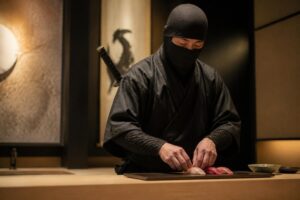
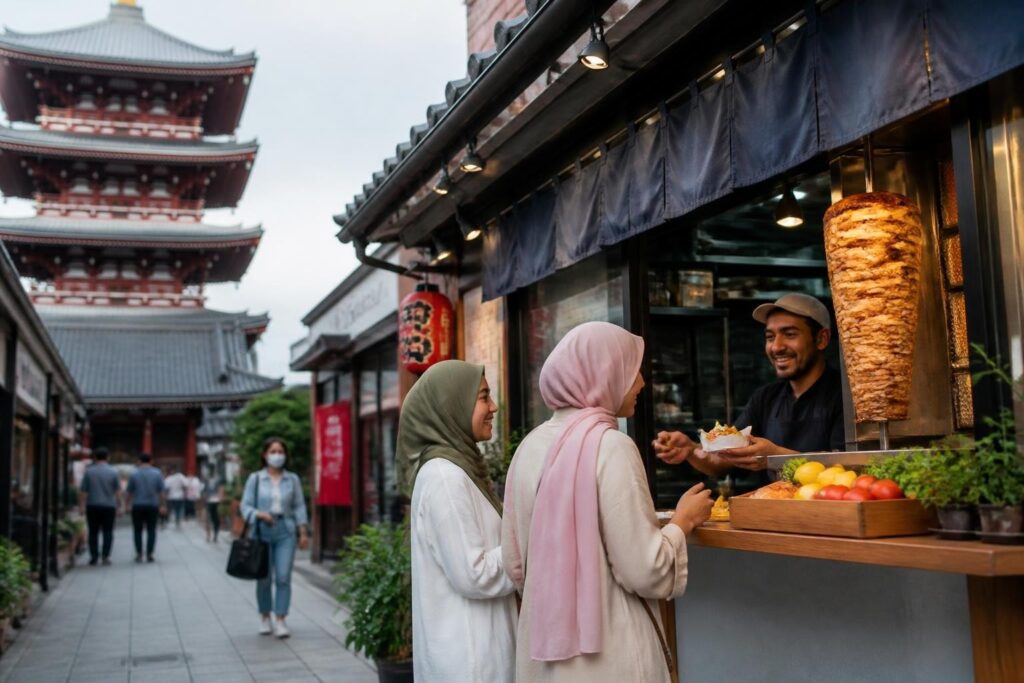
Walking through the narrow streets of Asakusa feels like stepping back in time. The incense from Senso-ji Temple drifts through the air, mixing with the savory aromas from countless food stalls. For years, Muslim travelers wondered if they could experience authentic Japanese cuisine in this historic district without compromising their faith. The answer today is a resounding yes. Asakusa has transformed into one of Tokyo's most welcoming destinations for halal food, offering everything from premium wagyu beef to traditional ramen bowls, all prepared according to Islamic dietary laws.
The Evolution of Asakusa Halal Food Scene
The story of halal dining in Asakusa mirrors Japan's journey toward becoming a more inclusive destination. Five years ago, finding certified halal options required extensive research and often meant settling for limited choices. Today, the landscape looks dramatically different.
The turning point came when restaurant owners recognized the growing number of Muslim tourists visiting Tokyo. Asakusa, already a major tourist hub thanks to Senso-ji Temple and traditional shopping streets, seemed like the perfect place to establish halal-certified restaurants. What started with a handful of pioneers has blossomed into a thriving community of dining establishments.
Understanding Halal Certification in Tokyo
Not all restaurants claiming to serve halal food meet the same standards. In Asakusa, serious establishments pursue certification from recognized Islamic organizations in Japan. This process involves:
- Complete ingredient verification from suppliers to finished dishes
- Separate cooking equipment dedicated exclusively to halal preparation
- Regular inspections by certifying bodies to maintain standards
- Staff training on Islamic dietary requirements and cross-contamination prevention
- Documentation systems tracking the halal supply chain
The difference between certified halal and "Muslim-friendly" matters significantly. Certified restaurants follow strict protocols, while Muslim-friendly establishments might simply avoid pork and alcohol without formal verification processes.
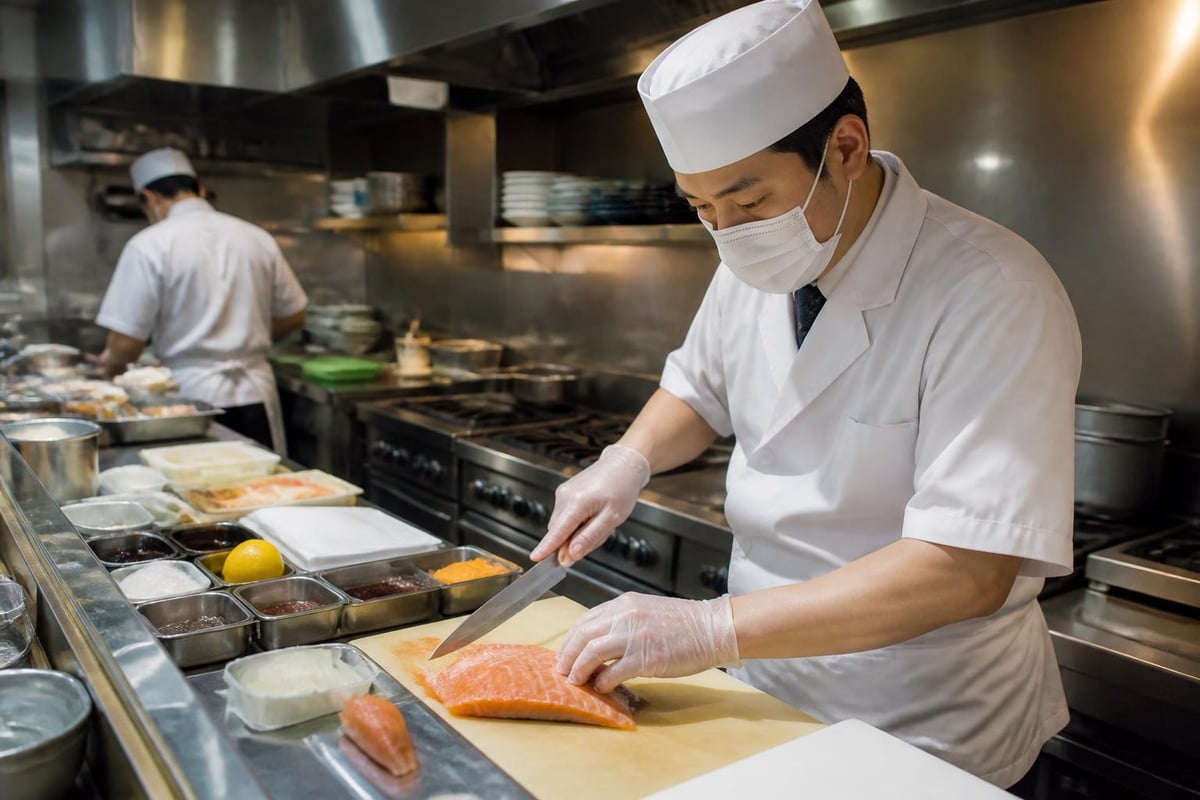
Premium Yakiniku: The Crown Jewel of Asakusa Halal Food
Nothing quite compares to the experience of grilling your own perfectly marbled wagyu beef at a traditional Japanese yakiniku restaurant. The sizzle, the aroma, the first bite of melt-in-your-mouth A5 grade beef creates memories that last a lifetime.
When Ninja Yakiniku opened its doors in Asakusa, it filled a crucial gap in the market. Muslim families and solo travelers had been searching for an authentic yakiniku experience that honored both Japanese culinary traditions and Islamic dietary requirements. The restaurant sources premium cuts including A5 Wagyu and Iga beef, all certified halal.
What Makes Halal Yakiniku Special
Traditional yakiniku restaurants present unique challenges for halal certification. The interactive nature of the dining experience, where customers cook their own meat, requires even more careful attention to detail.
| Aspect | Standard Yakiniku | Halal-Certified Yakiniku |
|---|---|---|
| Meat Source | Various suppliers | Certified halal farms only |
| Marinades | May contain sake/mirin | Alcohol-free alternatives |
| Side Dishes | Standard offerings | All ingredients verified halal |
| Cooking Surface | Shared grills | Dedicated halal grills or thorough cleaning protocols |
The flavor profiles in halal yakiniku match their conventional counterparts perfectly. Skilled chefs develop marinades using halal mirin alternatives, fermented rice products, and carefully selected seasonings that capture authentic Japanese taste without compromising religious requirements.
Walking into a welcoming yakiniku restaurant after a long day exploring Asakusa temples feels like finding an oasis. The family-friendly atmosphere makes it perfect for groups, while solo travelers appreciate the attentive service and comfortable seating arrangements.
Navigating Asakusa's Halal Street Food Scene
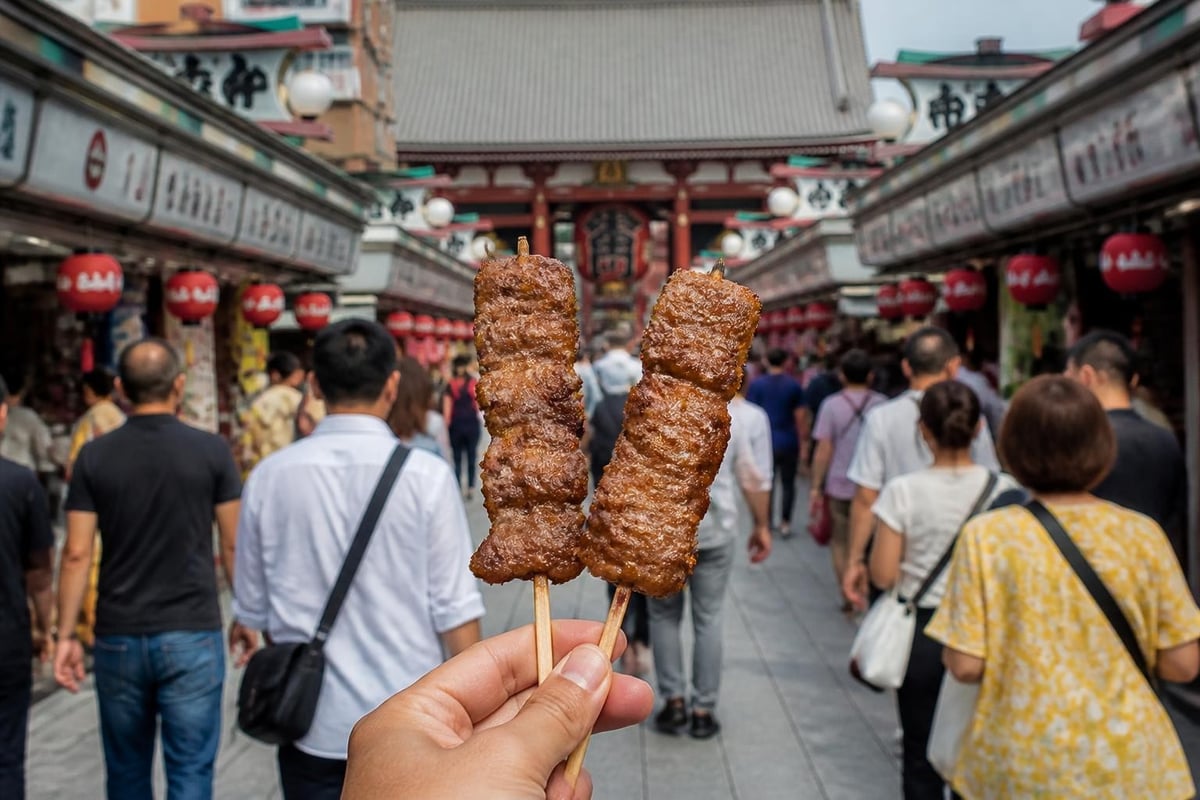
Beyond sit-down restaurants, Asakusa's street food culture has expanded to include halal options. The area near Senso-ji Temple, famous for Nakamise Shopping Street, now features vendors who understand Muslim dietary needs.
Street food near Senso-ji Temple offers a glimpse into traditional Japanese snacking culture. However, navigating these options requires knowledge and sometimes patience. Traditional favorites like takoyaki, yakisoba, and taiyaki typically contain ingredients that don't meet halal standards.
Verified Halal Street Vendors
The good news? Several vendors now proudly display halal certification. These stalls offer:
- Halal-certified yakitori using chicken from approved suppliers
- Muslim-friendly crepes with halal chocolate and fresh fruit
- Certified ice cream from halal dairy sources
- Traditional sweets made without animal-derived gelatin
Always look for certification displays and don't hesitate to ask vendors about their ingredients. Most certified vendors speak enough English to explain their halal status, and many carry certification documents they're happy to show customers.
Ramen Revolution: Halal Bowls in Historic Asakusa
Ramen represents the soul of Japanese comfort food. The rich broth simmered for hours, perfectly cooked noodles, and carefully arranged toppings create a bowl that warms both body and spirit. For years, this experience seemed out of reach for Muslim visitors since traditional ramen broth often contains pork and sake.
The landscape changed dramatically with establishments like Sankyu Halal Japanese Food. This restaurant demonstrates that authentic Japanese ramen can be both traditional and halal-certified, using chicken-based broths and carefully sourced ingredients that maintain the complex flavors ramen lovers expect.
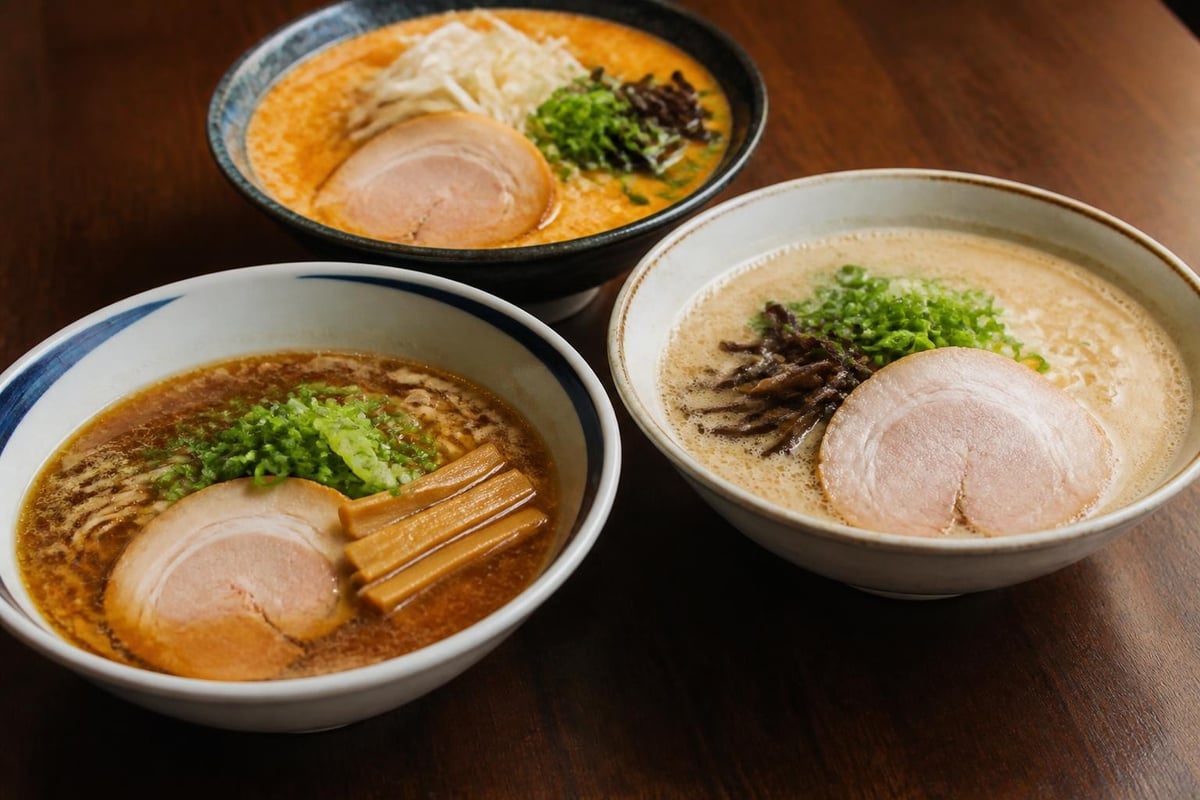
The Art of Halal Ramen Creation
Creating authentic-tasting ramen without traditional ingredients requires culinary innovation. Chefs spend months perfecting recipes that satisfy both halal requirements and Japanese taste expectations.
The broth becomes the foundation. Instead of pork bones, halal ramen masters use:
- Chicken carcasses simmered for 12-18 hours to extract deep umami flavors
- Kombu seaweed adding mineral notes and natural glutamates
- Shiitake mushrooms contributing earthy depth
- Onions and ginger building aromatic complexity
- Halal seasonings replacing sake and mirin while maintaining authentic taste profiles
The result tastes remarkably close to traditional ramen, sometimes so convincing that even Japanese locals express surprise when learning it's halal-certified.
Sushi and Sashimi: Fresh Fish the Halal Way
Sushi presents an interesting case in halal dining. Fish itself is generally permissible in Islamic dietary law, but preparation methods and accompanying ingredients require attention.
Rice seasoned with mirin (rice wine) creates the primary concern in traditional sushi. Halal-certified sushi restaurants in Asakusa address this by using alcohol-free seasoning alternatives that maintain the subtle sweetness and acidity that makes sushi rice distinctive.
Finding Authentic Halal Sushi
Not every sushi restaurant in Asakusa offers halal certification, but the options continue expanding. These establishments ensure:
- Alcohol-free rice seasoning using specially formulated vinegar blends
- Separate preparation areas preventing cross-contamination
- Verified soy sauce without alcohol additives
- Fresh wasabi prepared without additives
- Certified nori seaweed sheets from approved suppliers
The experience of sitting at a sushi counter, watching a skilled chef prepare each piece with precision, remains one of Japan's most memorable dining experiences. When Muslim travelers seek comprehensive guides to halal food experiences in Asakusa, sushi consistently ranks among the top three must-try foods.
Cultural Dining: Turkish and Middle Eastern Options
While exploring authentic Japanese cuisine tops most visitors' lists, sometimes familiar flavors from home provide welcome comfort. Asakusa's diversity extends to halal Turkish and Middle Eastern restaurants that serve Muslim travelers seeking variety.
Kebab shops dot the neighborhood, offering everything from classic doner wraps to full sit-down meals featuring grilled meats, hummus, and fresh bread. These establishments create gathering spaces where Muslim families feel completely at ease, with prayers spaces often available and staff who understand Islamic customs.
The blend of cultures in Asakusa creates unexpected moments. You might find yourself enjoying Turkish coffee while gazing at a five-story pagoda, or savoring falafel just steps from traditional Japanese gardens.
Shopping for Halal Ingredients and Groceries
Staying in Asakusa for an extended period? The area now features specialty shops stocking halal groceries, making self-catering possible for those with kitchen access or specific dietary needs.
Halal-Ya’s flagship store in Asakusa revolutionized halal shopping in the district. The store carries over 100 certified Japanese food items, from instant ramen to curry blocks, sauces, and snacks. This allows Muslim visitors to experience Japanese flavors even when cooking at home.
Essential Halal Shopping Stops
| Store Type | Offerings | Special Features |
|---|---|---|
| Halal Grocery Stores | Packaged foods, frozen meats, condiments | Prayer spaces, English-speaking staff |
| International Markets | Spices, rice, Middle Eastern products | Bulk buying options |
| Specialty Shops | Japanese halal snacks, sweets | Gift sets, souvenirs |
Having access to these resources means Muslim travelers can pack halal snacks for day trips, prepare simple meals to save money, or bring home authentic Japanese products as gifts for family and friends.
Planning Your Halal Food Journey in Asakusa
Strategic planning enhances any food adventure. Asakusa's compact layout makes it walkable, with most halal restaurants within 15 minutes of Senso-ji Temple. However, knowing a few insider tips makes the experience smoother.
Timing matters significantly. Many halal restaurants in Asakusa operate on limited hours, particularly for lunch service. Premium yakiniku establishments like Ninja Yakiniku often require reservations, especially during peak tourist seasons and weekends.
Creating Your Dining Schedule
Consider structuring your days around these patterns:
- Breakfast (7-9 AM): Limited halal options, grocery stores for supplies
- Lunch (11:30 AM-2 PM): Ramen shops, casual dining, moderate crowds
- Afternoon snacks (3-5 PM): Street food exploration, certified vendors near temple
- Dinner (6-9 PM): Premium experiences like yakiniku, reservations recommended
The beauty of asakusa halal food options lies in their proximity. You can literally map out a full day's eating itinerary without straying far from the main tourist areas.
Family-Friendly Dining Considerations
Traveling with children adds another layer of planning to any trip. Fortunately, many halal restaurants in Asakusa excel at accommodating families with thoughtful amenities and welcoming atmospheres.
Japanese hospitality, known as "omotenashi," extends to family dining. Restaurants provide:
- High chairs and booster seats readily available
- Children's utensils including training chopsticks
- Kid-friendly menu options with milder flavors
- Spacious seating areas allowing families to dine comfortably
- Patient staff understanding of children's needs
Yakiniku restaurants particularly suit families. The interactive nature of grilling meat engages children, turning dinner into entertainment. Parents appreciate that kids can eat at their own pace, grilling small portions as hunger strikes.
Solo Traveler's Guide to Asakusa Halal Food
Dining alone shouldn't mean missing out on amazing food experiences. Asakusa's halal restaurant scene welcomes solo travelers with open arms, understanding that many Muslim visitors explore Tokyo independently.
Counter seating at ramen shops provides the classic solo dining experience. You'll sit shoulder-to-shoulder with locals and fellow travelers, united in appreciation for a steaming bowl of noodles. The focused, quiet atmosphere suits those who prefer eating without conversation.
Making the Most of Solo Dining
Embrace lunch hours when restaurants are liveliest and you'll blend naturally into the crowd. Bring a phrasebook or translation app to navigate menus, though many halal establishments provide English translations understanding their international clientele.
Don't shy away from premium restaurants. Solo travelers often hesitate to book high-end yakiniku, assuming these spaces cater only to groups. Many restaurants welcome individuals, offering smaller portion sets perfect for one person.
The welcoming environment at Muslim-friendly establishments means solo travelers never feel awkward. Staff members often engage in friendly conversation, sharing recommendations and helping plan your broader Asakusa experience.
Beyond Food: Prayer Spaces and Muslim Amenities
A truly welcoming halal dining scene considers more than just food. Muslim travelers need spaces for prayer throughout their day, and Asakusa has responded with increasing prayer room availability.
Several restaurants now feature dedicated prayer spaces. These quiet rooms provide the necessary facilities for ablution and prayer, allowing visitors to maintain religious obligations while exploring the district.
Comprehensive resources listing mosques and prayer spaces help Muslims plan their days effectively. The Tokyo Camii Mosque, while not in immediate Asakusa, remains accessible for Friday prayers, and several smaller prayer rooms operate within walking distance of major halal restaurants.
Prayer Time Planning
Coordinating meals around prayer times creates a natural rhythm to your day:
- Start with Fajr prayer at your hotel or nearby mosque
- Explore Asakusa morning markets and temples
- Dhuhr prayer at restaurant prayer rooms during lunch
- Continue sightseeing through afternoon
- Asr prayer before dinner preparations
- Evening yakiniku or sushi experience
- Maghrib and Isha prayers before returning to accommodation
This structure ensures both spiritual and culinary needs receive attention, creating a balanced, fulfilling travel experience.
Seasonal Specialties and Limited-Time Offerings
Japanese cuisine celebrates seasons intensely, with ingredients and dishes rotating throughout the year. Asakusa halal food establishments embrace this tradition, offering seasonal menus that showcase the best of each period.
Spring (March-May) brings sakura-flavored desserts and fresh bamboo shoots. Halal restaurants incorporate these seasonal touches while maintaining certification standards. Cherry blossom viewing parties, called hanami, become even more special when paired with halal bento boxes from certified providers.
Summer (June-August) features cold ramen varieties and refreshing somen noodles. The intense Tokyo heat makes lighter, chilled dishes particularly appealing.
Autumn (September-November) showcases mushroom varieties, sweet potato dishes, and chestnuts. This season offers the richest flavors and most diverse ingredient selections.
Winter (December-February) brings hot pot dining and hearty stews. Halal sukiyaki and shabu-shabu restaurants see peak business as visitors seek warming meals.
Navigating Language Barriers and Menu Challenges
Even with the best intentions, language differences can create confusion when ordering food. Most halal-certified restaurants in Asakusa recognize this challenge and prepare accordingly.
Picture menus become your best friend. Restaurants catering to international visitors invest in photo-heavy menus showing each dish. This visual approach eliminates uncertainty, letting you point to exactly what appeals.
Translation apps bridge remaining gaps. Google Translate's camera function lets you photograph Japanese text and receive instant translations. While not perfect, it provides enough information to make informed choices.
Essential Japanese Food Terms
Learning a handful of key words empowers you during dining experiences:
- Halal (ハラール): Same in Japanese, widely recognized
- Niku (肉): Meat
- Tori (鶏): Chicken
- Gyu (牛): Beef
- Sakana (魚): Fish
- Yasai (野菜): Vegetables
- Oishii (美味しい): Delicious
Staff at halal restaurants typically speak functional English, but attempting a few Japanese words shows respect and often results in warmer service and helpful recommendations.
Cost Considerations and Budgeting for Halal Dining
Tokyo's reputation for expensive dining intimidates many travelers. While premium experiences certainly exist, asakusa halal food spans all price ranges, making it accessible regardless of budget.
Budget options (¥800-1,500 per meal) include ramen shops, street food vendors, and casual eateries. These establishments deliver authentic experiences without breaking the bank.
Mid-range dining (¥2,000-5,000) encompasses most sit-down restaurants offering full meals with multiple courses or specialty dishes.
Premium experiences (¥6,000-15,000+) feature high-end yakiniku with A5 wagyu, omakase-style sushi, and elaborate multi-course meals.
Getting Maximum Value
Smart travelers maximize their dining budget through several strategies:
- Lunch sets often cost 30-40% less than identical dinner offerings
- Happy hour specials at select restaurants reduce premium item prices
- Combination platters provide variety while controlling costs
- Sharing dishes family-style stretches budget further
The investment in quality halal food during your Asakusa visit pays dividends in memories. That perfectly grilled wagyu beef or expertly crafted ramen bowl becomes a highlight you'll recall for years.
Comparing Asakusa to Other Tokyo Halal Food Districts
While this article focuses on Asakusa, understanding how it compares to other Tokyo neighborhoods helps travelers make informed decisions about where to base themselves.
Shinjuku offers more halal restaurants overall but lacks Asakusa's traditional atmosphere. The modern, bustling environment suits business travelers but doesn't provide the cultural immersion Asakusa delivers.
Shibuya attracts younger crowds with trendy halal cafes and international fusion restaurants. However, authentic Japanese halal options remain limited compared to Asakusa's specialized offerings.
Ueno, neighboring Asakusa, features growing halal selections. The two districts complement each other well, easily visited during a single day.
| District | Halal Restaurants | Atmosphere | Traditional Culture | Tourist Infrastructure |
|---|---|---|---|---|
| Asakusa | 15-20+ | Historic, traditional | Excellent | Outstanding |
| Shinjuku | 25-30+ | Modern, busy | Limited | Good |
| Shibuya | 10-15 | Trendy, young | Minimal | Good |
| Ueno | 10-15 | Mixed | Good | Excellent |
Asakusa's unique combination of authentic culture, robust halal infrastructure, and concentrated tourist amenities makes it the ideal base for Muslim travelers seeking traditional Japanese experiences.
Making Reservations and Beating the Crowds
Popular halal restaurants in Asakusa, especially premium yakiniku establishments, book solid during peak seasons. Smart planning ensures you secure tables at your top choices.
Book directly when possible. While third-party reservation platforms offer convenience, calling restaurants or using their websites often provides more flexibility with special requests like prayer space access or dietary specifications.
Reserve at least 3-5 days ahead for weekend dinners and 1-2 days for weekday lunch. During major holidays (Golden Week, Obon, New Year's), extend this to 1-2 weeks minimum.
Be specific about group size since many Japanese restaurants configure seating around party size. Last-minute additions may prove impossible in compact dining spaces.
Walk-in Strategies
Spontaneous diners aren't entirely out of luck. Several tactics increase your chances of securing tables without reservations:
- Arrive at opening time (typically 11:30 AM for lunch, 5:30-6 PM for dinner)
- Visit on weekdays rather than weekends
- Accept counter seating when tables are full
- Check for cancellations by calling mid-afternoon
- Have backup restaurant options ready
The flexibility to pivot when first-choice restaurants are full transforms potential disappointment into opportunities for unexpected discoveries.
Connecting with Local Muslim Communities
Dining becomes richer when shared with others who understand your cultural background. Asakusa's halal restaurant scene serves as a natural gathering place for Tokyo's Muslim community and visiting travelers.
Friday prayers bring Muslim residents to area mosques, with many dining together afterward at halal restaurants. Visitors who time their Asakusa exploration around Jummah prayers often find themselves welcomed into these communal meals, exchanging stories and recommendations.
Social media groups dedicated to halal food in Tokyo facilitate connections before arrival. Facebook and WhatsApp communities share real-time updates about new restaurants, special events, and group dining opportunities.
The warmth extends beyond Muslim communities. Japanese restaurant owners often express deep appreciation for Muslim customers, recognizing the trust placed in their halal certification. These cross-cultural friendships enrich both parties, creating bridges of understanding through shared meals.
Special Dietary Requirements Within Halal Parameters
Halal certification addresses Islamic dietary law, but some travelers juggle additional restrictions. Asakusa restaurants increasingly accommodate overlapping requirements.
Allergies receive serious attention in Japanese dining culture. Inform staff about allergies when booking and again when ordering. Many restaurants maintain detailed ingredient lists and can modify dishes accordingly.
Vegetarian and vegan Muslims find growing options. Several halal restaurants offer vegetable-focused dishes, and the traditional Japanese cuisine's emphasis on vegetables, tofu, and rice provides natural foundations for plant-based eating.
Low-sodium or health-conscious diners can request adjustments. Japanese chefs pride themselves on customization, often happy to reduce salt, adjust cooking methods, or increase vegetable portions.
The intersection of halal requirements with other dietary needs occasionally limits options, but communication with restaurant staff usually yields workable solutions. The commitment to hospitality means chefs genuinely want to accommodate your needs.
Documenting and Sharing Your Halal Food Journey
Your Asakusa dining experiences deserve documentation, both for personal memories and to help future Muslim travelers. The global halal food community thrives on shared knowledge and recommendations.
Photography etiquette in Japanese restaurants requires awareness. Generally, food photos are acceptable and even expected at tourist-friendly establishments. However, photographing other diners or restaurant interiors without permission shows poor manners.
Before lifting your camera:
- Observe other diners' behavior as a guide
- Ask staff if uncertain about photography policies
- Focus on your own food rather than sweeping establishment shots
- Be discreet, avoiding flash and disruption
Sharing reviews through TripAdvisor, Google Maps, and halal-specific platforms like HalalTrip benefits fellow travelers. Detailed reviews mentioning specific dishes, pricing, prayer space availability, and English proficiency help others make informed decisions.
Social media posts tagged with #AsakusaHalalFood and #HalalJapan contribute to the broader conversation, showcasing Tokyo's growing halal infrastructure to Muslims worldwide contemplating visits.
Weekend vs. Weekday Dining Dynamics
Your choice of visit day significantly impacts the asakusa halal food experience. Understanding these patterns helps set appropriate expectations and plan accordingly.
Weekends bring domestic Japanese tourists and international visitors flooding Asakusa. Restaurants operate at capacity, wait times stretch longer, and the energetic atmosphere peaks. This bustle creates exciting people-watching opportunities but requires patience.
Weekdays, particularly Tuesday through Thursday, offer more relaxed experiences. You'll find shorter waits, more attentive service, and sometimes special weekday lunch promotions. The trade-off is fewer operating hours at some establishments and occasional midweek closures.
Mondays see many restaurants closed, following common Japanese business practice. Always verify operating days before planning Monday dining.
Optimal Visiting Patterns
For travelers with schedule flexibility, consider this approach:
- Weekend: Explore street food, casual quick meals, backup options
- Midweek: Book premium dining experiences requiring reservations
- Monday: Focus on sightseeing, use grocery stores for meals
- Tuesday-Thursday: Enjoy varied dining across price ranges
This rhythm maximizes your chances of experiencing top restaurants while avoiding the most intense crowds.
The Future of Halal Dining in Asakusa
Asakusa's halal food scene continues evolving rapidly. 2026 has already seen several new restaurant openings, and the trend shows no signs of slowing. As global travel returns to pre-pandemic levels and beyond, Tokyo recognizes the economic and cultural value of welcoming Muslim visitors.
Certification processes are becoming more streamlined, reducing the barriers for restaurants pursuing halal status. Industry organizations provide better support and education, making conversion more accessible to interested establishments.
Second-generation improvements appear as early halal pioneers expand or upgrade. Restaurants that opened five years ago with basic offerings now feature refined menus, expanded seating, and enhanced amenities like dedicated prayer rooms.
The integration goes deeper than surface-level accommodation. Japanese chefs genuinely study Islamic dietary requirements, seeking to understand not just the rules but the spiritual reasoning behind them. This respectful approach yields more thoughtful implementations rather than mere compliance.
Looking ahead, expect continued growth in variety and quality. The success of existing asakusa halal food establishments encourages both Japanese restaurateurs and international Muslim entrepreneurs to invest in this space, creating a virtuous cycle of improvement and expansion.
Asakusa's transformation into a halal-friendly dining destination proves that tradition and inclusivity can coexist beautifully. From premium wagyu experiences to humble bowl of ramen, Muslim travelers now enjoy authentic Japanese cuisine without compromise. When you're ready to experience the pinnacle of asakusa halal food, Ninja Yakiniku welcomes you to discover A5 wagyu and Iga beef prepared with both culinary excellence and complete halal certification, offering the perfect blend of Japanese tradition and Islamic dietary requirements in Asakusa's heart.