Imagine walking into a restaurant where the marbled, buttery slices of premium wagyu beef keep coming, plate after plate, until you're completely satisfied. This isn't a dream reserved for the ultra-wealthy anymore. The all you can eat wagyu trend has transformed how food lovers experience this legendary Japanese beef, making what was once an occasional splurge into an accessible adventure. I remember the first time I encountered this concept in Tokyo, watching families laugh together while grilling their own selections, solo travelers chatting with staff about the best cuts, and groups of friends celebrating milestones over sizzling grills. That experience changed everything I thought I knew about luxury dining.
Understanding the All You Can Eat Wagyu Phenomenon
The all you can eat wagyu model represents a fascinating shift in premium dining culture. Traditional wagyu experiences often meant ordering a single, precious portion that disappeared in moments, leaving diners both satisfied and wanting more. The buffet-style approach flips this script entirely.
What makes this dining format so compelling goes beyond simple economics. When restaurants offer unlimited wagyu, they're making a statement about accessibility and experience. You're no longer counting bites or calculating whether to order another portion. Instead, you're free to explore different cuts, cooking techniques, and flavor combinations without watching your budget evaporate.
The Quality Question Everyone Asks
Here's what I've learned from dining at dozens of these establishments: not all unlimited wagyu experiences are created equal. The quality spectrum ranges dramatically, and understanding what you're actually getting matters tremendously.
Key quality indicators to watch for:
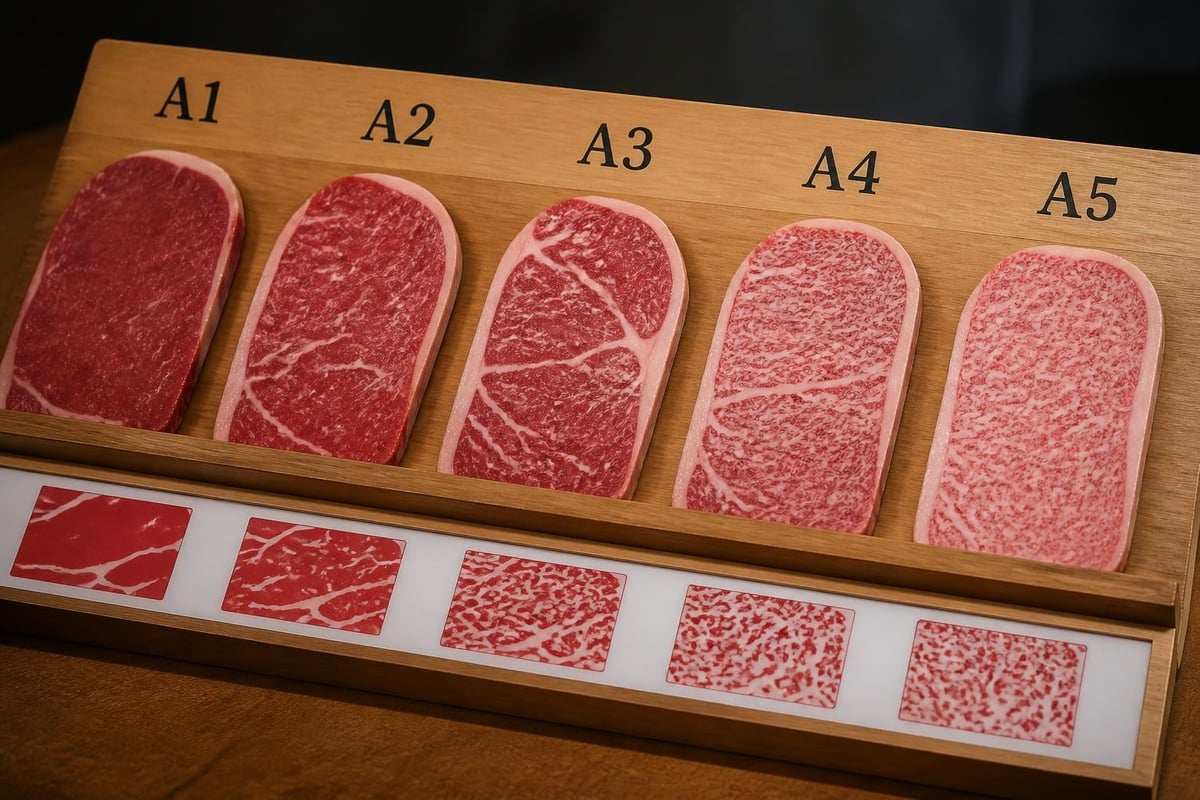
- Marble score transparency (restaurants should clearly state their beef grading)
- Origin certification (legitimate establishments provide provenance documentation)
- Cut variety (premium places offer multiple cuts, not just one standard option)
- Freshness protocols (how meat is stored and served)
- Halal certification (for Muslim diners seeking authentic, certified options)
The nutritional profile of wagyu beef differs significantly from conventional beef, with higher concentrations of monounsaturated fats and omega fatty acids. This matters when you're consuming multiple portions in one sitting.
What Actually Comes to Your Table
Walking into an all you can eat wagyu establishment, you'll typically encounter one of several service models. Understanding these formats helps set proper expectations and maximize your experience.
Service Styles and What They Mean
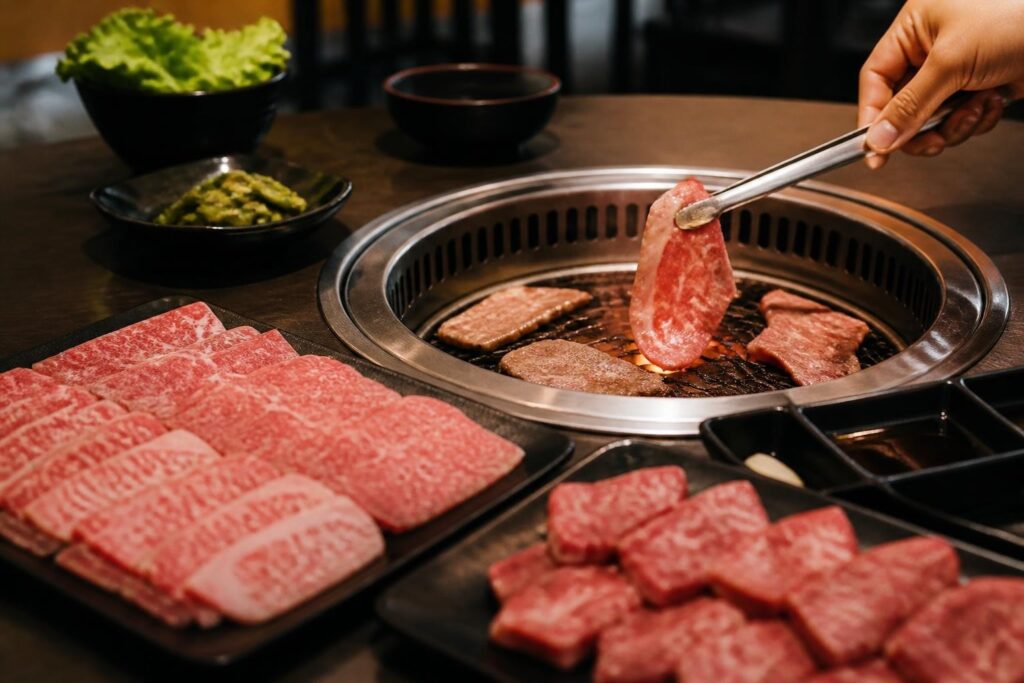
Table-side grilling (Yakiniku style):
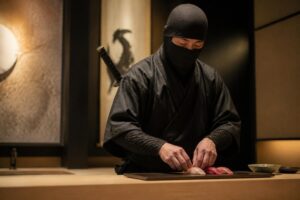
Each table features a built-in grill where you cook your selections exactly how you prefer. This interactive format is what makes Ninja Yakiniku so engaging, particularly for families and groups who enjoy the communal cooking experience.
Shabu-shabu approach:
Some venues like Shabu-Yo focus on hot pot preparations where thin-sliced wagyu gets briefly swished through boiling broth. This lighter preparation method lets you enjoy more volume without feeling overly heavy.
Hybrid models:
Progressive establishments combine multiple cooking methods, offering both grill and hot pot options within the same all you can eat wagyu package.
| Service Model | Cooking Method | Best For | Typical Duration |
|---|---|---|---|
| Yakiniku | Table grill | Groups, families | 90-120 minutes |
| Shabu-shabu | Hot pot | Health-conscious diners | 90 minutes |
| Hybrid | Multiple methods | Adventurous eaters | 120 minutes |
| Chef-prepared | Kitchen | Quick service | 60-90 minutes |
The Cut Selection Reality
Premium all you can eat wagyu venues distinguish themselves through cut variety. You might encounter:
- Karubi (short rib): Rich, heavily marbled, incredibly flavorful
- Rosu (ribeye/loin): Balanced fat distribution, tender texture
- Harami (skirt steak): Leaner option with robust beef flavor
- Tongue: Delicate, unique texture, often thinly sliced
- Special cuts: Premium establishments rotate seasonal selections
The variety matters more than you'd think. After your third plate of the same cut, flavor fatigue sets in. Restaurants that understand this provide diversity, encouraging you to explore rather than simply maximize quantity.
Navigating the Pricing Landscape in 2026
All you can eat wagyu pricing has evolved considerably since the trend gained momentum. Understanding what drives costs helps you identify genuine value versus marketing hype.
Current market rates in major cities typically range from $60 to $150 per person for 90 to 120 minutes of dining. These prices reflect several factors beyond just the beef itself.
What influences your final bill:
- Beef grade and origin (A5 Japanese wagyu costs significantly more than American wagyu)
- Time limits (longer sessions typically cost more)
- Side dish inclusion (some packages bundle vegetables, rice, and appetizers)
- Beverage options (drink packages can add $20-40 per person)
- Location and overhead (Tokyo establishments in tourist areas command premium prices)
The detailed nutritional breakdown of wagyu shows why restaurants can maintain profitability even with unlimited offerings. The rich fat content means diners reach satiation faster than with conventional beef.
Time Limits and House Rules
Every all you can eat wagyu venue implements policies designed to balance customer satisfaction with business sustainability. Understanding these unwritten rules enhances your experience.
Most establishments enforce 90 to 120-minute dining windows. This seems restrictive until you realize that few people can comfortably consume premium wagyu beyond this timeframe anyway. The rich marbling, while delicious, is genuinely filling.
Common house policies:
- Minimum ordering quantities per round (prevents waste)
- Last order calls (typically 20-30 minutes before time expires)
- No takeaway policies (prevents abuse)
- Plate clearing requirements (finish current portions before ordering more)
- Grilling assistance availability (staff help with cooking techniques)
Maximizing Your All You Can Eat Wagyu Experience
I've developed a strategy over dozens of these meals, learning from mistakes and discovering techniques that transform good experiences into exceptional ones. This isn't about gaming the system or stuffing yourself uncomfortably. It's about mindful enjoyment that respects both the food and your body.
The Opening Strategy
Your first order sets the tone for everything that follows. I always recommend starting with variety over volume. Order small portions of multiple cuts to understand what's available and what appeals to your palate.
Optimal first-round selections:
- One heavily marbled cut (karubi or premium ribeye)
- One leaner option (harami or tongue)
- Standard vegetable assortment (prevents palate fatigue)
- Light appetizer if included (soup or salad)
This approach accomplishes several goals simultaneously. You identify favorites worth reordering, establish pacing with kitchen staff, and avoid the common mistake of over-ordering unfamiliar cuts you might not enjoy.
The Middle Game
Once you've identified preferences, the middle phase focuses on enjoyment rather than experimentation. This is when you reorder favorites while maintaining variety.
Temperature management becomes crucial during this phase. Many diners make the mistake of constantly grilling at maximum heat, which burns delicate wagyu fat and creates acrid flavors. Premium establishments train staff to guide customers through proper grilling techniques.
Pro grilling techniques:
- High-grade wagyu: 15-20 seconds per side maximum
- Thicker cuts: Start edges-on to render fat, then quick sear on flat sides
- Leaner selections: Can handle slightly longer cooking without drying
- Vegetables: Use lower heat zones, grill alongside (not after) meat
The interactive nature of yakiniku-style all you can eat wagyu makes it perfect for creating shared experiences, which is why Ninja Yakiniku emphasizes the family-friendly aspects of this dining format.
The Closing Phase
As your time window narrows, strategic thinking prevents regrets. About 30 minutes before your session ends, assess what you haven't tried or what you'd like to enjoy once more.
This is when I typically order one perfect final round: my absolute favorite cut, prepared exactly how I prefer it, without rushing. That last bite should be memorable, not just another piece consumed out of obligation.
Health Considerations and Mindful Consumption
The all you can eat format can trigger overeating tendencies, but wagyu's unique characteristics actually promote natural moderation when you listen to your body.
Understanding Wagyu Nutrition
The comprehensive nutritional analysis reveals that wagyu contains higher percentages of unsaturated fats compared to conventional beef. A typical 3-ounce serving provides approximately 240-280 calories, with significant variation based on the specific cut and marble score.
| Nutritional Aspect | Wagyu Beef | Standard Beef | Key Difference |
|---|---|---|---|
| Calories (3 oz) | 240-280 | 180-220 | Higher fat content |
| Monounsaturated fat | 45-50% | 35-40% | Heart-healthier profile |
| Omega-3/Omega-6 ratio | Better balanced | Less favorable | Anti-inflammatory benefits |
| Protein | 18-22g | 22-26g | Slightly lower per oz |
The richness factor means most people naturally consume 6-12 ounces during an all you can eat wagyu session, compared to 16-24 ounces they might eat of conventional beef. Your body signals fullness more quickly.
Balancing Your Plate
Smart diners use the unlimited format as an opportunity for balanced exploration rather than pure meat consumption. The best experiences I've had incorporated generous vegetable portions, pickled items, and light broths alongside the wagyu.
Vegetables serve multiple purposes:
- Palate cleansing between different cuts
- Digestive support through fiber content
- Flavor contrast that makes meat taste even better
- Nutritional balance for a more complete meal
Japanese dining culture inherently understands these principles, which is why traditional yakiniku meals include banchan (small side dishes), kimchi, and fresh vegetables as integral components rather than afterthoughts.
Regional Variations and Global Adaptations
The all you can eat wagyu concept has spread globally, with each region adapting it to local preferences and cultural contexts. Understanding these variations helps you appreciate what makes each approach special.
Tokyo's Approach
In Tokyo, where Ninja Yakiniku operates, the emphasis falls on authentic preparation and cultural education. Staff take time explaining different cuts, proper grilling techniques, and traditional flavor pairings. The experience prioritizes quality and learning over pure consumption.
Halal-certified options remain relatively rare in Tokyo's competitive yakiniku scene, making establishments that offer this certification particularly valuable for Muslim travelers and families seeking authentic Japanese dining experiences without compromising their dietary requirements.
American Interpretations
American versions of all you can eat wagyu often emphasize portion size and variety over traditional preparation methods. Venues in California and major metropolitan areas typically feature American wagyu (crossbred cattle) rather than Japanese imports, creating different flavor profiles and price points.
The all-you-can-eat yakiniku experience in places like Milpitas showcases how American diners prefer more aggressive seasoning and faster-paced service compared to traditional Japanese approaches.
European Adaptations
European interpretations tend toward fusion concepts that blend yakiniku techniques with local culinary traditions. You'll find establishments offering wagyu alongside regional beef varieties, creating comparative tasting experiences.
The cultural appreciation for Matsusaka beef in France, for instance, demonstrates how different regions develop distinct relationships with premium Japanese beef based on their existing food culture.
Making the Right Restaurant Choice
With all you can eat wagyu options proliferating globally, selection criteria matter more than ever. The gap between exceptional experiences and disappointing ones can be vast, even at similar price points.
Red Flags to Watch For
Certain warning signs indicate you might not be getting authentic quality:
- Vague beef origin descriptions (no specific grading or sourcing information)
- Extremely low pricing (if it seems too good to be true, it probably is)
- Limited cut selection (one or two options suggests lower quality bulk purchasing)
- Poor ventilation (indicates lack of investment in proper infrastructure)
- Rushed service (suggests profit optimization over experience quality)
Legitimate establishments proudly display certification documentation, marble score information, and origin details. They understand that educated customers become repeat customers.
Green Flags Indicating Quality
Conversely, certain indicators suggest you've found a quality establishment:
Operational excellence markers:
- Staff trained in proper grilling techniques and cut explanations
- Clean, well-maintained grilling equipment at every table
- Frequent meat delivery (small batches maintaining freshness)
- Attentive service without hovering
- Clear communication about time limits and policies
- Legitimate certification displays (especially halal certification for Muslim diners)
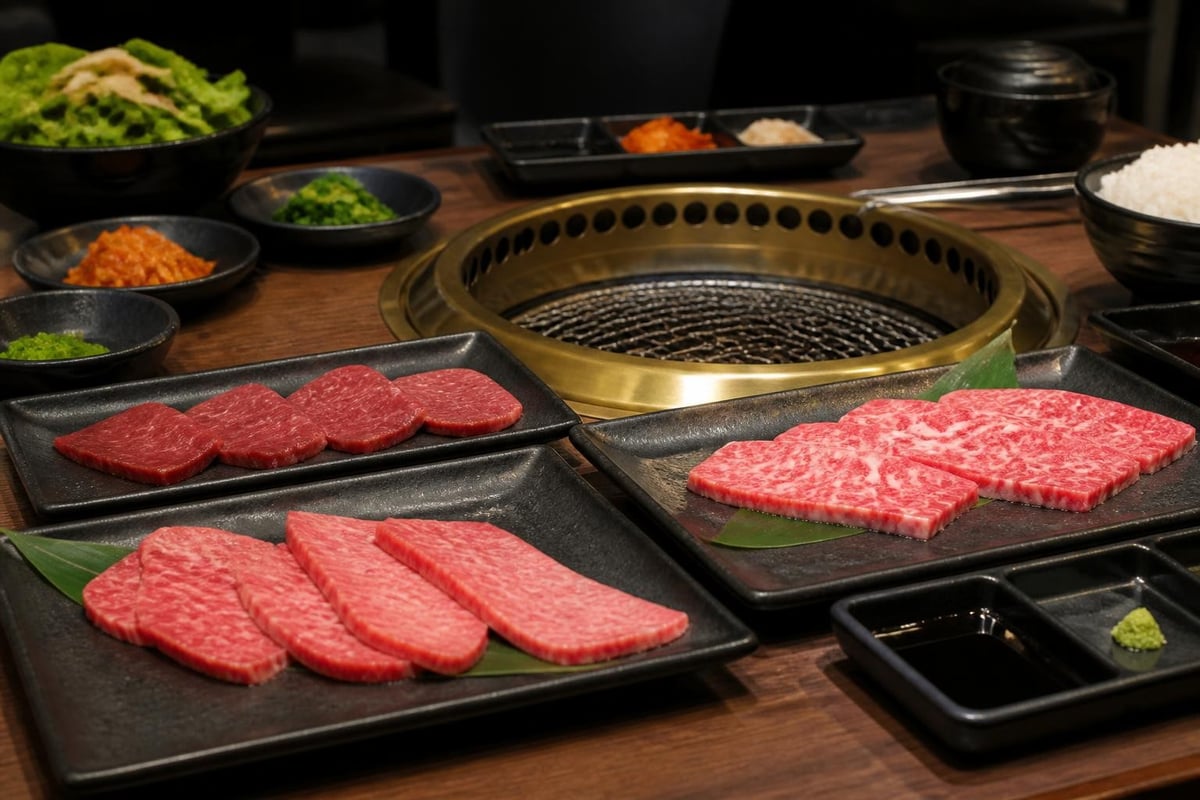
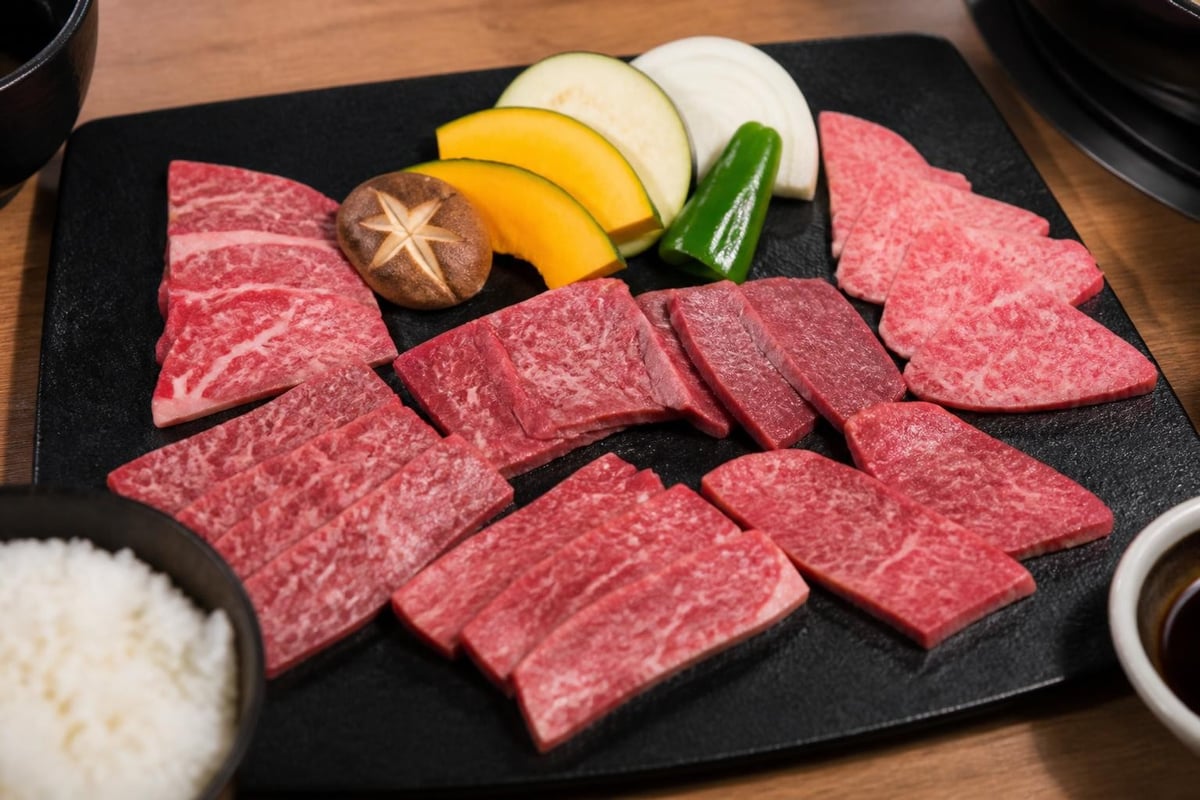
The visual documentation of quality all you can eat wagyu experiences provides helpful reference points for setting expectations before your visit.
Special Occasions and Group Dynamics
All you can eat wagyu dining creates memorable experiences for celebrations, but certain occasions suit this format better than others. Understanding these dynamics helps you plan appropriately.
Birthday Celebrations and Anniversaries
The interactive nature of yakiniku-style dining makes it inherently social and celebratory. Unlike traditional fine dining where conversation pauses for each course, the continuous cooking and eating create natural conversation flow.
Why celebrations work well:
- Shared activity (cooking together bonds people)
- Flexible pacing (no rushed courses or long waits)
- Variety accommodation (different preferences easily satisfied)
- Photo opportunities (interactive cooking is visually engaging)
- Value perception (guests appreciate the unlimited aspect)
I've witnessed countless birthday celebrations at yakiniku restaurants, and the format consistently generates energy and engagement that seated service sometimes lacks.
Solo Traveler Experiences
Surprisingly, all you can eat wagyu works exceptionally well for solo diners, particularly in Japanese establishments that embrace solo dining culture. The cooking activity provides something to do, making the experience feel less awkward than traditional solo fine dining.
Solo travelers often discover that staff interaction increases when dining alone, creating educational opportunities to learn about different cuts, regional variations, and preparation techniques. The family-friendly atmosphere at Ninja Yakiniku extends to welcoming solo travelers, ensuring everyone feels comfortable regardless of group size.
Business Dinners and Client Entertainment
The all you can eat wagyu format straddles an interesting line for business purposes. It's impressive enough to demonstrate generosity and appreciation, but informal enough to encourage genuine conversation rather than stuffy formality.
Consider your business culture before choosing this format. Some clients appreciate the novelty and interaction, while others might prefer traditional business dining settings.
The Future of All You Can Eat Wagyu
Looking ahead in 2026 and beyond, several trends are shaping how this dining format evolves. The industry is maturing beyond the initial novelty phase into more sophisticated, sustainable models.
Sustainability and Ethical Considerations
Consumer awareness about beef production's environmental impact is driving changes in how restaurants source and present wagyu. Forward-thinking establishments are emphasizing transparent sourcing, waste reduction, and sustainable farming partnerships.
The all you can eat model actually creates opportunities for sustainability:
- Precise inventory management (controlled portions reduce waste)
- Whole-animal utilization (various cuts get equal exposure)
- Educational programming (customers learn about responsible consumption)
Technology Integration
Ordering systems increasingly use tablet-based platforms that show real-time availability, provide cut descriptions with photos, and track your order history to prevent waste. Some establishments are experimenting with AI-powered recommendations based on your ordering patterns and preferences.
Hybrid Experiences
The line between all you can eat wagyu and premium à la carte dining is blurring. Some restaurants now offer tiered unlimited options where you pay different prices for access to different quality levels, creating middle-ground approaches that balance accessibility with premium positioning.
Understanding Value Beyond Price Per Pound
The true value calculation for all you can eat wagyu extends far beyond simple meat consumption economics. When I evaluate these experiences, I consider multiple dimensions simultaneously.
Value components to assess:
- Educational value (learning about cuts, preparation, Japanese food culture)
- Social experience (quality time with family, friends, or even yourself)
- Culinary exploration (trying cuts you'd never order individually)
- Cultural immersion (participating in authentic Japanese dining traditions)
- Memory creation (experiences that become stories you retell)
The unique characteristics of wagyu beef make each dining experience distinctly memorable compared to conventional beef experiences. That memorability has inherent value that pure quantity calculations miss entirely.
The Comparison Trap
I see people constantly trying to calculate whether they "ate enough" to justify the price. This misses the point entirely. You're not buying pounds of meat. You're buying an experience, an education, and a memory.
A quality all you can eat wagyu meal might involve consuming 8-10 ounces of premium beef alongside vegetables, rice, and accompaniments over two hours of enjoyable social time. That same amount purchased at a butcher shop would cost less, but you'd miss everything that makes the restaurant experience valuable.
Cultural Etiquette and Dining Customs
Respecting the cultural context of yakiniku dining enhances your experience and shows appreciation for the tradition you're participating in. These aren't rigid rules, but understanding them demonstrates thoughtfulness.
Japanese Dining Etiquette Basics
Key considerations:
- Chopstick placement: Rest them on provided holders, never stick them vertically in rice
- Grilling order: Cook vegetables and lighter items before heavily marbled cuts (prevents cross-contamination)
- Sharing culture: Place cooked items on small plates for others rather than eating directly from the grill
- Drinking customs: Pour for others rather than yourself when dining in groups
- Volume levels: Maintain moderate conversation volume (yakiniku is social but not boisterous)
These customs feel natural once you understand their purposes. They're designed to make communal dining more harmonious and enjoyable for everyone at the table.
Halal Certification Significance
For Muslim diners, halal certification represents much more than a dietary checkbox. It reflects a restaurant's commitment to inclusivity and cultural respect. The certification process involves rigorous standards covering sourcing, preparation, storage, and cross-contamination prevention.
When a Japanese yakiniku restaurant invests in halal certification, they're making a statement about welcoming diverse communities. This matters particularly in tourist-heavy areas where international visitors seek authentic experiences without compromising their religious requirements.
The all you can eat wagyu experience represents a unique intersection of culinary excellence, cultural tradition, and accessible luxury that continues evolving in fascinating directions. Whether you're seeking family bonding, solo exploration, or simply the pleasure of exceptional beef, this dining format offers something genuinely special. If you're planning a visit to Tokyo, Ninja Yakiniku in Asakusa provides an authentic, halal-certified yakiniku experience featuring premium A5 wagyu and Iga beef in a welcoming environment perfect for families, groups, or solo travelers looking to create memorable dining moments.