
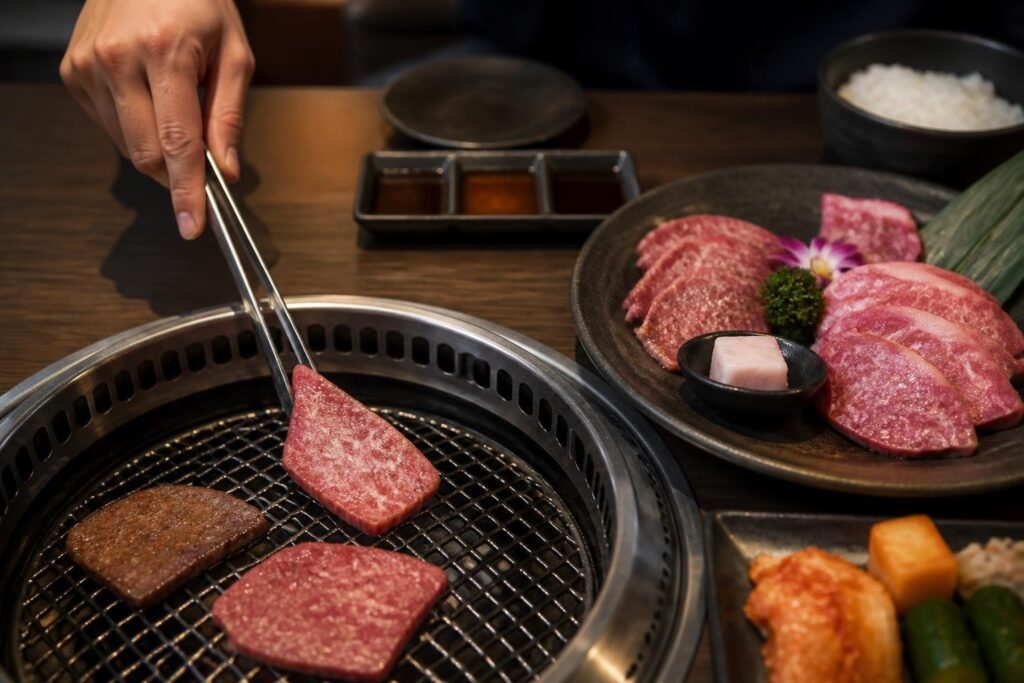
Walking through the streets of Tokyo's historic Asakusa district, the aroma of grilled wagyu beef drifts through the air like an invitation to something extraordinary. For centuries, Japan has perfected the art of raising cattle that produce the world's most sought-after beef, and experiencing this tradition at a wagyu japan restaurant isn't just about eating. It's about connecting with a culinary heritage that transforms simple ingredients into unforgettable moments. Whether you're a solo traveler seeking authentic flavors or a family looking to share a meal that bridges cultures, the world of Japanese wagyu restaurants offers something that transcends ordinary dining.
Understanding the Soul of Wagyu Dining
The term "wagyu" literally translates to "Japanese cow," but this simple definition barely scratches the surface of what makes these restaurants special. When you step into an authentic wagyu japan restaurant, you're entering a space where generations of knowledge meet modern hospitality. The cattle that produce this remarkable beef are raised with meticulous care, often receiving individual attention that rivals what you might see at a luxury spa.
The history and characteristics of Wagyu beef reveal a fascinating story of selective breeding, careful feeding programs, and cultural dedication. Farmers spend years perfecting their methods, ensuring each animal develops the intricate marbling that makes wagyu famous worldwide. This dedication doesn't end at the farm. Restaurant owners travel to specific regions, building relationships with producers who share their commitment to excellence.
The Grading System That Defines Excellence
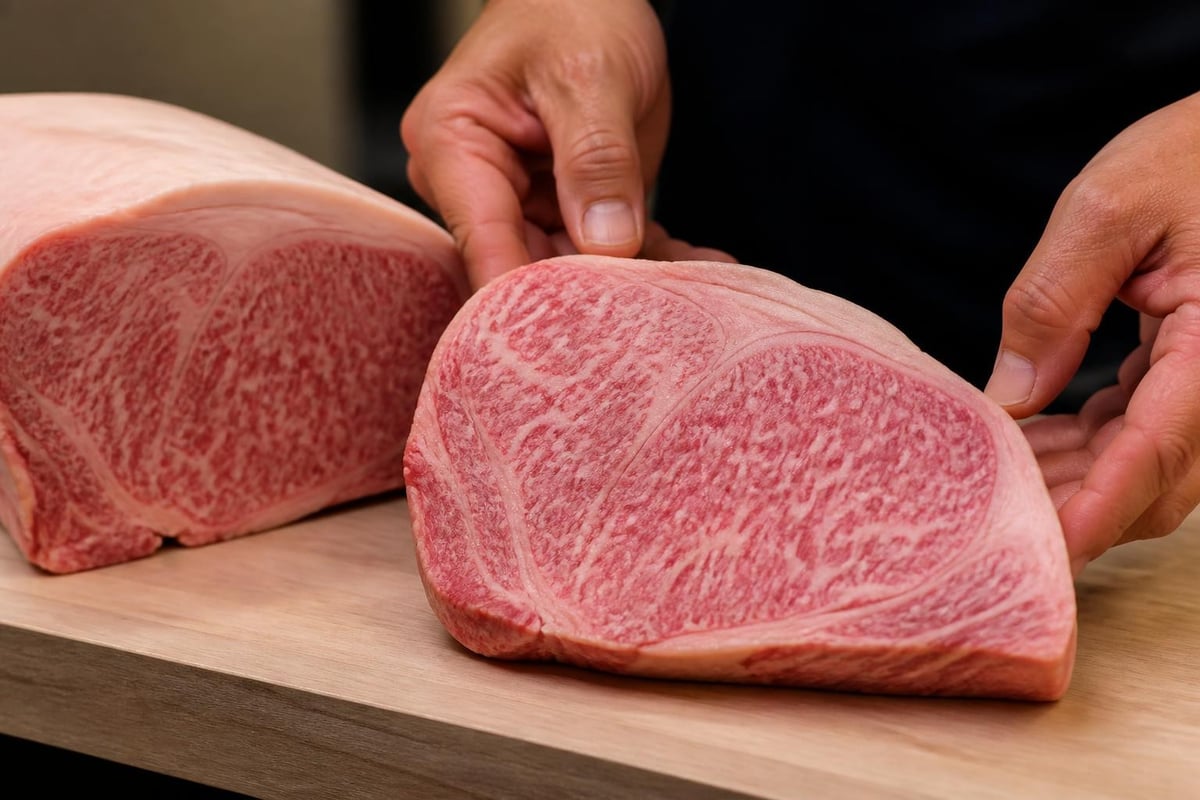
Japanese beef grading operates on a precise scale that might seem complex at first, but understanding it unlocks the secret to choosing your perfect dining experience. The system evaluates two main factors: yield grade (how much meat comes from the carcass) and quality grade (the marbling, color, firmness, and fat quality).
Quality grades range from 1 to 5:
- Grade 1: Minimal marbling, leaner cuts
- Grade 2: Below average marbling
- Grade 3: Average quality, standard restaurants
- Grade 4: High quality, premium establishments
- Grade 5: Exceptional marbling, top-tier restaurants
Yield grades use letters A, B, or C:
- A: Highest yield, maximum usable meat
- B: Standard yield, common in most restaurants
- C: Lower yield, less common in premium settings
When you see "A5" on a menu at a wagyu japan restaurant, you're looking at the pinnacle of Japanese beef grading. The marbling in these cuts creates a buttery texture that literally melts on your tongue, releasing flavors that can't be replicated anywhere else in the world.
Regional Varieties and Their Unique Stories
Japan's different prefectures produce distinctive wagyu varieties, each carrying the terroir of its homeland. Kobe beef might be the most famous internationally, but it's just one chapter in a much larger story. Matsusaka beef from Mie prefecture has developed a reputation for exceptional tenderness, with Matsusaka beef earning comparisons to foie gras for its melt-in-your-mouth quality.
Other notable varieties include Omi beef from Shiga prefecture, Japan's oldest beef brand with over 400 years of history, and Hida beef from Gifu prefecture, known for its delicate sweetness. Each region's cattle benefit from local climate conditions, water sources, and feeding practices that create subtle but distinctive flavor profiles.
Iga Beef: The Hidden Treasure
While many diners focus exclusively on the famous names, Iga beef represents a hidden gem in the wagyu world. Raised in the mountainous Iga region of Mie prefecture, these cattle graze in an environment rich with clean water and fresh air. The beef develops a perfect balance between marbling and lean meat, creating a flavor profile that's both rich and refined.
Restaurants specializing in Iga beef often source directly from local farms, maintaining relationships that ensure consistent quality and traceability. This connection between producer and restaurant creates trust that diners can taste in every bite.
The Yakiniku Experience: Grilling Your Own Story
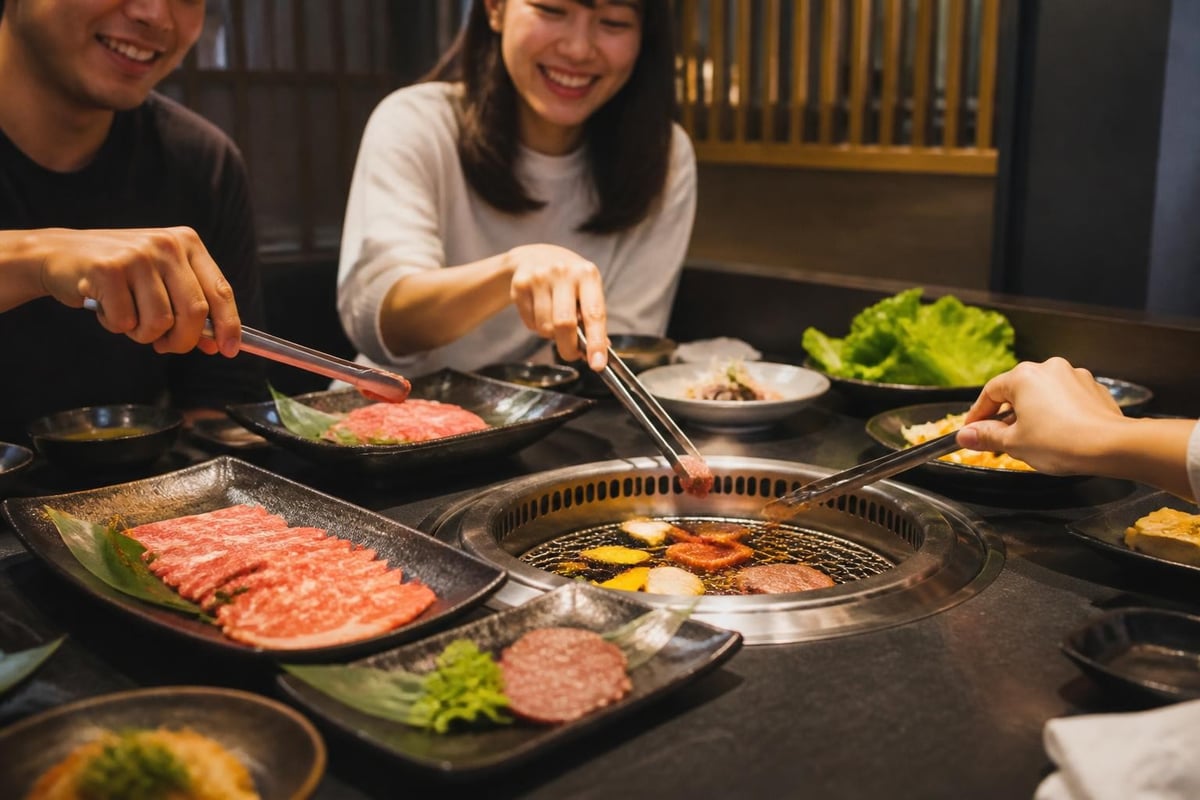
Yakiniku, the Japanese style of grilling meat at your table, transforms dining into an interactive performance where you're both chef and audience. At a wagyu japan restaurant offering yakiniku, you control the cooking process, learning through experience how different cuts respond to heat and timing. The grill becomes your canvas, and the wagyu is your medium.
Essential yakiniku cuts you'll encounter:
- Karubi (short ribs): Rich, well-marbled, perfect for beginners
- Rosu (ribeye): Balanced marbling, versatile cooking
- Harami (skirt steak): Tender, slightly chewy, full flavor
- Tan (tongue): Crisp exterior, soft interior when sliced thin
- Misuji (top blade): Extremely tender, limited quantity per cow
The ritual of yakiniku connects you directly to your food. You watch the fat begin to render, see the meat change color, and smell the caramelization happening right before you. It's meditation disguised as dinner, a practice that slows you down in the best possible way.
| Cut Name | Best Cooking Time | Ideal Temperature | Flavor Profile |
|---|---|---|---|
| Karubi | 30-40 seconds per side | High heat | Rich, beefy, intense |
| Rosu | 45-60 seconds per side | Medium-high | Balanced, classic |
| Harami | 20-30 seconds per side | High heat | Bold, slightly sweet |
| Tan | 15-20 seconds per side | High heat | Light, crisp texture |
| Misuji | 30-40 seconds per side | Medium heat | Delicate, buttery |
Halal Certification: Opening Doors to Global Diners
The intersection of traditional Japanese wagyu restaurants and halal certification represents a beautiful evolution in culinary accessibility. For Muslim travelers and diners who observe halal dietary requirements, finding authentic wagyu experiences once meant compromising or missing out entirely. Today, forward-thinking restaurants are changing that narrative.
Obtaining halal certification requires comprehensive commitment. Every ingredient must be verified, preparation spaces need separation from non-halal items, and staff require training in halal protocols. For a wagyu japan restaurant to achieve this certification demonstrates respect for diverse communities and dedication to inclusive hospitality.
The Halal Certification Process
Steps restaurants take to become halal-certified:
- Source only halal-certified wagyu and ingredients
- Establish separate preparation and cooking areas
- Train all staff in halal handling procedures
- Submit to regular inspections by certification bodies
- Maintain detailed documentation of suppliers and processes
- Display certification prominently for diner confidence
This process isn't just about following rules. It's about building trust with communities who previously couldn't experience authentic Japanese wagyu dining. When families can gather together, or solo travelers can explore Tokyo's culinary scene without dietary concerns, food becomes what it's meant to be: a universal language of connection.
Tokyo's Wagyu Restaurant Landscape
Tokyo's dining scene includes everything from tiny six-seat establishments to grand restaurants with views of the city skyline. Each neighborhood offers different expressions of the wagyu japan restaurant concept. Ginza, the upscale shopping district, houses establishments like kaiseki restaurants highlighting Japanese Wagyu beef prepared with traditional techniques that emphasize the meat's natural umami.
Asakusa, with its historic temples and traditional atmosphere, provides a different context for wagyu dining. Here, restaurants blend the old and new, offering premium beef in settings that honor Tokyo's past while embracing contemporary hospitality standards. The neighborhood's mix of international visitors and local residents creates an environment where restaurants must excel at both authenticity and accessibility.
Finding Your Perfect Restaurant Match
Different wagyu japan restaurant styles serve different needs and preferences. Understanding these distinctions helps you choose the right experience for your occasion.
| Restaurant Style | Atmosphere | Price Range | Best For |
|---|---|---|---|
| Traditional Yakiniku | Interactive, casual | Moderate to high | Groups, hands-on dining |
| Kaiseki with Wagyu | Formal, artistic | High to very high | Special occasions, cultural immersion |
| Teppanyaki | Performance-focused | High | Entertainment seekers, dates |
| All-You-Can-Eat | Casual, energetic | Moderate | Large appetites, variety seekers |
| Counter-Style | Intimate, educational | Moderate to high | Solo diners, learning experience |
Some establishments, like hidden gem yakiniku restaurants, focus on creating an entire atmospheric experience where entertainment and food merge seamlessly. These venues understand that dining out isn't just about nutrients or even just about taste. It's about creating memories that last long after you've finished your meal.
The Family-Friendly Wagyu Experience
Many people assume that high-quality wagyu restaurants cater exclusively to business dinners or romantic dates, but family-friendly wagyu japan restaurant options are increasingly common. Children develop sophisticated palates when introduced to quality ingredients in welcoming environments, and sharing a yakiniku meal creates opportunities for interaction that traditional dining styles don't provide.
Benefits of yakiniku for families:
- Children can participate in cooking their own food
- Visual engagement keeps young diners interested
- Variety of cuts and cooking styles accommodates different preferences
- Shared grilling creates conversation and bonding
- Teaches patience and appreciation for cooking process
Restaurant owners who welcome families often provide subtle accommodations like booster seats, kid-friendly utensils, and menu guidance for younger palates. The interactive nature of yakiniku naturally engages children, turning dinner into an educational experience disguised as entertainment.
Solo Travel and the Wagyu Journey
Traveling alone through Japan offers unique freedoms, but dining solo can sometimes feel intimidating, especially at restaurants serving premium ingredients. Progressive wagyu japan restaurant establishments recognize solo travelers as valuable guests who deserve the same exceptional experience as larger groups.
Counter seating arrangements work particularly well for individuals, creating opportunities to watch chefs work while enjoying conversation or quiet reflection. Some restaurants design their spaces specifically to make solo diners comfortable, with individual grills, privacy screens, or communal tables where connections happen naturally.
Advantages of solo dining at wagyu restaurants:
- Freedom to order exactly what you want without compromise
- Easier to secure reservations at popular establishments
- More attentive service and educational interaction with staff
- Flexibility to eat at your own pace
- Opportunity to focus completely on flavors and textures
The welcome solo travelers receive at quality establishments reflects broader Japanese hospitality culture, where every guest receives respect regardless of party size or spending level.
Sustainable Practices in Modern Wagyu Restaurants
Contemporary diners increasingly care about where their food comes from and how it's produced. Research into sustainable practices within the wagyu industry shows growing attention to animal welfare and environmental impact. Forward-thinking wagyu japan restaurant operators recognize that premium quality and ethical practices aren't mutually exclusive.
Transparency and Traceability
Many restaurants now provide detailed information about their beef sources, including:
- Farm locations and breeding programs
- Feeding practices and environmental conditions
- Age and breed specifics of cattle
- Processing and transportation methods
- Certifications beyond just quality grading
This transparency builds trust and allows diners to make informed choices aligned with their values. When you can trace your wagyu back to specific farms and farmers, the connection between plate and pasture becomes tangible.
The Global Rise of Japanese Wagyu Culture
Japanese Wagyu’s global acclaim continues growing, but experiencing it in Japan offers something international restaurants can't replicate. The combination of authentic preparation methods, cultural context, and proximity to sources creates an experience that feels complete in a way that overseas interpretations rarely achieve.
International demand has also created challenges and opportunities. Some wagyu is now raised outside Japan using Japanese cattle genetics, creating debates about authenticity and naming rights. True Japanese wagyu, raised entirely in Japan following traditional methods, maintains distinctive characteristics that experts can identify in blind tastings.
Navigating Menus and Making Selections
Walking into a wagyu japan restaurant for the first time can feel overwhelming. Menus may feature unfamiliar terms, and prices can seem surprisingly varied for what appears to be similar cuts. Understanding a few key concepts helps you navigate with confidence.
Menu terminology you'll commonly encounter:
- Omakase: Chef's choice, letting experts select your meal
- Course (コース): Fixed multi-course meal at set price
- A la carte: Individual items ordered separately
- Nami (並): Regular portion size
- Oomori (大盛り): Large portion, more meat
- Assorted plate (盛り合わせ): Variety selection, great for trying multiple cuts
Price differences often reflect the specific cut's rarity more than quality. A less expensive cut from an A5 wagyu cow can deliver extraordinary flavor, especially when you understand how to cook it properly. Don't assume the most expensive option is automatically the best choice for your preferences.
Pairing and Accompaniments
While wagyu is the star at any wagyu japan restaurant, the supporting cast of sides, sauces, and beverages plays crucial roles in creating a balanced meal. Traditional yakiniku restaurants offer various dipping sauces, each designed to complement different cuts and cooking styles.
Classic yakiniku sauces:
- Tare (sweet soy-based): Rich, slightly sweet, works with most cuts
- Ponzu (citrus soy): Light, acidic, perfect for fatty cuts
- Salt and lemon: Simple, clean, highlights beef's natural flavor
- Miso-based: Earthy, complex, pairs well with offal
- Spicy variations: Heat that cuts through richness
Rice serves as more than just a side dish. It provides textural contrast and helps cleanse your palate between different cuts. Some diners save their rice for the end, using it to soak up remaining sauces and beef juices in a final, satisfying bite.
| Beverage Type | Why It Works | Best Paired With |
|---|---|---|
| Green tea | Cleanses palate, aids digestion | All courses, especially fatty cuts |
| Beer | Carbonation cuts richness | Karubi, heavily marbled selections |
| Sake | Complements umami, enhances sweetness | Lean cuts, tongue, special preparations |
| Red wine | Tannins balance fat | Thicker cuts, ribeye, sirloin |
| Oolong tea | Refreshing, traditional | Throughout meal, digestive aid |
The Art of Timing and Temperature
Success at yakiniku-style wagyu japan restaurant dining comes down to understanding heat and time. The high fat content in premium wagyu means it cooks faster than regular beef, and the difference between perfect and overcooked can be just seconds.
Visual cues for doneness:
- Surface moisture beginning to bead: almost ready to flip
- Color change from red to pink: approaching medium-rare
- Fat becoming translucent: optimal for fatty cuts
- Edges beginning to crisp: maximum flavor development
- Steam rising steadily: internal temperature climbing
Don't be afraid to ask staff for guidance, especially on your first visit. Experienced servers can demonstrate proper techniques and timing, transforming your meal from good to extraordinary through small adjustments in your grilling approach.
Special Occasions and Celebration Dining
Certain moments in life deserve exceptional settings, and a premium wagyu japan restaurant provides the perfect backdrop for celebrations. Whether marking business achievements, anniversaries, or personal milestones, the combination of luxury ingredients and attentive service creates an atmosphere that elevates any occasion.
Many restaurants offer private rooms or semi-private spaces for groups, allowing celebrations to unfold with privacy while maintaining access to full restaurant amenities. Some establishments create custom menus for special events, working with guests to design experiences that match their specific preferences and dietary requirements.
The theatrical element of yakiniku and teppanyaki presentations adds entertainment value that makes celebrations feel more festive. Watching skilled chefs work or participating in grilling your own wagyu creates shared experiences that become part of your celebration's story.
Cultural Etiquette and Dining Customs
Understanding basic Japanese dining etiquette enhances your wagyu japan restaurant experience and shows respect for the culture you're engaging with. Most staff at restaurants frequented by international visitors are understanding of cultural differences, but making an effort demonstrates appreciation.
Essential etiquette points:
- Say "itadakimasu" before beginning your meal (expression of gratitude)
- Don't stick chopsticks vertically in rice (funeral association)
- Use the opposite end of chopsticks when taking food from shared plates
- Finish your rice completely (leaving rice is considered wasteful)
- Say "gochisousama deshita" after finishing (thanks for the meal)
- Avoid passing food chopstick-to-chopstick (funeral ritual)
- Don't point with chopsticks or wave them around
Tipping isn't customary in Japan and can actually cause confusion or offense. Service charges, if any, are included in your bill. The pride staff take in their work is its own reward, and exceptional service is considered standard rather than something requiring additional payment.
Making Reservations and Planning Your Visit
Popular wagyu japan restaurant establishments often require advance reservations, especially for dinner service. Some exclusive venues book weeks or even months ahead, particularly during peak tourist seasons or holiday periods. Making reservations also allows restaurants to prepare for dietary requirements, including halal needs.
Reservation tips for success:
- Book as far in advance as possible for popular times
- Clearly communicate any dietary restrictions or requirements
- Specify if you're celebrating a special occasion
- Confirm halal certification if required for your dietary needs
- Ask about private rooms for larger groups
- Inquire about course menus versus a la carte options
Many restaurants now offer online reservation systems with English interfaces, making the booking process accessible to international visitors. Some use third-party platforms that provide additional language support and detailed restaurant information.
The Health Perspective on Wagyu Consumption
Despite its rich reputation, wagyu consumed in moderation can fit into a balanced diet. The fat in wagyu contains higher proportions of monounsaturated fatty acids compared to regular beef, particularly oleic acid, the same heart-healthy fat found in olive oil. This doesn't mean wagyu is a health food, but it does mean the nutritional profile is more complex than simple saturated fat.
Traditional Japanese portion sizes at wagyu japan restaurant settings tend to be smaller than Western steakhouse servings, naturally encouraging moderation. The yakiniku style of eating, with its variety of small cuts and shared grilling experience, promotes slower eating and better awareness of fullness signals.
Nutritional considerations:
- Higher in calories due to marbling density
- Rich in B vitamins, particularly B12
- Good source of iron and zinc
- Contains conjugated linoleic acid (CLA)
- Protein content comparable to other beef types
Balancing wagyu with vegetables, rice, and other accompaniments creates a more complete nutritional profile while also enhancing the overall dining experience through varied textures and flavors.
Beyond Tokyo: Regional Wagyu Experiences
While Tokyo offers incredible wagyu japan restaurant options, venturing into other regions provides opportunities to taste wagyu closer to its source. Visiting beef-producing prefectures allows you to experience the connection between terroir and flavor more directly.
Kobe in Hyogo prefecture, Matsusaka in Mie prefecture, and Takayama in Gifu prefecture all offer restaurants where local wagyu varieties take center stage. These regional establishments often feature unique preparation methods and local ingredients that create distinct dining experiences you won't find in Tokyo.
The travel experience of seeking out these regional spots adds adventure to gastronomy, transforming a meal into a journey of discovery. Local restaurants in beef-producing regions frequently offer better value than Tokyo establishments while maintaining exceptional quality, as they're closer to sources and face less metropolitan overhead.
The Future of Wagyu Dining
Innovation continues shaping the wagyu japan restaurant landscape. Some establishments experiment with fusion approaches, incorporating wagyu into non-traditional formats while maintaining respect for the ingredient's quality. Others double down on tradition, perfecting classical techniques and presentations.
Technology integration is growing, with some restaurants using precise temperature-controlled grills, digital menu systems with detailed cut explanations, and reservation platforms that remember guest preferences. However, the core experience remains fundamentally human: the connection between diner, food, and the people who prepared it.
Sustainability concerns are driving changes in breeding, feeding, and processing practices. As consumers become more environmentally conscious, restaurants that can demonstrate sustainable sourcing and ethical practices may find competitive advantages. The challenge lies in maintaining the quality standards that define premium wagyu while adapting to modern environmental and ethical expectations.
The world of wagyu japan restaurant dining represents more than just premium beef. It's a gateway into Japanese culinary culture, agricultural heritage, and hospitality traditions that have developed over centuries. Whether you're seeking halal-certified options for dietary observance or simply want to experience authentic Japanese yakiniku in a welcoming environment, Ninja Yakiniku in Asakusa offers the perfect combination of quality, accessibility, and cultural authenticity. With A5 wagyu, Iga beef, and a family-friendly atmosphere that welcomes everyone from solo travelers to large groups, your journey into authentic Japanese wagyu dining starts here.