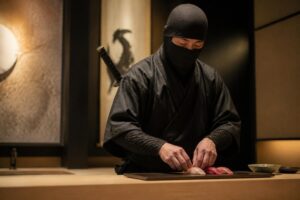
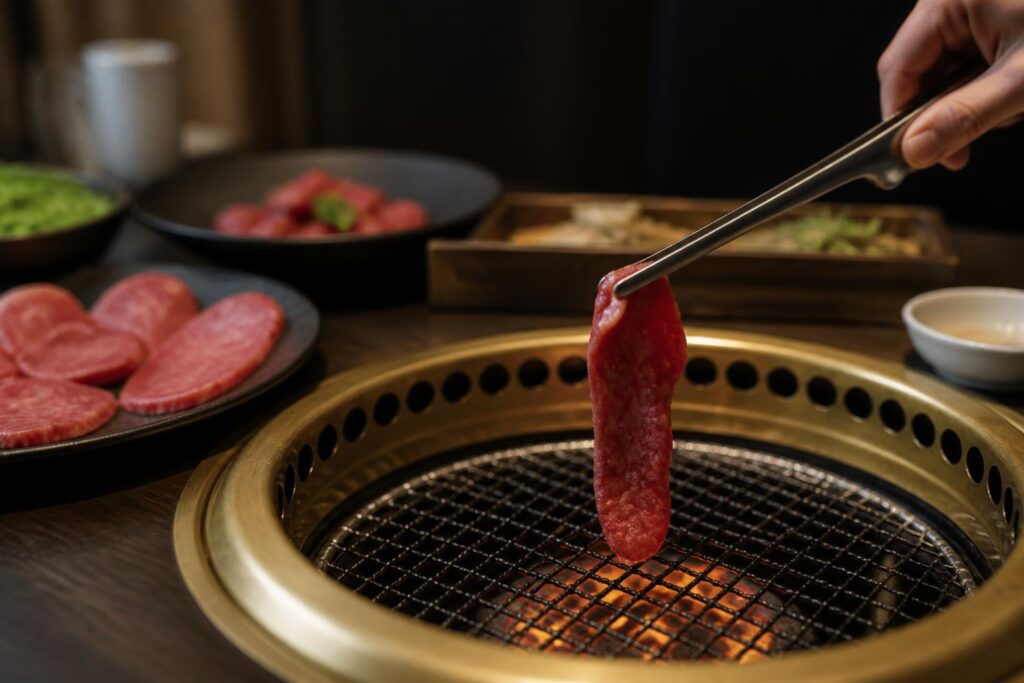
The sizzle of premium meat hitting a hot grill transcends cultural boundaries, but for Muslim diners worldwide, that experience must align with their faith. The world of bbq halal has exploded beyond simple compliance into a celebration of flavor, technique, and community that rivals any barbecue tradition. From Texas smokehouses to Tokyo yakiniku restaurants, halal-certified grilling has carved out its place in the global culinary landscape, proving that dietary requirements never mean compromising on taste or quality.
The Foundation of BBQ Halal Excellence
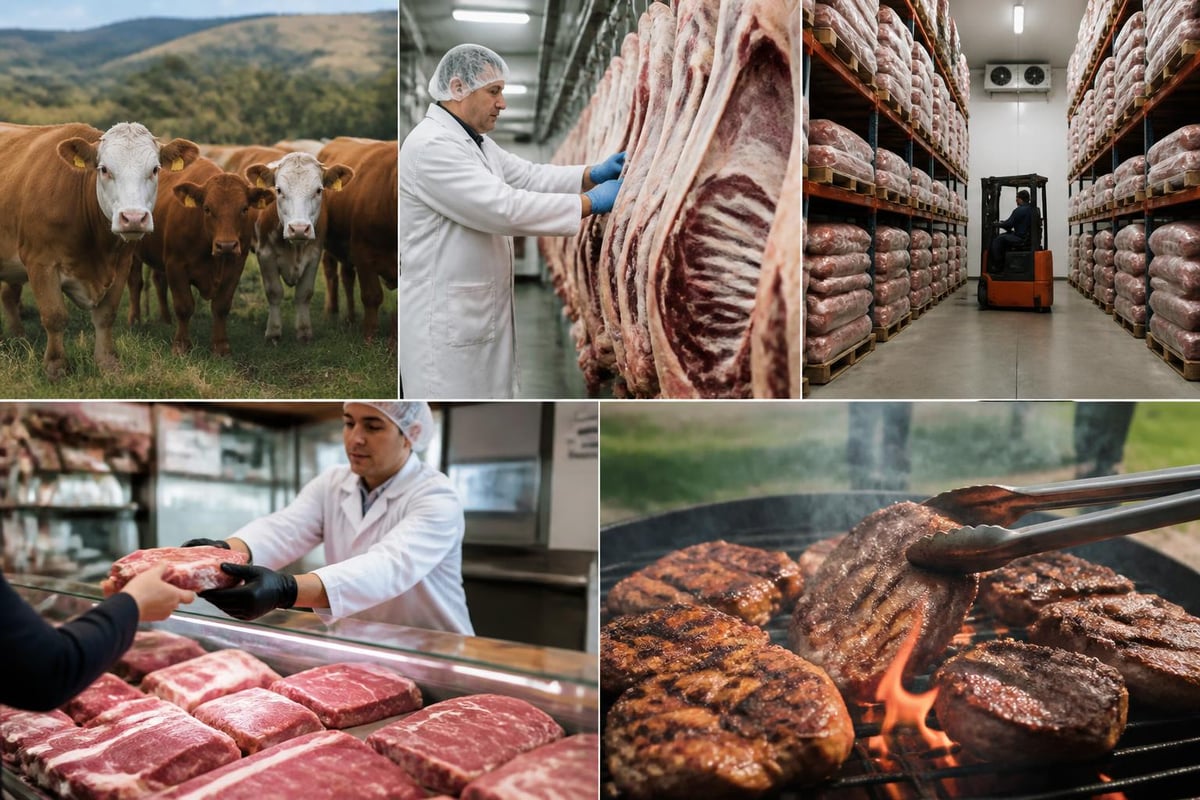
Understanding what makes barbecue truly halal goes far beyond simply avoiding pork. The entire journey from farm to flame matters in creating an authentic bbq halal experience.
Islamic dietary laws require specific considerations that shape every aspect of preparation. The animal must be healthy at the time of slaughter, handled by a Muslim who invokes Allah's name during the process, and bled completely to remove all blood. This attention to detail doesn't end at slaughter. Cross-contamination prevention becomes crucial in any grilling environment.
Meat Selection and Sourcing
Premium halal meats form the cornerstone of exceptional barbecue. The best bbq halal establishments prioritize:
- A5 Wagyu beef from certified halal farms
- Grass-fed lamb with complete traceability
- Organic chicken processed at halal-certified facilities
- Specialty cuts like ribeye, short ribs, and brisket
- Game meats such as venison when properly sourced
The certification process itself tells a story. Every cut served at a legitimate halal barbecue venue carries documentation proving its origins. This transparency builds trust with diners who need absolute certainty about their food's preparation.
Traditional BBQ Halal Techniques Meet Modern Innovation
The marriage of time-honored barbecue methods with halal requirements creates unique challenges and opportunities. Pitmasters and grill chefs worldwide have developed techniques that honor both tradition and faith.
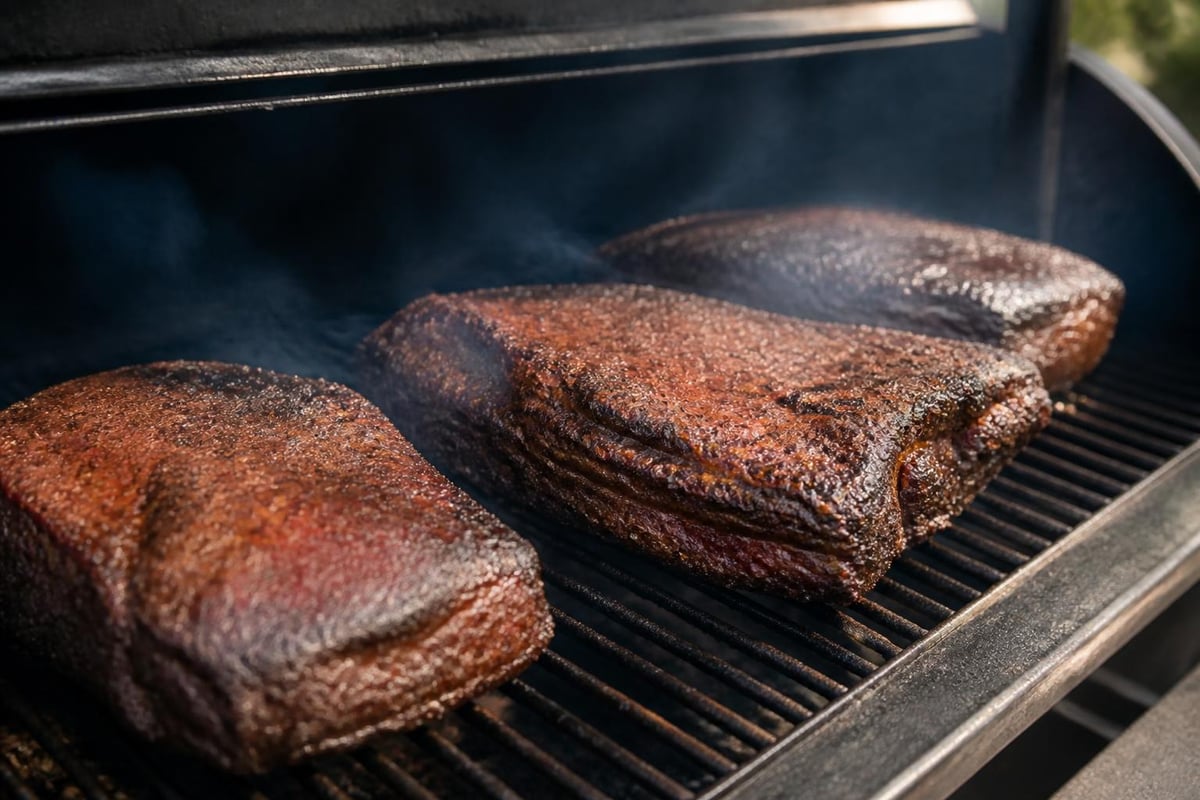
Low and slow smoking has become a hallmark of American halal barbecue. Halal barbecue restaurants across Texas have proven that brisket, ribs, and sausages can achieve championship-level flavor while maintaining strict halal standards. The key lies in dedicated equipment and meticulous cleaning protocols.
Equipment and Preparation Standards
| Equipment Type | Halal Requirement | Quality Impact |
|---|---|---|
| Grills/Smokers | Dedicated halal use only | Prevents cross-contamination |
| Cutting boards | Color-coded separation | Ensures food safety |
| Utensils | Never used for non-halal | Maintains certification |
| Storage | Separate refrigeration | Preserves integrity |
Japanese yakiniku brings a different approach to bbq halal dining. The interactive, table-side grilling method puts control in diners' hands, creating transparency that reassures those concerned about preparation methods. Each piece of meat arrives unmarinated, allowing guests to witness its quality firsthand before it touches the flame.
The beauty of yakiniku lies in its simplicity. Premium cuts like A5 Wagyu need minimal intervention. A light brush of tare sauce, seconds over high heat, and the meat speaks for itself. This philosophy aligns perfectly with halal principles that emphasize purity and cleanliness.
Regional BBQ Halal Styles Worth Exploring
The global bbq halal scene has developed distinct regional personalities, each bringing cultural influences to the grill.
American Halal Barbecue
Texas-style halal barbecue has emerged as a powerhouse category. Restaurants like those featured in guides to halal barbecue demonstrate how traditional smoking techniques translate beautifully to halal preparation. Beef brisket becomes the star when pork ribs aren't an option, and creative pitmasters have elevated it to an art form.
The DMV area's contribution to halal barbecue deserves recognition. Establishments have perfected the balance between authentic American smokehouse flavor and Islamic dietary requirements. Their signature sides and house-made sauces prove that creativity flourishes within constraints.
Mediterranean and Middle Eastern Influences
Levant BBQ’s approach showcases how Mediterranean spices and Texas techniques create something entirely new. Slow-smoked brisket seasoned with Aleppo pepper and sumac tells a story of cultural fusion. Lamb shoulder rubbed with za'atar and smoked over oak wood bridges continents.
Indo-Pak halal barbecue brings its own fire to the table. The tandoor oven and open flame grilling create charred exteriors and juicy interiors that define this regional style. Seekh kababs, chicken tikka, and lamb chops marinated in yogurt and spices represent centuries of grilling tradition.
Asian BBQ Halal Innovations
Korean barbecue adapted for halal diners has gained tremendous popularity. The all-you-can-eat halal Korean BBQ concept proves that variety and value attract diverse audiences. Marinated short ribs, unmarinated brisket slices, and seafood options give diners endless combinations.
Japanese yakiniku represents perhaps the most premium segment of bbq halal dining. The focus on grade and cut quality over heavy marinades or sauces allows exceptional beef to shine. When you're serving A5 Wagyu, the meat itself becomes the seasoning.
Creating the Perfect BBQ Halal Experience at Home
Home cooks can absolutely master halal barbecue with proper preparation and attention to detail. The journey starts long before lighting the grill.
Source your meat carefully. Build relationships with halal butchers who understand quality cuts. Ask about their suppliers, certification, and aging processes. Premium bbq halal starts with premium ingredients.
Essential Home Grilling Setup
Your equipment needn't be expensive, but it must be dedicated:
- Invest in a quality grill used exclusively for halal cooking
- Purchase separate utensils marked specifically for halal use
- Create a prep station away from any non-halal food areas
- Store marinades and rubs in clearly labeled containers
- Maintain detailed cleaning protocols after each cooking session
Temperature control separates good grilling from great grilling. Invest in reliable instant-read thermometers. Different cuts require different approaches. Thin wagyu slices need just 30 seconds per side over high heat. Lamb shoulder might need three hours at 225°F to reach tender perfection.
The Business of BBQ Halal: Why Restaurants Are Thriving
The commercial halal barbecue sector has experienced explosive growth over the past decade. This expansion reflects both demographic shifts and broader culinary appreciation.
Muslim populations in Western countries have increased significantly, creating sustainable demand for quality halal dining options. But the success of bbq halal restaurants transcends serving only Muslim customers. Non-Muslim diners increasingly seek out these establishments for their quality and unique flavor profiles.
Market Positioning Strategies
| Strategy | Target Audience | Success Factor |
|---|---|---|
| Premium positioning | All quality-seekers | Grade A5 Wagyu, craft preparation |
| Cultural fusion | Adventurous eaters | Unique flavor combinations |
| Family-friendly | Multi-generational | Welcoming atmosphere, varied menu |
| Fast-casual | Busy professionals | Quick service, consistent quality |
Certification displays prominently throughout successful halal barbecue venues. Customers want immediate visual confirmation of halal status. Smart operators post certificates at entrances, on menus, and often on their websites. This transparency builds confidence and attracts families seeking assured dining experiences.
Location strategy matters enormously. Areas with significant Muslim populations provide a built-in customer base, but the most successful bbq halal restaurants attract diverse crowds. They position themselves as destinations worth traveling for, not just convenient options.
Flavor Profiles That Define Exceptional BBQ Halal
The taste of outstanding halal barbecue comes from understanding how different elements interact on the palate. Marinades, rubs, and sauces must complement without overwhelming quality meat.
Acid-based marinades work wonders on tougher cuts. Yogurt, lemon juice, and vinegar break down proteins while infusing flavor. A classic tandoori marinade combines yogurt, ginger, garlic, and spices for lamb or chicken. Let it work for at least four hours, preferably overnight.
Building Your Signature Rub
Creating memorable rubs requires balancing five flavor categories:
- Sweet: Brown sugar, honey powder, maple sugar
- Heat: Cayenne, black pepper, chili flakes
- Savory: Garlic powder, onion powder, mushroom powder
- Aromatic: Cumin, coriander, smoked paprika
- Umami: Nutritional yeast (ensure halal), dried herbs
The Japanese approach to bbq halal flavoring takes minimalism seriously. High-quality meat needs little intervention. A light sprinkle of sea salt, perhaps a brush of tare sauce after cooking. The beef's natural flavor, enhanced by the Maillard reaction from high-heat searing, provides all the complexity needed.
Sauce applications vary by regional style. American halal barbecue might feature tomato-based sauces with molasses and spices. Middle Eastern styles lean toward tahini-based sauces with lemon and herbs. Korean-inspired options use gochujang and sesame oil combinations.
Hosting Unforgettable BBQ Halal Gatherings
Community lies at the heart of barbecue culture worldwide. Halal barbecue gatherings create spaces where faith, family, and food intersect beautifully.
Planning starts with guest considerations. Will everyone eat halal, or do you need separate preparation areas? How many vegetarian options should you include? What dietary restrictions beyond halal might guests have?
The Ultimate BBQ Halal Menu Structure
Build your menu in courses for better flow and guest satisfaction:
Starters and Small Bites
- Grilled halloumi skewers with za'atar
- Lamb kofta sliders with mint yogurt
- Chicken wings with harissa glaze
Main Proteins
- Slow-smoked beef brisket, sliced thick
- Marinated lamb chops, grilled medium-rare
- Grilled whole fish with lemon and herbs
Accompaniments
- Fattoush salad with pomegranate
- Grilled vegetable medley
- Multiple rice preparations
Desserts
- Grilled peaches with rose water
- Baklava squares
- Fresh fruit platters
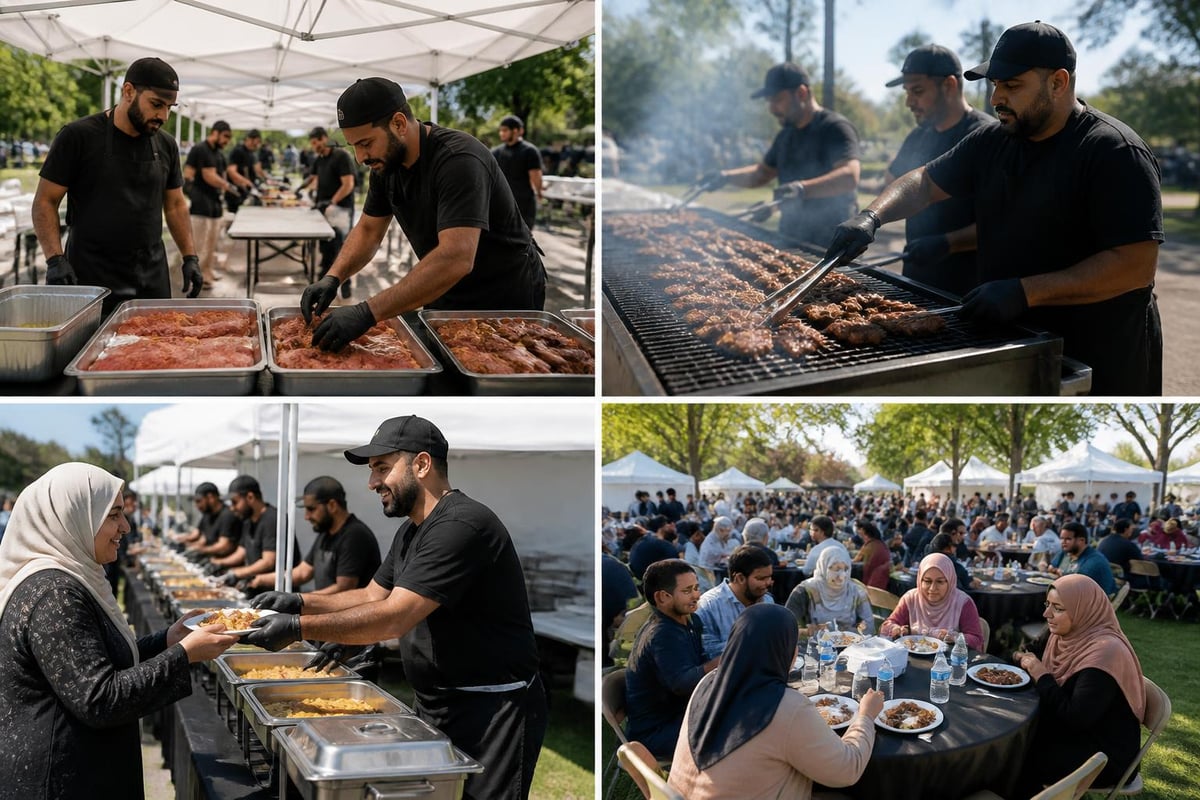
Entertainment and atmosphere transform a meal into an experience. For yakiniku-style gatherings, the grill becomes the centerpiece. Guests participate in cooking their own meat, creating engagement and conversation. This interactive element works particularly well for families and groups meeting for the first time.
Navigating Challenges in BBQ Halal Operations
Running a halal barbecue establishment or even maintaining home standards presents unique challenges that require creative solutions.
Supply chain reliability tops the list. Halal meat suppliers may have limited inventories compared to conventional sources. Building relationships with multiple suppliers ensures consistent availability. Some operators even work directly with farms to secure their supply.
Cross-contamination prevention requires constant vigilance. Staff training becomes crucial in commercial settings. Everyone must understand why dedicated equipment matters and how to prevent mistakes. Color-coding, physical separation, and clear labeling systems help maintain standards during busy service periods.
Certification costs and renewal processes add overhead, but they're non-negotiable. The investment pays dividends in customer trust and market positioning. Display certifications prominently and keep documentation current.
The Future of BBQ Halal Dining
Innovation in halal barbecue continues accelerating. Technology, sustainability, and global flavor exchange are shaping the next generation of bbq halal experiences.
Robotic servers and automation streamline service in some venues while maintaining the personal touch customers expect. Tableside ordering systems let diners customize their experience while ensuring accuracy in special requests and dietary needs.
Sustainability concerns influence meat sourcing decisions. Customers increasingly ask about farming practices, animal welfare, and environmental impact. Forward-thinking bbq halal operators partner with farms that practice regenerative agriculture and ethical animal husbandry. These partnerships align with Islamic principles of stewardship while appealing to environmentally conscious diners.
Fusion experiments push boundaries while respecting traditions. Imagine halal brisket tacos with Middle Eastern spice profiles. Or wagyu beef served with both Japanese tare sauce and Argentinian chimichurri. These creative combinations attract adventurous eaters while maintaining halal integrity.
Emerging Trends to Watch
| Trend | Impact | Timeline |
|---|---|---|
| Plant-based halal options | Expands customer base | Already emerging |
| Premium dry-aged halal beef | Elevates quality perception | Gaining momentum |
| Ghost kitchen concepts | Increases accessibility | Rapid growth |
| Subscription meat boxes | Creates recurring revenue | Established model |
Educational initiatives help broaden bbq halal appeal. Cooking classes, YouTube channels, and social media content demystify halal preparation for curious non-Muslim audiences. This transparency breaks down barriers and builds appreciation for the craft involved.
Premium Cuts and Specialized Preparations
The cuts you choose define your bbq halal experience. Understanding each cut's characteristics helps you select and prepare them optimally.
A5 Wagyu ribeye represents the pinnacle of beef luxury. Its intense marbling creates a butter-like texture that melts at body temperature. These cuts require minimal cooking time. Thirty seconds per side over high heat renders enough fat to create flavor while maintaining the signature texture. Over-cooking wastes both money and potential.
Lamb presents versatile options from shoulder to rack. Lamb shoulder benefits from low-and-slow treatment, breaking down connective tissue over hours to create pull-apart tenderness. Season generously with cumin, coriander, and garlic. Smoke at 225°F until the internal temperature reaches 195°F.
Short ribs bridge Korean and American barbecue traditions. Flanken-cut ribs, sliced thin across the bones, cook quickly and suit tableside grilling. English-cut short ribs, with meat attached to longer bone sections, reward patient smokers with rich, beefy flavor after four to six hours of indirect heat.
Chicken requires special attention in halal preparation. The complete blood removal process can make chicken drier if not properly handled. Brining for at least two hours before grilling helps retain moisture. A simple brine of water, salt, sugar, and aromatics works wonders.
Cultural Significance and Community Building
BBQ halal dining creates more than meals; it builds bridges between cultures and strengthens community bonds. The communal nature of barbecue aligns perfectly with Islamic values of hospitality and sharing.
Family-style service, where large platters arrive for sharing, encourages conversation and connection. In yakiniku settings, the shared grill becomes a literal and figurative gathering point. Multiple generations can participate, from grandparents advising on cooking times to children excitedly flipping their first piece of beef.
Solo travelers find welcome in quality bbq halal establishments. The counter seating common in Japanese yakiniku restaurants removes the stigma of dining alone. Engaging with the chef or grill master creates a personal experience that turns solo meals into memorable occasions.
Religious holidays like Eid create peak opportunities for halal barbecue. Families seek special meals to celebrate, and restaurants that understand the cultural significance can become traditions. Offering special Eid menus, family packages, or catering services positions your establishment as part of the celebration.
The educational component shouldn't be overlooked. Many non-Muslim diners have questions about halal preparation. Staff trained to explain the process without being preachy create ambassadors for both the restaurant and broader cultural understanding. This knowledge sharing enriches everyone's experience.
The world of bbq halal has evolved from necessity to celebration, proving that dietary requirements can elevate rather than limit culinary experiences. Whether you're exploring Texas smokehouse traditions, Korean tableside grilling, or Mediterranean-inspired preparations, quality and attention to detail define excellence. If you're visiting Tokyo and want to experience premium halal yakiniku at its finest, Ninja Yakiniku offers A5 Wagyu and Iga beef in a welcoming, family-friendly atmosphere in the heart of Asakusa. Their commitment to halal certification and exceptional quality creates an unforgettable dining experience that honors both tradition and taste.