
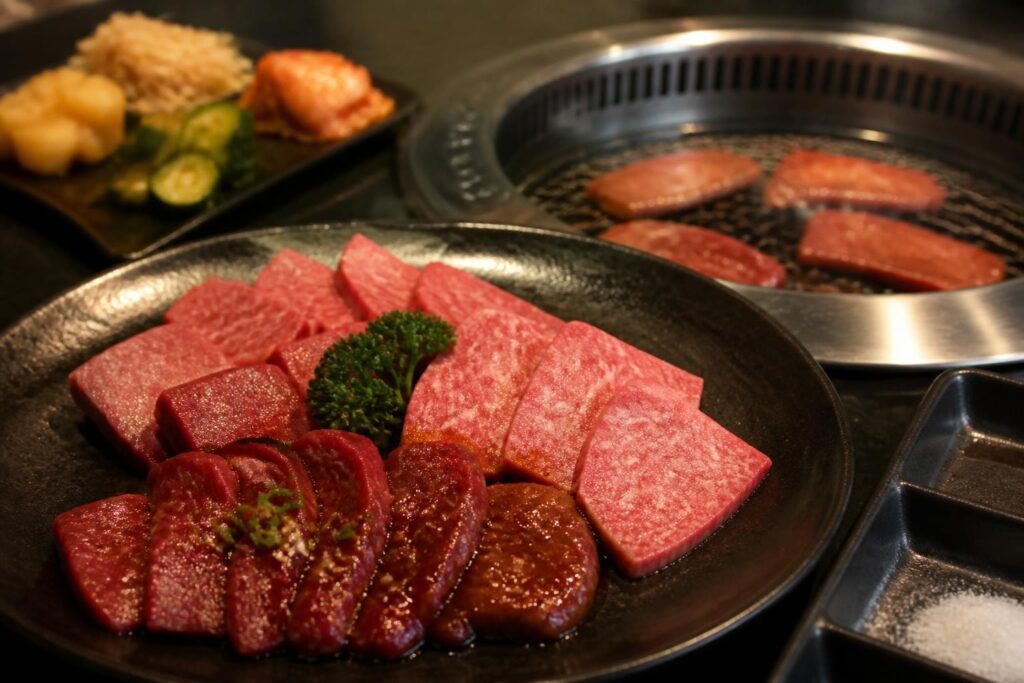
The global market for halal meals continues to expand beyond traditional Muslim-majority countries, with demand growing significantly in metropolitan areas worldwide. As travelers and residents seek dining options that align with their religious and ethical values, understanding what constitutes authentic halal meals becomes increasingly important. This comprehensive guide explores the foundations of halal cuisine, certification standards, and the evolving landscape of halal dining experiences, particularly within Japanese culinary traditions.
Understanding the Foundations of Halal Meals
The term "halal" originates from Arabic, meaning "permissible" or "lawful" under Islamic law. When applied to food, halal encompasses specific requirements that govern not only the ingredients used but also the entire preparation process from sourcing to serving. These guidelines ensure that meals meet both spiritual and hygienic standards established in Islamic dietary laws.
Core Principles of Halal Food
Halal meals must adhere to several fundamental principles that distinguish them from conventional food preparation. The most critical requirement involves the proper slaughter of animals, which must be performed by a Muslim who invokes God's name while ensuring the animal experiences minimal suffering. The blood must be fully drained from the carcass, as consuming blood is strictly prohibited.
Key prohibited ingredients include:
- Pork and pork-derived products
- Alcohol and intoxicating substances
- Carnivorous animals and birds of prey
- Blood and blood by-products
- Improperly slaughtered animals
Beyond these restrictions, halal meals emphasize cleanliness and purity throughout the preparation process. Utensils, cooking surfaces, and storage areas must be free from contamination by non-halal substances. This requirement extends to preventing cross-contamination during food preparation, making dedicated halal facilities particularly valuable for maintaining authenticity.
Halal Certification Standards and Verification
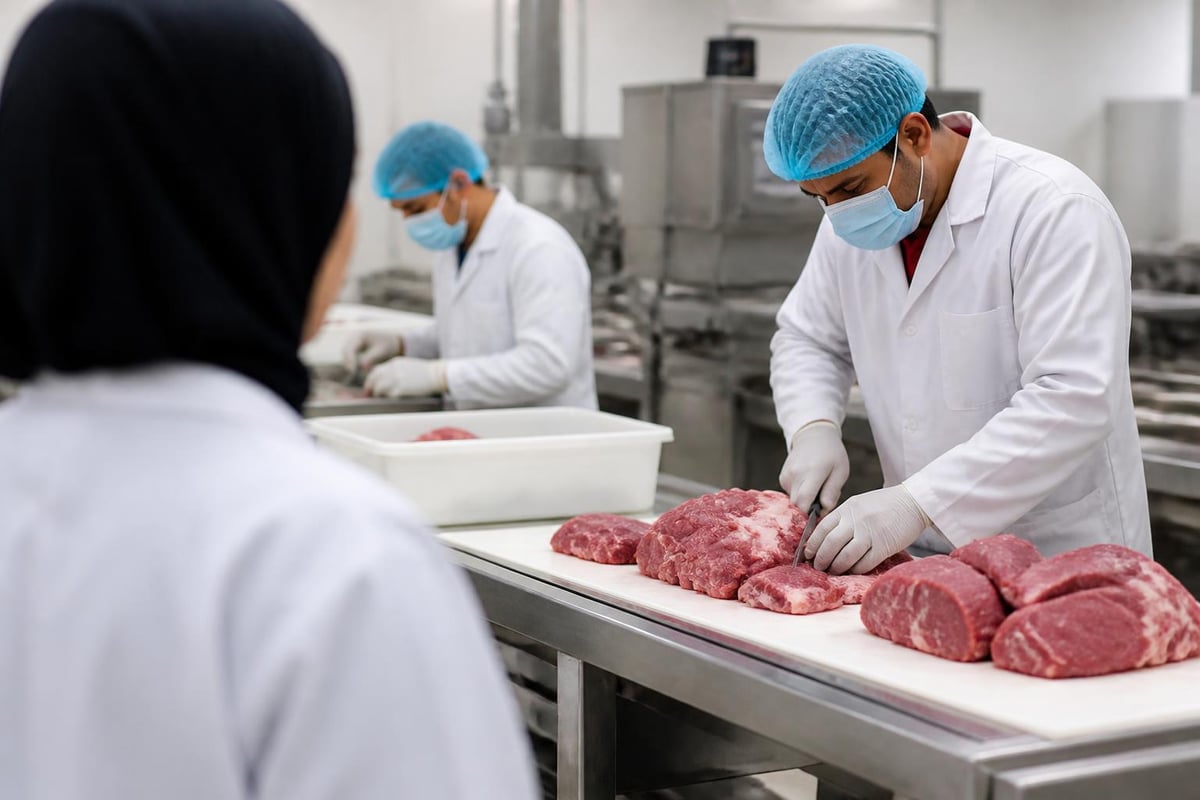
The certification process for halal meals involves rigorous verification by authorized Islamic organizations. These certifying bodies examine every aspect of food production, from ingredient sourcing to final preparation methods. Understanding halal certification helps consumers make informed choices about where to dine and which products to purchase.
The Certification Process
Restaurant operators seeking halal certification must undergo comprehensive audits of their supply chains, preparation methods, and staff training protocols. Certification agencies review supplier documentation to verify that all meat products come from properly slaughtered animals. They inspect kitchen facilities to ensure separation from non-halal foods and verify that cleaning procedures maintain the integrity of halal standards.
| Certification Aspect | Requirements | Verification Method |
|---|---|---|
| Ingredient Sourcing | Halal-certified suppliers | Supply chain documentation |
| Slaughter Methods | Islamic guidelines followed | On-site inspection |
| Kitchen Facilities | No cross-contamination | Regular facility audits |
| Staff Training | Understanding of halal protocols | Certification programs |
The importance of reliable certification cannot be overstated, as it provides assurance to consumers that their meals genuinely meet halal requirements. Reputable certifying agencies conduct regular unannounced inspections to maintain standards and address any compliance issues promptly.
Recognizing Authentic Certification
Consumers should look for certification logos from recognized Islamic organizations when selecting restaurants or purchasing packaged foods. These logos indicate that the establishment has undergone thorough vetting and continues to meet halal standards. Different countries and regions have various certifying bodies, but all legitimate organizations adhere to core Islamic dietary principles.
Verification steps for consumers:
- Check for visible halal certification logos
- Verify the certifying organization's credentials
- Research the establishment's reputation within the Muslim community
- Ask staff about their certification and procedures
- Review online resources that track halal establishments
Halal Meals in Japanese Cuisine
Japanese culinary traditions present unique opportunities and challenges for halal meal preparation. The precision and attention to detail inherent in Japanese cooking align well with halal requirements for cleanliness and quality. However, certain traditional ingredients like mirin (rice wine) and sake require substitution or elimination to maintain halal compliance.
Yakiniku as a Halal Dining Experience
Yakiniku, the Japanese style of grilling meat at the table, offers an ideal format for halal meals when properly certified. The interactive dining experience allows guests to observe their food preparation while enjoying premium cuts of beef. When establishments source halal-certified wagyu and maintain strict separation protocols, they create authentic experiences that honor both Japanese culinary excellence and Islamic dietary laws.
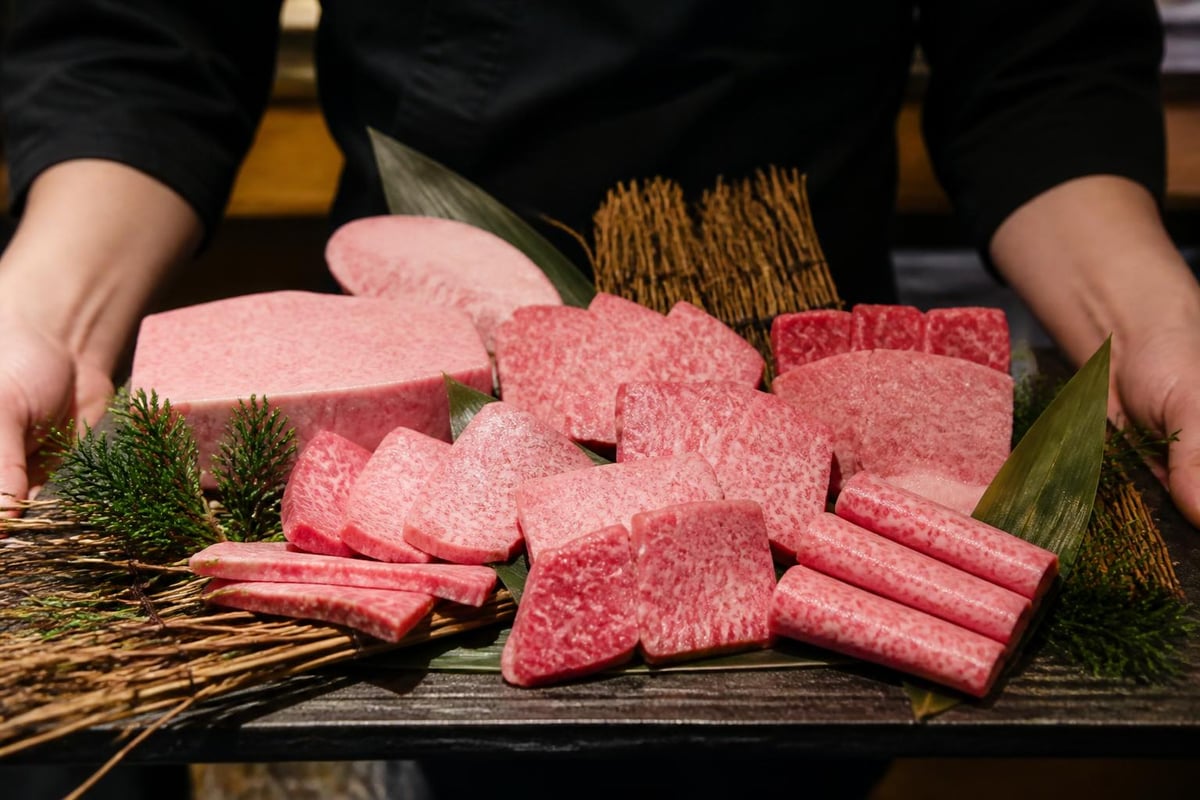
The premium quality associated with wagyu beef complements halal principles that emphasize treating animals with respect and ensuring their well-being. A5-grade wagyu represents the pinnacle of beef quality, featuring exceptional marbling and tenderness. When this premium ingredient meets halal certification standards, it creates a dining experience that satisfies both spiritual requirements and culinary expectations.
Navigating Halal Dining While Traveling
International travelers seeking halal meals face varying levels of availability depending on their destination. Major metropolitan areas typically offer more options, but finding certified establishments requires research and planning. Tokyo, despite being in a country where Muslims represent a small minority, has seen significant growth in halal dining options over the past decade.
Resources for Finding Halal Meals
Technology has simplified the search for halal meals through:
- Dedicated halal restaurant finder applications
- Community-driven review platforms
- Certification body directories
- Social media groups focused on halal dining
- Travel blogs specializing in Muslim-friendly destinations
Resources like Zabihah provide searchable databases of halal restaurants worldwide, with user reviews and certification details. These platforms help travelers identify options before arriving at their destination, reducing the stress of finding suitable meals in unfamiliar locations.
Cultural Considerations in Different Markets
The approach to halal meals varies across different cultural contexts. In Muslim-majority countries, halal is often the default standard, with non-halal options clearly marked. In countries with Muslim minorities, certified halal establishments serve as important community gathering places while also welcoming guests from all backgrounds who appreciate quality and ethical food preparation.
| Region Type | Halal Availability | Verification Needs |
|---|---|---|
| Muslim-Majority | Widely available | Moderate |
| Large Muslim Community | Growing options | Important |
| Limited Muslim Population | Specialized venues | Essential |
Quality Standards Beyond Certification
While halal certification addresses religious requirements, exceptional halal meals also emphasize culinary quality and dining experience. Restaurants that excel in the halal market combine authentic certification with outstanding ingredients, skilled preparation, and welcoming atmospheres. This dual focus attracts both Muslim diners seeking compliant options and food enthusiasts who appreciate high-quality cuisine.
Premium Ingredients in Halal Cooking
The selection of premium, halal-certified ingredients elevates meals beyond basic compliance to create memorable dining experiences. Japanese Iga beef, for example, offers distinct characteristics that complement traditional yakiniku preparation methods. When sourced from halal-certified suppliers, these premium ingredients maintain their exceptional quality while meeting religious requirements.
Restaurants committed to excellence invest in relationships with certified suppliers who share their standards for quality and transparency. This partnership approach ensures consistent ingredient quality and reliable certification documentation. The result is halal meals that satisfy both spiritual needs and sophisticated palates.
Creating Welcoming Dining Environments
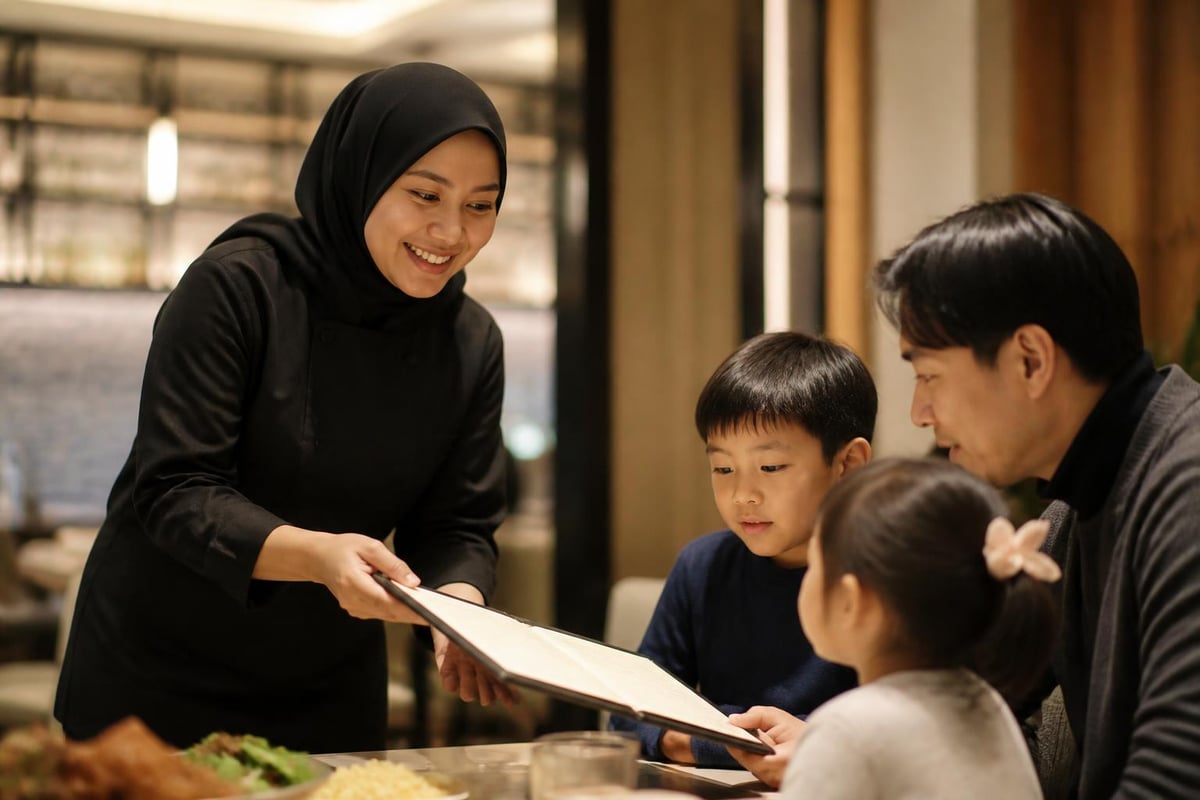
The atmosphere surrounding halal meals contributes significantly to the overall experience. Family-friendly environments that accommodate diverse groups while respecting Islamic values create spaces where Muslims feel comfortable and welcomed. Features like private dining areas, alcohol-free premises, and staff trained in cultural sensitivity enhance the dining experience.
Elements of an inclusive halal dining environment:
- Clear halal certification display
- Prayer facilities or information
- Family seating arrangements
- Modest decor choices
- Staff awareness of dietary requirements
- Multilingual menus and service
The Future of Halal Meals in Global Markets
The halal food industry continues evolving to meet changing consumer expectations and technological advances. Blockchain technology now enables transparent supply chain tracking, allowing consumers to verify the halal status of ingredients from source to table. This innovation addresses concerns about certification authenticity while building trust between establishments and their guests.
Emerging Trends in Halal Dining
Modern halal meals reflect broader culinary trends while maintaining traditional compliance standards. Plant-based alternatives, sustainable sourcing, and fusion cuisines all find expression within halal-certified contexts. These innovations expand options for Muslim consumers while introducing halal concepts to broader audiences interested in ethical and transparent food systems.
The integration of halal principles with premium dining experiences represents a significant shift from viewing halal as merely a restriction to recognizing it as a marker of quality and ethical sourcing. Government programs acknowledging halal requirements demonstrate growing mainstream recognition of these dietary needs.
Education and Awareness
Increased education about halal meals benefits both Muslim and non-Muslim communities. When restaurants clearly communicate their certification, preparation methods, and ingredient sourcing, they build credibility and attract informed diners. This transparency serves everyone seeking to understand what they consume and why certain standards matter.
Educational initiatives include:
- Staff training on halal principles and practices
- Menu descriptions explaining halal certification
- Supplier partnerships highlighting ethical sourcing
- Community engagement demonstrating commitment
- Digital content sharing the halal story
Practical Considerations for Diners
Selecting halal meals requires balancing religious compliance with practical factors like location, price range, and cuisine preferences. First-time visitors to halal restaurants often appreciate guidance on menu options and ordering protocols, especially when exploring unfamiliar culinary traditions like Japanese yakiniku.
Menu Navigation Tips
Understanding menu terminology helps diners make informed choices about their halal meals. In yakiniku restaurants, different cuts of beef offer varying textures, fat content, and flavors. Premium options like karubi (short rib) and harami (skirt steak) provide rich, flavorful experiences, while leaner cuts suit those preferring less marbling.
| Cut Type | Characteristics | Cooking Method | Flavor Profile |
|---|---|---|---|
| Karubi | High marbling | Quick grill | Rich, buttery |
| Harami | Medium fat | Medium heat | Robust, tender |
| Rosu | Balanced | Even cooking | Classic beef |
| Tan | Lean, unique | High heat | Crispy, light |
The interactive nature of yakiniku allows diners to control their cooking preferences, ensuring meat reaches desired doneness levels. Staff at quality establishments provide guidance on optimal cooking times and techniques for different cuts.
Dining Etiquette and Customs
Respecting local customs enhances the halal dining experience, particularly when exploring international cuisines. In Japanese restaurants, certain etiquette practices demonstrate cultural awareness and appreciation. Understanding these customs creates positive interactions and enriches the overall meal experience.
Solo travelers, families, and groups all find accommodation in well-designed halal restaurants. The flexibility to enjoy meals alone at counter seating or gather around table grills for group celebrations makes these establishments valuable community resources. Staff trained in cultural sensitivity ensure all guests feel welcome regardless of group size or background.
Health and Nutritional Aspects
Beyond religious compliance, halal meals often align with health-conscious eating patterns. The prohibition against consuming blood and emphasis on proper slaughter methods contribute to food safety. The requirement for cleanliness throughout preparation reduces contamination risks and promotes hygienic practices that benefit all consumers.
Quality Meat Selection
The focus on animal welfare within halal guidelines often correlates with higher-quality meat products. Animals raised in stress-free environments and slaughtered humanely typically produce better-tasting, more tender meat. This connection between ethical treatment and culinary quality makes halal certification appealing to consumers beyond religious communities.
Wagyu beef, renowned for its exceptional marbling and flavor, exemplifies premium quality in halal meals when properly certified. The careful breeding, feeding, and handling of wagyu cattle align naturally with Islamic principles of animal respect and humane treatment. When this cultural alignment occurs, it produces outstanding results that satisfy multiple value systems simultaneously.
Balanced Meal Planning
Complete halal meals incorporate various food groups to provide nutritional balance. While premium beef features prominently in yakiniku dining, complementary vegetables, rice, and side dishes round out the meal. This balance ensures diners receive adequate nutrients while enjoying their primary protein selections.
Components of a balanced halal yakiniku meal:
- Grilled vegetables for fiber and vitamins
- Rice or noodles for energy
- Kimchi or pickles for probiotics
- Premium beef for protein
- Miso soup for warmth and umami
Building Trust Through Transparency
Establishments offering halal meals build lasting relationships with their communities through consistent transparency and quality. Regular communication about certification renewals, supplier changes, and preparation protocols demonstrates ongoing commitment to halal standards. This openness creates trust that extends beyond single dining experiences to establish loyal customer relationships.
The combination of authentic certification, premium ingredients, and exceptional service defines the modern halal dining experience. When restaurants integrate these elements thoughtfully, they create destinations that serve both religious requirements and culinary aspirations. This holistic approach recognizes that halal meals represent more than dietary compliance, embodying values of quality, ethics, and community that resonate across cultural boundaries.
Understanding halal meals empowers diners to make informed choices that align with their values while exploring diverse culinary traditions. Whether you're seeking religiously compliant options or simply appreciate transparent, ethical food preparation, knowing what defines quality halal cuisine enhances your dining experiences. For those visiting Tokyo, Ninja Yakiniku offers an authentic halal-certified yakiniku experience in the historic Asakusa district, featuring premium A5 Wagyu and Iga beef prepared to the highest standards. The restaurant welcomes families, solo travelers, and anyone seeking exceptional Japanese cuisine that honors both culinary excellence and halal principles.