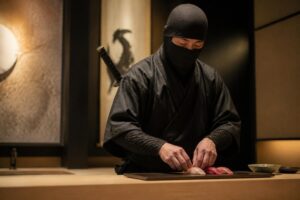
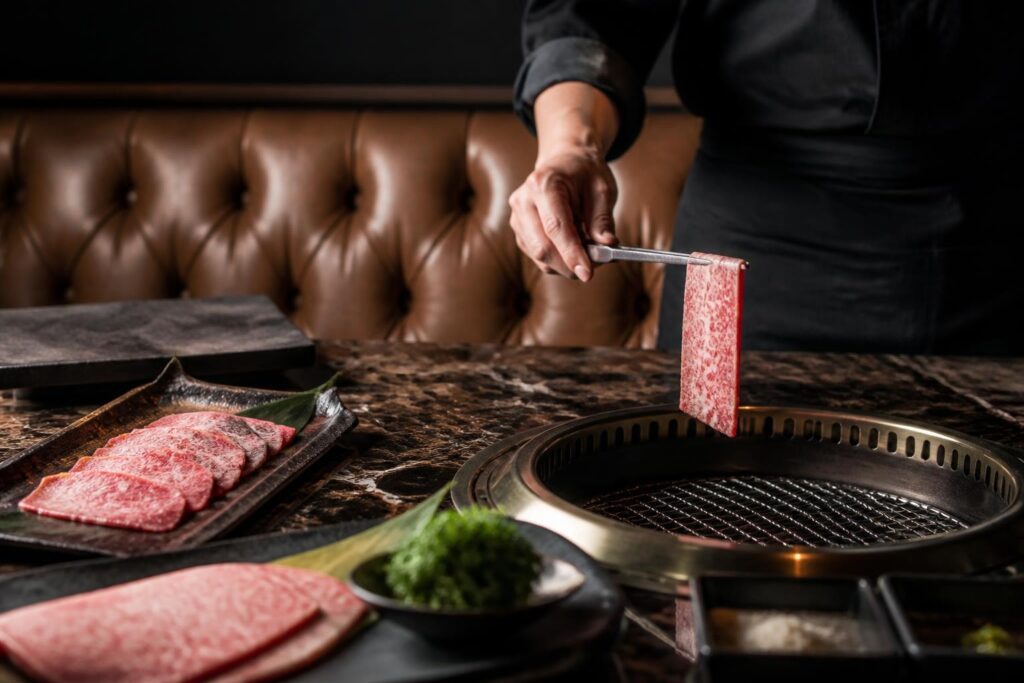
The landscape of premium dining has evolved dramatically, with the high end halal restaurant sector emerging as a powerful force in global culinary markets. This transformation reflects growing demand from Muslim consumers seeking luxury dining experiences that align with their values, alongside non-Muslim diners attracted to quality, ethical sourcing, and transparency. The fusion of halal certification with fine dining excellence creates unique opportunities for establishments to deliver exceptional experiences while maintaining strict adherence to Islamic dietary laws.
Understanding the High End Halal Restaurant Market
The premium halal dining sector represents a significant shift from traditional perceptions of halal cuisine. Modern consumers expect sophisticated presentations, premium ingredients, and innovative culinary techniques alongside proper certification. This evolution has created a thriving market segment where authenticity meets luxury.
Market dynamics shaping this industry include:
- Rising disposable incomes among Muslim populations globally
- Increased travel and cultural exchange fostering culinary appreciation
- Growing awareness of ethical sourcing and animal welfare standards
- Integration of technology for transparency and traceability
The demand for convenience alongside ethical and sustainable choices continues to influence how premium establishments operate and market themselves. Restaurants must balance traditional preparation methods with contemporary dining expectations while maintaining certification integrity.
Premium Ingredient Sourcing
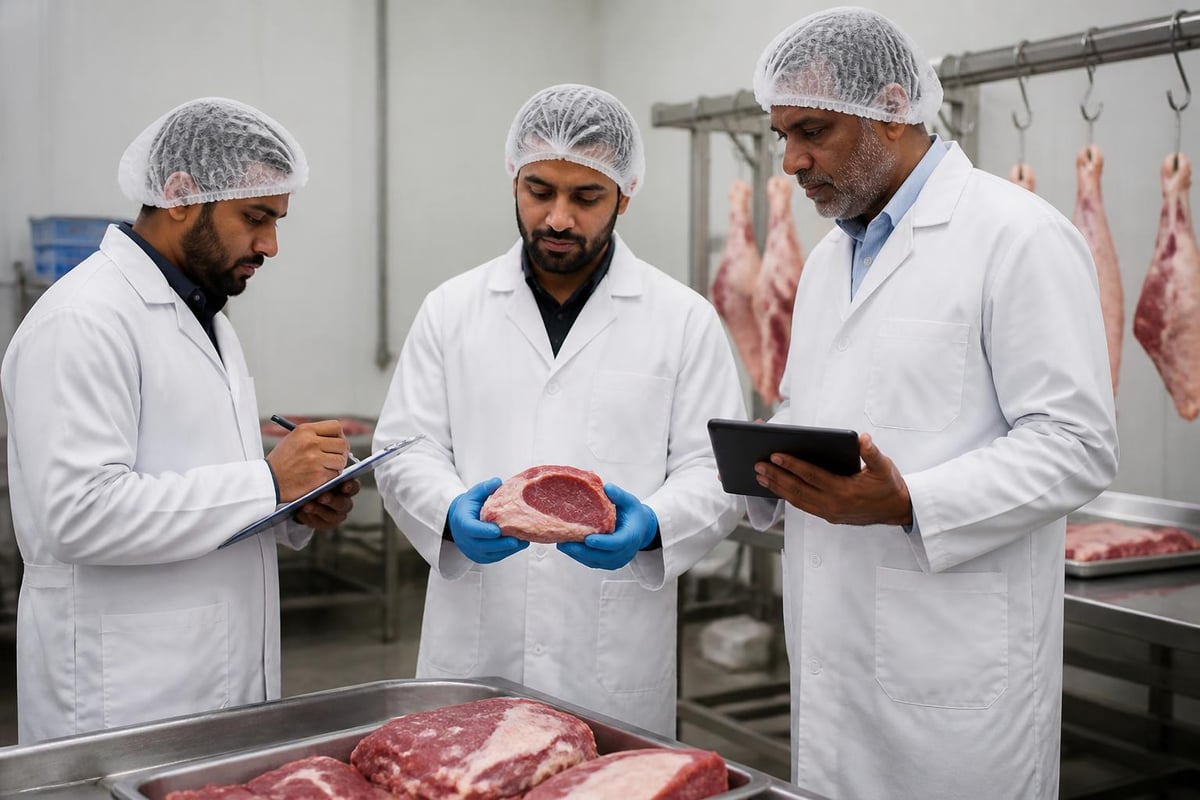
A high end halal restaurant distinguishes itself through meticulous ingredient selection. The sourcing process requires verification at every supply chain stage, from farm to table. For establishments specializing in premium proteins like A5 Wagyu beef, this becomes particularly complex.
Japanese Wagyu represents the pinnacle of beef quality, characterized by intricate marbling, tenderness, and umami-rich flavor profiles. Securing halal-certified Wagyu requires partnerships with specialized suppliers who adhere to zabihah slaughter methods while preserving the meat's exceptional characteristics.
| Quality Factor | Standard Beef | Premium Wagyu | Halal A5 Wagyu |
|---|---|---|---|
| Marbling Score | 2-4 | 6-8 | 8-12 |
| Certification Requirements | Basic USDA | Japanese BMS | Halal + BMS |
| Supply Chain Complexity | Low | Medium | High |
| Price Premium | Baseline | 3-5x | 4-7x |
The rising meat prices transforming the global halal food industry create additional challenges for premium establishments. Restaurants must maintain quality standards while managing cost pressures through strategic supplier relationships and efficient inventory management.
Certification Standards and Compliance
Operating a high end halal restaurant requires comprehensive understanding of certification requirements beyond basic food safety regulations. Multiple certification bodies exist globally, each with specific standards and audit procedures. Establishments must choose recognized certifiers whose credentials resonate with target demographics.
Core certification elements include:
- Zabihah slaughter method compliance
- Complete separation of halal and non-halal ingredients
- Equipment and utensil dedication to halal preparation
- Staff training on contamination prevention
- Regular third-party audits and documentation
Implementation Challenges
The operational complexity of maintaining certification while delivering premium experiences requires systematic protocols. Kitchens must implement separate preparation zones, dedicated equipment, and strict inventory controls. Staff education becomes critical, as every team member must understand their role in preserving certification integrity.
Advanced tracking systems enable real-time verification of ingredient provenance. Some establishments now employ blockchain-based solutions for transparent supply chain documentation, allowing customers to verify the halal status of specific menu items through digital interfaces.
The Yakiniku Experience at Premium Halal Establishments
Yakiniku dining represents a unique intersection of Japanese culinary tradition and interactive customer engagement. The tabletop grilling format allows diners to control their cooking experience, creating memorable moments around premium ingredients. When executed at the high end halal restaurant level, this format requires specialized knowledge and equipment.
A5 Wagyu yakiniku demands precise temperature control and timing. The extreme marbling means the meat cooks quickly, requiring attentive monitoring. Premium establishments provide guidance on optimal grilling techniques, ensuring guests achieve perfect results with each cut.
Menu Design and Presentation
Course structure in premium yakiniku restaurants follows traditional Japanese kaiseki principles adapted for grilling. Progression from lighter to richer cuts allows flavor development throughout the meal. Each course showcases different beef sections, highlighting unique textures and taste profiles.
Typical premium yakiniku course progression:
- Appetizer: Seasonal vegetables and salads with house-made dressings
- First protein: Lean cuts like tongue or shoulder for palate introduction
- Middle courses: Premium sirloin and ribeye showcasing marbling
- Peak experience: A5 grade cuts representing ultimate quality
- Closing: Lighter proteins or rice dishes for balanced completion
The presentation extends beyond plating to include table settings, specialized grilling equipment, and ambient elements creating cohesive luxury experiences. Many high end halal restaurants incorporate Japanese aesthetic principles like wabi-sabi and omotenashi to enhance dining atmosphere.
Location Strategy and Market Positioning
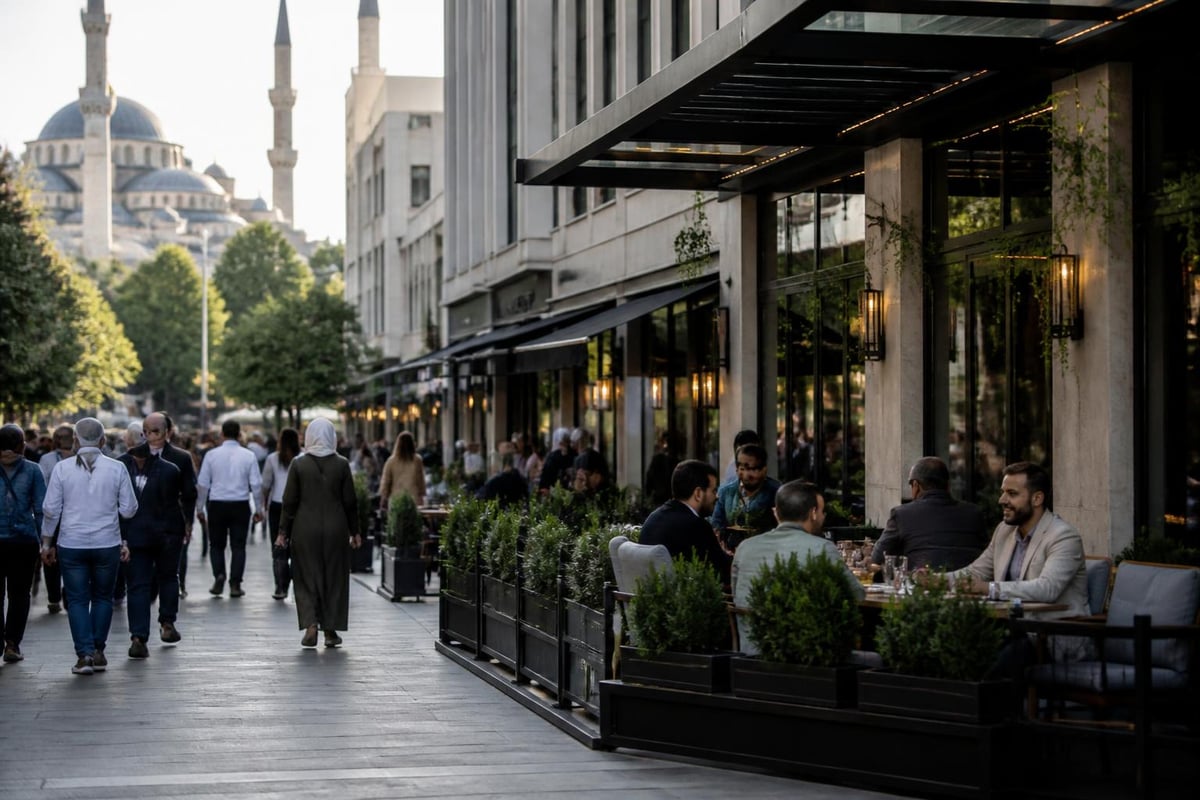
Geographic placement significantly impacts a high end halal restaurant's success. Urban centers with diverse populations and tourist traffic provide optimal conditions. Districts combining cultural significance with dining destination status offer natural synergies.
Tokyo's Asakusa neighborhood exemplifies this strategic positioning. The area attracts millions of visitors annually to historic sites like Sensoji Temple while maintaining authentic local character. This blend creates ideal conditions for premium halal dining, serving both international Muslim travelers and adventurous local diners seeking quality experiences.
Customer Segmentation
Understanding diverse customer needs enables tailored service delivery. Premium halal establishments serve multiple segments simultaneously, each with distinct expectations and preferences.
| Customer Segment | Primary Needs | Service Adaptations |
|---|---|---|
| Solo Travelers | Welcoming atmosphere, counter seating | Individual portions, chef interaction |
| Families | Kid-friendly options, accommodating space | Flexible scheduling, varied menu tiers |
| Business Diners | Privacy, efficiency | Private rooms, set menus |
| Couples | Romance, special occasions | Intimate seating, premium presentations |
The transformation of halal cuisine into luxury experiences demonstrates how chefs innovate while respecting traditional boundaries. This balance attracts both practicing Muslims and curious non-Muslim diners interested in quality and ethical sourcing.
Beverage Programs Without Alcohol
Creating sophisticated beverage pairings without alcohol represents one of the unique challenges facing high end halal restaurants. Traditional fine dining relies heavily on wine programs, necessitating creative alternatives that match premium food quality.
Modern non-alcoholic beverage programs extend far beyond juice and soft drinks. Craft mocktails, premium teas, specialty coffees, and artisanal non-alcoholic fermented beverages provide complexity rivaling traditional wine pairings. These programs require dedicated mixologists who understand flavor balance and complementary pairings.
Innovative non-alcoholic pairing options:
- Aged vinegar-based drinks mimicking wine tannin structure
- Cold-brewed specialty teas with regional terroir characteristics
- Fermented fruit beverages providing acidity and complexity
- Specialty Japanese teas selected for specific beef cuts
- House-made syrups and shrubs creating unique flavor profiles
The operational complexities of developing non-alcoholic programs require investment in training and ingredient sourcing comparable to wine programs. Premium establishments treat beverage development with equivalent seriousness to food creation.
Cultural Integration and Authenticity
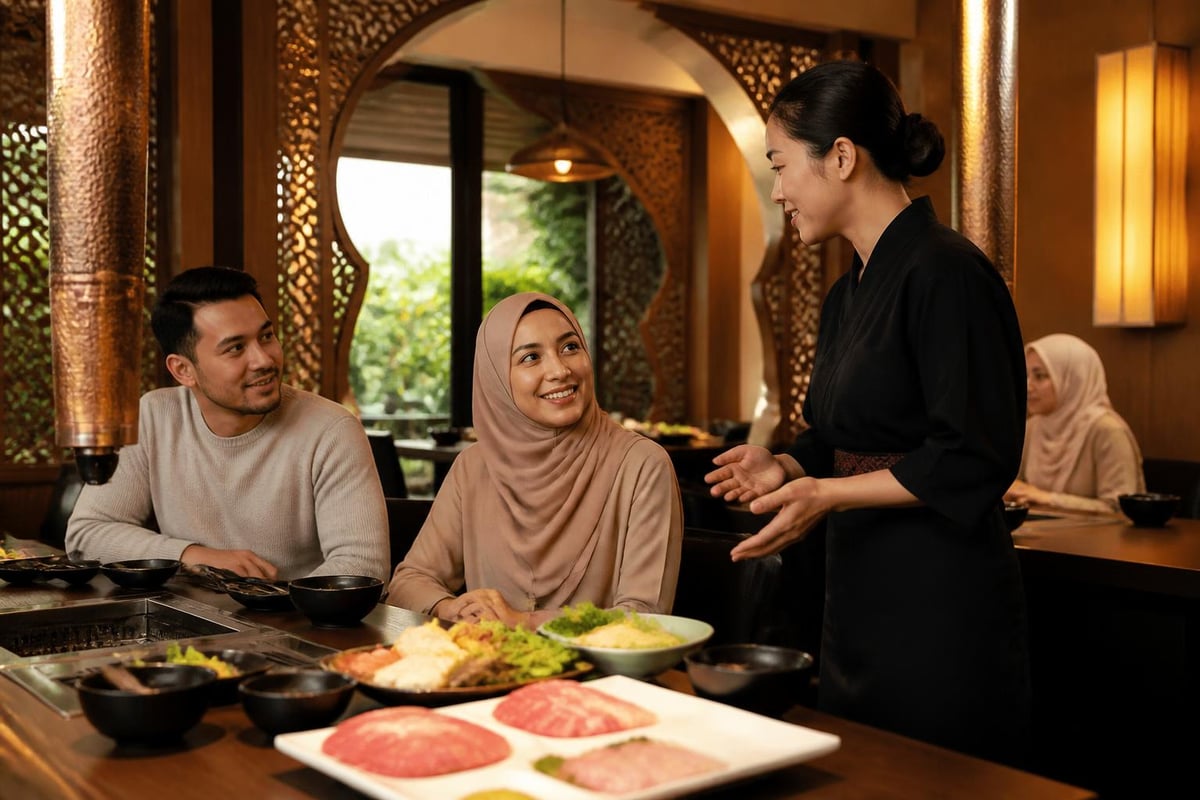
Successful high end halal restaurants balance cultural authenticity with accessibility. Japanese yakiniku traditions carry specific protocols and expectations that may be unfamiliar to international visitors. Creating welcoming experiences requires thoughtful adaptation without sacrificing authentic elements.
Staff training emphasizes cultural competency alongside technical skills. Team members learn to explain traditions, guide first-time diners through grilling techniques, and accommodate dietary preferences within halal parameters. This educational component enhances guest confidence and satisfaction.
Family-Friendly Premium Dining
Contrary to the assumption that fine dining excludes families, many premium halal establishments actively cultivate family-friendly atmospheres. This approach recognizes that shared dining experiences hold cultural significance across many Muslim communities.
Design considerations include flexible seating arrangements, appropriate portion sizing for children, and menu options appealing to varied age groups. The interactive nature of yakiniku naturally engages younger diners, creating memorable family experiences around quality food.
Technology Integration and Innovation
Modern high end halal restaurants leverage technology throughout operations, from reservation systems to supply chain management. Digital tools enhance transparency, efficiency, and customer engagement while maintaining the human touch essential to premium hospitality.
Reservation platforms provide detailed information about halal certification, menu options, and dining format. This pre-visit education reduces anxiety for first-time guests and allows informed decision-making. Some establishments offer virtual tours showcasing facilities and preparation methods.
Kitchen management systems track inventory with precision, ensuring proper rotation and minimizing waste. For premium ingredients with limited shelf life, this efficiency directly impacts profitability and quality consistency.
The bold flavors and fusion techniques shaping 2026 menus reflect broader industry trends toward innovation. High end halal restaurants experiment with contemporary presentations while respecting traditional flavor profiles and preparation methods.
Business Model Considerations
Operating a high end halal restaurant requires careful financial planning and strategic decision-making. The premium segment demands significant upfront investment in certification, training, equipment, and ingredient sourcing. Understanding restaurant business models helps establish sustainable operations.
Revenue optimization involves multiple streams beyond table service. Premium establishments often develop retail product lines, catering services, and cooking classes to diversify income and strengthen brand presence. These extensions require the same certification rigor as core dining operations.
Key financial metrics for premium halal dining:
- Food cost percentage (typically 28-35% for premium segments)
- Labor cost management (35-40% including specialized training)
- Average check size and table turnover rates
- Certification and compliance costs (2-4% of revenue)
- Marketing and customer acquisition expenses
The fine dining restaurant business model canvas provides frameworks for strategic planning. Key components include value propositions centered on authenticity, quality, and certification alongside customer relationships built through exceptional service.
Marketing and Brand Development
Premium positioning requires sophisticated marketing approaches that communicate quality, authenticity, and expertise. Digital presence through optimized websites, social media engagement, and review management forms the foundation of modern restaurant marketing.
Content creation showcasing ingredient quality, preparation techniques, and certification processes builds trust and differentiation. Video content particularly resonates, allowing potential guests to virtually experience the restaurant before visiting. Behind-the-scenes footage of suppliers, certification processes, and chef techniques demonstrates transparency and expertise.
Partnership opportunities with tourism boards, cultural organizations, and halal certification bodies extend reach to target audiences. Strategic collaborations create credibility while accessing established distribution channels.
Building Community Connections
Long-term success requires integration into local communities alongside tourist appeal. Hosting educational events, participating in cultural celebrations, and supporting community initiatives builds goodwill and local customer bases. These connections provide stability during tourism fluctuations.
High end halal restaurants contribute to broader conversations about ethical sourcing, cultural understanding, and culinary innovation. By maintaining high standards while welcoming diverse guests, they demonstrate how traditional practices align with contemporary values around transparency, sustainability, and quality.
Staff Training and Development
Human capital represents the most critical success factor for premium hospitality. Recruiting and retaining skilled staff requires comprehensive training programs, competitive compensation, and career development opportunities. The specialized knowledge needed for high end halal yakiniku demands ongoing education.
Training programs cover technical skills like beef grading, grilling techniques, and knife work alongside cultural competency and certification requirements. Staff must confidently explain zabihah methods, answer questions about ingredients, and guide guests through unfamiliar experiences.
Career pathing from entry-level positions to management roles encourages retention and builds institutional knowledge. Many successful establishments promote from within, developing talent through mentorship and progressive responsibility.
The combination of authentic cultural flavors with innovative techniques requires culinary teams who understand both traditional foundations and contemporary trends. Continuous learning through workshops, supplier visits, and industry conferences maintains competitive positioning.
Future Trends and Opportunities
The premium halal dining sector continues evolving as consumer expectations, technology capabilities, and global food systems develop. Forward-thinking establishments anticipate trends while maintaining core commitments to quality and certification.
Sustainability represents an increasingly important consideration. Consumers seek restaurants demonstrating environmental responsibility through waste reduction, energy efficiency, and sustainable sourcing. Halal principles naturally align with many sustainability concepts, particularly regarding animal welfare and ethical treatment.
Personalization enabled by data analytics allows customized experiences based on guest preferences, dietary restrictions, and previous visits. While maintaining privacy protections, restaurants can leverage information to enhance service relevance and anticipation of needs.
Expansion of halal certification to encompass broader ethical considerations including labor practices, environmental impact, and community benefit may emerge as differentiators. Restaurants demonstrating comprehensive ethical commitments appeal to values-driven consumers across demographic segments.
The high end halal restaurant sector demonstrates how traditional dietary principles harmonize with contemporary luxury dining expectations, creating exceptional experiences that honor cultural values while embracing culinary innovation. Whether you're seeking authentic A5 Wagyu yakiniku prepared according to Islamic dietary laws or discovering the intersection of Japanese hospitality and halal certification, Ninja Yakiniku delivers premium halal dining in Tokyo's historic Asakusa district. Experience the perfect balance of quality, authenticity, and welcoming atmosphere for solo travelers and families alike.