The art of menu creation transcends simple lists of dishes and prices. A true menu ninja understands that every element on a restaurant menu serves a strategic purpose, influencing customer decisions, maximizing profitability, and creating memorable dining experiences. In the competitive landscape of premium dining establishments, particularly those specializing in authentic Japanese cuisine like yakiniku, mastering menu strategy has become essential for success. This comprehensive approach combines culinary expertise, psychological insight, and data-driven decision-making to craft menus that resonate with diners while supporting business objectives.
The Strategic Foundation of Menu Excellence
Modern restaurant menus function as powerful marketing tools that silently guide customer choices throughout their dining journey. A menu ninja recognizes that effective menu design begins with understanding the target audience's preferences, cultural considerations, and dining expectations. For establishments serving specialized cuisine, this foundation becomes even more critical.
Understanding Customer Psychology
The placement of items on a menu significantly impacts ordering patterns. Research shows that diners typically scan menus in a Z-pattern or F-pattern, making certain positions more valuable than others. Strategic item placement considers these natural eye movements to highlight premium offerings and signature dishes.
Key psychological principles include:
- The primacy effect, where items listed first receive disproportionate attention
- Anchoring bias, which influences price perception based on initial numbers seen
- Decision paralysis prevention through curated selection sizes
- Descriptive language that evokes sensory experiences and emotional connections
Menu engineering goes beyond aesthetics to incorporate pricing psychology, portion sizing strategy, and category organization that feels intuitive to customers. A menu ninja balances variety with simplicity, ensuring guests feel empowered to make choices without overwhelming cognitive load.

Digital Innovation in Menu Management
The integration of technology has revolutionized how restaurants approach menu development and optimization. Recent advancements in artificial intelligence have introduced sophisticated tools for menu personalization using deep learning models, enabling restaurants to tailor recommendations based on customer preferences and ordering history.
AI-Assisted Menu Design
Modern menu ninja techniques leverage computational tools to analyze customer data, predict trends, and optimize menu composition. These systems process vast amounts of information to identify patterns that human operators might overlook.
| Technology Application | Benefit | Implementation Level |
|---|---|---|
| Predictive Analytics | Forecast dish popularity | Medium Complexity |
| Dynamic Pricing | Optimize revenue per table | High Complexity |
| Recommendation Engines | Personalized suggestions | Medium Complexity |
| Inventory Integration | Real-time availability | Low Complexity |
The emergence of AI-assisted menu design tools has made sophisticated menu engineering accessible to restaurants of all sizes. These platforms analyze customer feedback, seasonal trends, and competitive positioning to suggest menu modifications that align with business goals.
Adaptability represents another crucial dimension of modern menu strategy. The concept of dynamically adjustable menus based on user requirements allows restaurants to respond quickly to changing circumstances, whether seasonal ingredient availability, customer dietary needs, or special events.
Crafting the Perfect Yakiniku Menu Experience
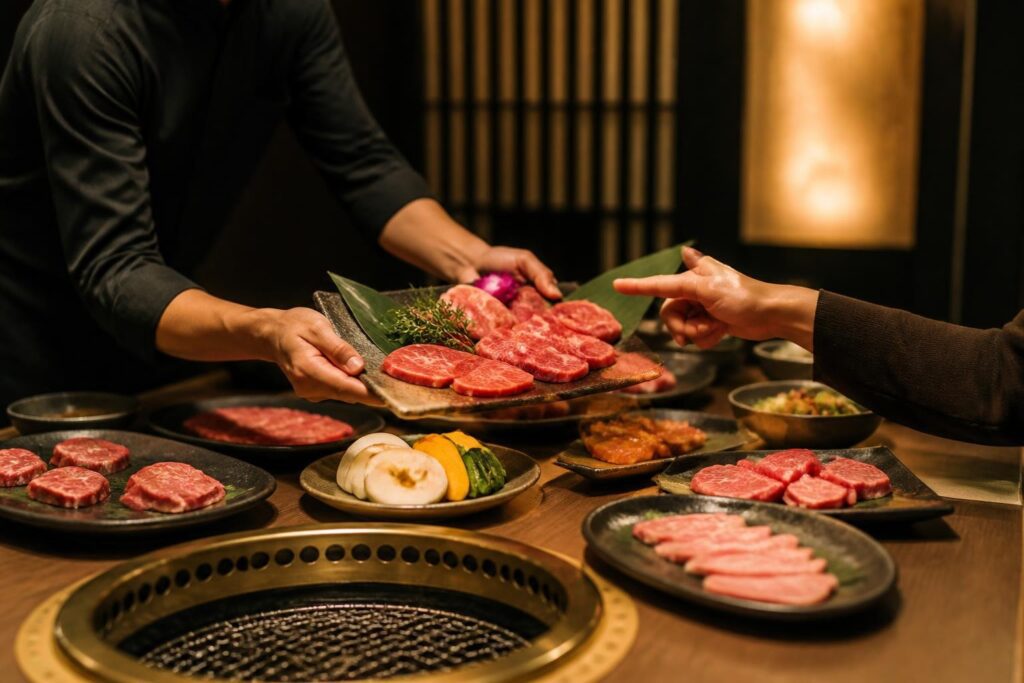
Specialty restaurants face unique challenges in menu development that require specialized knowledge and cultural sensitivity. A menu ninja working with Japanese yakiniku must balance authenticity with accessibility, particularly when serving diverse international clientele.
Organizing Premium Beef Selections
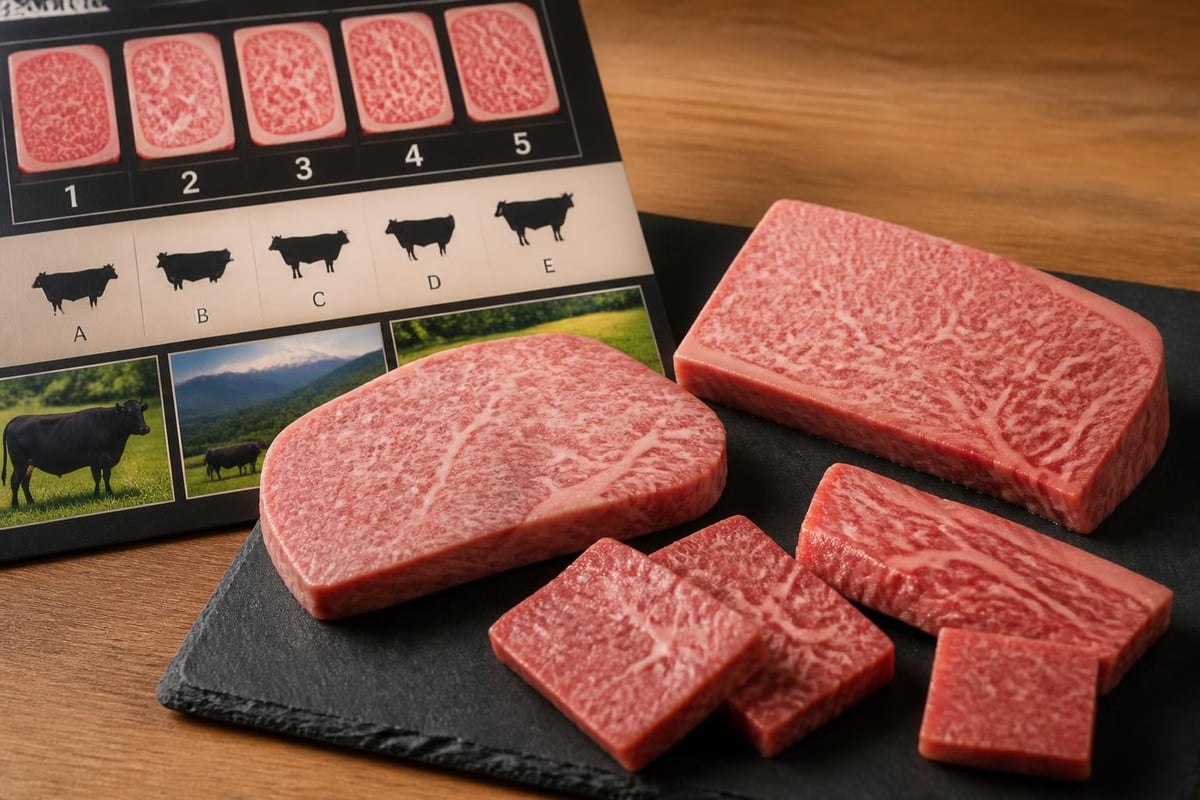
The presentation of premium wagyu offerings demands careful consideration of several factors:
- Clear quality indicators that educate customers about grading systems
- Regional provenance highlighting specific breeds like Iga beef
- Cut descriptions explaining characteristics and optimal cooking methods
- Portion options accommodating both solo diners and family groups
- Price transparency building trust through straightforward pricing
Effective yakiniku menus guide customers through an educational journey, transforming ordering into an opportunity to appreciate the craftsmanship behind each selection. Detailed descriptions that explain marbling patterns, flavor profiles, and recommended cooking times enhance the dining experience while justifying premium pricing.
Accommodating Dietary Requirements
Modern menu ninja strategies prioritize inclusivity, particularly regarding dietary restrictions and religious requirements. For halal-certified establishments, clear certification indicators and transparent sourcing information build customer confidence and attract specific market segments.
Essential dietary considerations include:
- Prominent halal certification displays
- Allergen information for common sensitivities
- Vegetarian and pescatarian options for mixed groups
- Gluten-free alternatives where applicable
- Customization possibilities clearly communicated
The menu should anticipate questions and provide answers proactively, reducing staff workload while empowering customers to make informed choices confidently.
Seasonal Menu Evolution and Innovation
Static menus risk becoming stale, failing to capitalize on seasonal ingredients or evolving customer preferences. A true menu ninja embraces strategic evolution while maintaining core identity elements that define the restaurant's brand.
Implementing Seasonal Rotations
Seasonal menu updates serve multiple strategic purposes beyond ingredient freshness. They create opportunities for marketing communications, reward repeat customers with novelty, and allow testing of potential permanent additions with limited risk.
The rotation cycle should align with ingredient availability and cultural calendars. For Japanese restaurants, this means considering traditional seasonal associations and festival periods when specific ingredients carry special significance.
| Season | Featured Ingredients | Menu Strategy |
|---|---|---|
| Spring | Lighter cuts, fresh vegetables | Renewed emphasis on balance |
| Summer | Refreshing accompaniments | Beverage pairing promotions |
| Autumn | Rich, fatty cuts | Premium showcasing period |
| Winter | Hearty portions, warming sides | Comfort-focused offerings |
Testing and Refinement Processes
Menu optimization never truly concludes. Continuous testing and data analysis inform refinements that incrementally improve performance. A menu ninja establishes systematic processes for gathering feedback, tracking sales patterns, and identifying opportunities for enhancement.
Digital ordering systems provide valuable data streams for analysis, revealing which items attract attention, conversion rates from views to orders, and cross-selling patterns between dishes. This information guides decisions about pricing adjustments, description modifications, and strategic repositioning.
Customer feedback mechanisms should extend beyond simple satisfaction surveys to capture specific insights about menu clarity, expectation alignment, and discovery opportunities. Staff training ensures servers can collect qualitative feedback during service interactions naturally.
Visual Design and Physical Presentation
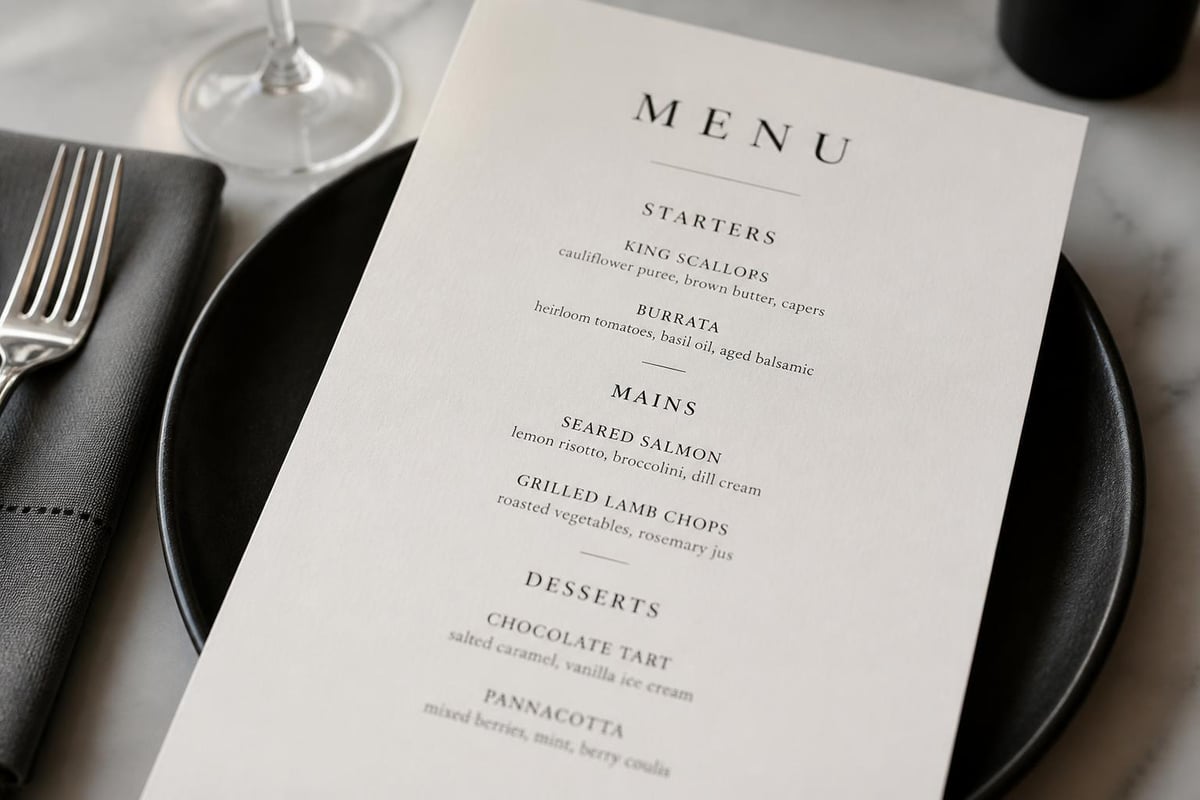
The physical menu represents a crucial touchpoint in the customer experience, communicating brand values through design choices before a single word is read. Menu ninja expertise encompasses typography, layout, material selection, and finishing techniques that reinforce positioning.
Typography and Readability
Font selection impacts both aesthetics and functionality. Premium restaurants often favor elegant serif fonts for headings paired with clean sans-serif body text for descriptions. Character spacing, line height, and font sizing must accommodate diverse age groups, including older diners who may struggle with small text.
Design principles for optimal readability:
- Minimum 12-point font size for body text
- High contrast between text and background colors
- Adequate white space preventing visual clutter
- Logical information hierarchy through size and weight variation
- Consistent styling within category sections
The balance between visual appeal and practical functionality determines whether menus support or hinder the ordering process. Overly elaborate designs may impress initially but frustrate customers struggling to locate information quickly.
Material Quality and Durability
Physical menu materials communicate quality standards before customers taste a single dish. Heavy cardstock, leather covers, or laminated finishes suggest attention to detail and commitment to excellence. These materials must withstand frequent handling, occasional spills, and regular cleaning while maintaining appearance.
Pricing Strategy and Profit Optimization
Strategic pricing represents perhaps the most critical aspect of menu ninja expertise, directly impacting profitability while influencing customer perception and satisfaction. Effective pricing balances cost recovery, competitive positioning, and psychological factors that affect purchase decisions.
Cost-Based Pricing Foundations
Understanding true dish costs provides the foundation for profitable pricing. This calculation extends beyond ingredient costs to encompass preparation labor, presentation elements, waste factors, and overhead allocation.
The industry standard food cost percentage varies by restaurant type, but premium establishments typically target 28-35% for most dishes. High-end proteins may accept higher percentages when they serve as signature items that attract customers and enable higher pricing on complementary items.
Value Perception Management
Price anchoring techniques influence how customers perceive value across the menu. Placing a premium item at the top of a category makes subsequent options appear more reasonable by comparison. A menu ninja strategically positions a few high-priced items to frame other selections favorably.
Menu engineering analysis categorizes items into four quadrants based on profitability and popularity:
- Stars: High profitability, high popularity (promote prominently)
- Plowhorses: Low profitability, high popularity (consider price increases)
- Puzzles: High profitability, low popularity (improve visibility or descriptions)
- Dogs: Low profitability, low popularity (consider elimination)
Regular analysis identifies which items fall into each category, informing strategic decisions about pricing adjustments, promotional focus, and menu modifications.
Creating Memorable Dish Descriptions
The language used to describe menu items profoundly influences customer choices and satisfaction levels. A menu ninja crafts descriptions that inform, entice, and set accurate expectations while reflecting brand personality.
Sensory Language Techniques
Effective descriptions engage multiple senses, helping customers imagine the dining experience before ordering. Rather than simply listing ingredients, compelling copy explains textures, aromas, preparation methods, and flavor combinations.
Elements of compelling descriptions:
- Origin stories connecting dishes to places or traditions
- Preparation techniques highlighting craftsmanship
- Flavor profile previews using evocative adjectives
- Texture descriptions creating sensory anticipation
- Serving suggestions or pairing recommendations
Authenticity remains paramount, particularly for traditional cuisine. Descriptions should educate without condescending, explaining unfamiliar elements while respecting customer intelligence.
Staff Training and Menu Knowledge
Even the most strategically designed menu fails without knowledgeable staff who can guide customers effectively. A comprehensive menu ninja approach includes developing training programs that transform servers into menu ambassadors.
Building Product Expertise
Staff should possess detailed knowledge about every menu item, including ingredients, preparation methods, flavor profiles, and potential allergens. This expertise enables confident recommendations and builds customer trust.
Training methodologies include regular tastings, detailed menu guides with pronunciation assistance, and role-playing exercises for common customer scenarios. New item launches should always include staff training sessions before public introduction.
Recommendation Strategies
Effective servers read customer cues and tailor recommendations appropriately. Understanding the difference between solo travelers seeking authentic experiences and families prioritizing approachable options allows for personalized service that enhances satisfaction.
Servers should master suggestive selling techniques that feel helpful rather than pushy, offering logical pairings or highlighting limited-availability specials naturally within conversation flow.
Digital Menu Experiences
Online menus and digital ordering platforms require different optimization strategies than physical menus. A menu ninja adapts core principles to digital contexts while leveraging unique capabilities these platforms provide.
Website Menu Optimization
Restaurant websites serve multiple purposes, from attracting new customers to providing information for reservation planning. Menu presentation should balance visual appeal with search engine optimization, ensuring potential customers find relevant information easily.
High-quality food photography becomes essential in digital contexts, where visual presentation often determines whether visitors decide to book reservations. Professional images showcasing signature dishes, properly lit and styled, communicate quality standards effectively.
Mobile-Friendly Considerations
Mobile devices represent the primary access point for restaurant information for most customers. Menus must display clearly on smaller screens, with easily readable text, intuitive navigation, and fast loading times.
Responsive design ensures menus adapt gracefully across device types, maintaining usability whether viewed on smartphones, tablets, or desktop computers. Click-to-call functionality and integrated reservation systems reduce friction in the customer journey.
Competitive Analysis and Market Positioning
Understanding competitive landscape helps restaurants differentiate effectively and identify opportunity gaps. A menu ninja conducts regular competitive analysis to ensure offerings remain relevant and compelling.
Benchmarking Against Competitors
Systematic competitor monitoring reveals pricing trends, menu innovations, and service approaches that resonate with target customers. This research should examine both direct competitors serving similar cuisine and indirect competitors competing for the same dining occasions.
Analysis extends beyond menu items to encompass presentation styles, description approaches, and overall dining concepts. The goal involves identifying differentiation opportunities while ensuring competitiveness on key dimensions customers prioritize.
Unique Selling Proposition Development
Effective positioning articulates clear reasons why customers should choose your establishment over alternatives. For specialized restaurants like halal-certified yakiniku, these differentiators might include certification credentials, premium ingredient sourcing, or unique regional specialties unavailable elsewhere.
The menu should communicate these differentiators clearly through positioning statements, certification displays, and strategic emphasis on exclusive offerings. Every element reinforces the unique value proposition that justifies customer selection and premium pricing.
Mastering menu ninja techniques transforms restaurant menus from simple ordering tools into strategic assets that drive profitability, enhance customer satisfaction, and communicate brand values effectively. Whether you're seeking authentic halal Japanese cuisine or planning a memorable dining experience in Tokyo, Ninja Yakiniku combines strategic menu excellence with premium A5 Wagyu and Iga beef offerings in a welcoming Asakusa location. Experience how thoughtful menu design and exceptional ingredients create unforgettable yakiniku moments for solo travelers and families alike.
Article written using RankPill.